What Spiritual Auras Reveal About the Body: An Analysis of Energetic Health
Spiritual auras are described in various metaphysical traditions as luminous fields of energy surrounding the human body, serving as a dynamic reflection of an individual’s physical, emotional, and psychological state. While not recogn...
Spiritual auras are described in various metaphysical traditions as luminous fields of energy surrounding the human body, serving as a dynamic reflection of an individual’s physical, emotional, and psychological state. While not recognized by clinical medicine or physical biology, practitioners use these observations to assess systemic stress, emotional blockages, and overall vitality, providing a conceptual framework for mind-body interconnectedness.
Contents
The Conceptual Foundation of Auras
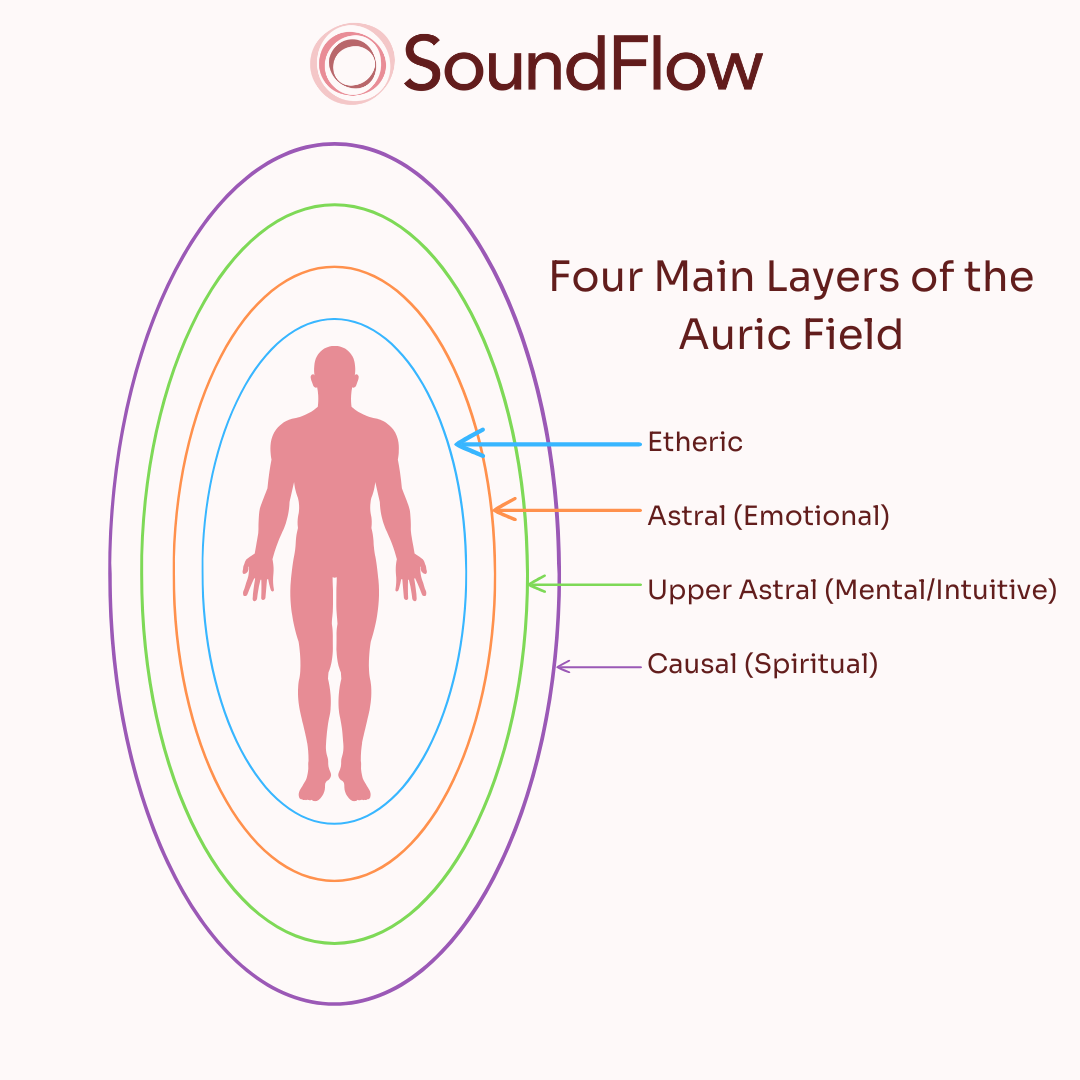
The concept of an aura stems from ancient philosophical and spiritual traditions, most notably the Vedic concept of the pranamaya kosha or energy body. In these traditions, the human body is viewed as more than its physical matter; it is sustained by prana, or life force, which circulates through the body in channels known as nadis. An aura is considered the externalized manifestation of this internal energy flow.
When practitioners discuss what an aura reveals about the body, they are referring to the subtle indicators of internal health. According to these frameworks, the aura functions as a biological archive. If an individual experiences prolonged physical fatigue, poor nutrition, or chronic mental distress, the theory suggests these stressors manifest as "dullness" or "discoloration" within the auric field long before they manifest as acute symptoms in the physical body.
Interpreting Color and Density as Health Indicators
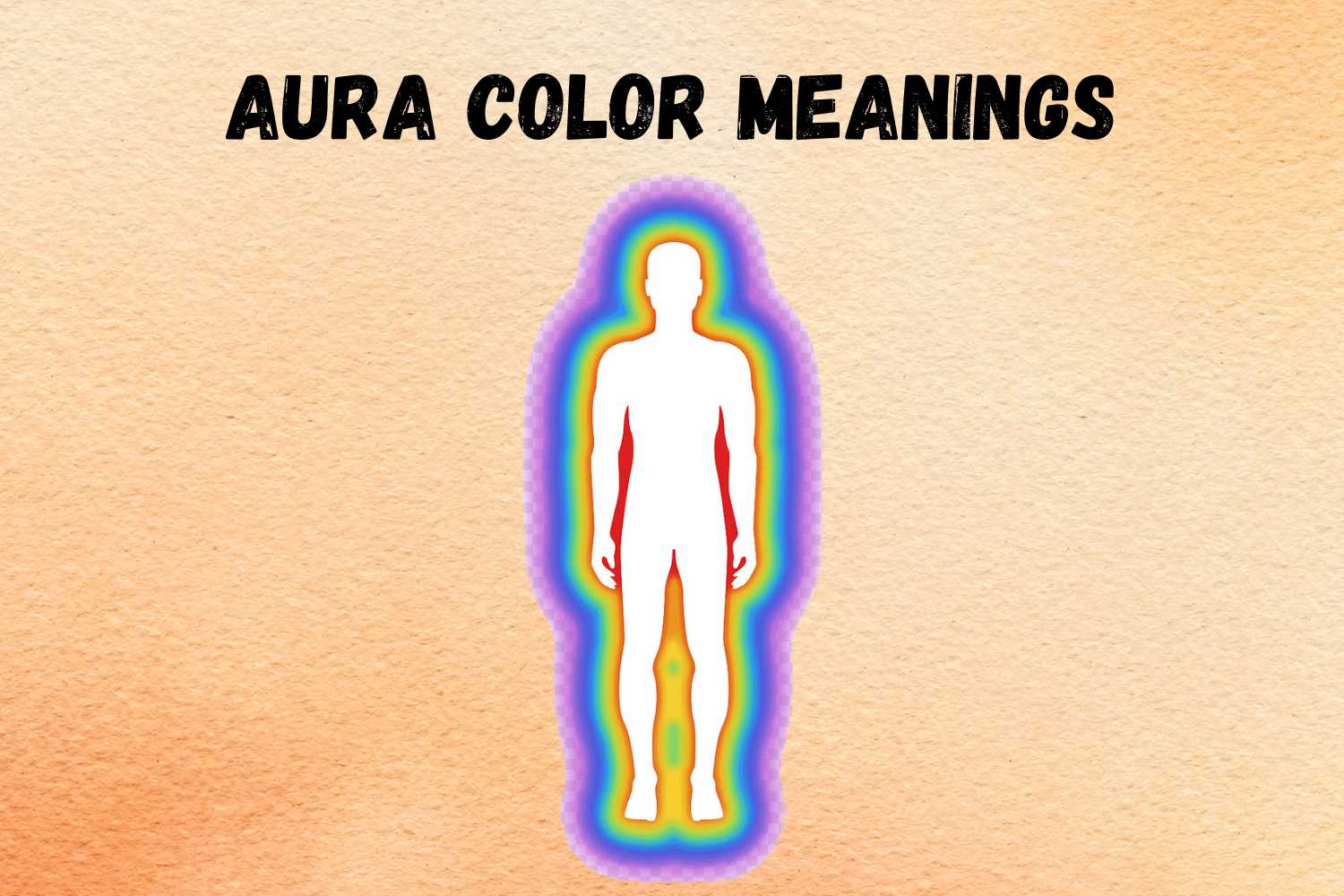
Practitioners who specialize in energy reading often categorize auric states by color, density, and clarity. While interpretations vary across traditions, the following patterns are frequently cited as indicators of the body's status:
- Clarity and Radiance: A clear, bright, and expansive aura is typically associated with high physical vitality and emotional regulation. This state implies that the individual’s metabolic processes are balanced and that they are experiencing minimal psychosomatic stress.
- Dullness or Muddy Tones: Colors that appear murky, grey, or brown are often interpreted as signs of stagnant energy. In a physiological context, this is frequently linked by practitioners to systemic inflammation, poor circulation, or the presence of chronic toxins within the body.
- Asymmetry: If the auric field is observed to be significantly thinner on one side of the body, energy workers often correlate this with specific localized physical weakness or a lack of flow in the corresponding limb or organ system.
The Interplay Between Psychosomatic Stress and Energetic Fields
Modern interest in the aura often intersects with the study of the mind-body connection. The medical community acknowledges that psychological stress triggers cortisol production and systemic inflammation, which can affect everything from heart rate variability to immune function.
Proponents of aura observation suggest that the aura is the first point of disturbance in this cascade. For example, anxiety is often described as manifesting as jagged, frantic energy patterns near the head and chest. By addressing these patterns through meditation, breathwork, or therapeutic intervention, proponents argue that one can mitigate physical symptoms before they consolidate into chronic illness. This aligns with the preventative health focus prevalent in holistic wellness sectors in 2026.
Comparative Framework: Energetic vs. Clinical Indicators
To understand how practitioners "read" the body through the aura, it is helpful to compare the two methods of assessment.
| Assessment Feature | Auric/Energy Perspective | Clinical/Medical Perspective |
|---|---|---|
| Primary Focus | Vibrational frequency and flow | Biomarkers, anatomy, and pathology |
| Data Collection | Intuitive observation and "scans" | Lab tests, imaging, and physical exams |
| Goal | Preventive balance and harmony | Diagnosis and treatment of disease |
| Status of Evidence | Subjective/Metaphysical | Objectively measurable/Peer-reviewed |
This comparison highlights that aura observation is a qualitative, subjective practice. It does not replace the necessity of diagnostic medical testing, which relies on empirical data such as blood panels, X-rays, or physiological scans.
Common Misconceptions and Ethical Boundaries
It is a common error to treat aura reading as a medical diagnosis. Because the practice relies entirely on the observer's subjective experience, it is prone to cognitive bias. There is no standard, falsifiable methodology for verifying the content of an aura.
Furthermore, relying on energy assessment to the exclusion of professional medical care can lead to significant health risks. If an individual experiences physical pain or systemic illness, they must consult a licensed medical professional. In 2026, the standard of care for any persistent health concern involves evidence-based diagnostic procedures. Aura observation should strictly be treated as a complementary or meditative practice aimed at promoting subjective well-being rather than a tool for clinical diagnosis.
Practical Application: Maintaining Energetic Balance
If an individual chooses to monitor their "energetic health" as a form of self-care, the focus is generally on activities that promote homeostasis and stress reduction. These practices are designed to foster the "clarity" described in the tradition:
- Mindfulness and Breathwork: Techniques such as diaphragmatic breathing are thought to stabilize the aura by regulating the autonomic nervous system.
- Physical Maintenance: Proper sleep, hydration, and nutrition are cited as the core requirements for maintaining a "vibrant" auric field, as they provide the raw materials for physical and energetic stability.
- Stress Management: Engaging in activities that reduce the internal "noise" of anxiety is believed to prevent the appearance of "jagged" or "frantic" auric energy.
Frequently Asked Questions
Can scientific instruments measure the human aura? No, there is no peer-reviewed scientific evidence that an "aura" in the spiritual sense exists as a physical field that can be measured by current laboratory equipment. While Kirlian photography captures electrical corona discharges, it is a physical phenomenon unrelated to spiritual health.
Does an aura change throughout the day? According to energy practitioners, the aura is highly dynamic and changes based on mood, physical health, and environment. Just as heart rate fluctuates, the state of the energy field is viewed as a reflection of your current, immediate status.
Can aura readings detect serious illnesses like cancer? No. Aura reading is not a diagnostic tool. Using it to identify or manage serious diseases is dangerous and not supported by any medical evidence. Always rely on licensed physicians for health screenings and treatment.
Are there specific colors that indicate good health? In many traditions, bright, clean colors—such as clear blues, greens, or golds—are associated with vitality and emotional clarity. Darker or "muddy" colors are associated with low energy or distress. However, these are symbolic interpretations, not medical facts.
How can I learn to see auras? Many practitioners suggest that seeing auras is a skill developed through focused observation and meditation. This usually involves staring at the periphery of a person against a neutral background to allow the eyes to adjust to subtle shifts in light, though results remain subjective.
Next Steps for Personal Wellness
If you are exploring the concept of spiritual auras as a way to enhance your self-awareness, the most practical approach is to treat it as a tool for personal reflection rather than a medical assessment.
Begin by tracking your daily physical energy levels alongside your mood. Note when you feel "out of balance" and observe how this correlates with your diet, sleep hygiene, and stress levels. If you feel unwell, prioritize a visit to a primary care provider to ensure your physical health needs are addressed by qualified professionals. Integrating spiritual practices for peace of mind can be a powerful complement to a healthy lifestyle, provided it remains grounded in the reality of your physical requirements.
Image Gallery