How to Get a California State License for Life Insurance
To obtain a life insurance license in California, you must complete 32 hours of state-approved pre-licensing education (20 hours of life insurance concepts and 12 hours of ethics and code), pass the qualifying exam administered by PSI,...
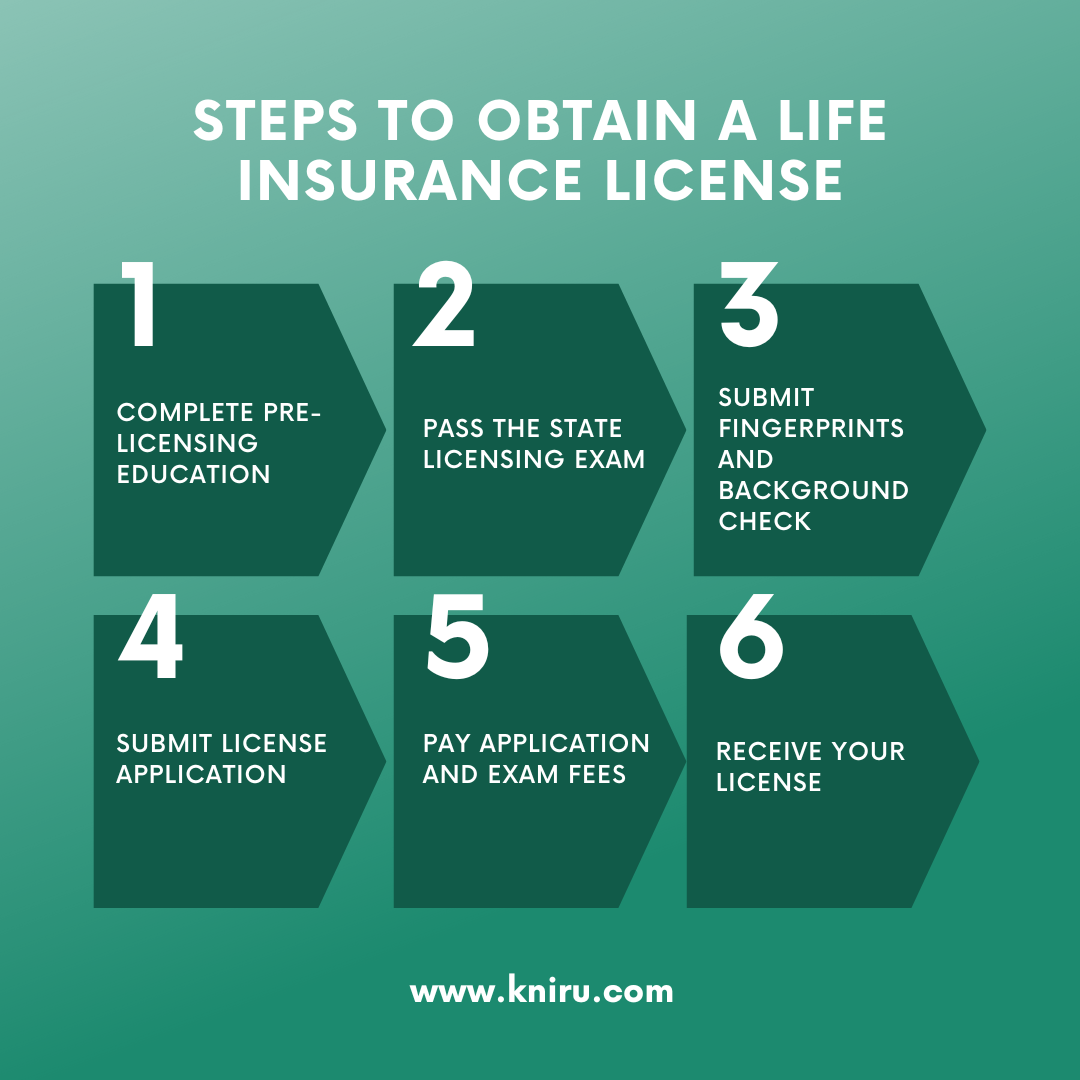
To obtain a life insurance license in California, you must complete 32 hours of state-approved pre-licensing education (20 hours of life insurance concepts and 12 hours of ethics and code), pass the qualifying exam administered by PSI, submit fingerprints for a background check, and file a formal application through the California Department of Insurance (CDI).
Contents
Becoming a licensed life insurance agent in California requires navigating one of the most rigorous regulatory environments in the United States. As of 2026, the California Department of Insurance (CDI) maintains strict standards to ensure that all practitioners are technically proficient and ethically sound. This guide provides a comprehensive roadmap for prospective agents to meet these requirements efficiently.
Understanding the California Life Insurance License Types
Before beginning the process, it is essential to distinguish between the different types of licenses available. In California, the "Life-Only Agent" license is the primary credential for those intending to sell life insurance and fixed annuities.
Life-Only Agent vs. Accident and Health
The Life-Only Agent license authorizes an individual to transact insurance coverage on human lives, including benefits of endowment and annuities, and may include benefits in the event of death or dismemberment by accident.
Conversely, many professionals choose to pursue a dual license: Life and Accident & Health. This requires additional education (40 hours of content plus 12 hours of ethics) but allows the agent to sell disability, medical, and long-term care products. For the purpose of this guide, we will focus on the specific path for the Life-Only designation, which remains the foundational requirement for the life insurance sector.
Funeral and Burial Expenses Niche
There is also a limited license specifically for "Life-Limited to the Payment of Funeral and Burial Expenses." This is a subset of the life license often held by mortuary employees. While the process is similar, the scope of practice is significantly narrower, and the education requirements are reduced to 16 hours.
Step 1: Complete Pre-Licensing Education
California law requires that all first-time residents seeking an insurance license complete a mandatory pre-licensing course. As of 2026, the requirements for the Life-Only license are divided into two distinct modules.
The 20-Hour Life Course
This module covers the technical aspects of life insurance. Topics include:
- Types of Policies: Term life, whole life, universal life, and variable products.
- Policy Provisions: Beneficiary designations, non-forfeiture options, and policy loans.
- Annuities: The mechanics of fixed, indexed, and variable annuities.
- Taxation: Federal and state tax treatment of premiums and death benefits.
The 12-Hour Ethics and California Insurance Code Course
California places a heavy emphasis on consumer protection. Regardless of how many different insurance licenses you seek, you only need to take this 12-hour "Ethics and Code" course once. It covers:
- California Insurance Code (CIC): Specific state laws governing agent conduct.
- Unfair Trade Practices: Prohibited behaviors like twisting, churning, and misrepresentation.
- Agent Responsibility: Fiduciary duties and the requirement for "full and fair disclosure."
It is vital to use a provider approved by the California Department of Insurance. Upon completion, the provider will issue a Certificate of Completion, which is valid for three years. You do not need to mail this to the CDI; the provider typically uploads the credits electronically, but you must keep the certificate for your records.
Step 2: Schedule and Pass the State Examination
Once your education is complete, you must pass the California Life-Only Agent examination. The CDI currently contracts with PSI Services LLC to proctor these exams.
Registering for the Exam
You can schedule your exam online through the PSI website or by phone. In 2026, candidates have the option to take the exam at a physical PSI testing center located throughout California or via a remotely proctored online platform. Remote testing requires a stable internet connection, a webcam, and a private room free of distractions.
Exam Structure and Content
The Life-Only exam typically consists of 75 to 100 multiple-choice questions. You are generally given 90 to 120 minutes to complete it. The questions are weighted based on the complexity of the topic:
- General Insurance: 10–15%
- Life Insurance Basics: 20–25%
- Policy Types and Riders: 30–35%
- California Laws and Regulations: 25–30%
A passing score in California is 60%. Upon completion of the exam at a testing center, you will receive your results immediately. If you test remotely, results are usually posted to your candidate portal within 24 hours.
Step 3: Fingerprinting and Background Check
California requires a background check for all insurance license applicants. This is handled through a process called Live Scan, which captures digital fingerprints and transmits them to the California Department of Justice (DOJ) and the Federal Bureau of Investigation (FBI).
The Live Scan Process
You should complete your fingerprinting as close to your application date as possible. You must use the "Request for Live Scan Service" form (BCIA 8016) provided by the CDI. Fingerprinting can be done at various authorized locations, including some PSI testing centers, UPS stores, and local law enforcement agencies.
Disclosure Requirements
When applying, you must disclose any criminal history, including misdemeanors and felonies. The CDI reviews these on a case-by-case basis. Failure to disclose a past incident—even if it was expunged—is often grounds for immediate denial of the license due to "lack of integrity."
Step 4: Submit the Formal License Application
With your exam passed and fingerprints submitted, you must officially apply for the license through the CDI’s online portal, Sircon, or via the National Insurance Producer Registry (NIPR).
The application asks for:
- Personal Information: Legal name, address, and Social Security Number.
- Employment History: Usually for the past five years.
- Background Questions: Detailed questions regarding legal history, bankruptcies, or disciplinary actions by other regulatory bodies.
- License Fees: These must be paid at the time of submission via credit card or electronic check.
Summary of Costs and Requirements (2026 Estimates)
| Requirement | Estimated Cost | Details |
|---|---|---|
| Pre-licensing Education | $150 – $300 | Varies by provider (Online vs. In-person) |
| State Exam Fee | $50 – $100 | Payable to PSI Services |
| Fingerprinting (Live Scan) | $60 – $90 | Includes DOJ and FBI processing fees |
| License Application Fee | $188 | Paid to California Department of Insurance |
| Total Estimated Initial Cost | $448 – $678 | Does not include company-specific training |
Post-Licensing: Maintenance and Renewals
Obtaining the license is only the first step. To keep it active, California agents must adhere to ongoing requirements.
Continuing Education (CE)
California requires 24 hours of Continuing Education every two-year license term. At least 3 of these hours must be dedicated to Ethics. If you sell specialized products like annuities or long-term care insurance, specific "training" hours are required as part of your total 24-hour requirement.
License Renewal
Licenses must be renewed every two years by the end of your birth month. The renewal fee is approximately $188 (as of 2026). If you fail to renew on time, you may be subject to late fees, and your authority to transact insurance will be suspended immediately.
Mandatory Disclosures
Agents are required to notify the CDI within 30 days of any change in their background, such as a new criminal conviction or a change in business address. California is proactive in auditing these changes to maintain the integrity of the insurance market.
Common Mistakes to Avoid
- Skipping the Ethics Study: Many applicants focus entirely on policy types and neglect the California Insurance Code. The Code questions are often the most difficult because they involve specific legal nuances and timelines.
- Inaccurate Fingerprinting Forms: Ensure the "ORI" (Originating Agency Identifier) code on your Live Scan form is correct for the CDI. If the fingerprints are sent to the wrong state agency, you will have to pay for the service again.
- Wait Times: Do not wait to apply until months after passing the exam. While your exam results are valid for one year, the CDI's processing times can fluctuate. It is best to submit the application the same week you pass the exam.
Frequently Asked Questions
Can I get a California life insurance license if I have a felony?
It depends on the nature of the crime and how much time has passed. The CDI reviews every application individually. Crimes involving fraud, embezzlement, or breach of fiduciary duty are the most likely to result in a denial. California law also includes "Section 1033" of the Violent Crime Control and Law Enforcement Act, which may require a special "1033 Consent" waiver for certain federal offenses.
How long does the entire licensing process take?
Typically, the process takes 4 to 6 weeks. This includes roughly two weeks for pre-licensing education, one week for scheduling and taking the exam, and one to three weeks for the CDI to process the background check and application.
Is the California life insurance exam difficult?
The exam is considered moderately difficult compared to other states because of California’s unique and extensive Insurance Code. Success generally requires a dedicated study period of at least 40 to 60 hours total, including the mandatory 32 hours of coursework.
Do I need a sponsor or an insurance company to get a license?
No. You can apply for and receive a "Life-Only" license in California as an individual without being affiliated with an insurance company. However, before you can actually sell a policy, an insurance company must file a "Notice of Appointment" with the CDI on your behalf.
Can I use my license from another state?
If you are moving to California, you may qualify for a "non-resident" license or a "resident" license via reciprocity. However, you will still likely need to complete the 12-hour Ethics and California Insurance Code course, as state-specific laws vary significantly.
Final Recommendation for New Applicants
If you are just beginning your journey, the most effective strategy is to enroll in an online pre-licensing program that includes a "Pass Guarantee." These programs are designed to mirror the actual PSI exam environment. Once you complete your 32 hours, schedule your exam within 48 to 72 hours while the information is fresh. Simultaneous with your exam preparation, locate a Live Scan vendor to ensure your background check is already in the system when you hit "Submit" on your official application.
Disclaimer: This article is for informational purposes only and does not constitute legal or professional financial advice. Insurance regulations and fees are subject to change by the California Department of Insurance. Always verify current requirements on the official CDI website.
Image Gallery