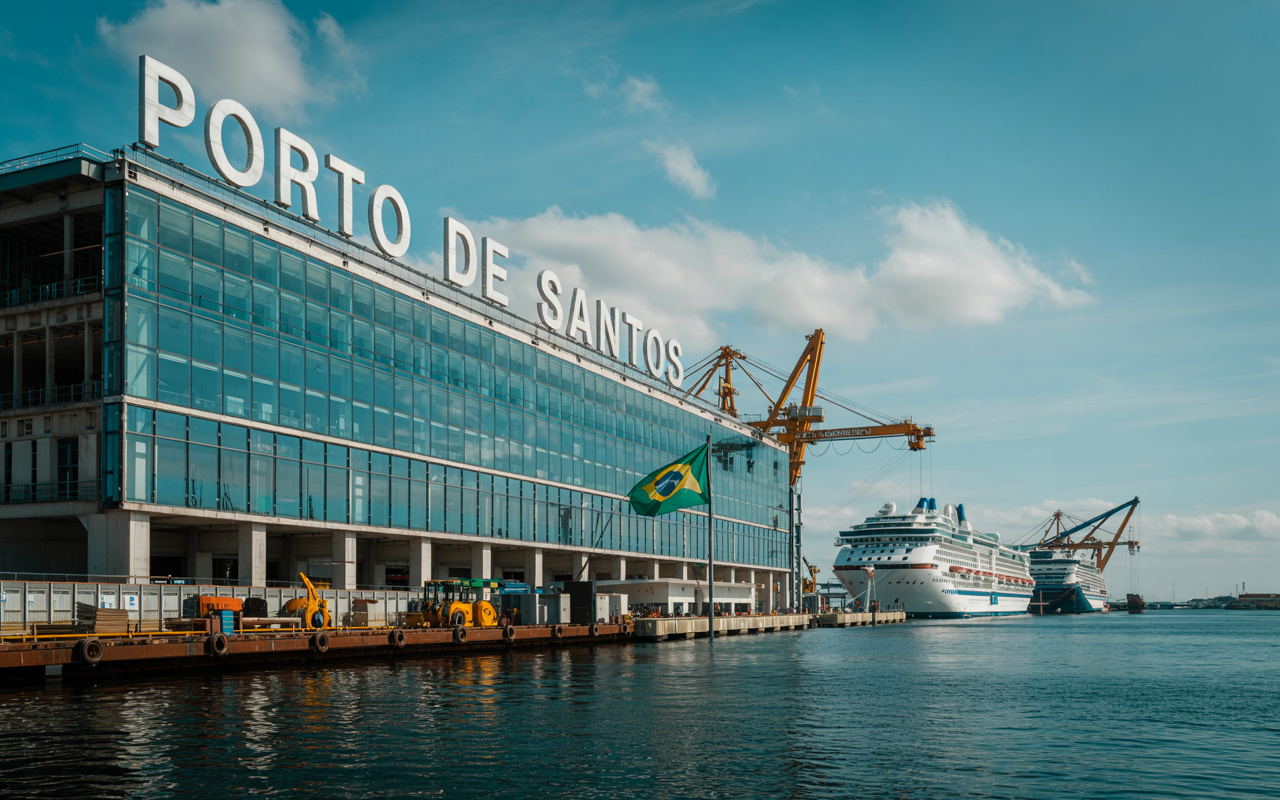
City of Santos: A Thriving Port with Quiet Growth in 2026
The City of Santos serves as the definitive maritime gateway for South America, anchoring the Brazilian economy through the Western Hemisphere's most significant port operations. In 2026, Santos exemplifies a "quiet growth" model, char...
The City of Santos serves as the definitive maritime gateway for South America, anchoring the Brazilian economy through the Western Hemisphere's most significant port operations. In 2026, Santos exemplifies a "quiet growth" model, characterized by steady infrastructure modernization, a resilient real estate market, and a strategic shift toward sustainable "blue economy" initiatives that balance industrial dominance with high-tier urban livability.
Contents
The Strategic Importance of the Port of Santos in 2026
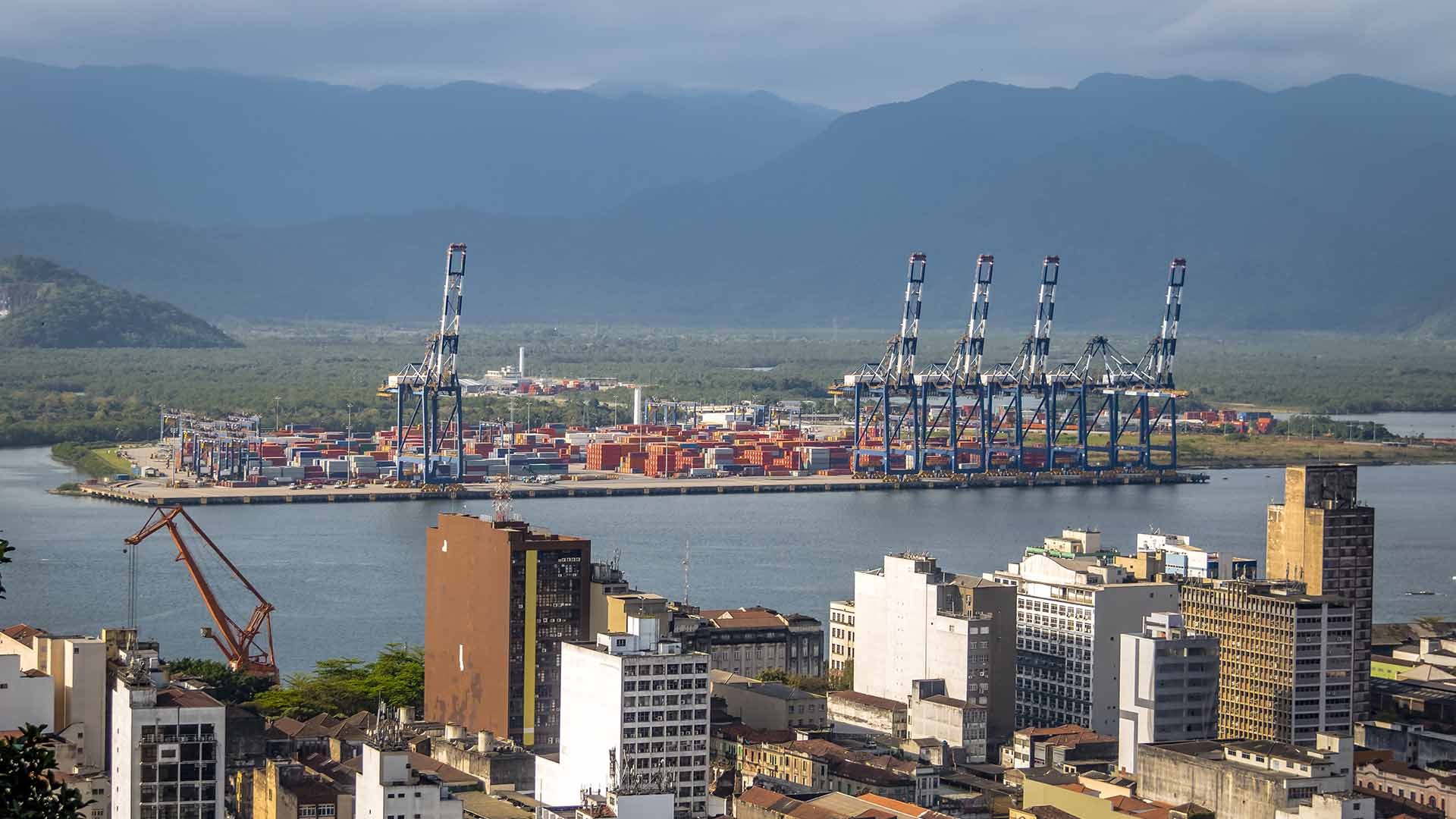
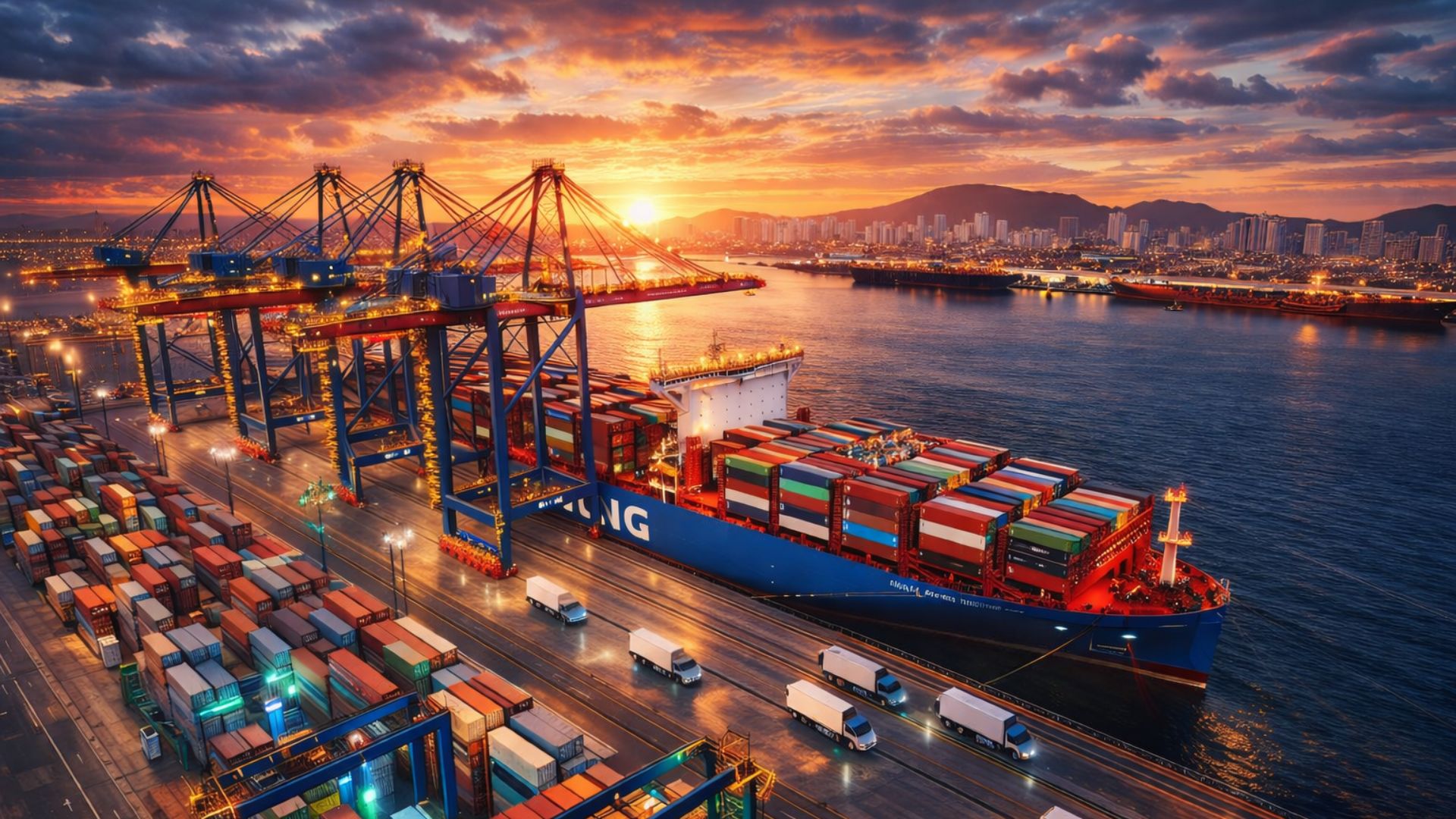
As of 2026, the Port of Santos (Porto de Santos) remains the most critical node in the Latin American supply chain. It handles approximately 28% of Brazil's total trade, bridging the gap between the agricultural heartlands of the interior and global markets in Asia, Europe, and North America. The "quiet growth" mentioned by economists refers to the port's transition from sheer volume expansion to high-efficiency, technology-driven throughput.
The Port Authority of Santos (APS) has successfully implemented several phases of the 2020-2040 Development and Zoning Plan (PDZ). This plan focuses on clustering specialized terminals to reduce internal logistical friction. For instance, the consolidation of liquid bulk in the Alemoa region and fertilizers in the Outeirinhos area has streamlined vessel wait times and improved safety protocols.
Technical modernization has also reached the dredging sector. In 2026, the deepening of the navigation channel to a constant 16 meters allows for the latest generation of New Panamax vessels. This increased draft capacity is essential for maintaining competitiveness against emerging regional ports, ensuring that Santos remains the first port of call for major international shipping lines.
The Santos-Guarujá Tunnel: A Generational Infrastructure Shift
Perhaps the most significant contributor to the city's growth in 2026 is the progress of the Santos-Guarujá submerged tunnel. For decades, the reliance on a ferry system (travessia de balsas) created a bottleneck for both commuters and logistics. The tunnel project, a joint effort between the Federal Government and the State of São Paulo, represents the most ambitious underwater engineering feat in Brazilian history.
This infrastructure does more than just move cars; it integrates the regional labor market. By providing a fixed link, the "quiet growth" of the surrounding areas is accelerated. Workers living in Guarujá can more easily access high-paying jobs in the Santos port terminals or the service sector, while Santos residents benefit from direct access to the industrial zones and beaches of the neighboring island.
The tunnel also serves a technical purpose for the port. By removing the need for ferry traffic to cross the navigation channel, the frequency of vessel maneuvers can increase, effectively raising the port's operational ceiling without expanding its physical footprint.
Real Estate and Urban Revitalization: The "Alegra Centro" Initiative
While the port is the economic engine, the city’s urban core is undergoing a sophisticated transformation. The "Alegra Centro" program, which began years ago, has reached a mature stage in 2026. This initiative provides tax incentives and regulatory easing for the restoration of historic buildings in the Valongo and Centro regions.
Investors are moving away from speculative "boom and bust" cycles, favoring the quiet, long-term appreciation of the Santos historic district. The revitalization of the Valongo station and the expansion of the VLT (Light Rail Transit) have made the city center more accessible and attractive for creative offices, tech startups, and boutique hospitality.
The residential market in neighborhoods like Gonzaga, Boqueirão, and Ponta da Praia continues to command some of the highest prices per square meter in the state of São Paulo. The demand is driven by a unique demographic: retirees seeking high-quality healthcare and a flat urban landscape, and "reverse commuters" who work in the São Paulo metropolitan area but prefer the coastal lifestyle and superior air quality of Santos.
Economic Diversification and the Blue Economy
In 2026, Santos is no longer just a "port city"; it is a hub for the "blue economy"—an economic model that seeks to balance ocean health with economic growth. The presence of the Federal University of São Paulo (UNIFESP) and other research institutions has fostered a cluster of marine biology and oceanography expertise.
This intellectual capital is being funneled into sustainable maritime technology. Startups based in Santos are developing hull-cleaning robotics, ballast water treatment systems, and emission-tracking software that helps shipping companies meet international carbon targets. This sector provides "quiet growth" because it does not require massive land use but generates high-value intellectual property and high-salary employment.
Furthermore, the offshore oil and gas sector, particularly the Pre-Salt operations in the Santos Basin, continues to support a robust secondary service economy. While the primary extraction occurs far offshore, the administrative and logistical support remains anchored in the city, providing a stable floor for the local economy even during global commodity fluctuations.
Comparative Logistics Performance (2024–2026)
To understand the scale of growth in Santos, it is helpful to look at the metrics that define its regional leadership. The following table illustrates the shift in operational efficiency and capacity.
| Metric | 2024 Actual | 2026 Projected/Current | Improvement Driver |
|---|---|---|---|
| Total Cargo Throughput | 173 Million Tons | 189 Million Tons | STS10 Terminal & Deep Dredging |
| Container Movement (TEUs) | 5.0 Million | 5.8 Million | Automation & Terminal Expansion |
| Vessel Wait Time (Avg) | 32 Hours | 24 Hours | VTMIS & Tunnel Integration |
| Cruise Passengers | 800,000 | 950,000 | New Giusfredo Santini Terminal |
| VLT Daily Ridership | 22,000 | 35,000 | Expansion of Line 2 (Centro) |
Quality of Life and Tourism Dynamics
The quiet growth of Santos is perhaps most visible in its public spaces. The city’s beachfront garden, recognized by the Guinness World Records as the largest in the world, remains the centerpiece of local life. In 2026, the city has successfully integrated smart-city technologies—such as ubiquitous public Wi-Fi and AI-monitored security systems—into these recreational areas.
Tourism has shifted toward a "smart and sustainable" model. The Port of Santos is a premier destination for the South American cruise season. However, instead of focusing solely on the volume of visitors, the city has developed "Post-Port" tourism. This includes guided tours of the historic coffee exchange (Museu do Café), the Pelé Museum, and the architectural heritage of the various "Casarões" (mansions) along the beachfront.
Safety and infrastructure remain the city's competitive advantages over other coastal capitals in Brazil. The low topography makes it a "15-minute city" for cyclists and pedestrians, particularly in the coastal neighborhoods. This accessibility is a primary driver for the high quality of life indices that Santos consistently maintains.
Environmental Stewardship and Climate Resilience
Operating a world-class port in a coastal city presents significant environmental challenges, particularly regarding rising sea levels and tropical storms. In 2026, Santos is a leader in coastal resilience. The city has implemented nature-based solutions, such as the restoration of mangroves in the northwestern zone and the reinforcement of sea walls using eco-friendly materials.
The Port of Santos has also moved toward a "Green Port" certification. This includes incentives for ships that use cleaner fuels (like LNG or green ammonia) and the electrification of terminal equipment to reduce the local carbon footprint. These measures ensure that the port’s growth does not come at the expense of the city’s environmental health, maintaining the "quiet" and sustainable nature of its expansion.
FAQ
What makes Santos a "quiet growth" city? "Quiet growth" refers to the city's ability to expand its economic output and infrastructure without the chaotic urban sprawl or extreme social volatility seen in other rapidly developing hubs. It is growth driven by efficiency, technological upgrades, and the revitalization of existing structures rather than unchecked outward expansion.
Is the Santos-Guarujá tunnel open in 2026? As of 2026, the tunnel is in its final stages of construction and commissioning. While some sections may be undergoing final safety checks, the project has already begun to influence real estate prices and logistical planning on both sides of the estuary.
How does the Port of Santos impact the local real estate market? The port provides a stable economic base, ensuring a high concentration of specialized professionals who require high-quality housing. Additionally, the port's transition toward cleaner operations has made living in nearby neighborhoods more attractive, supporting long-term property appreciation.
What is the best way for investors to enter the Santos market in 2026? Investment opportunities are currently strongest in two areas: the revitalization of the Historic Center (Alegra Centro) for commercial/residential mixed-use, and the tech-service sector supporting the "blue economy" and port logistics.
How is the city addressing climate change? Santos uses a combination of rigorous coastal monitoring, sea wall reinforcement, and mangrove preservation. The city's Climate Change Commission works directly with port authorities to ensure that industrial growth aligns with international environmental standards and local flood-mitigation strategies.
Recommendation for Next Actions
For those looking to engage with the City of Santos in 2026, whether for business or relocation, the following steps are recommended:
- Logistical Analysis: Companies should evaluate the new STS10 terminal capabilities and the reduced transit times offered by the deepened 16-meter navigation channel to optimize their South American supply chains.
- Real Estate Diversification: Individual investors should look beyond the beachfront to the Historic Center, where "quiet growth" and government incentives offer significant upside potential for restored properties.
- Sustainability Compliance: Businesses operating within the port ecosystem should align their operations with the "Green Port" standards to take advantage of preferential docking fees and environmental tax credits.
- Visit the Revitalized Center: To understand the city’s soul, a visit to the Valongo region and the Coffee Museum is essential. It showcases how Santos honors its past while building a technologically advanced future.
Image Gallery