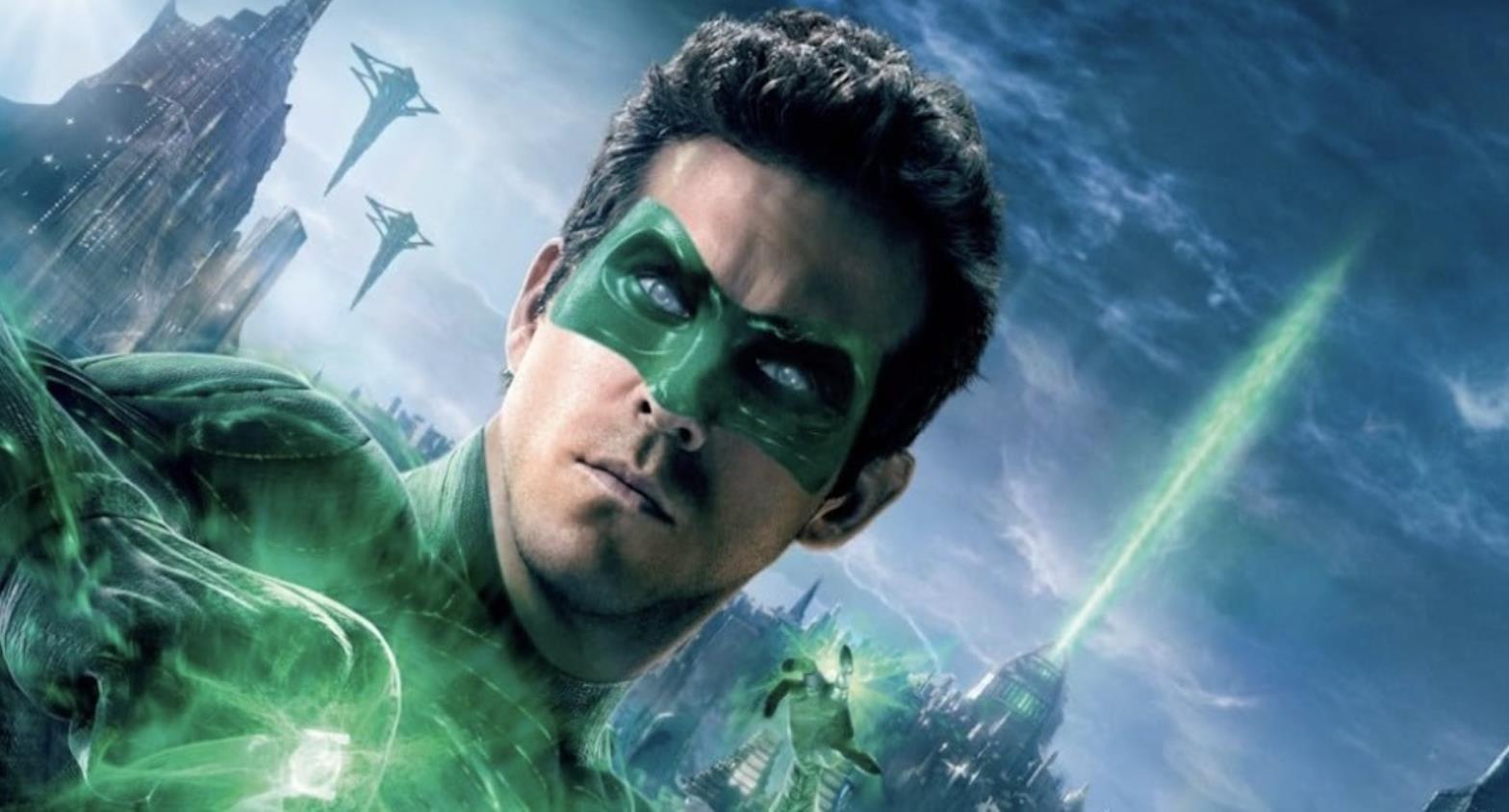
Ryan Reynolds as Green Lantern and the Film's Financial Reality
The 2011 Green Lantern film, starring Ryan Reynolds, remains one of the most cited examples of a high-budget superhero failure, earning only $219.9 million against a combined production and marketing investment exceeding $300 million....
The 2011 Green Lantern film, starring Ryan Reynolds, remains one of the most cited examples of a high-budget superhero failure, earning only $219.9 million against a combined production and marketing investment exceeding $300 million. This substantial financial deficit resulted in a loss of approximately $75 million to $100 million for Warner Bros., effectively halting the planned franchise and altering the trajectory of the DC Extended Universe (DCEU) for years to come.
Contents
The Massive Scale of the Production Investment
To understand the financial reality of Ryan Reynolds' tenure as Hal Jordan, one must first look at the sheer scale of the investment. In 2011, Warner Bros. was looking for a successor to Christopher Nolan’s Dark Knight trilogy—something that could match the burgeoning success of the Marvel Cinematic Universe. They chose Green Lantern, a character with deep lore but lower mainstream recognition than Batman or Superman.
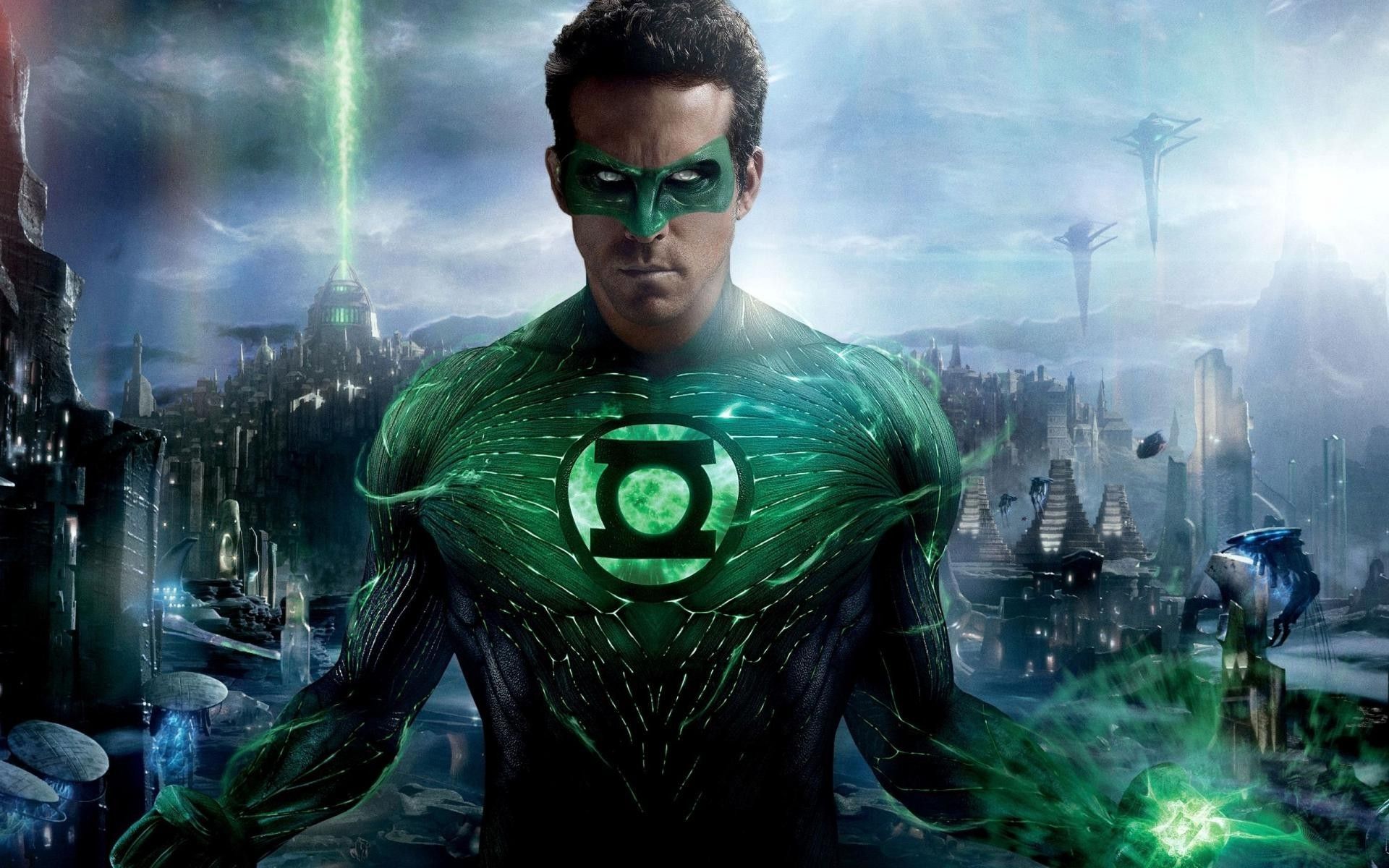
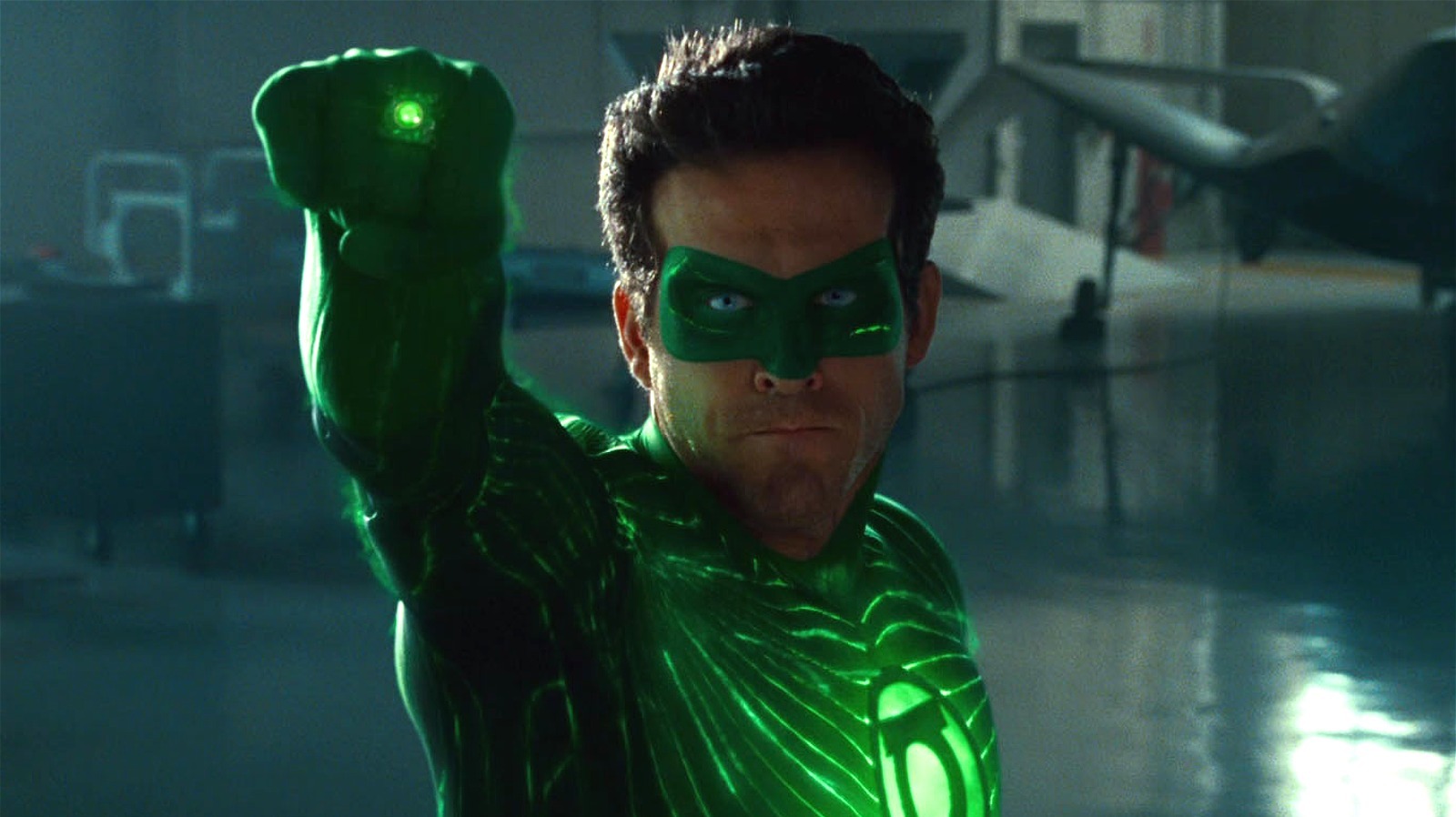
The production budget was officially reported at approximately $200 million. However, industry insiders and trade publications like The Hollywood Reporter often suggested that the costs may have crept higher due to extensive reshoots and the technical complexity of the film. Unlike many superhero films of that era, Green Lantern featured a lead character whose costume was entirely computer-generated. This decision alone required thousands of visual effects shots, significantly inflating the "below-the-line" costs of the production.
Furthermore, the film was helmed by Martin Campbell, a director known for high-stakes action (Casino Royale), but the clash between his practical-effects background and the studio’s demand for a CGI-heavy cosmic epic led to developmental friction. By the time the film reached post-production, the financial stakes were at an all-time high, requiring a massive global box office return just to break even.
The Global Box Office Breakdown
The financial reality of a film is not determined solely by its gross earnings, but by the "theatrical rental"—the portion of ticket sales that the studio actually receives after theaters take their cut. Typically, studios receive about 50% of the domestic (North American) gross and significantly less (often 25% to 40%) from international territories.
| Financial Metric | Estimated Value (USD) | Impact on Studio |
|---|---|---|
| Production Budget | $200,000,000 | Initial capital outlay |
| Marketing & Distribution (P&A) | $100,000,000+ | Global awareness campaign |
| Total Investment | $300,000,000+ | Total risk exposure |
| Domestic Box Office (US/Canada) | $116,601,172 | Studio keeps ~50% ($58M) |
| International Box Office | $103,250,000 | Studio keeps ~35% ($36M) |
| Total Global Gross | $219,851,172 | Estimated Net Loss: $100M+ |
As shown in the table above, the film’s domestic performance was underwhelming, and its international performance was even worse. In 2011, it was rare for a major superhero blockbuster to earn more domestically than internationally, a sign that the brand failed to resonate with global audiences. With a total studio "take" of roughly $94 million from theaters against a $300 million investment, the film was a certified "box office bomb."
Marketing and the Cost of Awareness
A critical component of the financial reality was the Prints and Advertising (P&A) budget. Warner Bros. spent an estimated $100 million to $125 million to market Green Lantern. This included Super Bowl spots, global press tours for Ryan Reynolds and Blake Lively, and massive toy licensing deals with Mattel.
When a film carries a $200 million production tag, the marketing must be aggressive because the "break-even" point is usually 2.5 times the production cost. For Green Lantern, that magic number was approximately $500 million. When the film opened to a soft $53 million domestic weekend, the writing was on the wall. The marketing spend could not overcome the negative word-of-mouth regarding the film's script and the "uncanny valley" look of the CGI suit.
Ryan Reynolds and the "Green Lantern" Stigma
For Ryan Reynolds, the financial failure of Green Lantern was a pivotal moment in his career. At the time, he was being positioned as a premier leading man in the action genre. The film’s failure led to a cooling period for his "bankability" in traditional superhero roles until his eventual redemption with Deadpool in 2016.
Reynolds has been famously candid about the film’s shortcomings. He has frequently joked that he never actually saw the finished movie until years later, and he used the post-credits scene of Deadpool 2 to "travel back in time" and prevent his past self from signing the Green Lantern contract.
The financial reality for Reynolds personally was complex; while the film didn't hurt his immediate earning potential—he was still a highly paid actor—it shifted his brand toward self-deprecating, meta-aware comedy. This shift eventually made him one of the highest-paid actors in Hollywood by 2026, though largely through his own ventures (Aviation Gin, Mint Mobile, and Maximum Effort) and the Deadpool franchise rather than the DC properties.
Artistic Failures That Led to Financial Losses
Financial outcomes are rarely untethered from the quality of the product. Several specific factors contributed to the film's inability to generate "legs" (sustained ticket sales over multiple weeks):
- Script Inconsistency: The film attempted to balance a grounded Earth-based romance with high-concept space opera. Critics felt the two halves didn't mesh, leading to a "B-" CinemaScore, which usually indicates poor longevity.
- Visual Effects Overload: The decision to make the suit CGI was widely mocked. In an era where Iron Man had perfected the blend of practical and digital armor, Green Lantern felt like a step backward in realism.
- Villain Mismanagement: The choice of Parallax—a giant cloud of yellow "fear" energy—as the primary antagonist failed to provide the visceral stakes required for a blockbuster.
- Competition: The summer of 2011 was crowded. Green Lantern had to compete with Thor, Captain America: The First Avenger, and X-Men: First Class. Audiences chose the more cohesive narratives of the MCU over the messy ambition of DC’s offering.
The Long-Term Impact on DC Film Strategy
The financial reality of Green Lantern forced Warner Bros. to pivot. Plans for Green Lantern 2 were immediately scrapped. A post-credits scene featuring Mark Strong’s Sinestro turning to the dark side was left as a dangling plot thread that would never be resolved.
More importantly, the failure of the film made the studio cautious. It led to a "darker and grittier" mandate that influenced Zack Snyder’s Man of Steel (2013). The studio moved away from the colorful, cosmic tone of Green Lantern in favor of the grounded aesthetic established by the Dark Knight trilogy. It wasn't until the 2020s—culminating in the 2026 landscape of the new DC Universe (DCU) under James Gunn—that the "Green Lantern" brand was finally rehabilitated with a focus on terrestrial, detective-style storytelling in the series Lanterns.
FAQ: Understanding the Green Lantern Financial Legacy
Was Green Lantern the biggest box office bomb of all time?
While it was a significant loss, it does not hold the record. Films like John Carter and Disney's Strange World suffered larger raw financial deficits. However, Green Lantern is often cited more frequently because of its impact on the superhero genre and Ryan Reynolds' high-profile career.
Why did the CGI cost so much in 2011?
The technology for a 100% digital costume that moves naturally with a human actor was still in its infancy. Creating the "organic" look of the suit and the constructs of the ring required massive rendering power and thousands of man-hours from visual effects houses like Sony Pictures Imageworks.
How much did Ryan Reynolds get paid for Green Lantern?
While exact contract figures are proprietary, top-tier stars like Reynolds in 2011 typically commanded between $10 million and $15 million for a major franchise starter, plus "backend" points. Given that the film turned no profit, Reynolds likely only received his upfront salary.
Did the film make money through DVD and streaming?
The film eventually recouped some costs through "ancillary" markets, including Blu-ray sales, television licensing, and streaming rights. However, these revenues usually pay off the interest and debt of a project rather than turning a massive theatrical loser into a success.
Is there a "Snyder Cut" equivalent for Green Lantern?
No. Unlike Justice League, there is no evidence of a significantly different version of the film. While many scenes were cut or altered during the difficult production, the version released in theaters was the definitive attempt by the studio to salvage the project.
Final Perspective for 2026
Looking back from 2026, the financial reality of Ryan Reynolds' Green Lantern serves as a cautionary tale about "world-building" before establishing a solid narrative foundation. It proved that a $200 million budget and a charismatic star cannot save a film from a disjointed vision. For fans of the character, the 2011 film is now a historical curiosity—a stepping stone that led to the more disciplined and creatively focused DC projects currently dominating the box office. If you are revisiting the film today, it is best viewed as a piece of superhero history that taught the industry exactly what not to do with a $300 million investment.
Image Gallery