Sarcoma in Children: Understanding Early Cancer Care and Diagnostic Pathways
Pediatric sarcoma care begins with early detection and swift referral to a multidisciplinary oncology center. Recognizing subtle physical changes, such as persistent, unexplained swelling or localized pain, is critical for timely inter...
Pediatric sarcoma care begins with early detection and swift referral to a multidisciplinary oncology center. Recognizing subtle physical changes, such as persistent, unexplained swelling or localized pain, is critical for timely intervention. Effective care involves advanced imaging, biopsy confirmation, and the coordination of specialized pediatric surgeons, oncologists, and radiologists to create an individualized treatment plan.
Contents
Understanding Pediatric Sarcomas
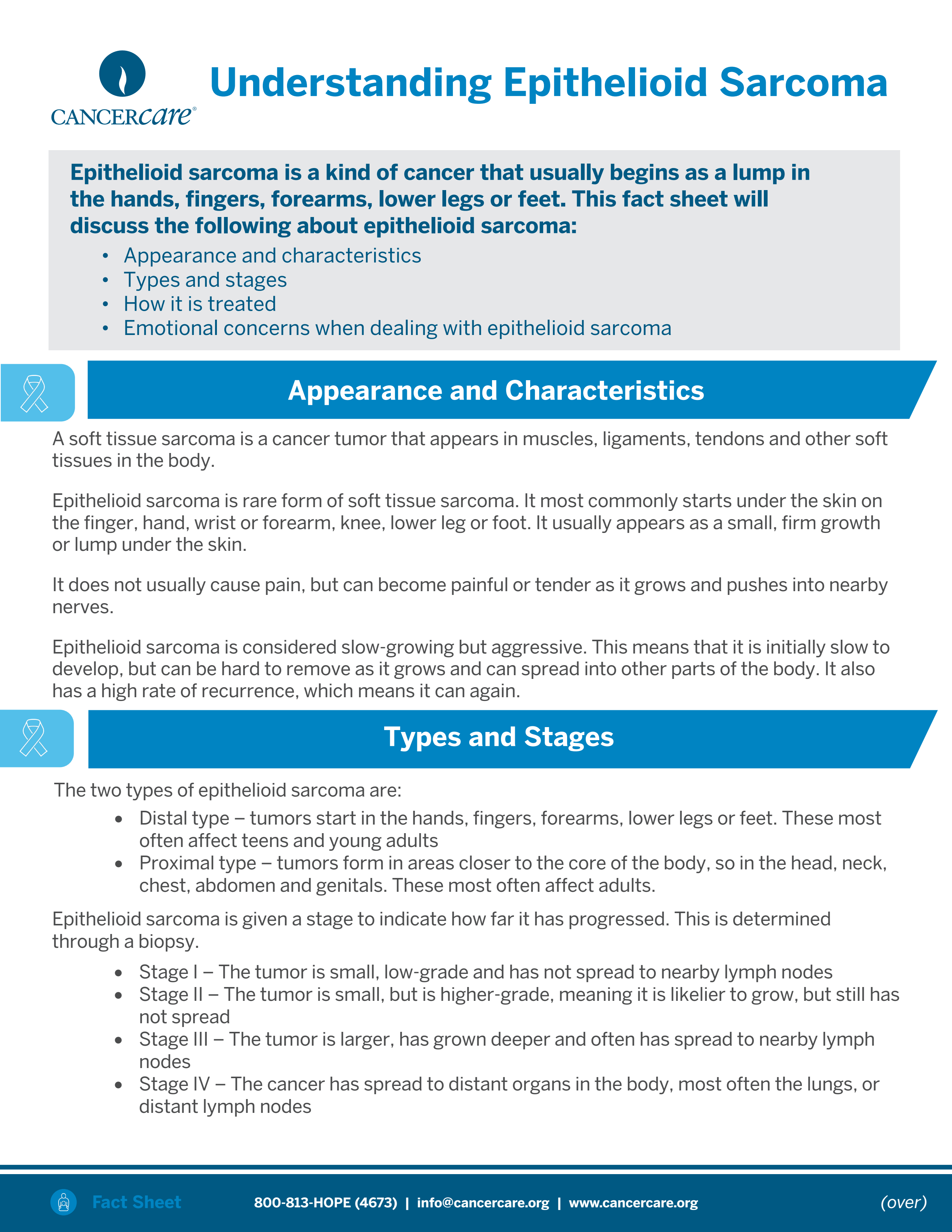
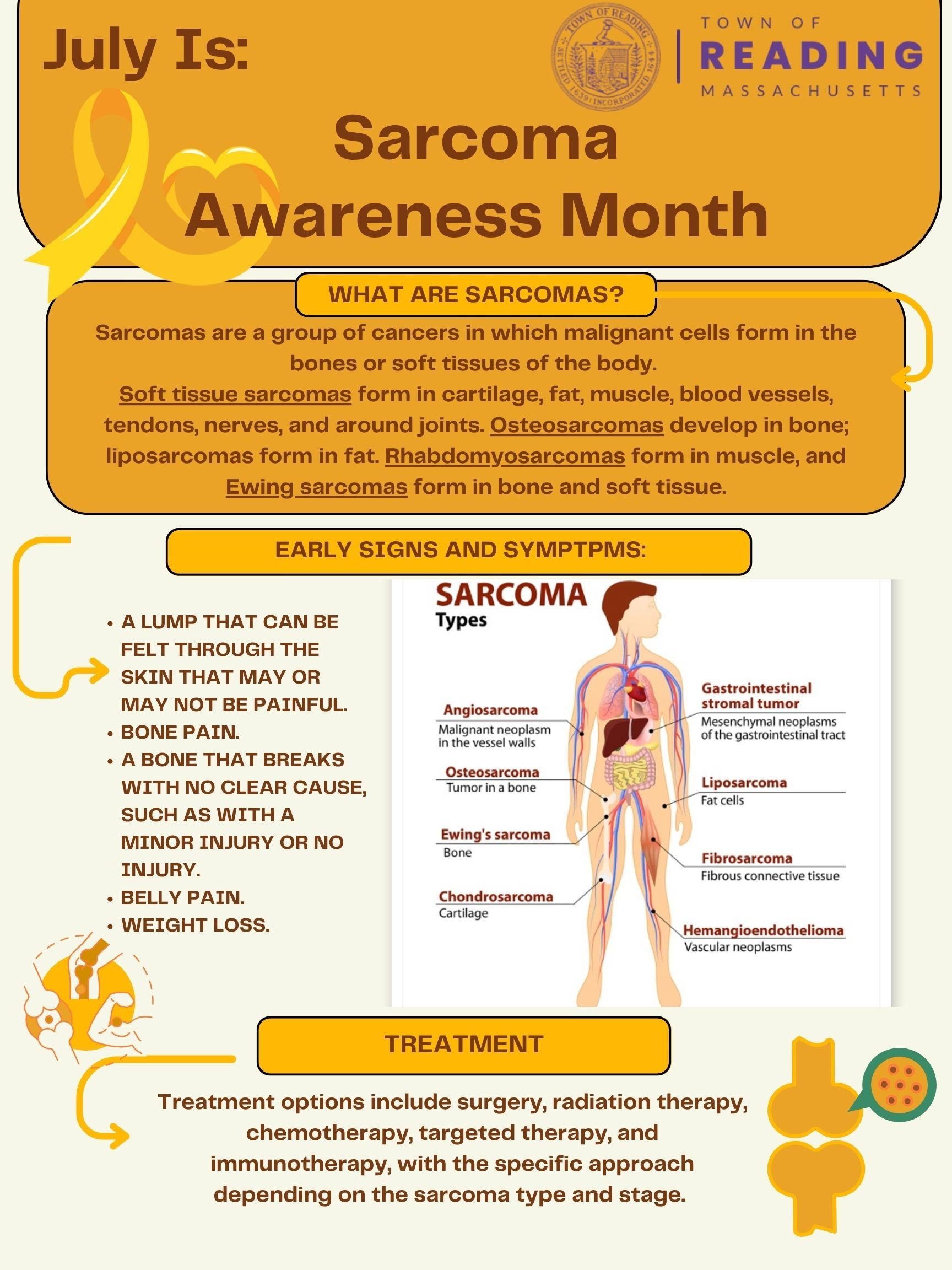
Sarcomas are a diverse group of malignancies that arise in the body’s connective tissues, including bone, muscle, fat, blood vessels, cartilage, and nerves. In children and adolescents, these are generally categorized into two main types: bone sarcomas (such as osteosarcoma and Ewing sarcoma) and soft tissue sarcomas (such as rhabdomyosarcoma).
Unlike carcinomas, which originate in the lining of organs or skin, sarcomas grow within the supportive structural framework of the body. Because these tissues are often deep-seated or located in areas that allow for significant anatomical expansion before symptoms become overtly painful, early detection remains a formidable clinical challenge. Understanding the biological distinction between these types is the first step for parents and caregivers in navigating the healthcare landscape.
Recognizing Early Clinical Indicators
The "early" aspect of cancer care is heavily reliant on symptom recognition. Pediatric sarcomas often present with non-specific symptoms that mimic common childhood injuries, such as sports-related soreness or minor bruises. However, clinicians prioritize certain "red flags" that necessitate professional investigation:
- Persistent Pain: Pain that is worse at night or does not resolve with rest and standard anti-inflammatory treatment.
- Localized Swelling: A firm, often painless mass or a noticeable lump that does not dissipate after a few weeks.
- Functional Impairment: A sudden change in range of motion, limping, or difficulty moving a limb.
- Systemic Symptoms: Unexplained weight loss, recurring fevers, or persistent fatigue, though these are more common in advanced stages.
It is important to note that most childhood lumps and bumps are benign—often cysts, lipomas, or hematomas. However, when a mass is firm, fixed to surrounding tissues, or increasing in size, it warrants a clinical examination by a pediatrician who can order initial imaging.
The Diagnostic Journey: From Primary Care to Specialists
Once a primary care physician identifies a potential concern, the transition to specialized care must be rapid. The diagnostic process is structured to verify the nature of the lesion while staging the extent of the disease.
- Clinical Examination and Imaging: Initial assessment involves physical palpation followed by diagnostic imaging. X-rays, MRIs, and CT scans are the standard tools for visualizing the depth and involvement of the mass relative to bone and surrounding soft tissue.
- Multidisciplinary Review: Pediatric oncology is inherently team-based. The imaging and clinical presentation are reviewed by a multidisciplinary tumor board, which includes pediatric surgeons, pathologists, medical oncologists, and radiation oncologists.
- Biopsy: A biopsy is the definitive step. This involves obtaining a tissue sample, usually through a core-needle procedure or a small surgical incision. It is vital that the biopsy be performed at an institution with expertise in pediatric bone and soft tissue tumors to ensure that the surgical tract does not compromise future limb-salvage surgeries.
Comparative Overview of Diagnostic and Care Procedures
| Procedure | Purpose | When Performed |
|---|---|---|
| Physical Exam | Assess size, mobility, and depth of the mass. | At the first sign of symptoms. |
| Plain Radiograph (X-ray) | Identify bone involvement or calcification. | Initial imaging for suspected bone lesions. |
| MRI/CT Scan | Map anatomical extent and vascular involvement. | For detailed planning post-initial screening. |
| Biopsy | Confirm histology and molecular profile. | After imaging identifies a suspicious mass. |
| Staging Scan (PET/CT) | Check for metastasis to lungs or other areas. | Once malignancy is suspected or confirmed. |
The Role of Specialized Pediatric Centers
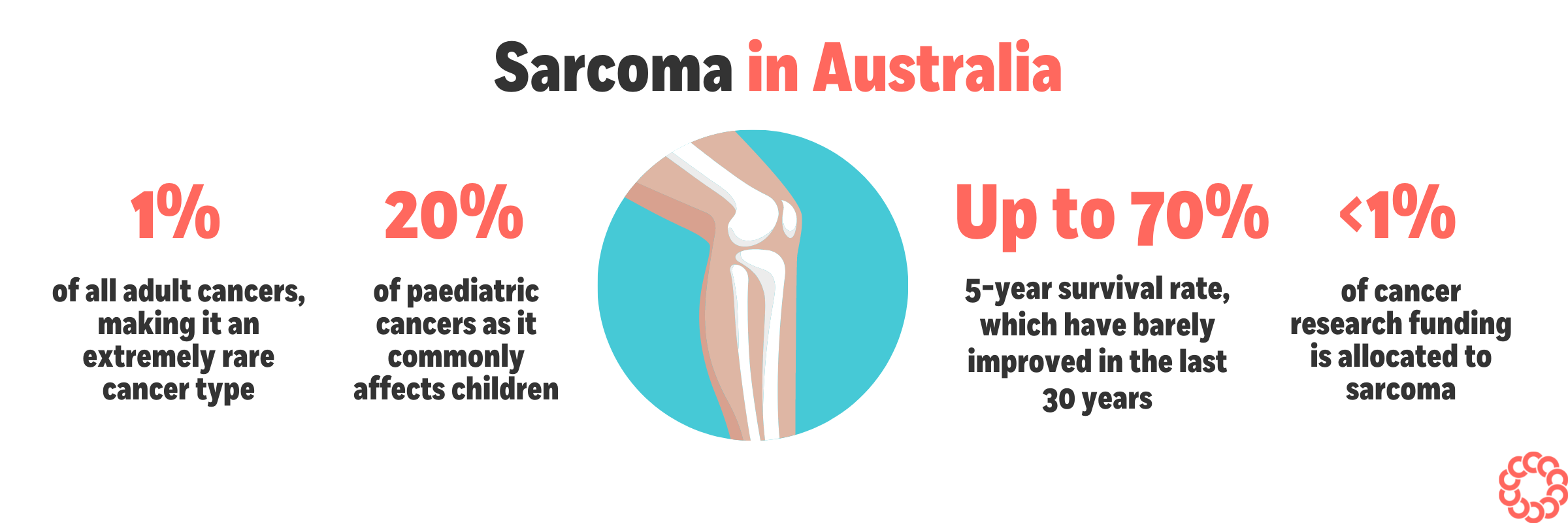
Pediatric sarcomas are rare; therefore, treatment outcomes are statistically better when managed at high-volume pediatric oncology centers. These facilities offer resources that standard community hospitals may not provide, including specialized pediatric surgeons trained in limb-sparing techniques, experienced pediatric anesthesiology, and comprehensive supportive care teams.
Early care includes psychosocial support for the family and the patient. Addressing the mental health and educational needs of a child during treatment is as critical as the oncology protocol itself. Specialized centers typically assign a care coordinator or nurse navigator to help families manage the logistics of appointments, insurance authorizations, and long-term surveillance schedules.
Treatment Modalities and Care Goals
The goal of early intervention is to provide the best possible chance for local control of the tumor while minimizing long-term late effects of treatment. Most pediatric sarcoma protocols combine multiple modalities:
- Surgery: The primary treatment, aimed at complete resection of the tumor with clear margins. In the modern era, surgeons prioritize limb-sparing procedures over amputation whenever possible.
- Chemotherapy: Often used to shrink the tumor prior to surgery (neoadjuvant) and to eliminate micrometastatic disease after surgery (adjuvant).
- Radiation Therapy: Used selectively, particularly in cases where surgical margins are narrow or for tumors that are not fully resectable. Advanced techniques like proton beam therapy are sometimes used to spare healthy, growing tissues from radiation exposure.
Navigating the Challenges of Childhood Cancer Care
Parents frequently encounter anxiety regarding the speed of the diagnosis. It is essential to understand that while speed is important, accuracy is paramount. A rushed biopsy performed incorrectly can complicate later surgical options. Therefore, the "early care" phase should focus on reaching a center of excellence quickly, even if the subsequent diagnostic tests take several days to coordinate.
Financial and administrative hurdles—such as obtaining insurance coverage for specialized scans or traveling to major cancer centers—should be addressed with the hospital’s financial counseling department. Many specialized centers have social workers dedicated to assisting families with the complex administrative requirements of pediatric cancer care.
Frequently Asked Questions
1. Does a sports injury mean my child has a sarcoma? No. Most childhood injuries are benign. However, if an injury site remains swollen or painful for longer than expected, or if there is no history of injury at all, you should see a doctor for an evaluation to rule out a tumor.
2. Why is it important to have a biopsy done at a major cancer center? The placement of a biopsy incision can impact future reconstructive surgeries. An expert surgeon ensures the biopsy is placed in a location that can be completely removed during the final, curative surgery, potentially saving the child’s limb or function.
3. What are the "late effects" of childhood cancer treatment? Late effects refer to health issues that emerge months or years after treatment concludes. These can involve the heart, lungs, or bones. Pediatric oncology centers include long-term follow-up clinics specifically designed to monitor for and manage these potential issues throughout the patient's transition to adulthood.
4. How long does the diagnostic process typically take? Once a patient is referred to a specialized center, the goal is generally to complete imaging and biopsy within one to two weeks. The priority is balancing the need for speed with the necessity of a precise, expert-driven diagnostic plan.
5. What should I ask my child's oncologist at the first meeting? Focus on the specific diagnosis, the staging of the disease, the proposed treatment protocol, and the involvement of other specialists. You should also ask about the availability of clinical trials, which may offer access to newer, highly targeted therapeutic options.
Next Steps for Families
If you suspect your child has a persistent mass or pain, do not delay in consulting a pediatrician. Request a referral to a pediatric orthopedist or a pediatric oncologist if the imaging is concerning. Keep a detailed log of the symptoms, including when they started, whether they have changed, and any factors that seem to alleviate or worsen the pain. Being an organized advocate for your child is the most effective way to ensure they receive timely and appropriate care.
Image Gallery