How Old Was Robin Hood? Examining the Age of the Legendary Outlaw
Robin Hood is typically portrayed as a young, athletic man in his late 20s or early 30s, though historical ballads and cinematic adaptations vary widely. Depending on whether you look at the earliest surviving manuscripts, Victorian re...
Robin Hood is typically portrayed as a young, athletic man in his late 20s or early 30s, though historical ballads and cinematic adaptations vary widely. Depending on whether you look at the earliest surviving manuscripts, Victorian reinventions, or modern Hollywood films, his age ranges from an energetic youth to a seasoned leader of men.
Contents
Examining the age of Robin Hood requires peeling back centuries of folklore, ballad tradition, historical records, and popular culture. Unlike real historical figures whose birth certificates or baptismal records survive in parish registers, Robin Hood exists in the liminal space between myth and history. Because his character evolved over hundreds of years through oral traditions, local legends, and literary adaptations, there is no single, definitive answer to how old he was. To understand his age, one must explore how medieval storytellers, Victorian novelists, and modern filmmakers envisioned the Merry Men's legendary leader.
The Evolution of Robin Hood in Medieval Ballads
The earliest surviving literary references to Robin Hood appear in fourteenth-century works, most notably Piers Plowman (written around 1377), where a character mentions the "rhymes of Robin Hood." However, the earliest complete texts are fifteenth-century ballads, such as A Gest of Robyn Hode. In these early sources, Robin is rarely assigned a precise numerical age, but contextual clues reveal a distinct picture of a mature, seasoned woodsman rather than an impulsive teenager.
In these medieval texts, Robin is already an established outlaw commanding a formidable band of yeomen in Barnsdale and Sherwood Forest. He possesses tactical mastery, political shrewdness, and deep respect for social order, particularly regarding the Virgin Mary and the king. He is often styled as a gentleman outlaw or a yeoman of substance.
Unlike the dashing, youthful swashbucklers of later eras, a medieval yeoman of Robin's standing would typically be a landowner or a freeman in his mid-to-late 30s or 40s—an age when a man had accumulated both life experience and the standing to lead others. He is independent, financially capable of providing for his men, and politically astute enough to navigate complex relationships with corrupt sheriffs and high-ranking clergymen.
Youthful Outlaw vs. Seasoned Leader
As the centuries progressed, the character of Robin Hood underwent significant transformation. The transition from a rugged fifteenth-century yeoman to a polished Renaissance gentleman altered how storytellers perceived his age and social station.
| Era / Medium | Typical Portrayed Age | Social Status | Key Characteristics |
|---|---|---|---|
| 15th-Century Ballads | Mid-30s to Mid-40s | Yeoman / Freeman | Seasoned tactician, devout, established leader |
| 16th-17th Century Plays | Late 20s to Mid-30s | Displaced Earl (Robert of Huntingdon) | Aristocratic roots, romantic lead, chivalric |
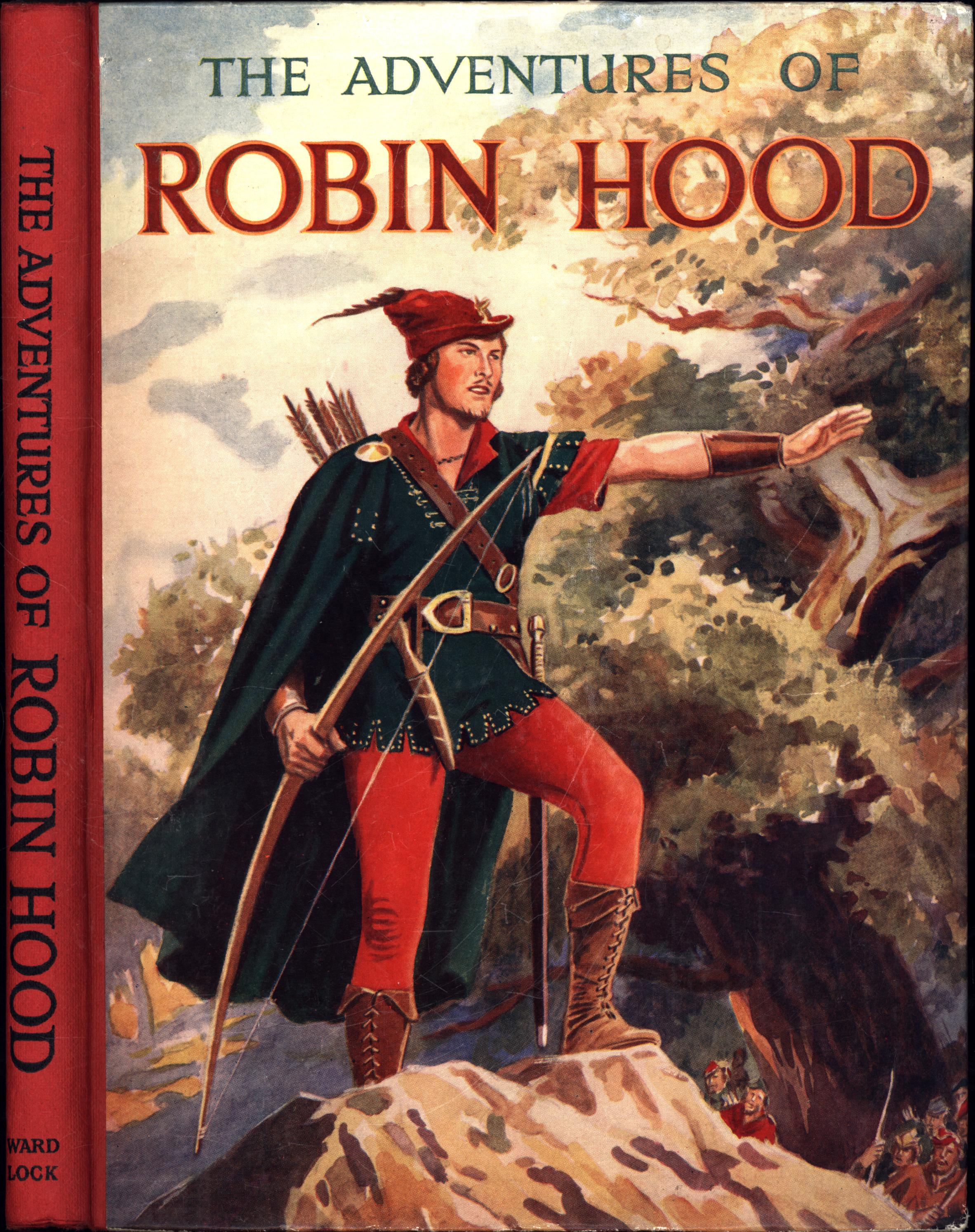
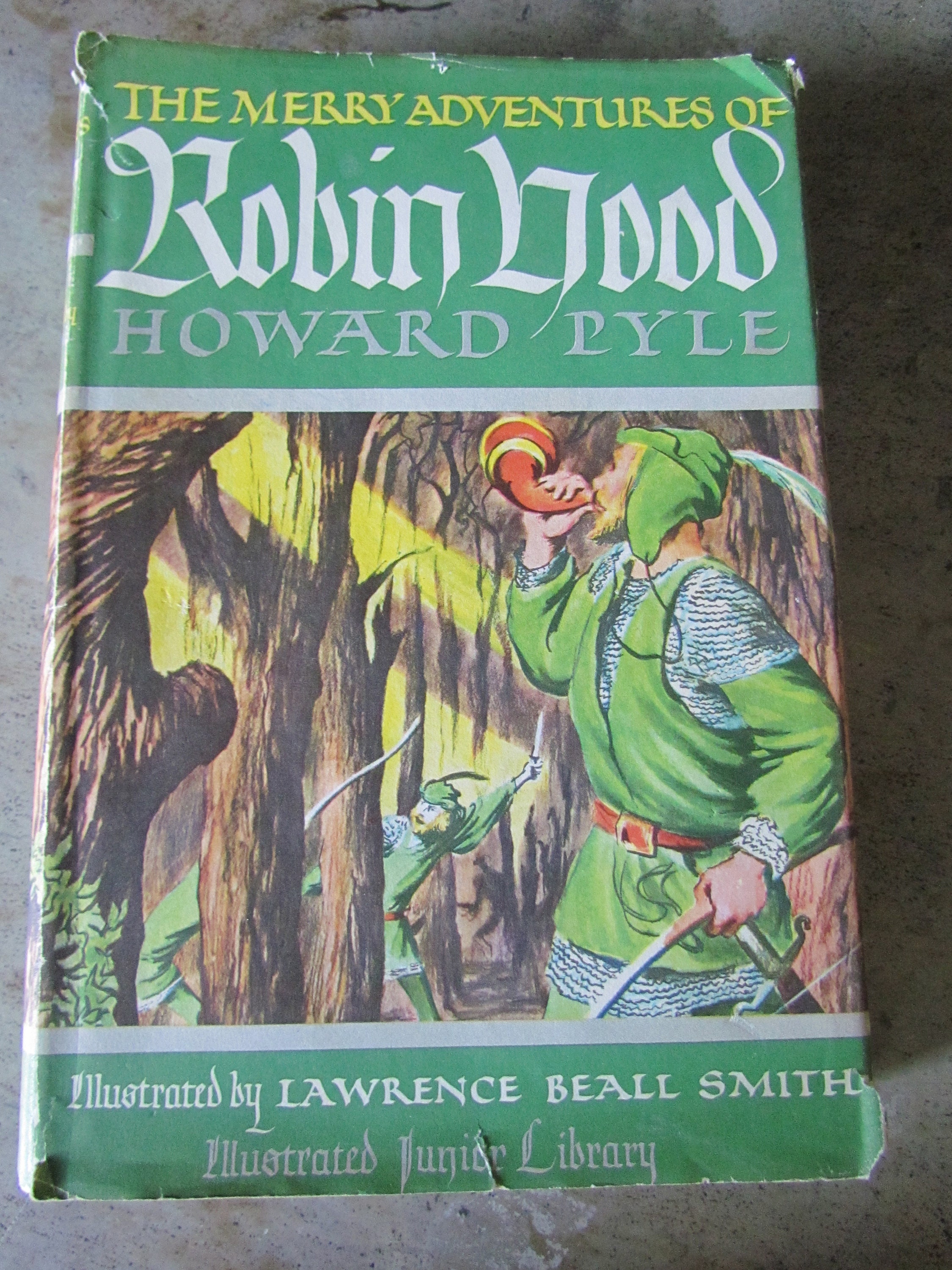
| 19th-Century Novels (e.g., Howard Pyle) | Early 20s | Saxon Youth / Yeoman | Athletic, rebellious, coming-of-age trajectory |
| 20th-21st Century Films | Late 20s to Early 40s | Varying (Veteran or Rebel) | Action hero, experienced crusader, or youthful rebel |
This evolution demonstrates that Robin Hood's age has always been malleable, shaped primarily by the cultural values of the era telling the story. When audiences favored martial prowess and chivalric romance, he was made younger and more aristocratic. When working-class or agrarian audiences championed the ballads, he was depicted as a mature, capable yeoman fighting against oppressive taxation and corrupt authority.
Historical Candidates and Real-Life Counterparts
Historians and amateur researchers have spent centuries attempting to identify a real historical figure behind the legend. If Robin Hood was based on a real person living in medieval England, his age would align with the biographical details of that specific individual. However, scholars generally agree that no single historical person inspired the entire mythos; instead, the legend absorbed names, locations, and traits from multiple historical outlaws.
Several notable historical candidates offer clues regarding the age of men who went by similar aliases:
- Robert Hood of Wakefield (13th Century): Documented in various court rolls, a man named Robert Hood or Robertus Hod operated as a fugitive in Yorkshire during the early 1300s. If this royal servant-turned-outlaw matches the legend, he would have been a middle-aged adult during his years outside the law.
- Robert de Kyme / Various Fugitives: Numerous sixteenth-century chroniclers, such as John Stow and Richard Grafton, attempted to anchor Robin Hood to the reigns of King Richard I and King John (late 12th and early 13th centuries). If he fought in the Third Crusade alongside Richard the Lionheart, he would have been in his 20s during the crusade and his 30s or 40s while leading outlaws in Sherwood.
- The "Robyn Hood" Nickname: Court records from the thirteenth and fourteenth centuries show that "Robin Hood" or "Hobbehod" became a generic legal term for any fugitive or outlaw. Multiple petty criminals adopted the name, meaning individuals bearing the moniker ranged in age from youthful offenders in their late teens to hardened older men.
Because these historical records are sparse and often contradictory, trying to pin down an exact age based on real-world archives remains speculative. The legend transcended any single historical person long before the invention of modern printing.
Cinematic Adaptations and Modern Portrayals
In contemporary media, casting decisions heavily influence how old audiences perceive Robin Hood to be. Film and television adaptations have ranged from casting youthful heartthrobs to battle-hardened veterans, reflecting diverse storytelling goals rather than strict historical adherence.
Notable Film Portrayals and Actor Ages
- Douglas Fairbanks (1922): Fairbanks played Robin Hood as an energetic, athletic acrobat at age 39, relying on physical agility and youthful exuberance.
- Errol Flynn (1938): In The Adventures of Robin Hood, Flynn was just 29 years old. His performance cemented the definitive cinematic image of Robin as a dashing, youthful hero in his late 20s.
- Sean Connery (1976): In Robin and Marian, Connery portrayed an aging, war-weary Robin Hood returning from the Crusades alongside an aging Maid Marian (Audrey Hepburn). Connery was 46 years old, depicting a Robin facing the twilight of his life and career.
- Kevin Costner (1991): Costner was 36 years old in Robin Hood: Prince of Thieves, playing a battle-scarred crusader returning home to find his lands destroyed.
- Russell Crowe (2010): Crowe was 46 years old in Ridley Scott’s gritty historical drama, portraying Robin as a mature archer and veteran of the French campaigns.
These contrasting portrayals highlight that filmmakers adapt Robin Hood's age to fit the narrative arc of the story. A coming-of-age rebellion requires a younger actor, whereas a redemption or veteran's tale calls for a more mature protagonist.
Frequently Asked Questions
Was Robin Hood a real person?
Most historians agree that Robin Hood was not a single historical person. Instead, the character is a composite figure built from centuries of folklore, ballads, and real-world criminal records of outlaws who operated in medieval English forests.
What time period is Robin Hood supposed to have lived in?
Most modern retellings place Robin Hood during the late twelfth century, specifically during the reigns of King Richard I (the Lionheart) and King John. However, early medieval ballads set his adventures during the reigns of various anonymous or fictional monarchs, sometimes placing him in the fourteenth century.
How old is Maid Marian in the stories?
Maid Marian’s age mirrors Robin’s. In early medieval ballads, she was not present; she entered the legend during the sixteenth century through May Day plays and pastoral dramas, where she was typically depicted as a young noblewoman or a shepherdess of marriageable age, roughly matching Robin's youth or early adulthood.
Did Robin Hood grow old and die in the legends?
Yes. According to the traditional ballad Robin Hood's Death, an aging Robin falls ill and seeks medical help from his cousin, the Prioress of Kirklees Priory. Betrayed and bled excessively by the prioress, Robin grows weak, fires a final arrow from his deathbed, and asks to be buried wherever the arrow lands.
Why is Robin Hood usually shown as a young man today?
Popular culture favors youthful protagonists because dynamic action sequences, romantic subplots, and heroic rebellion resonate strongly with younger demographics. Errol Flynn's iconic 1938 performance established a visual standard that subsequent filmmakers frequently emulate.
Conclusion and Next Actions
Robin Hood's age ultimately depends on the specific text, film, or historical theory you examine. While fifteenth-century ballads depict a mature yeoman in his mid-30s or 40s, popular culture most frequently envisions him as a dashing hero in his late 20s. For readers wishing to explore further, examining the original Child Ballads collection provides the most authentic look at the outlaw's medieval origins, while viewing classic films reveals how modern storytelling continues to reinvent his legendary life.
Image Gallery