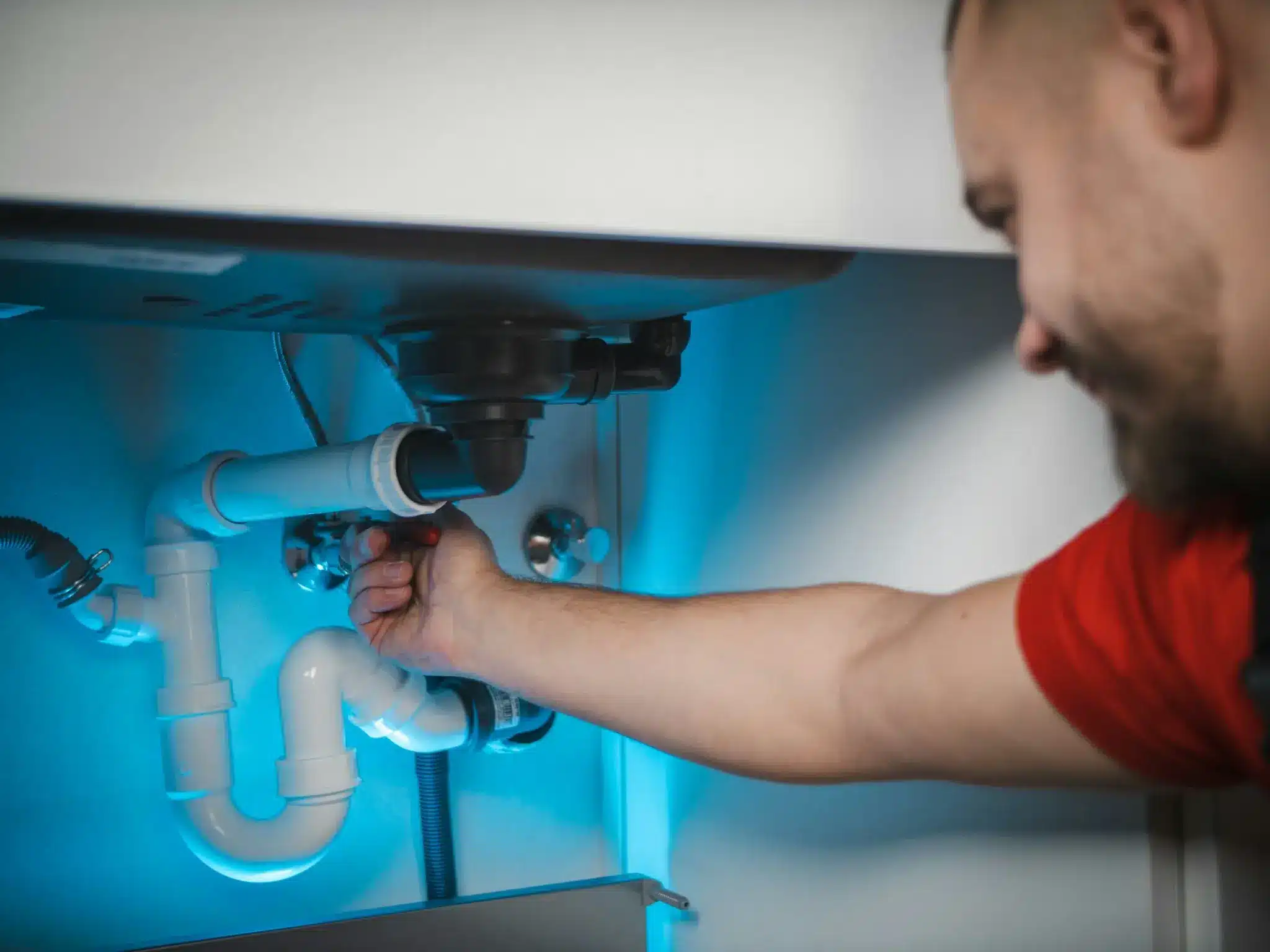
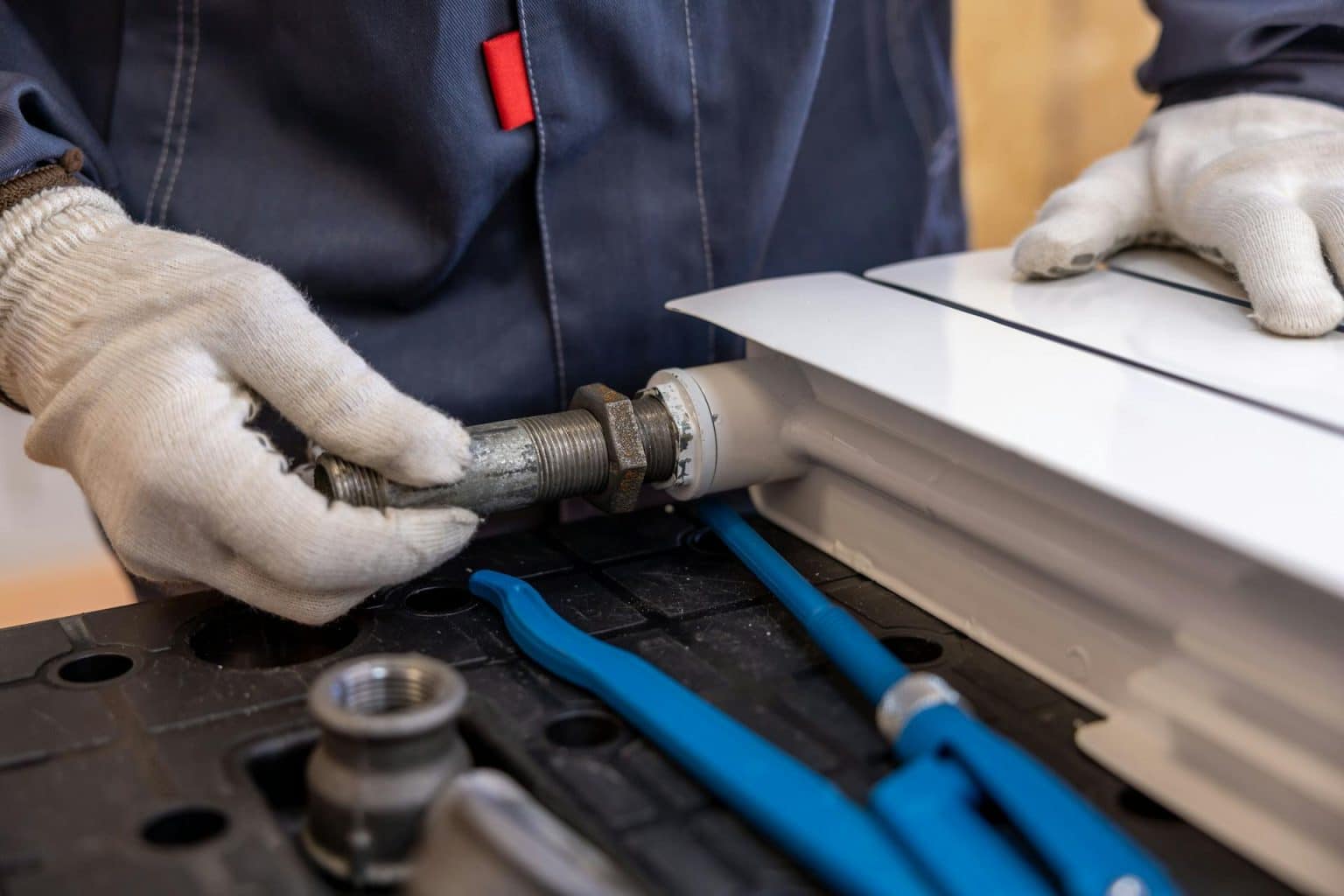
Why Hiring Local Plumbers in Plano Matters
Hiring local plumbers in Plano is essential because they possess specialized knowledge of North Texas expansive clay soil, which frequently causes slab leaks. Local experts ensure compliance with specific Plano municipal building codes...
Hiring local plumbers in Plano is essential because they possess specialized knowledge of North Texas expansive clay soil, which frequently causes slab leaks. Local experts ensure compliance with specific Plano municipal building codes, offer faster emergency response times during North Texas weather extremes, and maintain accountability within the local community for long-term service reliability.
Contents
Plumbing is rarely a thought for the average homeowner until a catastrophe occurs. In a city like Plano, Texas, where the infrastructure ranges from established mid-century neighborhoods to modern developments, the "who" behind your plumbing repair is just as important as the "how." While national franchises and out-of-area contractors may offer competitive pricing, they often lack the hyper-local expertise required to navigate the unique environmental and regulatory landscape of Collin County.
As of 2026, the complexity of residential and commercial plumbing systems continues to evolve, with smart leak detection and high-efficiency filtration becoming the norm. Navigating these advancements requires a technician who is not just skilled in the trade, but intimately familiar with the specific quirks of Plano’s water supply, soil conditions, and municipal requirements.
The "Blackland Prairie" Challenge: Soil and Slab Leaks
One of the most compelling reasons to hire a local Plano plumber involves the very ground beneath the city. Plano is situated on the Blackland Prairie, characterized by high-yield expansive clay soil. This type of soil acts like a sponge; it expands significantly when wet and shrinks drastically during North Texas's frequent droughts.
This constant movement exerts immense pressure on a home’s foundation. Because the vast majority of Plano homes are built on concrete slabs, the plumbing lines are often buried beneath or embedded within that concrete. When the soil shifts, it can cause the slab to crack or move, leading to "slab leaks"—breaks in the water or sewer lines under the house.
A local plumber who specializes in the Plano area understands the "tunneling versus breaking" debate. They know how to diagnose a leak using acoustic equipment or thermal imaging without unnecessarily destroying your flooring. Furthermore, they are familiar with the specific depth requirements and bedding materials (like sand or pea gravel) that help mitigate the effects of shifting soil on new pipe installations. A plumber from a different region may not account for these geological stressors, leading to repairs that fail when the next seasonal shift occurs.
Navigating Plano Municipal Codes and Permitting
Every city has its own set of rules, and Plano is no exception. The City of Plano Building Inspections Department enforces strict codes to ensure safety, sanitation, and structural integrity. Hiring a local plumber ensures that your project—whether it is a water heater replacement or a full repipe—meets these local standards.
The Importance of Local Permits
In Plano, significant plumbing work requires a permit. This includes the installation of water heaters, gas line repairs, and sewer line replacements. Local plumbers have established relationships with the city’s inspectors and understand the administrative workflow. They know exactly what the inspectors are looking for during a final walkthrough, which prevents the frustration of a "failed inspection" that can delay your project or complicate a future home sale.
Specific Code Nuances
Plano has specific requirements regarding thermal expansion tanks on water heaters and the use of specific piping materials. For instance, while certain types of plastic piping might be acceptable in other parts of the country, local temperature fluctuations and water chemistry in North Texas may dictate the preference for PEX or copper. A local expert will ensure your home is not just functional, but legally compliant and safe for its specific environment.
Water Chemistry and the North Texas Municipal Water District
Plano receives its water from the North Texas Municipal Water District (NTMWD). While the water is treated to high safety standards, it is famously "hard," meaning it contains high levels of minerals like calcium and magnesium.
Scaling and Pipe Degradation
Over time, hard water leads to scale buildup inside pipes, faucets, and appliances. Local plumbers in Plano spend a significant portion of their time dealing with the aftermath of mineral deposits. They can provide tailored advice on water softeners or descalers that are specifically calibrated for the grain-per-gallon (GPG) counts found in Plano’s water.
Chlorine and Chloramine Management
Additionally, the NTMWD occasionally performs "chlorine maintenance" or "burns" to maintain water quality. A local plumber knows how these temporary shifts in water chemistry can affect older rubber seals and gaskets in your plumbing fixtures. They can recommend high-grade replacement parts that are more resistant to the chemical levels common in the regional supply.
Rapid Response and Logistical Advantages
Plumbing emergencies, such as a burst pipe during a winter freeze or a backed-up sewer line, require immediate intervention. In the Dallas-Fort Worth metroplex, traffic can be a major barrier to service.
A plumber based in Plano or the immediate surrounding areas (like Frisco, Allen, or Richardson) can navigate local thoroughfares like the Dallas North Tollway, PGBT, and US-75 more efficiently than a technician coming from Tarrant or Denton County. When your kitchen is flooding, the 45-minute difference in travel time can represent thousands of dollars in prevented water damage. Local companies often have their warehouses nearby, meaning they won't have to spend hours driving to a distant supplier to find a specific part for a 1980s-era Plano home.
Comparing Local Plano Plumbers vs. National Franchises
When deciding between a small local shop and a major national chain, homeowners should weigh the depth of local knowledge against brand recognition.
| Feature | Local Plano Plumber | National Franchise |
|---|---|---|
| Soil Knowledge | Expert (Specializes in Blackland Clay) | General (Standard industry training) |
| Response Time | High (Local dispatch) | Variable (Depends on service area) |
| Code Familiarity | Intimate (Works with Plano inspectors daily) | Moderate (Standardized checklists) |
| Accountability | High (Relies on local reputation/Nextdoor) | Moderate (Relies on corporate branding) |
| Pricing | Often lower (Lower overhead) | Often higher (Franchise fees/Marketing) |
| Specialization | Tailored to regional home ages/styles | One-size-fits-all approach |
Economic Impact and Community Accountability
Hiring locally is an investment in the Plano economy. Local plumbing companies employ residents, pay local taxes, and often sponsor community events, from Plano ISD athletics to local festivals.
Beyond the economic benefits, there is the factor of accountability. A local business owner knows that their reputation is their most valuable asset. In the age of online reviews and neighborhood social media groups, a local plumber cannot afford to do a poor job. They are part of the community and are more likely to stand behind their warranties and provide personalized follow-up care. If an issue arises six months after a repair, a local company is much more accessible for a "make-good" visit than a large corporation with a centralized call center.
Verification: How to Vet a Plano Plumber
While hiring locally is a great first step, it is not a substitute for due diligence. In Texas, plumbing is a highly regulated trade.
- Check the License: All plumbers must be licensed by the Texas State Board of Plumbing Examiners (TSBPE). You can use their public search tool to verify that a plumber holds a "Master" or "Journeyman" license and that their "Responsible Master Plumber" (RMP) designation is active.
- Verify Insurance: Ensure the company carries general liability insurance. This protects your property in the event of an accidental fire (from soldering) or significant water damage during a repair.
- Local References: Ask for references from neighborhoods similar to yours. If you live in an older home in Central Plano, you want a plumber who has worked on those specific cast-iron or galvanized pipe systems.
- Look for Specialized Certifications: In 2026, many local plumbers carry additional certifications for smart home integration, such as Moen Flo or Phyn leak detection systems, which are increasingly popular in Plano's high-tech corridor.
Common Plumbing Issues in Plano Neighborhoods
Plano’s development happened in waves, and each "era" of housing has its own common plumbing pitfalls.
- Central and East Plano (1960s-1980s): Many of these homes originally featured cast iron sewer lines. By 2026, these pipes are often reaching the end of their lifespan, suffering from internal corrosion and tree root intrusion. Local plumbers are experts in "trenchless" sewer repair or pipe bursting to fix these without destroying landscaping.
- West Plano (1990s-2000s): These homes often utilize copper piping or early-generation PEX. While generally durable, the high pressure in some Plano water zones can cause "pinhole leaks" in copper if a pressure-reducing valve (PRV) fails.
- Newer Developments (Post-2010): These homes are generally built to modern codes but often feature complex tankless water heater systems that require specialized annual maintenance to descale the heat exchangers due to the hard water mentioned previously.
Frequently Asked Questions
Why is a slab leak more common in Plano than in other cities?
Plano sits on expansive clay soil that expands and contracts with moisture changes. This movement shifts the house foundation, which can snap or crimp the plumbing lines buried beneath the concrete. Local plumbers are specifically trained to identify these leaks using non-invasive technology suited for this geography.
Do I really need a permit for a water heater replacement in Plano?
Yes. The City of Plano requires a permit for water heater installations to ensure the unit is properly vented (to prevent carbon monoxide poisoning) and has the required safety features like temperature and pressure (T&P) relief valves and thermal expansion tanks. A local plumber will handle this process for you.
How does Plano's hard water affect my plumbing?
Hard water contains high mineral content that crystallizes as it is heated, forming "scale." This scale clogs showerheads, reduces the efficiency of water heaters, and can eventually narrow the diameter of your pipes, leading to reduced water pressure. Local plumbers often recommend whole-home filtration or softening systems to combat this.
Can a plumber from Dallas or Fort Worth work in Plano?
Yes, as long as they are licensed by the State of Texas. However, they may not be as familiar with Plano’s specific municipal inspectors or the specific soil-related repair techniques common in Collin County. They may also charge higher trip fees due to the travel distance.
What should I do if my pipes freeze during a North Texas winter?
Turn off your main water valve immediately to prevent flooding once the pipes thaw. Contact a local plumber who can use safe thawing techniques and identify any hairline fractures in the pipes. Local plumbers are especially busy during these "freeze events" and prioritize existing local customers.
Practical Recommendation for Plano Homeowners
To ensure the longevity of your home's infrastructure, establish a relationship with a local Plano plumbing company before an emergency occurs. Schedule an annual "plumbing health check" where a technician can inspect your water heater's sacrificial anode rod, test your home’s water pressure, and check for signs of foundation-related pipe stress. Taking this proactive approach ensures that when a problem does arise, you have a trusted, local expert who already knows the history of your home and the unique challenges of the Plano landscape.
Image Gallery