Understanding the Chevy Engine Code P0171: Causes, Symptoms, and Repairs
A P0171 code in a Chevrolet vehicle indicates a "System Too Lean" condition on Bank 1. This means the engine's Powertrain Control Module (PCM) has detected an imbalance in the air-fuel ratio, specifically that there is too much oxygen...
A P0171 code in a Chevrolet vehicle indicates a "System Too Lean" condition on Bank 1. This means the engine's Powertrain Control Module (PCM) has detected an imbalance in the air-fuel ratio, specifically that there is too much oxygen or too little fuel entering the combustion chambers. Common culprits include vacuum leaks, a dirty Mass Air Flow (MAF) sensor, or a failing fuel pump.
Contents
If your Chevy’s "Check Engine" light has illuminated and a scan tool reveals the P0171 code, you are dealing with one of the most frequent diagnostic trouble codes (DTCs) in the automotive world. While the code is generic across all OBD-II compliant vehicles, Chevrolet trucks and cars have specific components and design quirks—such as the PCV systems in the Ecotec engines or the intake gaskets in the Vortec series—that make the troubleshooting process unique to the brand.
The Mechanics of a "Lean" Condition
To understand P0171, you must first understand the stoichiometric ratio. For a gasoline engine to operate efficiently, it requires approximately 14.7 parts of air to 1 part of fuel. The PCM constantly monitors this ratio using Oxygen (O2) sensors located in the exhaust stream.
When the O2 sensor detects too much oxygen after combustion, it signals the PCM that the mixture is "lean." The PCM then attempts to compensate by increasing the amount of fuel delivered, a process known as "Fuel Trim." If the PCM has to add more than 20–25% extra fuel to maintain the correct ratio, it triggers the P0171 code and illuminates the malfunction indicator lamp (MIL).
Why "Bank 1"?
In automotive terminology, "Bank 1" refers to the side of the engine that contains cylinder number one.
- Inline Engines: In Chevy models with 4-cylinder engines (like the Cruze, Malibu, or Equinox), there is only one bank, so P0171 is the standard lean code.
- V-Type Engines: In Chevy V6 or V8 engines (like the Silverado, Tahoe, or Camaro), Bank 1 is the side where the first cylinder is located. If the lean condition were occurring on the opposite side, you would see a P0174 code. If both codes are present, the issue likely affects the entire system, such as a leak before the intake manifold splits.
Primary Causes of P0171 in Chevrolet Vehicles
Chevrolet vehicles have evolved significantly, but certain mechanical patterns persist. In 2026, we see a mix of high-mileage older Vortec engines and newer turbocharged Ecotec units, both of which have specific vulnerabilities.
1. Mass Air Flow (MAF) Sensor Contamination
The MAF sensor measures the volume and density of air entering the engine. In many Chevy models, the MAF sensor uses a "hot wire" system. Over time, dust, oil from aftermarket air filters, or carbon buildup can coat this wire. When the wire is insulated by debris, it fails to cool down properly, leading the sensor to report less air than is actually entering the engine. Consequently, the PCM provides too little fuel, resulting in a lean condition.
2. Vacuum Leaks and Intake Manifold Gaskets
Vacuum leaks are perhaps the most common cause of P0171 in the Chevy Silverado and Tahoe lines, especially those equipped with the 4.8L, 5.3L, or 6.0L Vortec engines. The plastic intake manifolds use rubberized gaskets that can harden and shrink over time, particularly in cold climates. This allows "unmetered air" (air not measured by the MAF) to enter the cylinders, throwing off the calculations.
3. PCV System Failures (Cruze and Equinox)
In smaller Chevy engines, such as the 1.4L Turbo found in the Cruze and Sonic, the Positive Crankcase Ventilation (PCV) valve is integrated into the valve cover. A common failure point is a ruptured diaphragm within this cover, which creates a massive vacuum leak. You can often hear a whistling sound when this component fails, and it almost always triggers a P0171.
4. Fuel Delivery Issues
If the air measurement is correct, the problem may be an actual lack of fuel.
- Fuel Pump: A weak pump may not provide the necessary PSI, especially under load.
- Clogged Fuel Filter: While many modern Chevys have "lifetime" filters inside the tank, older models have external filters that can become restricted.
- Dirty Injectors: Carbon deposits on fuel injector tips can disrupt the spray pattern or reduce the volume of fuel delivered to Bank 1.
Identifying Symptoms of a Lean Engine
While the "Check Engine" light is the most obvious sign, a P0171 code often manifests through physical performance issues. Because the engine is struggling to find the right combustion balance, you may notice:
- Rough Idling: When stopped at a light, the vehicle may shake or the RPMs may fluctuate.
- Engine Hesitation: When you step on the gas, there might be a "flat spot" or a delay before the vehicle accelerates.
- Stalling: In severe cases, the lean condition prevents the engine from maintaining combustion at low speeds.
- Decreased Fuel Economy: This is counterintuitive—if the engine is "lean," shouldn't it use less gas? In reality, the PCM overcompensates by dumping extra fuel through the injectors, which significantly lowers your MPG.
- Knocking or Pinging: A lean mixture burns hotter and faster, which can lead to pre-ignition or "spark knock."
Diagnostic Steps: How to Troubleshoot P0171
Before replacing expensive parts like O2 sensors or fuel pumps, follow a structured diagnostic path. This prevents "parts cannon" repairs—the practice of replacing components blindly until the light goes out.
Step 1: Visual and Auditory Inspection
With the engine running, listen for a distinct whistling or hissing sound, which indicates a vacuum leak. Inspect the air intake snorkel (the large rubber tube between the air box and the throttle body) for cracks or loose clamps. Chevrolet trucks are notorious for cracks in this boot that open up only when the engine torques under load.
Step 2: MAF Sensor Cleaning
If the visual inspection yields nothing, try cleaning the MAF sensor. Use a dedicated MAF sensor cleaner spray (never use brake cleaner or carb cleaner, as these can damage the delicate wires). If the fuel trims improve immediately after cleaning, you have found your culprit.
Step 3: Analyze Live Data (Fuel Trims)
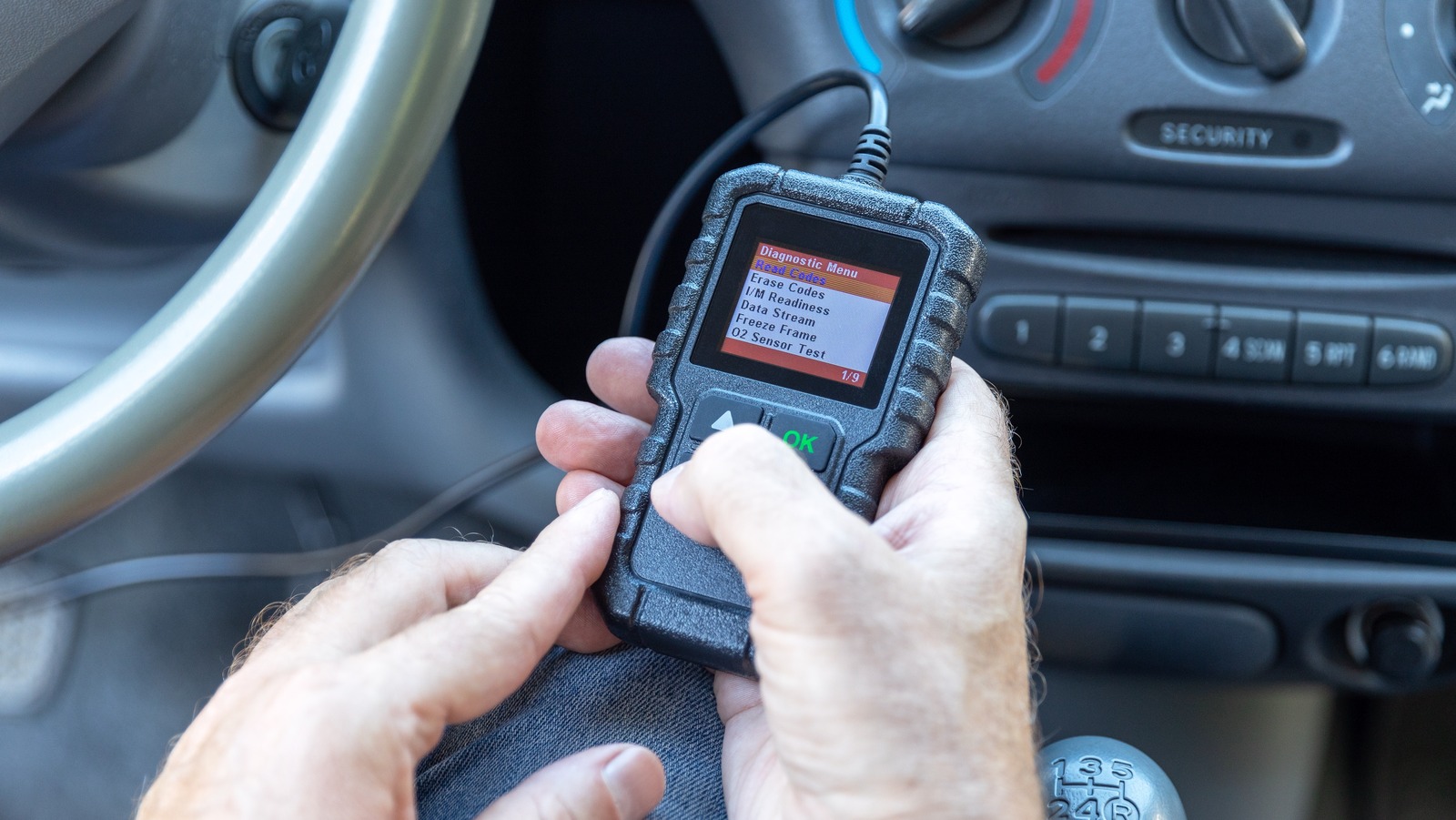
Using an OBD-II scan tool with live data capabilities, look at your Short Term Fuel Trim (STFT) and Long Term Fuel Trim (LTFT).
- If fuel trims are high (positive numbers) at idle but improve as you increase engine RPM, the problem is likely a vacuum leak.
- If fuel trims remain high or get worse at higher RPMs, the problem is more likely fuel delivery (pump/filter) or a clogged MAF sensor.
Step 4: The Smoke Test
A smoke machine is the "gold standard" for finding vacuum leaks. By injecting thick, pressurized smoke into the intake manifold, you can see exactly where air is escaping. This is the most effective way to identify leaking intake manifold gaskets or hidden cracks in vacuum lines.
Repair Costs and Estimates (2026)
The cost of fixing a P0171 code varies wildly depending on the root cause. In 2026, labor rates at Chevrolet dealerships typically range from $160 to $220 per hour, while independent shops may be slightly lower.
| Component / Repair | Estimated Parts Cost | Estimated Labor Cost | Total Range |
|---|---|---|---|
| MAF Sensor Cleaning | $15 (DIY Spray) | $0 - $80 | $15 - $95 |
| MAF Sensor Replacement | $120 - $250 | $60 - $100 | $180 - $350 |
| Vacuum Hose Repair | $10 - $40 | $100 - $200 | $110 - $240 |
| Intake Manifold Gaskets | $60 - $120 | $300 - $500 | $360 - $620 |
| PCV Valve/Valve Cover | $150 - $300 | $150 - $250 | $300 - $550 |
| Fuel Pump Replacement | $250 - $600 | $400 - $700 | $650 - $1,300 |
Note: Prices are estimates based on 2026 market averages and can vary by region and specific Chevy model.
The Risk of Ignoring P0171
Driving with a P0171 code for an extended period is not recommended. While the car may seem "drivable," the lean condition creates excessive heat in the combustion chamber. This can lead to:
- Catalytic Converter Failure: The PCM’s attempt to fix the lean condition by adding fuel often results in unburned fuel reaching the catalytic converter, where it ignites and melts the internal honeycomb structure.
- Engine Damage: High combustion temperatures can lead to burnt valves, damaged piston rings, and even spark plug failure.
- Failed Emissions Testing: In most jurisdictions, a "Check Engine" light is an automatic failure for state inspections or emissions tests.
For more information on vehicle emissions standards and diagnostic requirements, you can refer to the Environmental Protection Agency (EPA) or check for specific Chevy recalls related to fuel systems at the National Highway Traffic Safety Administration (NHTSA).
Frequently Asked Questions
Can I drive my Chevy with a P0171 code?
Short-term driving is usually possible if the vehicle isn't stalling or bucking, but it should be addressed promptly. Prolonged driving in a lean state can lead to expensive catalytic converter damage and decreased engine longevity due to increased operating temperatures.
Will a loose gas cap cause a P0171 code?
Generally, no. A loose gas cap usually triggers an Evaporative Emission (EVAP) system code, such as P0442 or P0455. While the EVAP system and fuel system are related, a P0171 specifically refers to the air-fuel mixture entering the engine, not the pressure in the gas tank.
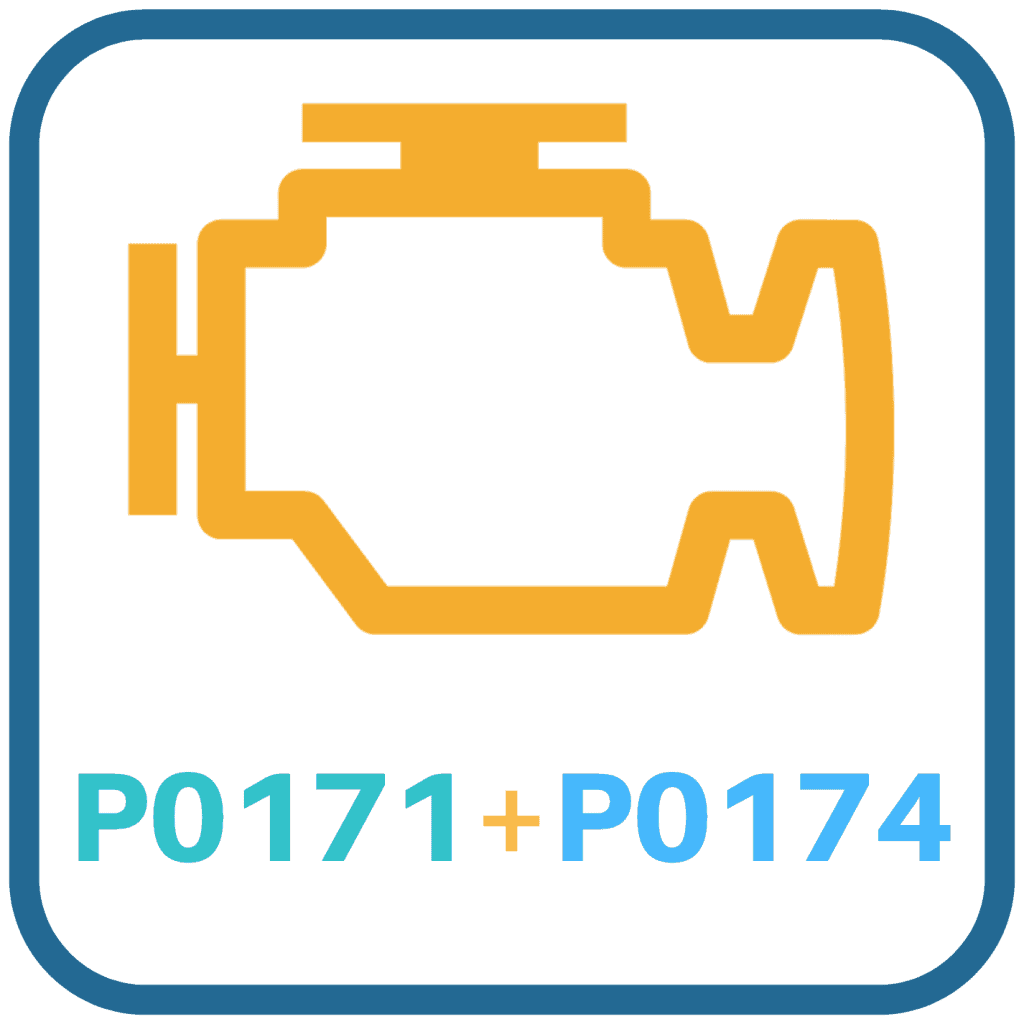
What is the difference between P0171 and P0174?
Both indicate a lean condition. P0171 is for Bank 1, and P0174 is for Bank 2. If you see both codes on a Chevy V6 or V8, the leak is likely located at a point that affects both sides of the engine, such as the air intake boot, the throttle body, or a major vacuum source like the brake booster.
How do I know if my O2 sensor is the problem?
If the O2 sensor is failing, it usually stays "stuck" at a specific voltage or reacts very slowly. If the fuel trims change when you create a temporary vacuum leak or add fuel (propane test), the O2 sensor is likely working correctly and just reporting the truth. If the sensor doesn't react at all to changes in the air-fuel mixture, the sensor itself may be faulty.
Is the P0171 code common on Chevy Silverados?
Yes, it is extremely common on Silverados with the 5.3L Vortec engine. The most frequent cause for this specific model is the intake manifold gaskets. Chevrolet released updated gasket designs (often teal or orange in color) to address the shrinking issues found in the original black gaskets.
Final Recommendation
If your Chevy displays a P0171 code, start with the simplest solution: clean your Mass Air Flow (MAF) sensor and inspect the air intake bellows. These are low-cost, high-probability fixes that you can often perform yourself with basic tools. If the code persists, perform a smoke test to identify hidden vacuum leaks before moving on to more expensive repairs like fuel pumps or injectors. Maintaining a clean air filter and using high-quality fuel can help prevent this code from returning in the future.
Image Gallery