How to Generate Estate Planning Clients for Life Insurance
Generating estate planning clients for life insurance requires an integrated approach that connects risk management directly to wealth preservation, tax mitigation, and legacy goals. By addressing complex family and financial concerns...
Generating estate planning clients for life insurance requires an integrated approach that connects risk management directly to wealth preservation, tax mitigation, and legacy goals. By addressing complex family and financial concerns through strategic educational marketing, networking with legal professionals, and digital outreach, insurance advisors can secure high-value clients seeking comprehensive estate solutions.
Contents
Life insurance is rarely purchased in isolation by high-net-worth individuals or families focused on generational wealth; rather, it serves as a critical funding mechanism within a broader estate plan. Advisors looking to scale their practice must position themselves not merely as product salespeople, but as holistic financial architects who understand probate, trusts, liquidity needs, and tax implications. Because estate planning inherently involves protecting assets against premature death, estate taxes, and liquidity crunches, life insurance naturally complements legal structures like revocable and irrevocable trusts. Successfully attracting these clients demands targeted strategies, clear compliance adherence, and rigorous adherence to industry standards.
Understanding the Intersection of Estate Planning and Life Insurance
To effectively generate clients, advisors must first understand the psychological and technical connection between estate planning and life insurance. Most consumers approach estate planning reactively—often prompted by the birth of a child, the acquisition of real estate, or the drafting of a last will and testament. Integrating life insurance into these conversations bridges the gap between legal intent and financial reality.
Estate plans dictate who receives assets, but life insurance often provides the cash required to fulfill those wishes without forcing a fire sale of illiquid assets, such as commercial real estate, family businesses, or concentrated stock portfolios. When clients establish trusts, such as an Irrevocable Life Insurance Trust (ILIT), they frequently require permanent life insurance policies to fund future estate tax liabilities or equalize inheritances among heirs. Advisors who lead with this comprehensive educational narrative position themselves as indispensable partners rather than transactional agents.
The Value Proposition for High-Net-Worth Prospects
High-net-worth individuals face unique financial vulnerabilities that standard term insurance fails to solve. Estate liquidity is a primary concern. When an estate exceeds federal or state exemption thresholds, the resulting tax liability must typically be paid in cash within nine months of death. Without adequate life insurance liquidity, executors may be forced to liquidate appreciating assets at an inopportune time.
Key value propositions to emphasize when marketing to this demographic include:
- Estate Tax Liquidity: Providing immediate cash to pay federal and state estate taxes without disrupting core business or real estate holdings.
- Wealth Replacement: Using life insurance inside an ILIT to replace assets transferred to charity or consumed by wealth-transfer taxes.
- Inheritance Equalization: Providing a tax-free cash legacy to children who are not active in a family business, allowing operating children to inherit the enterprise smoothly.
- Asset Protection: Utilizing the cash value growth of permanent life insurance to shield assets from potential creditors and legal judgments, depending on state jurisdiction.
Building Strategic Centers of Influence (COIs)
The most reliable, high-converting source of estate planning life insurance clients is not cold digital traffic; it is professional referral networks. Estate planning attorneys, certified public accountants (CPAs), and corporate fiduciary officers sit at the center of clients' financial lives during pivotal life events.
Establishing formal or informal joint-marketing and referral agreements with these professionals creates a steady stream of qualified prospects. However, building these relationships requires a strategic, mutually beneficial approach.
Partnering with Estate Planning Attorneys
Estate planning attorneys draft wills, living trusts, and healthcare directives. They routinely encounter clients who need liquidity to fund trusts or pay future taxes, yet many attorneys do not sell insurance or keep up with advanced underwriting trends.
To build trust with attorneys:
- Respect Legal Boundaries: Emphasize that you operate strictly within your licensing boundaries, referring legal questions back to the attorney while collaborating on the financial mechanics.
- Demonstrate Technical Competence: Speak fluently about ILIT structures, premium financing, generation-skipping transfer taxes (GSTT), and split-dollar arrangements.
- Offer Reverse Value: Send qualified legal clients back to the attorney when you uncover estate gaps during standard financial reviews.
Collaborating with CPAs
CPAs understand a client's tax exposure intimately. They see high annual income tax liabilities and looming capital gains events. By demonstrating how permanent life insurance can offer tax-deferred cash value growth and tax-free distributions (via policy loans and withdrawals), you provide CPAs with a practical tool to help their business-owning and high-income clients mitigate lifetime and legacy tax burdens.
Digital Marketing and Content Strategies for Estate Leads
While referral networks form the bedrock of client acquisition, digital marketing establishes credibility and captures active search intent. High-net-worth consumers and family decision-makers frequently research estate preservation online before speaking with an advisor.
Educational Webinars and Workshops
Hosting specialized educational seminars—either in partnership with a local estate attorney or independently—attracts prospects who are actively thinking about their legacy.
- Topic Ideas: "Protecting the Family Business: Succession and Liquidity Strategies," "Mitigating Estate Taxes Through Advanced Trust Planning," or "Securing Generational Wealth Beyond the Will."
- Execution: Promote these events through targeted digital channels, local professional associations, and direct invitations to existing clients' networks. Focus the content heavily on education rather than aggressive product pitches.
High-Intent Content Marketing
Publishing long-form, authoritative articles, whitepapers, and guides addresses the specific questions prospects type into search engines. Content should target niche phrases such as "how to fund an irrevocable life insurance trust," "estate tax liquidity solutions for family farms," or "permanent life insurance for business succession."
| Marketing Channel | Target Audience | Primary Objective | Conversion Timeline |
|---|---|---|---|
| Attorney Referrals | High-Net-Worth Individuals | Trust funding & tax liquidity | Short to Medium (30–90 days) |
| Educational Webinars | Pre-Retirees & Business Owners | Lead generation & authority building | Medium (60–120 days) |
| Targeted Paid Ads | Affluent Professionals | Direct consultation bookings | Variable (Immediate to 60 days) |
| Organic Content (SEO) | Self-Directed Researchers | Brand awareness & educational trust | Long-term (6+ months) |
Structuring the Discovery and Fact-Finding Process
Generating the lead is only the first step; converting that lead into a binding life insurance policy requires a disciplined, consultative discovery process. Estate planning clients are often sophisticated and sensitive to high-pressure sales tactics.
The Fact-Finding Checklist
During initial and secondary consultations, gather comprehensive data regarding the client's current and projected financial situation:
- Current Legal Documents: Review existing wills, trusts, powers of attorney, and business buy-sell agreements. Identify gaps where funding is missing.
- Asset Inventory: Catalog real estate, brokerage accounts, private business valuations, retirement accounts (traditional IRAs, 401(k)s), and existing insurance policies.
- Liability Assessment: Examine personal mortgages, business debt guarantees, and projected future tax liabilities.
- Family Dynamics: Identify beneficiaries with special needs, minor children requiring guardianship trusts, or strained sibling dynamics that complicate estate distribution.
Overcoming Common Objections in Estate-Level Insurance Sales
Advisors working in the estate planning space frequently encounter sophisticated objections. Preparing objective, data-backed responses ensures high conversion rates without alienating prospective clients.
"I Have Enough Assets to Self-Insure"
Many ultra-high-net-worth prospects believe their liquid net worth eliminates the need for life insurance.
- The Counter-Argument: Acknowledge their wealth while shifting the focus from capacity to efficiency. Explain how paying estate taxes out of pocket requires liquidating appreciating assets at inopportune times or suffering forced asset sales. Illustrate how leveraging an ILIT multiplies wealth transfer efficiency by paying pennies on the dollar for the ultimate death benefit.
"Permanent Life Insurance Costs Too Much"
Permanent policies—such as Indexed Universal Life (IUL), Whole Life, or Variable Universal Life (VUL)—require substantial premium commitments.
- The Counter-Argument: Frame the premium not as an expense, but as an asset allocation shift from a taxable, low-yielding fixed account to an asset class with tax-free growth and tax-free death benefits. Introduce advanced concepts like premium financing if appropriate for accredited, high-net-worth borrowers.
Compliance, Ethics, and Professional Limitations
When marketing life insurance for estate planning, advisors must navigate strict regulatory frameworks established by state insurance commissioners, FINRA (if securities-licensed), and the SEC.
- Avoid Practicing Law: Insurance agents and financial advisors must never draft legal documents, including wills, trusts, or LLC operating agreements, unless they hold valid legal credentials (JD). Doing so constitutes the unauthorized practice of law. Always collaborate with licensed estate planning attorneys for document execution.
- Suitability Standards: Ensure all policy recommendations meet strict suitability and best-interest standards. Permanent policies must align with the client’s long-term time horizon, risk tolerance, and liquidity requirements.
- Tax Disclosures: Clearly state that tax laws are subject to change and that clients should consult their personal CPAs or tax attorneys regarding specific federal and state tax code interpretations.
Frequently Asked Questions
What is the best way to approach estate planning attorneys for life insurance referrals?
Approach attorneys by offering to solve their clients' funding problems rather than asking for business outright. Schedule an introductory meeting to discuss how you can assist their mutual clients with estate tax liquidity, business buy-sell funding, and trust-owned life insurance audits. Demonstrate compliance knowledge and a commitment to protecting their client relationships.
How do Irrevocable Life Insurance Trusts (ILITs) help generate clients?
ILITs remove life insurance proceeds from a client's taxable estate, protecting the payout from estate taxes and creditors. Because these trusts specifically require life insurance policies to function, clients who are advised by attorneys to set up an ILIT are prime prospects for permanent life insurance underwriting.
What types of life insurance are most commonly used in estate planning?
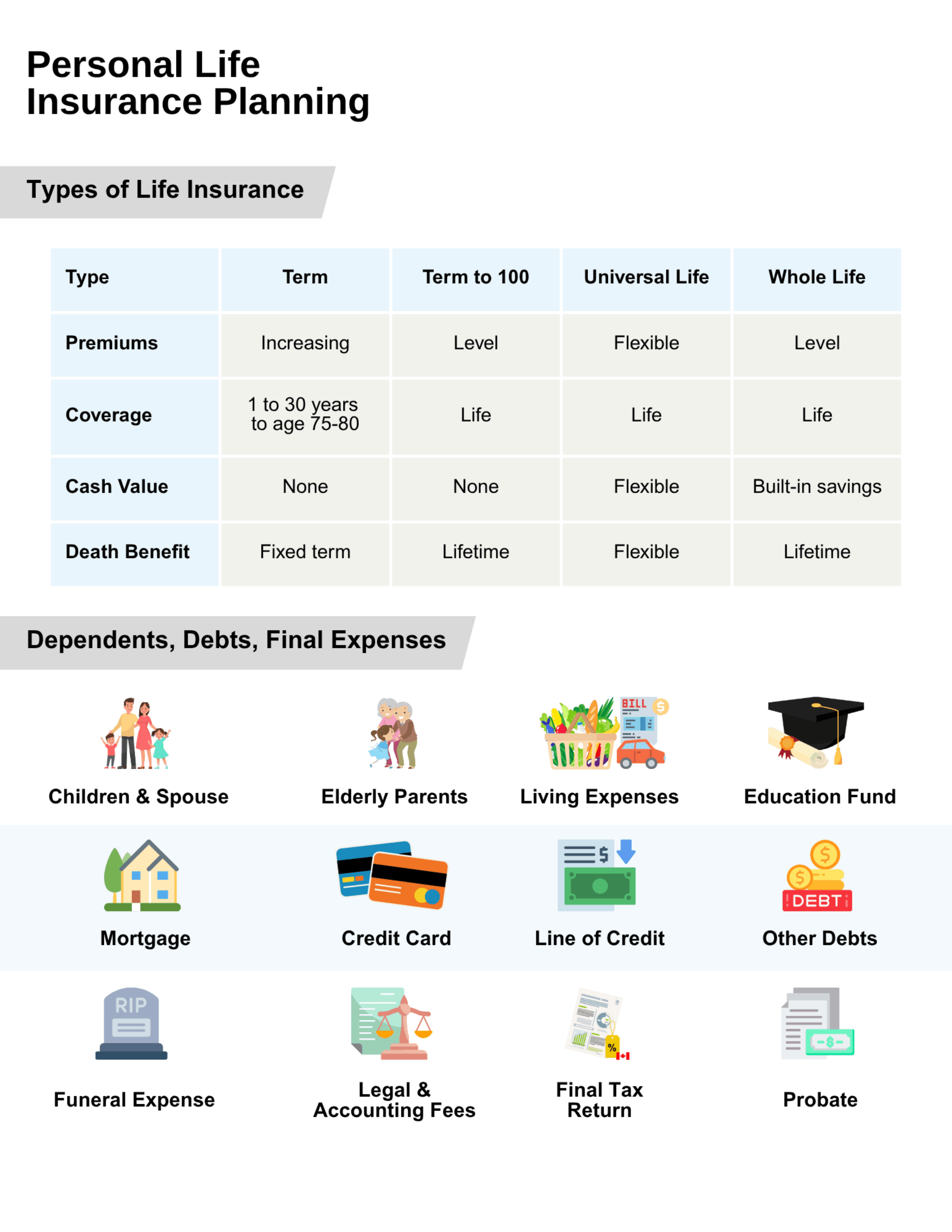
Permanent life insurance policies—including Whole Life, Universal Life, Indexed Universal Life (IUL), and Variable Universal Life (VUL)—are most common because estate planning requires lifetime coverage and cash value accumulation. Term insurance is occasionally used for temporary liabilities, such as income replacement during minor children's dependency years or short-term business debt.
How can advisors market life insurance to business owners for estate planning?
Business owners frequently face complex succession challenges and lack liquidity for buy-sell agreements. Advisors can generate clients by offering complimentary business valuation reviews, succession planning workshops, and evaluations of existing cross-purchase or entity-purchase agreements to ensure they are adequately funded with permanent life insurance.
What are the compliance risks when discussing estate planning and life insurance?
The primary risk is the unauthorized practice of law. Financial advisors and insurance agents must avoid drafting legal documents, providing definitive legal advice, or guaranteeing specific tax outcomes. All advanced strategies should be coordinated closely with the client's retained estate planning attorney and CPA.
Summary and Next Action Plan
Generating estate planning clients for life insurance requires shifting your practice from transactional sales to holistic wealth preservation consulting. Begin by identifying and contacting three local estate planning attorneys this week to establish introductory coffee meetings. Audit your current digital presence to ensure your content addresses estate tax liquidity and trust funding. Finally, review your current client book to identify existing policyholders or high-net-worth individuals who lack formal estate planning structures, and initiate proactive reviews to bridge the gap.
Image Gallery