Strategic Comparison of the Best Self Help Books for Depression
Navigating the landscape of cognitive literature requires a strategic comparison of the best self help books for depression, balancing psychological frameworks like CBT and ACT with an individual's specific symptom severity, reading ca...
Navigating the landscape of cognitive literature requires a strategic comparison of the best self help books for depression, balancing psychological frameworks like CBT and ACT with an individual's specific symptom severity, reading capacity, and therapeutic goals.
Contents
Finding the right literary resource for managing depressive symptoms can feel overwhelming, particularly when low energy and diminished concentration are core aspects of the condition itself. Not all psychological literature is created equal; books that rely heavily on dense academic prose can become barriers to entry for someone experiencing acute psychological distress. Conversely, overly simplistic guides may fail to provide the structured, evidence-based tools necessary for long-term cognitive restructuring. A strategic comparison evaluates these texts not merely on their popularity, but on their theoretical framework, actionability, pacing, and suitability relative to professional clinical care.
Understanding how different publications approach mood disorders allows readers, caregivers, and practitioners to select titles that align with specific clinical orientations, such as Cognitive Behavioral Therapy (CBT), Acceptance and Commitment Therapy (ACT), or mindfulness-based stress reduction. This guide evaluates prominent literature in the field, analyzing their operational mechanisms, structural formats, and ideal reader profiles to help navigate the choices available.
Disclaimer: The following content is for informational and educational purposes only and does not substitute for professional medical advice, diagnosis, or treatment. Always seek the advice of your physician or other qualified mental health provider with any questions you may have regarding a medical condition.
Theoretical Foundations of Depression Self-Help Literature
Self-help literature for mood disorders is rooted in established clinical psychology frameworks. Understanding these underlying frameworks helps readers identify which approach will resonate most with their personal experiences and cognitive styles. The majority of reputable modern titles draw from three primary psychological models: Cognitive Behavioral Therapy, Acceptance and Commitment Therapy, and Mindfulness-Based Cognitive Therapy.
Cognitive Behavioral Therapy (CBT) Foundations
Cognitive Behavioral Therapy operates on the premise that distorted or unhelpful thought patterns contribute to emotional distress and maladaptive behaviors. Books grounded in CBT—such as classic works by David D. Burns—focus on teaching readers how to identify cognitive distortions (such as all-or-nothing thinking, catastrophizing, and emotional reasoning) and systematically challenge them.
For readers seeking a structured, homework-driven approach, CBT-based manuals offer clear tracking mechanisms, worksheets, and step-by-step exercises. The primary strength of this framework is its pragmatic, problem-solving orientation. However, readers experiencing profound psychomotor slowing or severe anhedonia may find the intensive writing and self-monitoring requirements challenging during acute phases.
Acceptance and Commitment Therapy (ACT) Models
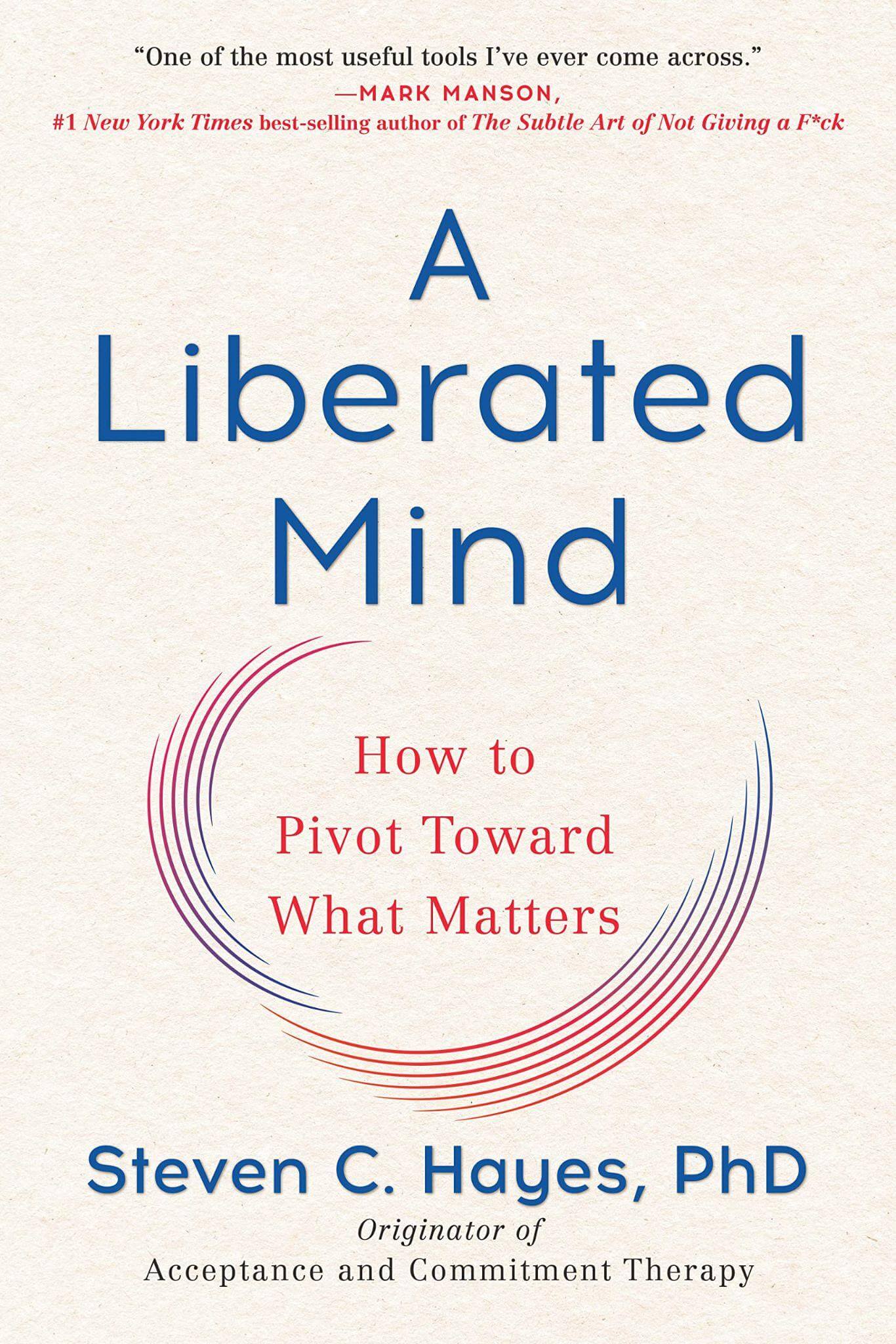
In contrast to traditional CBT, which emphasizes challenging and changing negative thoughts, Acceptance and Commitment Therapy focuses on changing the relationship an individual has with their thoughts. ACT encourages psychological flexibility—learning to accept difficult emotions and thoughts without fusing with them, while committing to value-driven actions.
Literature utilizing an ACT framework is typically beneficial for individuals who experience chronic or recurring depressive symptoms where thought-stopping techniques have proven ineffective. By emphasizing values clarification and mindfulness, these books shift the objective from symptom elimination to living a meaningful life alongside emotional fluctuations.
Mindfulness and Compassion-Based Approaches
Mindfulness-Based Cognitive Therapy (MBCT) and Compassion-Focused Therapy (CFT) integrate meditative practices with psychological science. Books in this category teach individuals to cultivate a non-judgmental awareness of the present moment and develop self-compassion to counter the harsh self-criticism often accompanying depression. These texts are particularly well-suited for individuals prone to rumination and chronic self-blame.
Key Evaluation Criteria for Selecting a Guide
Selecting a text requires evaluating several structural and practical variables. Because depressive symptoms fluctuate in intensity, the format and cognitive demand of a book are just as important as its psychological theory.
Cognitive Load and Accessibility
During acute depressive episodes, executive dysfunction, memory impairment, and fatigue are common. A dense, textbook-style manual can induce frustration and premature abandonment of the reading material. Effective self-help books balance clinical rigor with accessible language, utilizing short chapters, bulleted summaries, and digestible case studies.
Actionability and Practical Exercises
Passive reading provides intellectual insight, but overcoming depressive loops requires behavioral activation and active participation. The best titles incorporate structured exercises, thought records, behavioral experiments, or journaling prompts. Readers should assess whether a book provides actionable steps they can realistically implement given their current energy levels.
Scientific Validity and Evidence Base
The self-help market contains numerous titles lacking empirical backing. Readers should prioritize books authored by licensed clinical psychologists, psychiatrists, or researchers who ground their methodologies in peer-reviewed clinical trials. Evidence-based bibliotherapy often mirrors the protocols used in randomized controlled trials for mild-to-moderate depression.
Comparative Matrix of Leading Self-Help Books
The following comparison details prominent, widely recognized publications in the depression self-help category, highlighting their core therapeutic mechanisms, structural formats, and ideal reader profiles.
| Title and Author | Primary Framework | Core Methodology | Structural Format | Ideal Reader Profile |
|---|---|---|---|---|
| Feeling Good: The New Mood Therapy by David D. Burns | Cognitive Behavioral Therapy (CBT) | Identifying cognitive distortions and using mood logs to reframe negative self-talk. | Text-heavy chapters interspersed with structured worksheets and diagnostic questionnaires. | Readers who prefer analytical, structured, homework-driven psychological frameworks. |
| The Mindful Way through Depression by Mark Williams, John Teasdale, Zindel Segal, and Jon Kabat-Zinn | Mindfulness-Based Cognitive Therapy (MBCT) | Combining CBT principles with meditation practices to disrupt rumination cycles. | Narrative explanations paired with guided meditation exercises (includes audio links). | Individuals struggling with chronic, recurring depressive relapse and persistent rumination. |
| Get Out of Your Mind and into Your Life by Steven C. Hayes | Acceptance and Commitment Therapy (ACT) | Developing psychological flexibility, mindfulness skills, and clarifying personal values. | Experiential metaphors, paradoxes, and self-directed mindfulness exercises. | Readers fatigued by thought-challenging exercises who seek values-aligned action. |
| The Upward Spiral by Alex Korb | Neuroscience and Lifestyle Integration | Leveraging small lifestyle adjustments (sleep, gratitude, exercise) to alter brain chemistry. | Accessible neuroscience explanations translated into practical daily habits. | Readers seeking biological, low-barrier entry points without heavy cognitive tracking. |
Detailed Analysis of Prominent Selections
Feeling Good: The New Mood Therapy by David D. Burns
As one of the most widely recommended texts in clinical bibliotherapy, Feeling Good translates clinical CBT techniques into accessible self-directed tools. Burns categorizes common cognitive distortions and provides specific methods for disputing them.
- Operational Strengths: The framework is highly systematic. Readers learn to quantify their moods before and after completing exercises, providing tangible metrics of cognitive shifts.
- Limitations: The text's dense format can feel overwhelming for individuals experiencing severe cognitive fatigue. Furthermore, its heavy emphasis on thought-challenging may occasionally foster hyper-vigilance regarding internal mental states if not balanced with self-compassion.
The Mindful Way through Depression by Mark Williams et al.
Co-authored by leading researchers in MBCT, this book addresses the cognitive vulnerability that leads to depressive relapse. It posits that attempts to forcefully suppress negative thoughts often backfire, intensifying distress.
- Operational Strengths: It provides a compassionate, experiential approach that teaches individuals how to observe thoughts as mental events rather than absolute truths. The inclusion of guided meditations bridges the gap between theory and somatic practice.
- Limitations: Requires consistent daily practice and a willingness to sit with discomfort, which can be difficult for beginners without external accountability.
The Upward Spiral by Alex Korb
Neuroscientist Alex Korb takes a biological approach, reframing depression not merely as a psychological failing or chemical imbalance, but as a neural state of the brain. The book demonstrates how small, manageable changes—such as improving sleep hygiene, practicing gratitude, or making a decision—can initiate an upward spiral in brain circuitry.
- Operational Strengths: Highly readable and non-intimidating. It avoids demanding psychological exercises, making it exceptionally accessible for individuals with low energy reserves.
- Limitations: May lack the depth of structured cognitive restructuring required for long-standing, complex depressive patterns.
Integrating Bibliotherapy with Professional Treatment
Self-help literature is designed to serve as a complementary tool or an early-intervention resource for mild-to-moderate symptoms. It is essential to recognize the boundaries of bibliotherapy.
When to Seek Professional Intervention
Self-help books cannot replace comprehensive psychiatric evaluation, psychotherapy, or medical management. Individuals experiencing thoughts of self-harm, suicidal ideation, severe functional impairment, psychotic features, or complete inability to perform daily self-care tasks require immediate professional intervention.
Maximizing the Value of Bibliotherapy
To derive maximum benefit from depression literature, readers should approach books iteratively rather than treating them as standard novels:
- Pacing: Read in short, manageable increments to accommodate concentration limits.
- Active Engagement: Maintain a dedicated journal for exercises, keeping in mind that skimming exercises reduces efficacy.
- Collaborative Sharing: Discuss insights and exercises with a licensed therapist or counselor to integrate book concepts into active treatment plans.
Frequently Asked Questions
Can self-help books cure clinical depression?
Self-help books are effective for managing mild-to-moderate depressive symptoms, building coping mechanisms, and providing psychoeducation. However, they are not standalone cures for major depressive disorder, persistent depressive disorder, or clinical depression complicated by trauma or co-occurring conditions. They function best as adjunctive tools alongside professional therapy or psychiatric care.
How do I choose between a CBT book and an ACT book?
Choose a CBT book if you prefer structured, analytical work, identifying specific mental habits, and systematically challenging negative thoughts with worksheets. Choose an ACT book if you find that fighting your thoughts exhausts you and you prefer learning how to coexist with difficult emotions while focusing on personal values and actionable behaviors.
What should I do if reading feels too difficult due to depression?
Cognitive fatigue and concentration deficits are common symptoms of depression. If traditional reading is too demanding, consider audiobooks, which allow for passive listening while resting. Alternatively, opt for neuroscience-based or habit-focused guides that offer short, digestible chapters and low-barrier physical recommendations.
Are these books appropriate for individuals taking antidepressant medication?
Yes. Bibliotherapy and pharmacotherapy are not mutually exclusive. Many clinicians actively recommend evidence-based workbooks alongside medication to help patients develop long-term cognitive and behavioral coping skills that support pharmaceutical interventions.
How long does it typically take to see results from a depression workbook?
Unlike fiction, workbooks require weeks or months of consistent practice. Most clinical protocols for bibliotherapy span 8 to 12 weeks of structured engagement. Progress is often incremental, marked by a greater awareness of thought patterns and a reduced reactivity to emotional distress.
Strategic Next Steps for Readers
Selecting a self-help book is the first step toward building a personal toolkit for emotional resilience. To operationalize this choice, begin by assessing your current energy level and cognitive capacity. If you feel analytical and ready for structured writing exercises, a CBT-oriented text is appropriate. If you feel exhausted by fighting your own thoughts, select an acceptance-based or mindfulness-driven manual. Pair your reading with an honest assessment of your support system, and consider sharing your chosen text with a mental health professional to align your independent reading with a comprehensive clinical strategy.
Image Gallery