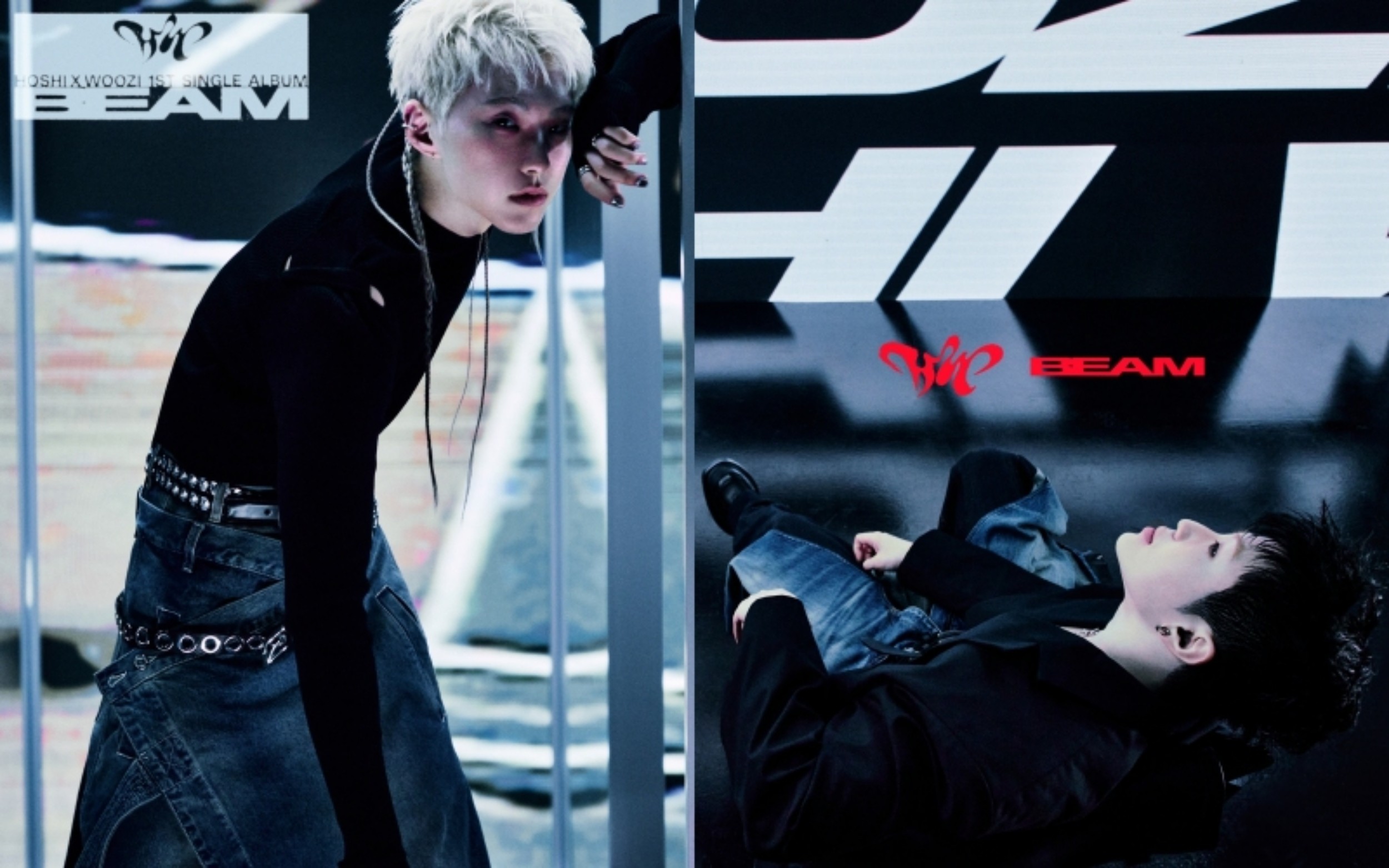
Why the Hoshi x Woozi Collaboration and Unit Debut Matters for K-Pop
The collaboration between SEVENTEEN’s Hoshi and Woozi represents a pivotal bridge between musical production and choreographic design in modern K-pop. As the respective leaders of SEVENTEEN’s Performance and Vocal units, their joint pr...
The collaboration between SEVENTEEN’s Hoshi and Woozi represents a pivotal bridge between musical production and choreographic design in modern K-pop. As the respective leaders of SEVENTEEN’s Performance and Vocal units, their joint projects—including duo tracks like "Bring It" and SVT LEADERS releases—symbolize the zenith of self-producing idol artistry, reshaping industry standards for creative autonomy and group longevity.
Contents
The Dual Pillars: Woozi’s Sonic Architecture Meets Hoshi’s Physicality
To understand why a Hoshi and Woozi pairing carries immense weight in the music industry, one must first examine their individual roles within SEVENTEEN. Formed by Pledis Entertainment (now under HYBE), SEVENTEEN established its reputation on a unique structural foundation: thirteen members divided into three specialized sub-units—Vocal, Performance, and Hip-Hop.
Woozi (Lee Ji-hoon) serves as the leader of the Vocal Unit and the primary song producer, composer, and lyricist for SEVENTEEN. Registered with the Korea Music Copyright Association (KOMCA) with hundreds of credits under his name, Woozi acts as the executive musical architect of the group. He creates discography tailored to the specific tonal qualities, narrative arcs, and emotional ranges of thirteen distinct vocalists.
Hoshi (Kwon Soon-young) serves as the leader of the Performance Unit and the chief choreographic director. Hoshi translates musical structures into visual motion, designing complex stage formations, intricate synchronization, and emotive movement patterns that have become SEVENTEEN's trademark.
- SEVENTEEN'S CREATIVE CORE
- WOOZI (Vocal Leader): Sonic Architect
- HOSHI (Perf. Leader): Choreography Lead
- HOSHI x WOOZI SYNERGY ("Bring It" / SVT LEADERS): Synchronized Composition, Choreography, & Directing
When Woozi and Hoshi collaborate on a dedicated duo track or unit project, the traditional boundary between song creation and dance creation dissolves. In standard K-pop production pipelines, an entertainment agency purchases a track from international song camps and subsequently hires an external choreographic team to build routine movements over the finished audio file. This segmented approach often results in a disconnect between musical intent and physical execution.
In contrast, Hoshi and Woozi co-develop projects with immediate cross-talk. Woozi crafts musical arrangements with Hoshi’s choreographic vision in mind—inserting rhythmic pauses, dramatic bass drops, or melodic lifts designed specifically for physical expression. Simultaneously, Hoshi choreographs routines that accent Woozi’s production nuances, creating an integrated audio-visual synthesis rare in mainstream pop music.
Historical Evolution: From "Bring It" to SVT LEADERS
The creative partnership between Hoshi and Woozi has manifested across several major milestones in SEVENTEEN's history, showcasing their versatility across different genres and performance contexts.
1. "Bring It" (날 쏘고 가라) — TEEN, AGE (2017)
The duo’s official debut track as a two-member unit appeared on SEVENTEEN’s second studio album, TEEN, AGE. Titled "Bring It" (translated literally as "Shoot Me and Go"), the song discarded traditional verse-chorus structures in favor of an aggressive, marching-band-inspired EDM and trap production.
- Sonic Identity: Built around heavy brass riffs, driving snare rolls, and contrasting vocal textures. Woozi supplied high-register, razor-sharp melodic lines, while Hoshi delivered gritty, punchy rap sections.
- Performance Impact: The stage execution emphasized intense martial discipline, fast-paced footwork, and theatrical bravado. It established that a Woozi x Hoshi pairing could generate enough stage presence to match full-group performances.
2. The SVT LEADERS Projects: "CHANGE UP" and "CHEERS"
While not strictly a duo—incorporating Hip-Hop Unit leader S.Coups (Choi Seung-cheol)—the SVT LEADERS unit relies heavily on the sonic and physical balance struck by Woozi and Hoshi.
- "CHANGE UP" (2017): Released as part of the 2017 SEVENTEEN PROJECT, this track blended urban brass and hip-hop to announce a new era for the group. Woozi’s infectious hook combined with Hoshi’s fluid, R&B-influenced choreography demonstrated a lighter, more stylish dimension to their collaboration.
- "CHEERS" (2022): Featured on the album SECTOR 17, "CHEERS" became a viral phenomenon. Built on an Asian-trap beat produced by Woozi, the song was anchored by Hoshi's iconoclastic choreography—specifically the chin-flick movement during the chorus that dominated global dance trends.
These joint endeavors proved that Hoshi and Woozi could pivot seamlessly between heavy EDM, slick hip-hop, and mainstream pop, maintaining their artistic signatures regardless of genre.
Why the Synergy Alters the K-Pop Industry Paradigm
The significance of the Hoshi x Woozi dynamic extends far beyond fandom enthusiasm; it serves as a business and artistic case study for the entire K-pop industry.
- TRADITIONAL PRODUCTION PIPELINE:
- External Producer
- Song Selection
- External Choreographer
- Idol Group Performance
- HOSHI x WOOZI PIPELINE:
- Woozi (Music) and Hoshi (Movement) (Synchronous Co-Creation)
- Integrated Stage Artistry
1. Eliminating the Creative Friction Point
In typical group management, internal friction frequently arises between musical directors and performance coaches regarding stage blocking, line distribution, and energy conservation. Because Woozi and Hoshi share over a decade of personal and professional history—having trained together prior to SEVENTEEN's 2015 debut—their decision-making process is streamlined. They understand each member's physical limitations and vocal ranges, allowing them to optimize unit tracks without trial-and-error delays.
2. A Sustainable Model for Group Longevity
As K-pop groups navigate their second decade of activity, maintaining freshness without fracturing group unity is a major operational challenge. The Hoshi x Woozi collaboration illustrates how member-led sub-units provide artistic outlets for individual growth while reinforcing the primary brand. Rather than seeking external solo projects that pull members away from the collective, internal pairings allow artists to experiment with varied genres while keeping intellectual property and production revenues inside the group's ecosystem.
3. Elevating the "Self-Producing Idol" Benchmark
Many groups claim self-production by receiving lyric credits or minor vocal arrangement roles. Hoshi and Woozi, however, manage full-scale production workflows:
- Composition & Sound Design: Woozi tracks vocals, mixes harmonies, and directs recording sessions in his studio, Universe Factory.
- Movement Direction: Hoshi designs concept boards, coordinates with external dance crews, and refines synchronization down to micro-angles.
This level of involvement sets a high benchmark for subsequent generations of K-pop idols, encouraging trainees to develop technical skills in software like Pro Tools or Ableton Live alongside dance proficiency.
Comparative Overview of SEVENTEEN Sub-Units and Creative Pairs
To appreciate the distinct niche occupied by Hoshi and Woozi, it is helpful to compare their joint work against other sub-unit formations within SEVENTEEN.
| Sub-Unit / Pairing | Primary Members | Core Musical Genre | Creative Leadership | Strategic Role in SEVENTEEN |
|---|---|---|---|---|
| Hoshi x Woozi Duo | Hoshi, Woozi | High-Energy EDM, Marching Trap, Synth-Pop | Woozi (Music), Hoshi (Dance) | Explores aggressive, high-concept performance art bridging sound and motion. |
| SVT LEADERS | S.Coups, Hoshi, Woozi | Hip-Hop, Urban Trap, Brass Pop | S.Coups, Hoshi, Woozi | Sets the thematic direction and overall brand identity for upcoming album eras. |
| BSS (BooSeokSoon) | DK, Hoshi, Seungkwan | Upbeat Trot-Pop, Disco, Funk | Woozi (Producer), BSS (Concepts) | Targets mass-market public appeal with comedic, highly energetic concept releases. |
| Jeonghan x Wonwoo | Jeonghan, Wonwoo | Dark Ballad, Mid-Tempo R&B | Woozi (Producer), Guest Writers | Focuses on visual storytelling, emotional contrast, and narrative fiction. |
| Vocal Team | Woozi, Jeonghan, Joshua, DK, Seungkwan | Ballad, Acoustic, Orchestral Pop | Woozi | Showcases melodic precision, vocal range, and intricate harmonic arrangements. |
| Performance Team | Hoshi, Jun, The8, Dino | Dance-Pop, Contemporary, Electronic | Hoshi | Pushes physical boundaries, visual geometry, and experimental dance concepts. |
Technical Analysis of Their Artistic Output
A deep dive into the technical execution of Hoshi and Woozi's combined works reveals why their output resonates on a critical level.
Sonic Layering and Vocal Delivery
Woozi’s production style relies heavily on multi-layered vocal tracks and crisp percussion. In duo releases like "Bring It," Woozi uses pitch-shifting and vocal chops to create instrumental textures out of their own voices.
Woozi's vocal timbre is clean, agile, and suited for high registers, which creates a natural contrast with Hoshi’s raspier, rhythmically aggressive delivery. When performing together:
Woozi grounds the track with melodic stability and rhythmic accents.
Hoshi injects dynamic variance, utilizing spoken-word cadences, aggressive chants, and sudden shifts in tone to keep listeners engaged.
VOCAL DYNAMICS IN HOSHI x WOOZI TRACKS:
- Woozi:
- Clean Melodic Anchors
- High Register Shifts
- Harmonic Layering
- Hoshi:
- Rhythmic Chants
- Gritty Rap Cadences
- Dynamic Energy Delivery
- Result: High-contrast audio structure built specifically for explosive visual execution.
- Woozi:
Visual Geometry and Stage Blocking
Choreographically, Hoshi designs movement that mirrors Woozi's sonic accents. Where a standard dance routine might focus purely on the drum beat, Hoshi’s choreography for their joint tracks highlights synth stabs, subtle vocal reverb, and ambient silences.
For instance, during the performance of "Bring It," movements range from rigid military marching to sudden fluid body waves. This visual elasticity matches Woozi's switch between heavy synth-bass drops and minimalist vocal breaks. The result is a theatrical experience where audio and visual elements reinforce each other rather than competing for attention.
Long-Term Impact on SEVENTEEN’s Legacy
The ongoing success of the Hoshi x Woozi dynamic has paid long-term dividends for SEVENTEEN’s career trajectory. As the group expanded into global stadium tours and established commercial dominance, the foundation built by its creative leaders ensured artistic stability.
- LONG-TERM BRAND SUSTAINABILITY:
- Artistic Autonomy: Reduces reliance on external song camps.
- Operational Agility: Rapid turnaround for sub-units and tours.
- Identity Continuity: Maintains signature SEVENTEEN sound/dance style even through contract renewals and member enlistments.
- Artistic Independence: By controlling both the music composition and choreography, SEVENTEEN is less reliant on external creative directors, giving the group agility in project scheduling and release cycles.
- Brand Identity Retention: Even as the group explores diverse international markets, the core sound engineered by Woozi and the performance standard enforced by Hoshi keep the group's output recognizable.
- Mentorship and Culture: The collaborative model established by Hoshi and Woozi has trickled down to younger members of SEVENTEEN. Members across all three teams now regularly write lyrics, compose solo tracks, and design subunit routines, establishing a self-sustaining creative culture inside the group.
Frequently Asked Questions
Who are Hoshi and Woozi in SEVENTEEN?
Hoshi (Kwon Soon-young) and Woozi (Lee Ji-hoon) are core members of the 13-member South Korean boy group SEVENTEEN. Hoshi is the leader of the Performance Unit and main choreographer, while Woozi is the leader of the Vocal Unit and the group’s primary song producer and composer.
What song did Hoshi and Woozi release together as a duo?
Hoshi and Woozi officially released the unit track "Bring It" (날 쏘고 가라) on SEVENTEEN’s 2017 studio album TEEN, AGE. They also perform together alongside S.Coups in the SVT LEADERS sub-unit on tracks such as "CHANGE UP" and "CHEERS."
How does their self-producing system work in practice?
Woozi composes and produces tracks in his studio (Universe Factory), creating music tailored to the group's conceptual goals. Hoshi takes those completed or demo tracks and designs specialized choreography and stage formations, ensuring the physical performance aligns perfectly with the song's musical structure.
Why is the Hoshi x Woozi dynamic important for the K-pop industry?
Their dynamic demonstrates that idol groups can achieve commercial success while maintaining complete creative control over both audio composition and performance design. It eliminates the disconnect between song production and dance choreography typical in traditional K-pop agency pipelines.
How does the Hoshi x Woozi duo differ from SVT LEADERS or BSS?
While SVT LEADERS includes Hip-Hop leader S.Coups to represent all three unit heads, and BSS (BooSeokSoon) focuses on high-energy, comedy-infused pop for the general public, the Hoshi x Woozi pairing focuses specifically on the synthesis of music production and experimental performance art.
Key Takeaways for Music Analysts and Fans
The collaboration between Hoshi and Woozi is more than a simple sub-unit pairing; it is the structural engine of SEVENTEEN's identity. By combining Woozi’s architectural musical composition with Hoshi’s physical stage direction, the duo created a blueprint for self-producing groups in the modern music era.
For industry watchers and fans alike, tracking Hoshi and Woozi's joint projects offers direct insight into where K-pop's creative boundaries are expanding next—proving that when sound and movement are developed in unison, the resulting performance achieves a level of impact that off-the-shelf production simply cannot replicate.
Image Gallery