Can Hair Removal Cream Cause a Burn? Risks, Prevention, and Treatment
Yes, hair removal creams can cause chemical burns if used incorrectly or on sensitive skin. These products, known as chemical depilatories, utilize high-pH alkaline ingredients to dissolve hair proteins. If left in contact with the ski...
Yes, hair removal creams can cause chemical burns if used incorrectly or on sensitive skin. These products, known as chemical depilatories, utilize high-pH alkaline ingredients to dissolve hair proteins. If left in contact with the skin for too long, these same chemicals can break down skin cells, leading to redness, blistering, and significant pain.
Contents
Chemical hair removal remains a popular grooming choice in 2026 due to its convenience and the relative longevity of results compared to shaving. However, the ease of application often masks the potent chemistry at work. Understanding how these creams interact with human biology is essential for anyone looking to achieve smooth skin without the risk of lasting injury.
The Chemistry of Depilatory Creams
To understand why a hair removal cream causes a burn, one must first look at the active ingredients. Most modern depilatories rely on a combination of salts of thioglycolic acid (such as calcium thioglycolate or potassium thioglycolate) and an alkaline substance like calcium, sodium, or lithium hydroxide.
The primary goal of these chemicals is to target the protein structure of the hair, specifically the disulfide bonds in keratin. By breaking these bonds, the cream turns the hair into a jelly-like substance that can be wiped away from the skin's surface. However, the human skin also contains keratin. While the skin's surface (the stratum corneum) is designed to be a protective barrier, it is not immune to high-alkalinity substances.
Most depilatory creams have a pH level between 11 and 12.5. For context, the skin’s natural pH is slightly acidic, typically ranging from 4.5 to 5.5. When a substance with a pH of 12 is applied to the skin, it creates a massive "pH shock." If the exposure time exceeds the skin's tolerance, the alkaline chemicals begin to denature the proteins in the living skin cells, resulting in a chemical burn.
Identifying the Difference: Irritation vs. Chemical Burn
It is common to feel a slight tingling or warmth when using a hair removal cream. However, there is a distinct line between normal side effects and a medical emergency.
Mild Irritation and Allergic Reactions
Mild irritation usually manifests as slight pinkness or a "tight" feeling that subsides within an hour of rinsing. An allergic reaction, or contact dermatitis, is different; it often involves itching, hives, or a bumpy rash that may appear several hours after use. This is typically a reaction to the fragrances or preservatives in the cream rather than the caustic active ingredients.
Chemical Burns
A chemical burn from a depilatory cream is an acute injury. Symptoms often include:
- Intense stinging or localized pain: This often persists even after the cream is washed off.
- Severe redness or "angry" looking skin: The area may look shiny or raw.
- Blistering or oozing: Small, fluid-filled sacs indicate a second-degree chemical burn.
- Peeling skin: The top layer of the epidermis may slough off during the rinsing process.
- Darkening of the skin: In some cases, the burn may cause post-inflammatory hyperpigmentation, leaving dark marks that last for months.
Primary Causes of Depilatory Burns
Even with the improved formulations available in 2026, user error remains the leading cause of chemical burns. However, physiological factors also play a significant role.
1. Exceeding the Recommended Time
This is the most frequent mistake. Users often think that leaving the cream on for "just two more minutes" will result in a cleaner finish for stubborn or coarse hair. Because the chemical reaction is cumulative, those extra minutes allow the alkali to penetrate deeper into the dermis, causing tissue damage.
2. Application on Sensitive or Broken Skin
Applying depilatory cream to skin that is already compromised is a recipe for injury. This includes skin with:
- Recent sunburns.
- Small nicks from previous shaving.
- Active acne or eczema flare-ups.
- Dry, cracked patches. The chemicals enter these microscopic openings and attack the underlying tissue much faster than they would on intact skin.
3. Using the Wrong Product for the Area
The skin on your legs is significantly thicker and more resilient than the skin on your face or bikini line. Using a "body" formula on the upper lip or genital area often results in immediate burns because the concentration of thioglycolates is too high for those delicate regions.
4. Friction and Improper Removal
Using a coarse washcloth or a plastic spatula to scrape away the cream can cause mechanical trauma. When the skin is already softened by the high pH of the cream, aggressive scraping can strip away the protective top layer of skin along with the hair.
Immediate First Aid for Chemical Burns
If you feel a burning sensation that goes beyond mild tingling, you must act immediately. The goal is to stop the chemical reaction and neutralize the skin's pH.
- Flush with Cool Water: Do not wait for the timer to go off. Immediately place the affected area under cool (not ice-cold) running water. Flush the area for at least 15 to 20 minutes. This helps physically remove the cream and brings the skin's temperature down.
- Avoid Soap: Do not use scented or harsh soaps on the burned area, as these can further irritate the open skin. If you must use a cleanser, choose a pH-balanced, fragrance-free gentle wash.
- Remove Contaminated Clothing: If the cream has seeped into your clothes, remove them to prevent further contact with the skin.
- Do Not Rub: Pat the area dry very gently with a clean, soft towel. Avoid any friction that could tear the damaged skin.
Long-term Healing and Aftercare
Once the chemicals are removed, the skin needs time to repair its barrier. The healing process for a minor chemical burn typically takes between three to ten days.
Soothing the Area
Apply a thin layer of pure aloe vera gel (ensure it contains no alcohol or added fragrances) or a bland petroleum-based ointment. These products create a protective seal that prevents moisture loss and keeps bacteria out. Hydrocortisone cream (1%) can be used for localized swelling and redness, but it should not be applied to broken skin or open blisters.
What to Avoid During Recovery
- Sun Exposure: Burned skin is hypersensitive to UV rays. Keep the area covered or use a mineral-based sunscreen if the skin is not broken.
- Exfoliants: Avoid scrubs, loofahs, or chemical exfoliants like AHAs/BHAs for at least two weeks.
- Tight Clothing: Friction from leggings or tight waistbands can aggravate the burn and lead to scarring.
- Further Hair Removal: Do not attempt to shave, wax, or re-apply cream to the area until it is completely healed.
When to See a Doctor
While most depilatory burns are superficial, some require professional medical intervention. You should seek help if:
- The burn covers a large area (larger than the palm of your hand).
- The pain does not subside after flushing with water.
- The burn is on the face, near the eyes, or on the genitals.
- You see signs of infection, such as yellow discharge, increased swelling, or a fever.
- The skin appears charred or white (indicating a third-degree burn).
Comparison of Skin Reactions to Depilatories
| Reaction Type | Appearance | Sensation | Typical Duration | Recommended Action |
|---|---|---|---|---|
| Normal Use | Slight pinkness, no swelling. | Mild tingling or warmth. | 15–30 minutes. | Rinse with cool water; apply moisturizer. |
| Irritation | Patchy redness, minor bumps. | Itching or "tight" skin. | 2–6 hours. | Cool compress; fragrance-free lotion. |
| Allergic Reaction | Hives, raised welts, rash. | Intense itching or stinging. | 24–48 hours. | Oral antihistamine; topical steroid. |
| Chemical Burn | Deep red, peeling, blisters. | Burning pain, raw sensitivity. | 3–10 days. | Flush for 20 mins; antibiotic ointment. |
Prevention Strategies for Safe Use
In 2026, manufacturers have introduced more sensitive formulas, but the responsibility for safety still lies with the user. Following these protocols will significantly reduce the risk of injury.
- The 24-Hour Patch Test: This is the most ignored yet most important step. Apply a small amount of the cream to a small area (like the inside of the elbow) and wait 24 hours. If no reaction occurs, it is generally safe to proceed.
- Check the Expiration Date: Over time, the chemicals in hair removal creams can stabilize or break down into more caustic components. Never use an expired product.
- Prepare the Skin Properly: Do not use the cream immediately after a hot bath or shower. Heat opens the pores and increases blood flow to the skin's surface, making it more permeable and susceptible to chemical penetration. Wait at least 30 minutes after bathing.
- Use a Timer: Never "guesstimate." Use a digital timer and start it the moment you begin applying the cream, not when you finish.
- Neutralize After Rinsing: Some experts recommend using a very diluted vinegar rinse (one part vinegar to ten parts water) after flushing with water to help restore the skin's acidic pH, though this should only be done on unbroken skin.
Frequently Asked Questions
Will a hair removal cream burn leave a permanent scar?
Most superficial (first-degree) burns will heal without scarring, though they may leave behind temporary dark or light spots known as post-inflammatory hyperpigmentation or hypopigmentation. Second-degree burns involving deep blistering carry a higher risk of permanent scarring if they become infected or if the scabs are picked.
Can I use hair removal cream on my bikini area?
You should only use creams specifically labeled for the "bikini" or "sensitive" areas. The skin in the pubic region is thinner and more vascularized than leg skin. Even with a specialized product, avoid contact with the more sensitive mucosal tissues (the labia or inner areas), as these are extremely prone to severe chemical burns.
How long should I wait to shave after a chemical burn?
You must wait until the skin is entirely back to its normal texture and color. This usually takes at least 7 to 14 days. Shaving over a healing burn will strip away the new, fragile skin cells and significantly increase the risk of infection and permanent scarring.
Is it normal for the cream to smell like rotten eggs?
Yes. The smell is a result of the chemical reaction between the thioglycolates and the sulfur bonds in your hair's keratin. While modern brands in 2026 use heavy fragrances to mask this, the underlying "sulfur" scent is a sign that the product is working. It is not an indication that the product is "burning" your skin.
Can I use depilatory cream if I have sensitive skin?
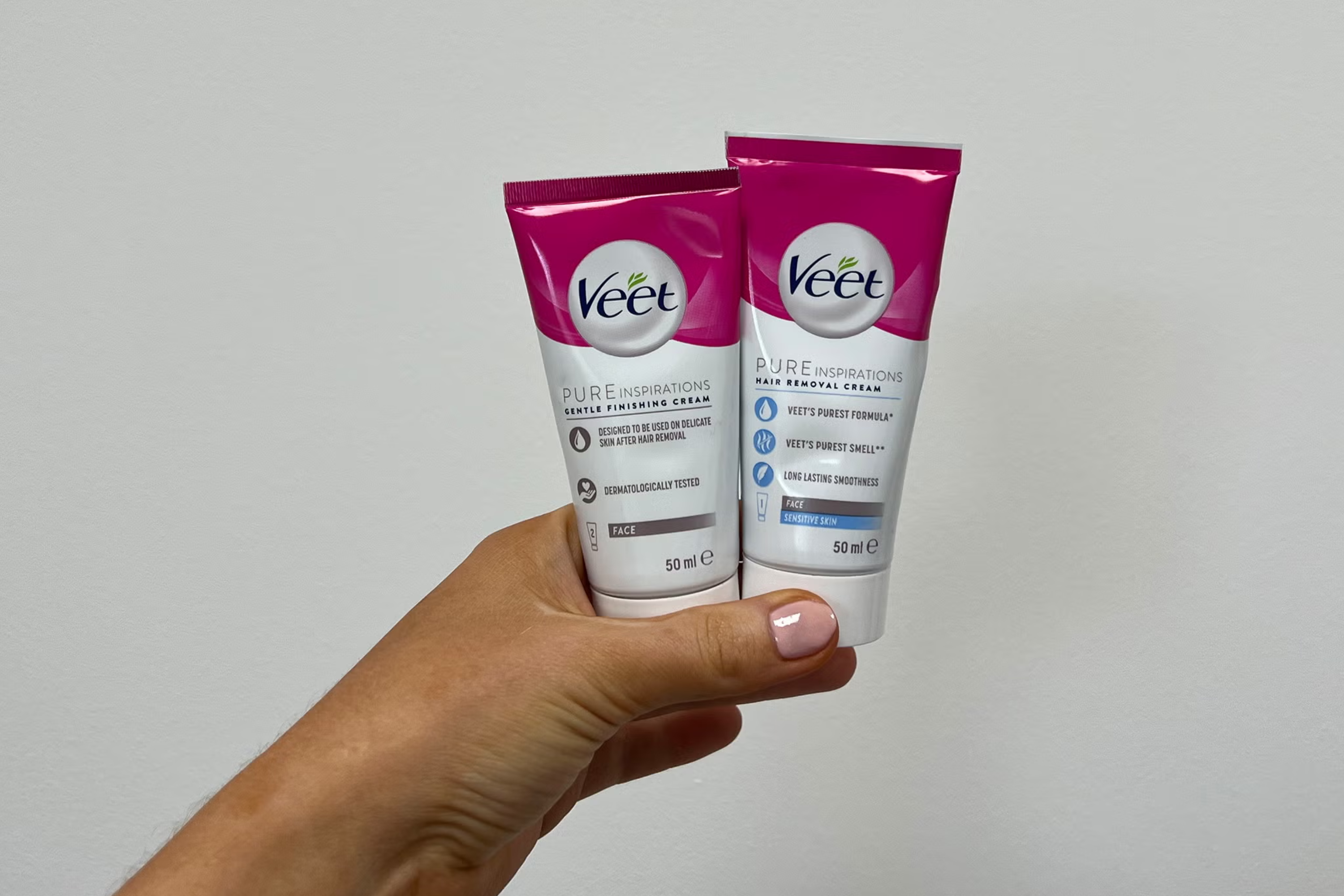
Yes, but you must be extra cautious. Look for "Sensitive Skin" versions that contain lower concentrations of active ingredients and higher amounts of soothing agents like Vitamin E, aloe, or urea. Always perform a patch test every time you buy a new bottle, as formulations can change.
Practical Recommendation
If you are prone to sensitivity or have experienced "stinging" in the past, consider switching to alternative methods like electric trimming or professional laser hair removal, which have become more accessible and refined by 2026. If you choose to continue using chemical depilatories, always prioritize the health of your skin over the removal of the hair. It is far better to have a few stray hairs left behind than to deal with a painful, weeping chemical burn that requires medical attention.
Image Gallery