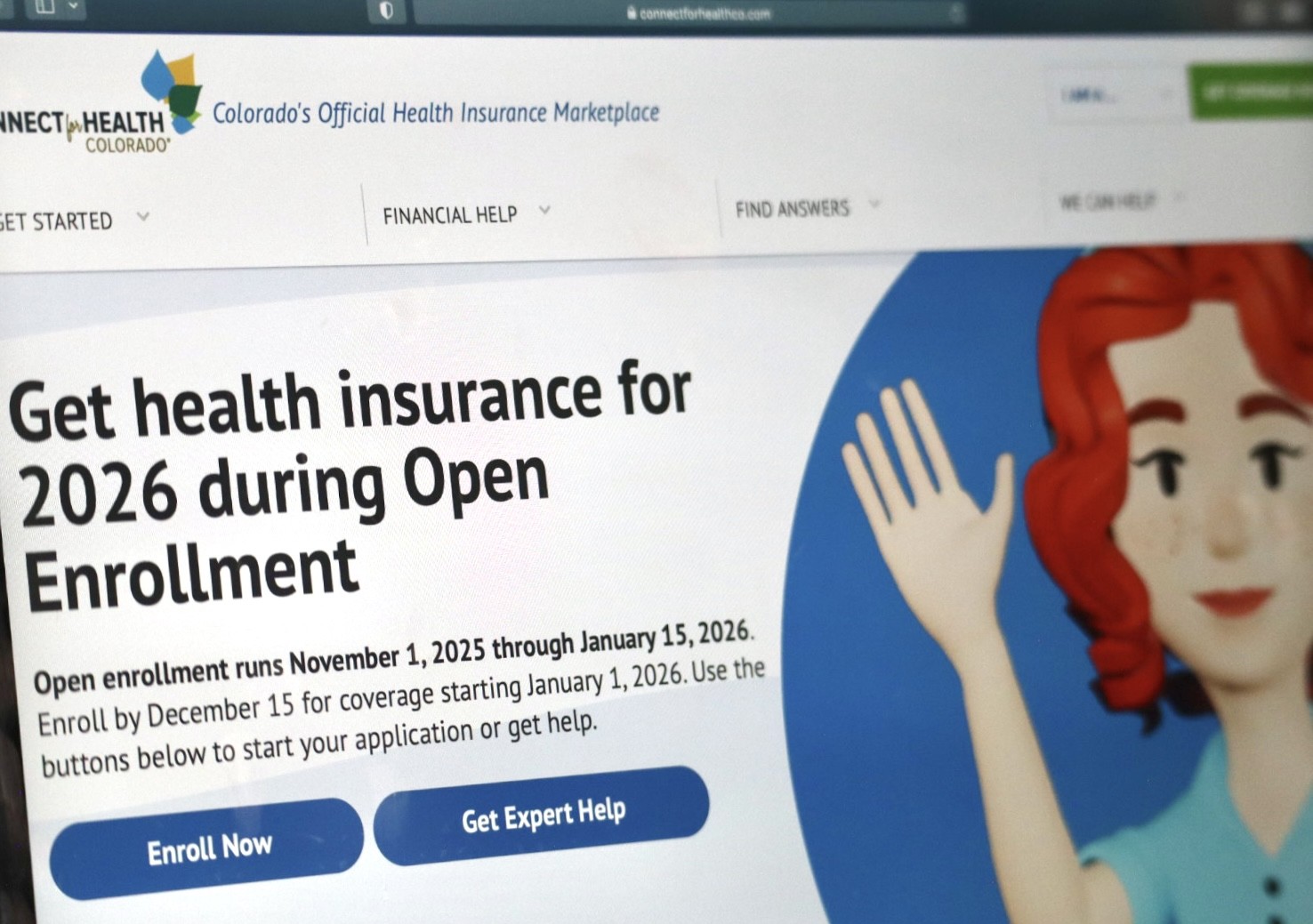
When Is Open Enrollment for Marketplace Insurance? (2026-2027 Dates)
Open Enrollment for 2027 Marketplace insurance begins on November 1, 2026, and runs through January 15, 2027, for most states using the federal platform. To ensure your health coverage starts on January 1, 2027, you must complete your...
Open Enrollment for 2027 Marketplace insurance begins on November 1, 2026, and runs through January 15, 2027, for most states using the federal platform. To ensure your health coverage starts on January 1, 2027, you must complete your plan selection by the December 15, 2026, deadline.
Contents
The Open Enrollment Period (OEP) is the annual window during which individuals and families can sign up for health insurance, switch plans, or apply for financial assistance through the Health Insurance Marketplace. Established under the Affordable Care Act (ACA), this period is critical because, outside of these dates, most consumers cannot enroll in a plan unless they experience a specific qualifying life event. Understanding the specific deadlines and the nuances of the application process is essential for securing comprehensive medical coverage and avoiding gaps in care.
The National Open Enrollment Schedule for 2026 and 2027
As we navigate through 2026, it is vital to distinguish between the two primary deadlines that define the enrollment cycle. While the Marketplace is always active for those with special circumstances, the general population must adhere to the late-year window to secure coverage for the following calendar year.
Key Dates for 2027 Coverage
For the 2027 plan year, the federal government maintains the expanded enrollment window that has become standard over recent years. The timeline for states using HealthCare.gov is as follows:
- November 1, 2026: Open Enrollment officially begins. This is the first day you can submit a new application or update an existing one for the 2027 plan year.
- December 15, 2026: This is the most significant deadline for those seeking continuous coverage. Applications submitted by this date will have an effective coverage start date of January 1, 2027.
- January 1, 2027: Coverage begins for those who enrolled by the December 15 deadline. This is also the date when any plan changes or new subsidies take effect.
- January 15, 2027: Open Enrollment officially ends. This is the final day to enroll in a 2027 plan without a Qualifying Life Event.
- February 1, 2027: Coverage begins for individuals who enrolled between December 16, 2026, and January 15, 2027.
Why These Deadlines Matter
Missing the January 15 deadline generally means you cannot buy individual or family health insurance until the next Open Enrollment Period starts in November 2027. Unlike other consumer products, health insurance on the individual market is strictly regulated to prevent "adverse selection," which occurs when people only buy insurance after they become ill. By enforcing a specific enrollment window, the Marketplace ensures a balanced pool of healthy and high-risk individuals, which helps stabilize premiums for everyone.
| Enrollment Date Range | Coverage Start Date | Notes |
|---|---|---|
| Nov 1 – Dec 15, 2026 | Jan 1, 2027 | Best for continuous coverage. |
| Dec 16 – Jan 15, 2027 | Feb 1, 2027 | Results in a 1-month coverage gap for many. |
| Jan 16 – Oct 31, 2027 | Varies | Requires Special Enrollment Period (SEP) eligibility. |
State-Based Marketplace Variations
While the majority of U.S. states use the federal HealthCare.gov platform, several states operate their own state-based exchanges (SBEs). These states have the authority to extend their Open Enrollment Periods beyond the federal January 15 deadline.
States such as California (Covered California), New York (NY State of Health), and New Jersey (Get Covered NJ) historically provide longer windows, sometimes stretching into late January or even February. If you reside in a state with its own exchange, it is imperative to check local regulations. For instance, Massachusetts (Health Connector) and Rhode Island (HealthSource RI) often have unique deadlines and state-specific subsidies that differ from the federal baseline.
Residents in these states must also be aware of state-level mandates. As of 2026, several states require residents to have "minimum essential coverage" or face a state tax penalty, even though the federal individual mandate penalty was reduced to zero. Navigating these state-specific rules is a necessary step for residents of SBE states to avoid unexpected costs during tax season.
Eligibility and Prerequisites for Enrollment
To participate in the Marketplace, you must meet specific criteria established by federal law. Most people living in the United States are eligible, but there are notable exceptions.
- Residency: You must live in the United States and be a resident of the state where you are applying for coverage.
- Citizenship Status: You must be a U.S. citizen, a U.S. national, or be lawfully present in the country (such as holding a Green Card or certain work visas).
- Incarceration Status: You cannot be currently incarcerated.
- Employment-Based Coverage: While you can technically enroll in the Marketplace if you have access to employer-sponsored insurance, you will not be eligible for Premium Tax Credits (subsidies) unless your employer’s plan is deemed "unaffordable" or does not meet the "minimum value" standards set by the ACA.
The Importance of MAGI
Your eligibility for financial assistance is determined by your Modified Adjusted Gross Income (MAGI). When you apply during the Open Enrollment Period, you must provide an estimate of your 2027 income. If your income falls between 100% and 400% of the Federal Poverty Level (FPL), you likely qualify for Premium Tax Credits. Furthermore, following legislative expansions that have remained influential through 2026, many households earning above 400% FPL may still qualify for capped premium costs, ensuring that no one pays more than a certain percentage of their income for a benchmark Silver plan.
Navigating the Special Enrollment Period (SEP)
If you miss the January 15, 2027, deadline, you are not necessarily without options, but your pathway to coverage becomes more complex. You must qualify for a Special Enrollment Period (SEP), which is triggered by a Qualifying Life Event (QLE).
Common Qualifying Life Events
- Loss of Health Coverage: Losing job-based insurance, graduating from a university plan, or losing Medicaid/CHIP eligibility.
- Household Changes: Getting married, having a baby, adopting a child, or experiencing a death in the family that affects your eligibility.
- Residence Changes: Moving to a new ZIP code or county that offers different plan options.
- Status Changes: Becoming a U.S. citizen or being released from incarceration.
In most cases, you have 60 days from the date of the QLE to enroll in a plan. You will be required to provide documentation, such as a marriage certificate or a letter from a former employer, to verify your eligibility for an SEP. It is important to note that voluntarily dropping a plan or being terminated for non-payment of premiums does not qualify you for a Special Enrollment Period.
How to Prepare for the 2027 Enrollment Cycle
Preparation is the key to choosing the right plan and ensuring your application is processed without delays. Gathering the necessary documentation before November 1, 2026, will streamline the experience.
Information You Will Need
- Social Security Numbers: For everyone in your household who needs coverage.
- Income Documentation: Recent pay stubs, W-2s, or tax returns. You must estimate your total household income for the upcoming year (2027), including freelance or "gig economy" earnings.
- Current Policy Numbers: If you currently have insurance, keep your policy or member ID numbers handy.
- Employer Information: Details about any job-based insurance available to your household, even if you are not enrolled in it.
Comparing Plan Categories
The Marketplace categorizes plans into "Metal Tiers"—Bronze, Silver, Gold, and Platinum. These tiers do not reflect the quality of care, but rather how you and the insurer split the costs.
- Bronze: Lowest monthly premiums but highest out-of-pocket costs when you receive care. These are best for healthy individuals who want protection against catastrophic events.
- Silver: Moderate premiums and deductibles. Silver plans are unique because they are the only plans eligible for Cost-Sharing Reductions (CSRs) if your income qualifies.
- Gold & Platinum: Higher monthly premiums but lower deductibles and co-pays. These are ideal for individuals who require frequent medical services or expensive prescriptions.
Common Mistakes to Avoid During Open Enrollment
Many consumers encounter issues by rushing through the application or failing to update their information.
1. Failing to Update Income Estimates: If you overestimate your income, you may miss out on monthly savings. If you underestimate it, you may be required to pay back a portion of the tax credits when you file your 2027 tax return in 2028. 2. Ignoring the Provider Network: Just because a plan is affordable doesn't mean your current doctors or preferred hospitals are included. Always use the Marketplace's search tool to verify that your providers are "In-Network." 3. Assuming Auto-Renewal is Best: The Marketplace will often automatically renew your current plan if you take no action. However, plan benefits, networks, and prices change every year. Your 2026 plan may no longer be the best value for 2027. 4. Misunderstanding the Deductible: A low premium often hides a very high deductible. Ensure you have enough savings to cover the deductible in case of an emergency.
Frequently Asked Questions
Can I change my plan after the January 15 deadline?
No. Once the Open Enrollment Period ends, you are generally locked into your plan for the remainder of the calendar year unless you qualify for a Special Enrollment Period due to a life event like marriage or losing a job.
What if I have a pre-existing condition?
Under the ACA, Marketplace plans cannot deny you coverage or charge you more based on a pre-existing condition. Chronic illnesses, past surgeries, and even pregnancy are covered from the first day your policy begins.
Are dental and vision insurance included in Marketplace plans?
Dental and vision coverage are always included for children (under age 19) as essential health benefits. For adults, some health plans include dental and vision, but in many cases, you must purchase these as separate "stand-alone" plans during the same Open Enrollment window.
Does the Marketplace offer plans for small business owners?
Yes. Small business owners can use the Small Business Health Options Program (SHOP) to provide coverage to their employees. Unlike the individual market, SHOP enrollment is generally open year-round for businesses with 1 to 50 employees.
How do I know if I qualify for a subsidy?
When you fill out the application on HealthCare.gov or your state exchange, the system automatically calculates your subsidy based on your household size and estimated income. This is provided as an "Advance Premium Tax Credit," which is sent directly to the insurance company to lower your monthly bill.
Final Recommendations for 2026-2027 Enrollment
To ensure you have the best possible coverage at the lowest price, start your research in October 2026. Use the "Window Shopping" tools available on the Marketplace to preview plans and prices before the official start date. If you have a complex tax situation or are unsure which plan fits your medical needs, consider working with a licensed insurance agent or a Marketplace Navigator—their services are free to consumers.
This article provides general information about health insurance enrollment and does not constitute legal, financial, or medical advice. For specific guidance, consult with a qualified insurance professional or tax advisor.
Image Gallery