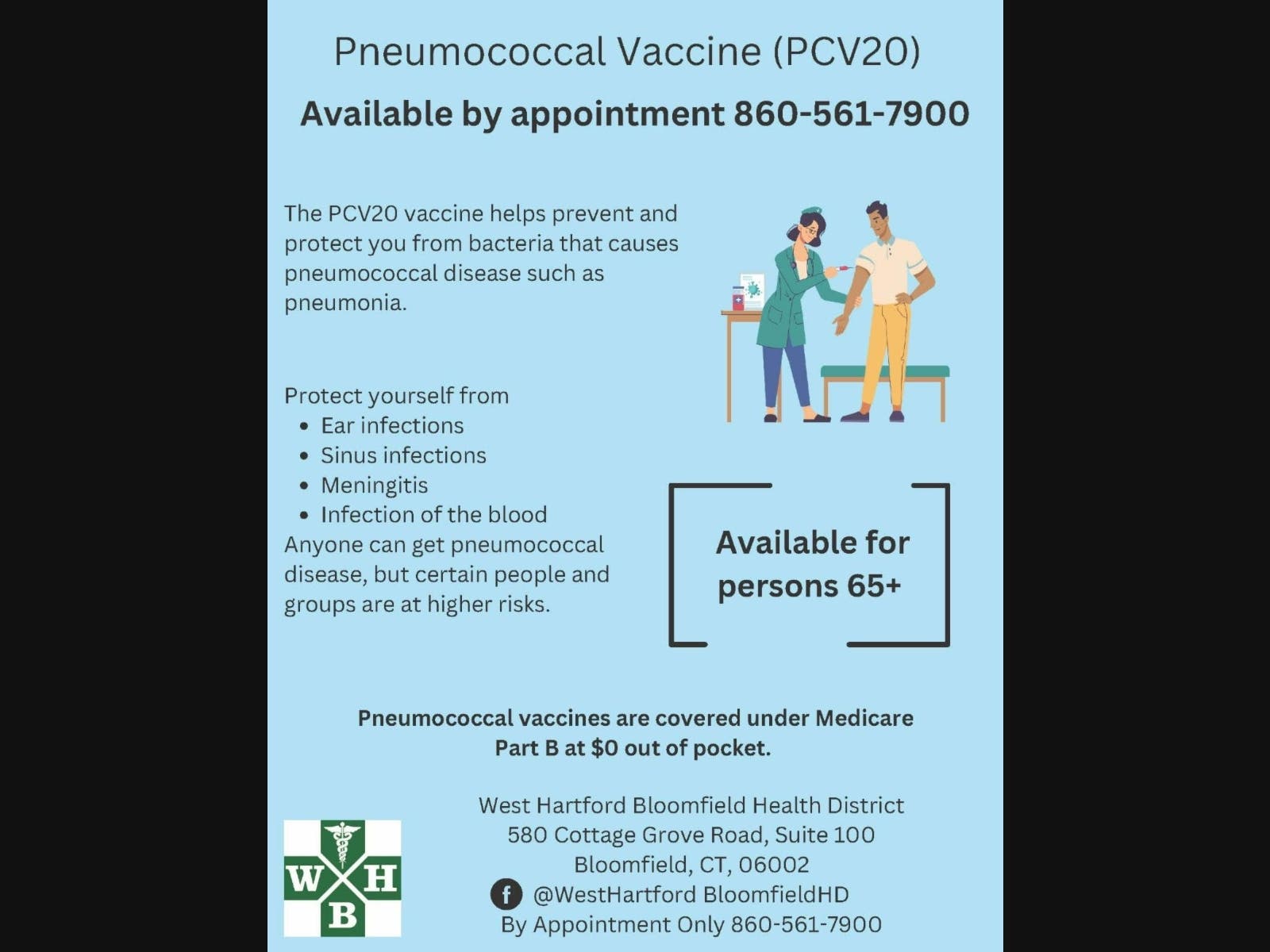
Navigating the Landscape of the Newest Pneumonia Vaccine Options in 2026
Preventing pneumococcal disease requires selecting the most appropriate immunization strategy based on age, underlying health conditions, and previous vaccination history. As of 2026, the clinical landscape is dominated by high-valency...
Preventing pneumococcal disease requires selecting the most appropriate immunization strategy based on age, underlying health conditions, and previous vaccination history. As of 2026, the clinical landscape is dominated by high-valency pneumococcal conjugate vaccines (PCVs) that offer broader protection against serotypes than earlier iterations, with current recommendations emphasizing the adoption of these updated formulations to improve community immunity and individual resilience.
Contents
Understanding Pneumococcal Disease and Vaccination Evolution
Pneumonia is an infection of the air sacs in one or both lungs, which may fill with fluid or pus. While pneumonia can be caused by fungi, viruses, or bacteria, Streptococcus pneumoniae remains the most common bacterial cause of pneumonia in adults. The evolution of vaccination technology has shifted from polysaccharide-based vaccines (PPSV23), which stimulate a T-cell-independent immune response, to conjugate vaccines (PCVs). Conjugate vaccines link the bacterial sugar capsule to a protein carrier, inducing a stronger T-cell-dependent immune memory, which is generally more durable and effective at preventing carriage in the nasopharynx.
In recent years, the medical community has moved toward "valency" as the primary metric for vaccine efficacy. Valency refers to the number of bacterial serotypes—distinct variations within a species of bacteria—covered by the vaccine. The progression from PCV13 to PCV15 and PCV20, and recently to PCV21, represents a deliberate effort by immunologists to capture the most prevalent and invasive strains circulating in the population.
Current Clinical Standards and Recommendations
The primary challenge for patients and providers in 2026 is navigating the overlap between older immunization protocols and the latest, broader-spectrum vaccines. Public health guidance, such as that provided by the Centers for Disease Control and Prevention (CDC), currently identifies specific patient populations who benefit most from the latest iterations of these vaccines.
Who Should Receive the Newest Vaccines?
- Adults 65 Years or Older: This group is prioritized due to natural immune senescence, which makes them more susceptible to severe outcomes.
- Adults 19 to 64 with Chronic Conditions: Individuals with immunocompromising conditions, chronic heart or lung disease, diabetes, or those who smoke are strongly advised to consult their physician regarding updated PCV schedules.
- Individuals with Immunodeficiencies: Patients living with HIV, asplenia, or those undergoing chemotherapy require specific, accelerated vaccination schedules to ensure they are protected against invasive pneumococcal disease (IPD).
Comparing Pneumococcal Vaccine Technologies
To understand the value of the newest options, it is helpful to contrast them with the historical standard of care. The table below outlines the primary differences between common pneumococcal vaccine types currently in use.
| Vaccine Name | Type | Coverage | Primary Use Case |
|---|---|---|---|
| PPSV23 | Polysaccharide | 23 Serotypes | Older adults; historical standard |
| PCV15 | Conjugate | 15 Serotypes | Routine vaccination; broad coverage |
| PCV20 | Conjugate | 20 Serotypes | Expanded coverage for high-risk groups |
| PCV21 | Conjugate | 21 Serotypes | Latest iteration for maximum serotype breadth |
Note: The choice between PCV15, PCV20, and PCV21 depends on your specific medical history and existing vaccine documentation. These vaccines are not interchangeable in a singular series; your provider will determine if a "booster" or a "sequential" approach is required.
The Shift Toward Higher Valency: Why it Matters
The introduction of vaccines like PCV21 represents a technological breakthrough in protein-carrier conjugation. By increasing the number of serotypes covered, these vaccines reduce the likelihood of "serotype replacement"—a phenomenon where, once the most common strains are suppressed by vaccination, less common strains emerge to take their place.
When you receive the newest vaccine, your immune system is exposed to a broader array of antigens. This helps the body recognize a wider variety of S. pneumoniae variants. For the patient, this means the vaccine is more likely to provide "herd protection" while simultaneously lowering the individual risk of developing severe pneumonia that requires hospitalization.
Practical Steps for Accessing Immunization
Accessing the newest pneumonia vaccine in 2026 involves verifying your eligibility through your primary care provider or a pharmacist. Unlike some medications that require a long-term prescription, vaccines are typically handled as a clinical administrative process.
- Review Your Records: Locate your "yellow card" or digital health record. Determine which pneumococcal vaccines, if any, you have received in the past. If you have only received the older PPSV23, you are likely a candidate for the newer conjugate series.
- Consult Your Insurance Plan: Most comprehensive health insurance plans in the United States cover pneumococcal vaccination for adults 65+ and those with high-risk conditions under preventive care mandates. Verify your specific coverage to determine if you need to visit an in-network provider or pharmacy.
- Verify Local Inventory: Because newer vaccines are often rolled out in phases, call your pharmacy or clinic 48 hours in advance. Confirm that they have the specific formulation recommended for your age and risk profile.
- Prepare for the Appointment: Ensure you have documentation of any severe allergies or reactions to previous vaccinations. While pneumococcal vaccines have high safety profiles, informing your clinician of your medical history ensures appropriate post-vaccination monitoring.
Managing Expectations and Potential Side Effects
As with any immunogenic agent, the newest pneumonia vaccines are designed to trigger an immune response. This process is how the body builds protection, but it can result in temporary, localized symptoms. The most commonly reported effects include pain or tenderness at the injection site, mild fatigue, low-grade fever, or localized muscle aches.
These symptoms usually resolve within 24 to 48 hours. If you experience symptoms beyond this timeframe, or if you develop high fever or signs of an allergic reaction (such as difficulty breathing or swelling of the face), seek medical attention immediately. These vaccines are not "live" vaccines; they cannot cause pneumonia, but they can simulate the inflammatory process that constitutes a healthy immune response.
Frequently Asked Questions (FAQ)
Does the newest vaccine replace the need for the flu shot? No. The pneumococcal vaccine specifically targets Streptococcus pneumoniae bacteria. It does not provide protection against influenza viruses. You can often receive both in the same season, but they target entirely different pathogens.
Can I get the newest vaccine if I already had a pneumonia shot years ago? Often, yes. If your previous vaccine was an older version (like the PPSV23), you may be a candidate for the newer conjugate vaccines to expand your breadth of coverage. You must discuss your specific previous vaccination dates with your doctor to avoid unnecessary doses.
Why does the vaccine schedule vary so much between individuals? The schedule is highly individualized because it depends on the "serotype history" of the patient. If you have chronic conditions that weaken the immune system, your body may require a different cadence of doses to maintain optimal antibody levels compared to a healthy adult.
Is the newest vaccine more expensive? While the cost per dose of newer conjugate vaccines is often higher than older polysaccharide versions, they are generally covered by insurance as preventive services. Under many national health guidelines, out-of-pocket costs are minimized for eligible demographic groups.
Final Recommendation
The most effective way to protect yourself is to schedule a consultation with your primary care physician to conduct a "vaccine gap analysis." Do not assume your previous vaccinations offer full protection against the evolving strains circulating in 2026. Prioritize this conversation during your next wellness checkup to ensure your immunization profile is updated to the latest standard of care.
Image Gallery