Rapid Manufacturing: How Speed Shapes Global Trade
Rapid manufacturing accelerates global trade by shifting the focus from mass production in low-cost regions to high-speed, localized production. By reducing lead times from months to days, it enables nearshoring, minimizes inventory ri...
Rapid manufacturing accelerates global trade by shifting the focus from mass production in low-cost regions to high-speed, localized production. By reducing lead times from months to days, it enables nearshoring, minimizes inventory risks, and allows companies to respond instantly to market shifts, fundamentally altering traditional shipping routes and trade agreements in 2026.
Contents
Defining Rapid Manufacturing in the 2026 Landscape
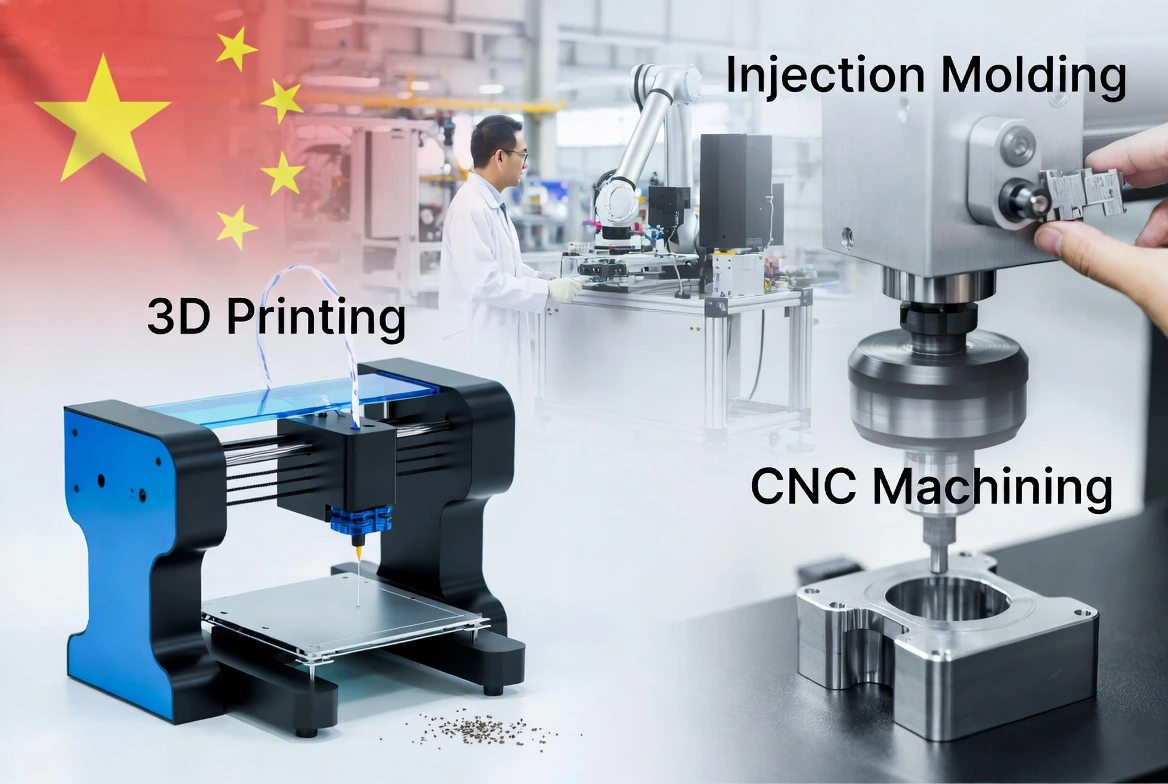
As we move through 2026, the term rapid manufacturing (RM) has evolved from a niche prototyping tool into a cornerstone of industrial strategy. It encompasses a suite of technologies designed to compress the time between design and final product delivery. This includes advanced Additive Manufacturing (AM), high-speed CNC machining, automated injection molding, and AI-driven generative design. Unlike traditional manufacturing, which relies on economies of scale and long production runs, rapid manufacturing prioritizes "economies of speed."
The technical backbone of RM in 2026 is the integration of "lights-out" facilities—factories that operate entirely via automation with minimal human intervention. These facilities use Digital Twins to simulate production before a single atom is moved, ensuring that the first physical part produced is functionally perfect. This eliminates the traditional "trial and error" phase of manufacturing, which historically added weeks to global procurement timelines. In the context of global trade, this means the barrier to entry for creating complex, high-quality components has dropped significantly, allowing smaller players to compete in markets once dominated by multi-national giants with massive capital reserves.
The Speed-Trade Correlation: Moving Beyond the Shipping Container
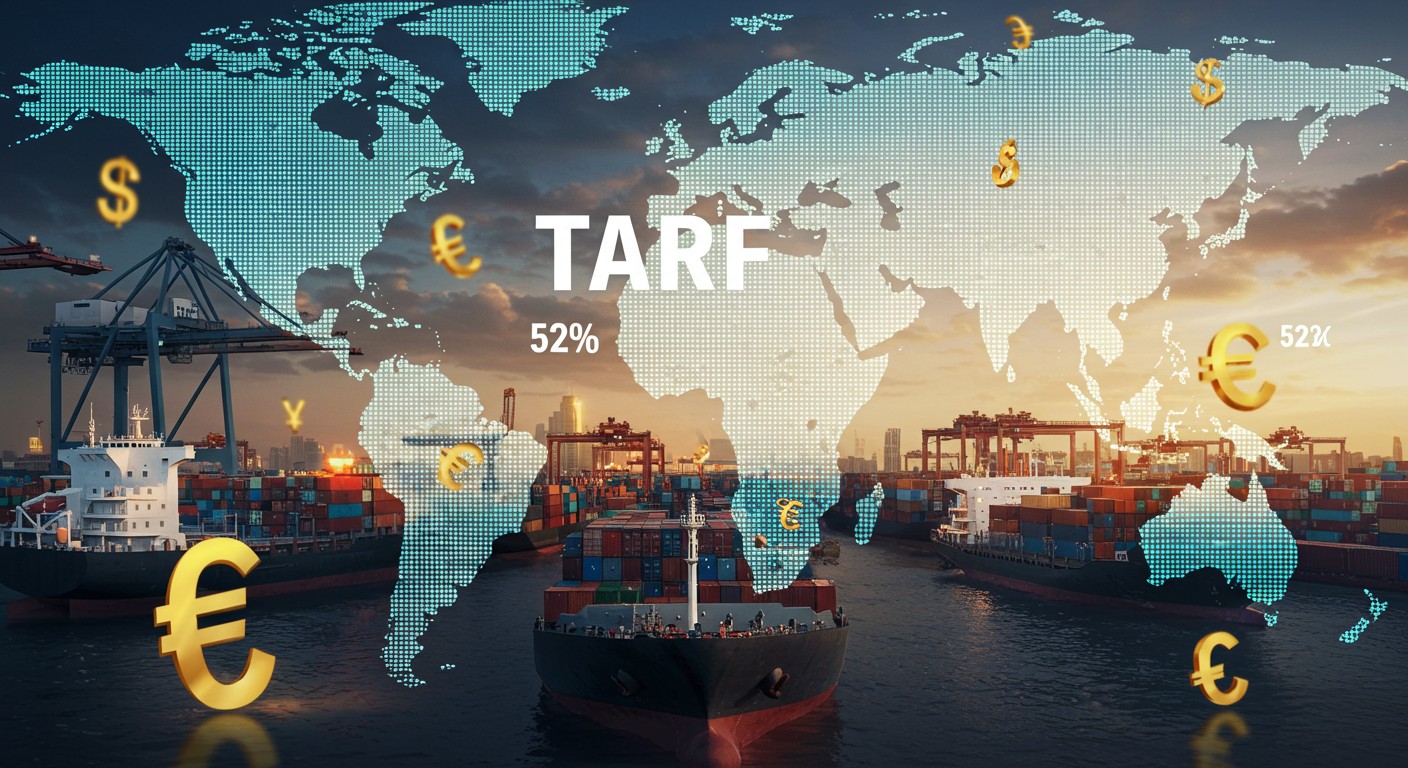
Historically, global trade was synonymous with the shipping container. The logic was simple: manufacture goods where labor is cheap, pack them into 40-foot containers, and wait six weeks for them to cross the ocean. Rapid manufacturing has disrupted this linear model. In 2026, speed is the primary currency. When a manufacturer can produce a critical aerospace component or a specialized medical device in 48 hours within 100 miles of the end-user, the traditional cost advantages of overseas labor vanish.
This shift has led to the rise of Distributed Manufacturing Networks. Rather than one massive factory in a single geographic location, companies now utilize a web of smaller, interconnected RM hubs. This decentralization reduces the reliance on major maritime chokepoints like the Suez Canal or the Strait of Malacca. Trade is no longer just about the movement of physical atoms; it is increasingly about the movement of digital bits. A design can be engineered in London, refined in Tokyo, and manufactured in Chicago—all within the same business day. This "Digital Silk Road" has forced trade regulators to rethink how they value and tax imports, as the "value-add" happens at the point of production rather than the point of origin.
Economic Drivers: Inventory Reduction and Risk Mitigation
The economic incentive for adopting rapid manufacturing is rooted in the elimination of "dead capital." In the traditional model, companies held billions of dollars in "safety stock"—inventory sitting in warehouses to guard against supply chain disruptions. In 2026, the Just-in-Time (JIT) 2.0 model, powered by rapid manufacturing, allows for "Zero Inventory" strategies.
- Landed Cost Analysis: Traditional trade calculations often ignored the hidden costs of long lead times, such as warehouse fees, insurance, and the risk of obsolescence. RM allows for a lower total landed cost by producing only what is sold, when it is sold.
- Mitigating Supply Chain Shocks: The early 2020s taught the global market that long-distance supply chains are fragile. Rapid manufacturing acts as a "buffer." If a primary supplier is hit by a geopolitical event or a natural disaster, RM hubs can be activated instantly to fill the gap, preventing the "bullwhip effect" that causes price spikes and shortages.
- Customization as a Trade Asset: Rapid manufacturing allows for mass customization without a price penalty. In global trade, this means products can be tailored to local regulatory standards or consumer preferences at the point of manufacture, rather than being mass-produced as a "one-size-fits-all" product that requires expensive post-production modification.
Geopolitical Impacts: Nearshoring and the New Trade Hubs
The geopolitical map of 2026 looks significantly different than that of a decade ago, largely due to the "nearshoring" trend fueled by rapid manufacturing. Countries that once thrived as low-cost labor hubs are facing a transition period. Conversely, regions with high-tech infrastructure and skilled labor are seeing a manufacturing renaissance.
Regional Agile Networks (RANs) have replaced many global value chains. For example, North American trade is increasingly concentrated within the USMCA framework, where rapid manufacturing facilities in Mexico and the United States serve the local market faster than any overseas competitor could. Similarly, the European Union has leveraged RM to bolster its "Strategic Autonomy," ensuring that critical sectors like pharmaceuticals and semiconductors have localized rapid-response production capabilities.
This shift has profound implications for trade policy. We are seeing a move away from broad free-trade agreements toward "Data-Trade Agreements." These treaties focus on the secure transfer of intellectual property and 3D printing files, ensuring that the "blueprints" of modern industry can cross borders without being intercepted or pirated. The World Trade Organization (WTO) and International Organization for Standardization (ISO) have spent much of 2025 and 2026 establishing new frameworks for digital manufacturing standards to facilitate this new era of trade.
Comparison: Traditional vs. Rapid Manufacturing in Global Trade
The following table illustrates the fundamental differences in how these two models impact the mechanics of global trade in 2026.
| Feature | Traditional Manufacturing | Rapid Manufacturing (2026) |
|---|---|---|
| Lead Times | 3–6 Months | 24–72 Hours |
| Primary Freight | Maritime / Ocean Container | Air Express / Local Ground |
| Minimum Order (MOQ) | High (thousands of units) | Unit of One (no MOQ) |
| Inventory Strategy | Safety Stock / Warehousing | On-Demand / Digital Inventory |
| Carbon Footprint | High (transoceanic shipping) | Low (localized production) |
| Supply Chain Risk | High (vulnerable to global shocks) | Low (distributed and resilient) |
| Capital Tie-up | High (inventory and tooling) | Low (digital assets) |
Digital Threads and the Intellectual Property of Trade
In 2026, the most valuable "cargo" in global trade is no longer a physical good, but the Digital Thread—the seamless flow of data from design to production. This has shifted the focus of trade disputes from tariffs on steel or plastic to the protection of 3D CAD files and proprietary material formulations.
The rise of "Manufacturing-as-a-Service" (MaaS) platforms allows companies to upload a design to a secure cloud, which then routes the job to the nearest available rapid manufacturing facility that meets the required quality certifications. This necessitates a robust legal framework. Trade lawyers now focus heavily on Smart Contracts—blockchain-based agreements that automatically release payment to the manufacturer and royalties to the designer once the part is printed and verified by an automated quality control system. This level of automation reduces the friction of international business, allowing a designer in a developing nation to sell their "manufacturable" intellectual property to a buyer in a developed nation without ever dealing with customs agents or freight forwarders.
Environmental Sustainability and Trade Efficiency
Sustainability is no longer an optional "green" initiative; by 2026, it is a trade requirement. Rapid manufacturing is a key driver in reducing the industrial carbon footprint. Traditional manufacturing is subtractive—you start with a large block of material and cut away the excess, creating significant waste. Additive RM is, as the name suggests, additive—using only the material necessary to build the part.
Furthermore, the "Trade-to-Transport" ratio is being optimized. By producing goods closer to the point of consumption, the massive carbon emissions associated with transoceanic shipping are drastically reduced. Many countries have implemented Carbon Border Adjustment Mechanisms (CBAM), which penalize goods based on the emissions generated during their production and transport. Rapid manufacturing naturally aligns with these regulations, making it the preferred method for companies looking to maintain high ESG (Environmental, Social, and Governance) ratings while navigating global markets.
FAQs
How does rapid manufacturing impact the cost of consumer goods?
In 2026, while the per-unit production cost of RM can be higher than mass production for simple items, the "total cost of ownership" is often lower. This is because RM eliminates the costs of warehousing, international shipping, and middleman markups. For complex or customized goods, RM is almost always more cost-effective.
Does rapid manufacturing lead to job losses in developing nations?
It changes the nature of the jobs. While traditional "low-skill" assembly line roles are decreasing, there is a rising demand for technicians, digital designers, and RM equipment operators. Developing nations that invest in technical education and digital infrastructure are finding new opportunities in the "Digital Silk Road."
Can rapid manufacturing handle large-scale production?
Yes, by 2026, "Massive Parallelism" in 3D printing and automated CNC cells allows RM to compete with traditional methods even for medium-to-high volume runs. The speed at which these "micro-factories" can be scaled up or down makes them more adaptable than traditional static factories.
What are the main barriers to RM in global trade?
The primary hurdles are material costs and regulatory certification. In sectors like aerospace and healthcare, every part must be certified for safety. Ensuring that an RM part printed in one country meets the safety standards of another remains a complex area of international trade negotiation.
How does RM affect the logistics industry?
The logistics industry has shifted from moving "bulk" to moving "last-mile." Instead of managing massive container ships, logistics giants are investing in local delivery fleets and "Mobile Manufacturing Units"—trucks equipped with RM technology that can produce parts while in transit to the customer.
Practical Recommendation for Trade Professionals
For businesses navigating the global trade landscape in 2026, the most critical action is to audit your supply chain for "velocity gaps." Identify components that have lead times exceeding four weeks or those that require high levels of safety stock. These are the primary candidates for rapid manufacturing. Transitioning these items to a distributed RM model will not only reduce your capital tie-up but also insulate your operations from the increasing volatility of global maritime trade. Prioritize partnerships with MaaS (Manufacturing-as-a-Service) providers who offer integrated IP protection and localized production hubs to maximize both speed and security.
Image Gallery