Exploring the Impact of Jean-Paul Goude's Work in Visual Culture and Advertising
Jean-Paul Goude’s visionary photography, graphic design, and elaborate performance staging radically reshaped contemporary advertising, fashion, and pop culture through a distinct blend of hyper-realism, surrealism, and kinetic perform...
Jean-Paul Goude’s visionary photography, graphic design, and elaborate performance staging radically reshaped contemporary advertising, fashion, and pop culture through a distinct blend of hyper-realism, surrealism, and kinetic performance art.
Contents
Introduction: The Architect of Modern Visual Culture
To understand contemporary visual culture, music videos, and high-fashion advertising, one must examine the foundational contributions of French graphic designer, photographer, and director Jean-Paul Goude. Emerging from the vibrant creative ecosystems of Paris and New York during the late 20th century, Goude forged an unmistakable aesthetic characterized by cultural pastiche, optical illusions, theatrical staging, and a relentless manipulation of the human form. His work bridges the gap between high-art performance and commercial execution, transforming print magazines and television screens into canvases for witty, provocative, and technically innovative storytelling.
Rather than relying purely on digital manipulation, which was unavailable or in its infancy during his most formative decades, Goude achieved his signature surreal effects through in-camera techniques, meticulous physical staging, forced perspectives, and collage. This article explores the trajectory of Jean-Paul Goude’s career, his landmark collaborations, his technical and artistic innovations, and his enduring legacy on global visual communication.
Formative Years and the New York Renaissance
Jean-Paul Goude’s artistic sensibility was forged during a period of cross-cultural migration between France and the United States. Born in Montreuil, France, in 1940, Goude began his career as an illustrator before transitioning into art direction. His big break came when he moved to New York City in the 1970s to serve as the art director for Esquire magazine under Harold Hayes.
During this tenure, Esquire became a laboratory for radical graphic design and conceptual journalism. Goude treated magazine layouts not merely as vehicles for text, but as dynamic spaces for visual subversion. His work at Esquire established key motifs that would define his entire career:
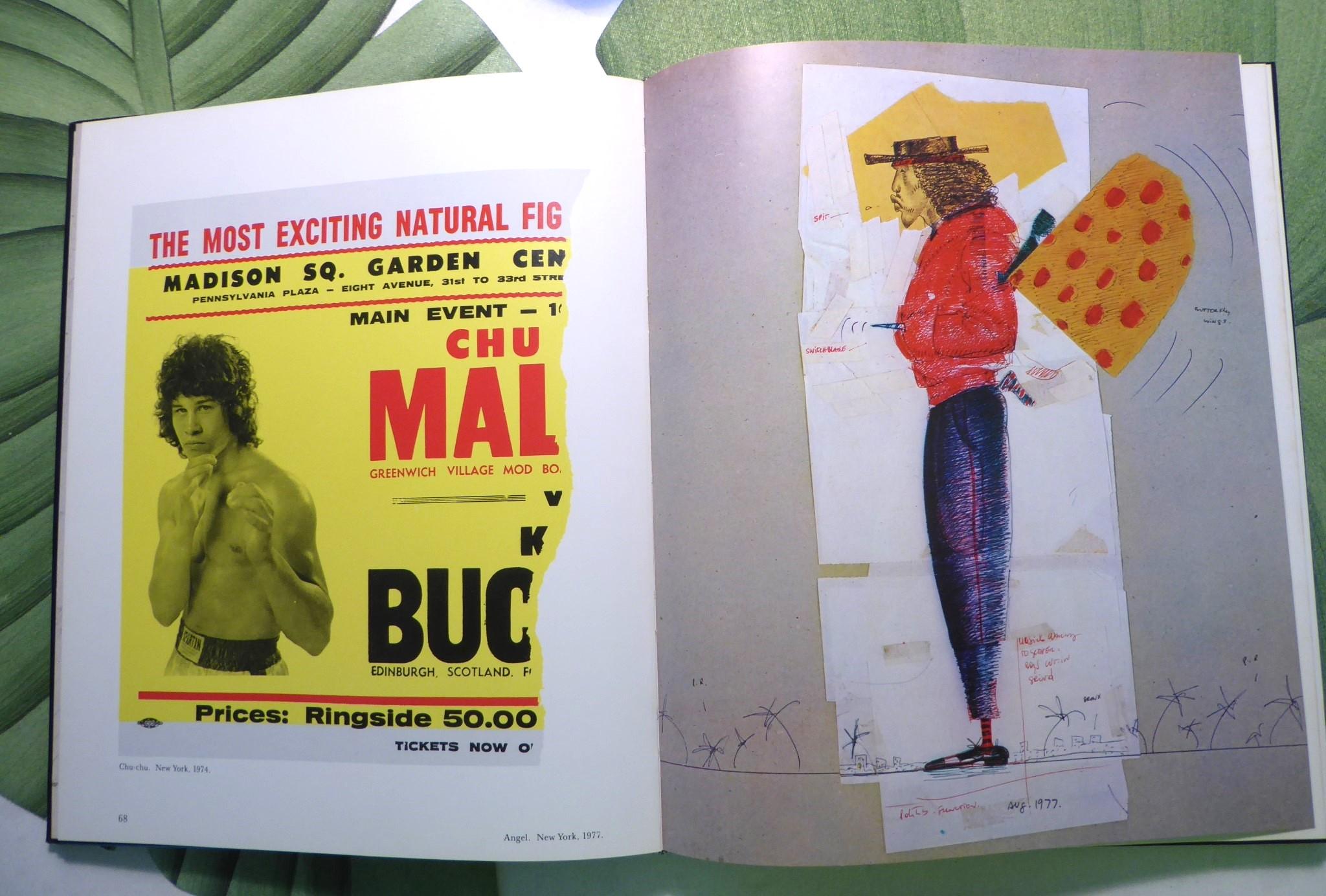
- The Manipulation of Proportions: Goude frequently used multi-exposure photography, physical collage, and anamorphic drawing techniques to elongate limbs, exaggerate curves, or alter facial features.
- Cultural Hybridization: Influenced deeply by African American culture, jazz, and the energy of New York's artistic underground, Goude developed an obsession with ethnic archetypes, which he interpreted through a lens of stylized theatricality.
- The Integration of Art and Commerce: Goude rejected the boundary between commercial assignment and fine art, treating every magazine cover as a high-stakes cultural statement.
This New York chapter cemented his reputation as an editorial visionary capable of driving magazine sales purely through provocative, beautifully executed imagery.
Iconic Collaborations: Grace Jones and the Construction of a Myth
Perhaps Goude’s most significant and culturally complex partnership was with the singer, model, and actress Grace Jones. Beginning in the late 1970s, Goude and Jones formed both a personal and professional relationship that lasted for years, during which Goude served as her visual architect, stage director, and conceptual producer.
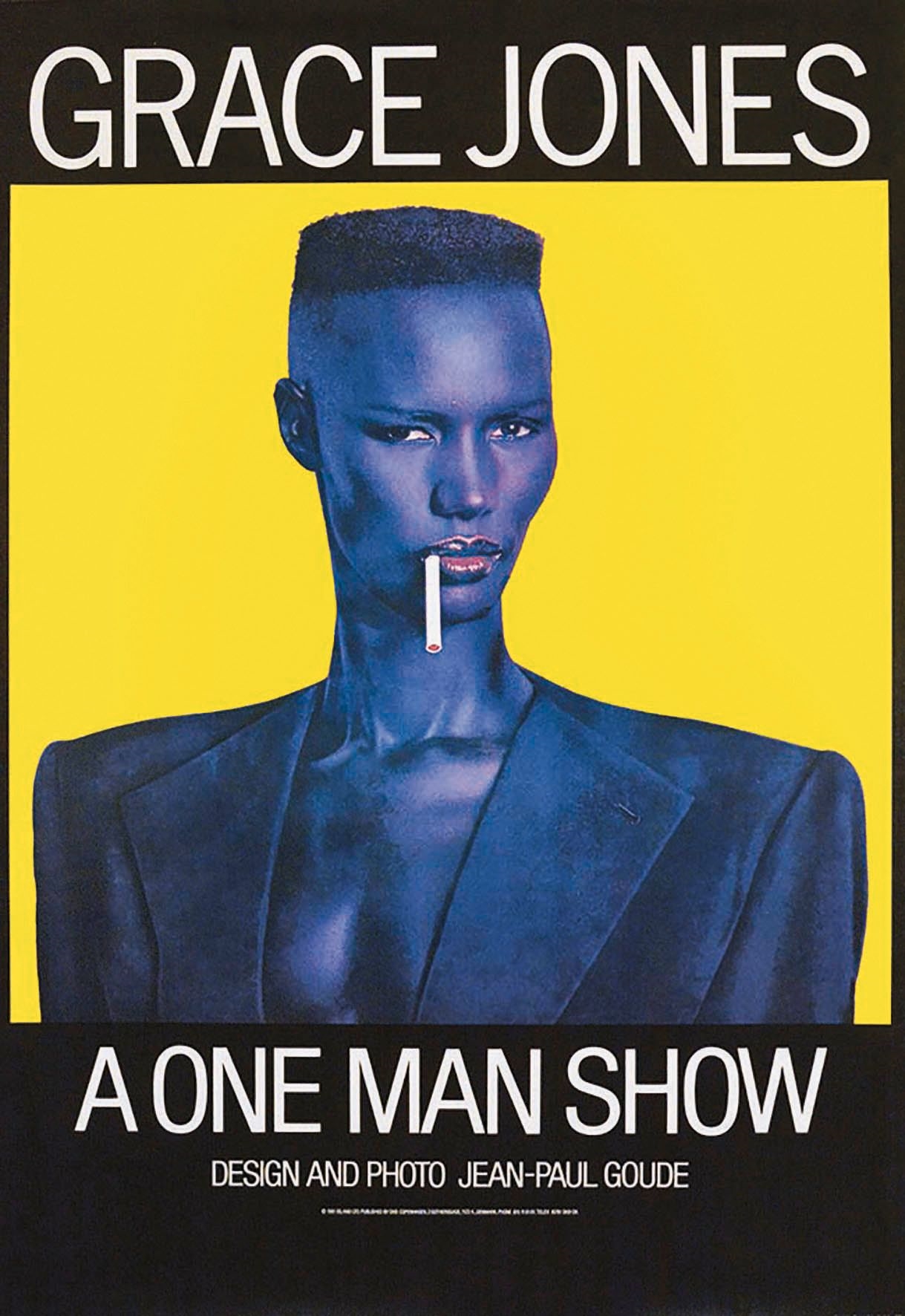
Together, they engineered the persona of Grace Jones as an imposing, gender-bending, futuristic icon. Goude did not merely photograph Jones; he sculpted her image.
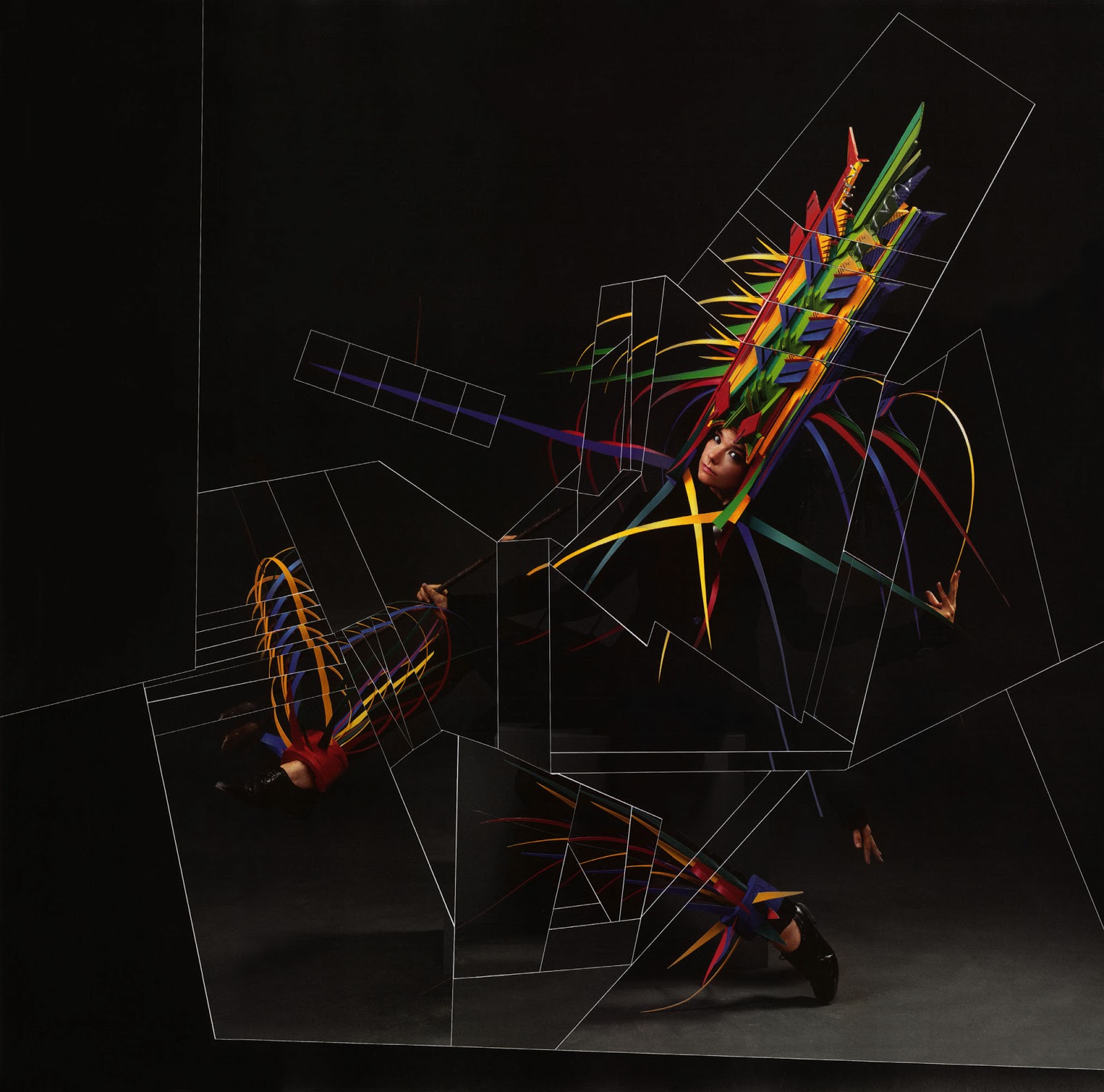
- Album Covers and Visuals: Goude conceptualized and photographed iconic album covers such as Nightclubbing and Island Life. The Island Life cover—featuring Jones in an impossible, gravity-defying atomic arabesque pose—became one of the most famous and widely referenced images in pop music history. Goude later revealed that the image was a composite created by cutting up and rearranging different photographs of Jones to achieve a stylized, sculptural perfection that was physically impossible in a single unedited frame.
- Live Performance Art: Goude translated these visual experiments into live shows, choreographing concerts that integrated industrial sets, avant-garde fashion, and kinetic body movement. He turned Jones into a living sculpture, blending African motifs, urban grit, and high-fashion elegance.
| Project / Collaboration | Primary Medium | Key Visual Technique | Cultural Impact |
|---|---|---|---|
| Esquire Magazine Covers | Print Editorial | Collage, forced perspective, hand-tinting | Redefined magazine art direction and visual satire in the 1970s. |
| Grace Jones (Island Life) | Album Artwork | In-camera photomontage, body sculpting | Created an iconic symbol of postmodern pop art and avant-garde glamour. |
| French Bicentennial Parade (1989) | Live Public Spectacle | Massive floats, synchronized global casting | Celebrated French national history through a subversive, multicultural lens. |
| Chanel "Coco" Campaign | Television Commercial | Giant birdcage, Vanessa Paradis performance | Elevated perfume advertising into a high-concept cinematic fairy tale. |
The Master of Commercial Spectacle: Advertising as Art
While his editorial work and partnerships cemented his avant-garde credentials, Goude’s commercial advertising campaigns brought his surrealist vision to a mass global audience. He demonstrated that high conceptual art could successfully sell mainstream consumer products without sacrificing artistic integrity.
The Chanel "Coco" Campaign
In 1991, Goude directed one of his most celebrated commercials for Chanel’s "Coco" fragrance, featuring French singer and actress Vanessa Paradis. In the spot, Paradis is dressed in a yellow feathered costume, trapped inside a massive golden birdcage, playing with aTweety Bird toy. The spot was whimsical, hypnotic, and technically flawless. It established a new benchmark for luxury goods advertising, proving that sophisticated fairy tales could resonate deeply with consumers.
The Egoiste Phenomenon
Another landmark collaboration with Chanel was the famous television spot for "Égoïste." Goude designed a massive hotel set where dozens of women flung open shutters in synchronized rage, screaming the name of the fragrance. The theatrical precision, geometric choreography, and dramatic lighting showcased Goude’s mastery of pacing and spatial composition.
The French Bicentennial Parade: A National Stage
In 1989, the French government commissioned Goude to design and orchestrate the grand parade celebrating the bicentennial of the French Revolution on the Champs-Élysées. This monumental task shifted Goude’s art from private studio photography and short commercials to massive public spectacle.
Titled 🌟 La Marseillaise, the parade was a globally televised event that reflected Goude’s idiosyncratic worldview. Instead of a traditional military procession, Goude transformed the avenue into a vibrant, multicultural carnival. He incorporated dance troupes from around the world, marching bands, historical tableaus, and floats featuring global performers. The event cemented his status not just as an image-maker, but as a master director of public ritual and cultural celebration, showcasing diversity and global rhythm at the heart of French national identity.
Technical Mastery and Artistic Legacy
Jean-Paul Goude’s enduring influence on modern visual artists, photographers, and music video directors stems from his rigorous approach to craftsmanship. Long before digital filters and software manipulation became ubiquitous, Goude mastered physical techniques to bend reality to his artistic will.
- Goude's Visual Methodology
- Conceptualization & Storyboarding
- Defining the narrative core and cultural subtext
- Physical Manipulation (Pre-Digital)
- Cut-and-paste collage, multi-exposure capture
- Theatrical Staging & Choreography
- Precise spatial arrangement, forced perspective
- Commercial & Cultural Execution
- Delivering high-impact art for magazines & screens
- Conceptualization & Storyboarding
The Anti-Digital Ethos
Goude’s reliance on physical craft—such as manually cutting negatives, painting directly onto prints, and building elaborate physical sets—imbues his work with a tactile warmth that digital rendering often lacks. Even as digital tools evolved, Goude maintained an organic approach to illusion, teaching generations of creators that imagination combined with physical execution yields a more arresting visual truth.
Influence on Modern Pop Culture
The visual vocabulary established by Goude is visible across contemporary entertainment:
- Music Videos: Directors working with artists like Beyoncé, Lady Gaga, and Nicki Minaj frequently draw upon Goude’s framing, use of scale, and kinetic body horror.
- Fashion Photography: High-fashion editorials in publications like Vogue and Harper's Bazaar regularly employ Goude's techniques of exaggerated anatomy and surreal juxtaposition.
- Branding: Global brands continue to look to Goude’s playbook of transforming simple product launches into cultural events through theatrical staging.
Frequently Asked Questions
Who is Jean-Paul Goude?
Jean-Paul Goude is a French graphic designer, illustrator, photographer, and advertising director known for his surreal imagery, collaborations with Grace Jones, and grand public spectacles like the 1989 French Bicentennial parade.
What are Jean-Paul Goude's most famous works?
His most notable works include his art direction for Esquire magazine in the 1970s, the Island Life album cover for Grace Jones, commercials for Chanel (such as the "Coco" birdcage spot with Vanessa Paradis), and the 1989 French Bicentennial parade.
How did Jean-Paul Goude create his surreal photographic effects?
Before digital software became common, Goude achieved his signature surreal effects using physical techniques such as in-camera multi-exposures, hand-tinting, cut-and-paste collage, and forced perspectives to manually distort human proportions.
How did Jean-Paul Goude influence modern advertising?
Goude revolutionized advertising by elevating commercial spots into high-art cinematic fairy tales, proving that conceptual storytelling, theatrical staging, and surrealism could successfully drive luxury brand marketing.
Where can I view exhibitions of Jean-Paul Goude's work?
Goude's work has been featured in major retrospective exhibitions at institutions like the Musée des Arts Décoratifs in Paris, as well as in various international design monographs and galleries dedicated to 20th-century visual culture.
Conclusion and Next Actions
Jean-Paul Goude’s impact on visual culture lies in his fearless refusal to separate art from commerce, or reality from imagination. By treating the human body as an elastic sculpture and advertising as a grand theatrical stage, he expanded the boundaries of what visual media could achieve. For designers, photographers, and marketers looking to elevate their craft, studying Goude offers a masterclass in conceptual daring, meticulous execution, and the power of uncompromising original vision. To apply his principles today, creators should look beyond digital shortcuts, embrace physical craftsmanship, and seek bold, unexpected juxtapositions in their visual storytelling.
Image Gallery