Why the Five Star Hotels in Istanbul Impress: A Fusion of Heritage and Modern Luxury
The five-star hotels in Istanbul impress through a rare synthesis of imperial Ottoman history, unparalleled Bosphorus-front geography, and a deeply ingrained culture of hospitality known as "misafirperverlik." By blending meticulous re...
The five-star hotels in Istanbul impress through a rare synthesis of imperial Ottoman history, unparalleled Bosphorus-front geography, and a deeply ingrained culture of hospitality known as "misafirperverlik." By blending meticulous restoration of 19th-century palaces with cutting-edge contemporary design and Michelin-caliber gastronomy, these establishments offer a sensory experience that bridges European sophistication and Eastern opulence.
Contents
The Architectural Legacy: From Ottoman Palaces to Modern Sanctuaries
One of the primary reasons Istanbul’s luxury hospitality sector stands apart from other global hubs like London or Paris is its utilization of authentic historical infrastructure. In Istanbul, a five-star stay often involves residing within the same walls that once housed Ottoman royalty or high-ranking officials.
Restoration and Adaptive Reuse
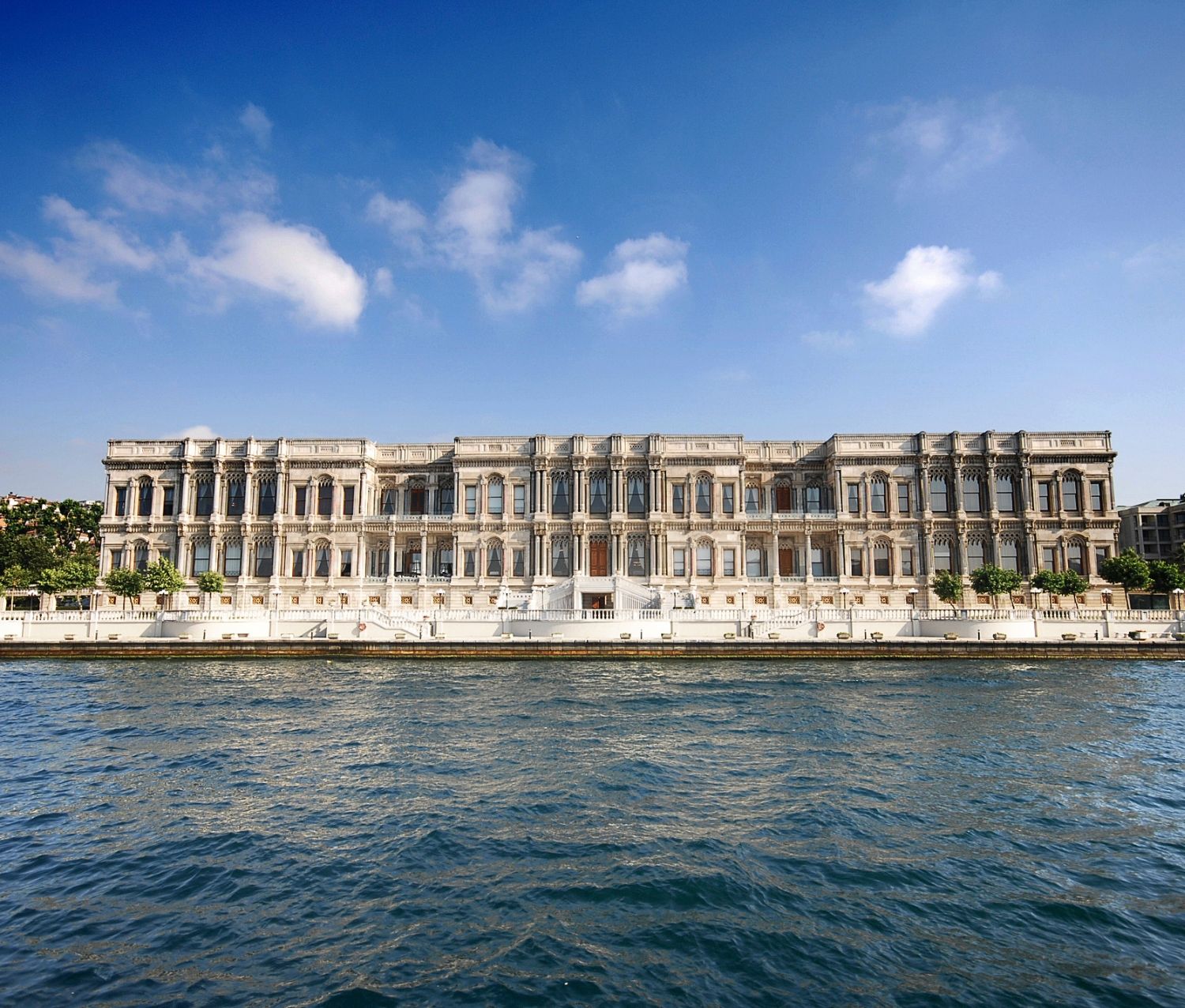
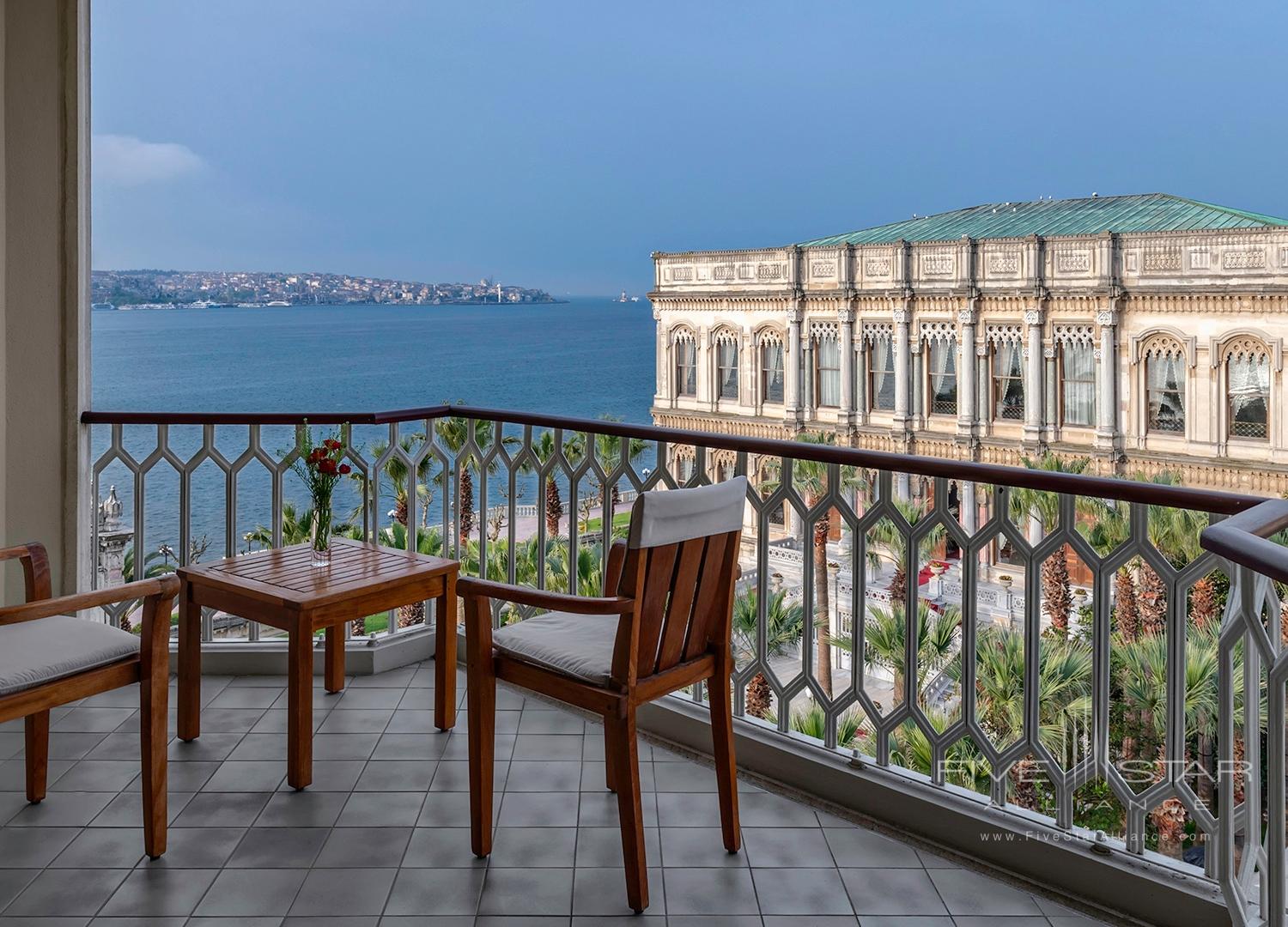
The city has mastered the art of adaptive reuse. Properties like the Çırağan Palace Kempinski and the Four Seasons Hotel Istanbul at Sultanahmet are not merely themed hotels; they are protected historical landmarks. The Çırağan Palace, originally built in the 1860s, allows guests to stay in the historical palace wing, featuring high ceilings, gold-leaf accents, and period-accurate furniture. This architectural authenticity provides a level of immersion that modern luxury builds cannot replicate.
Contemporary Innovation
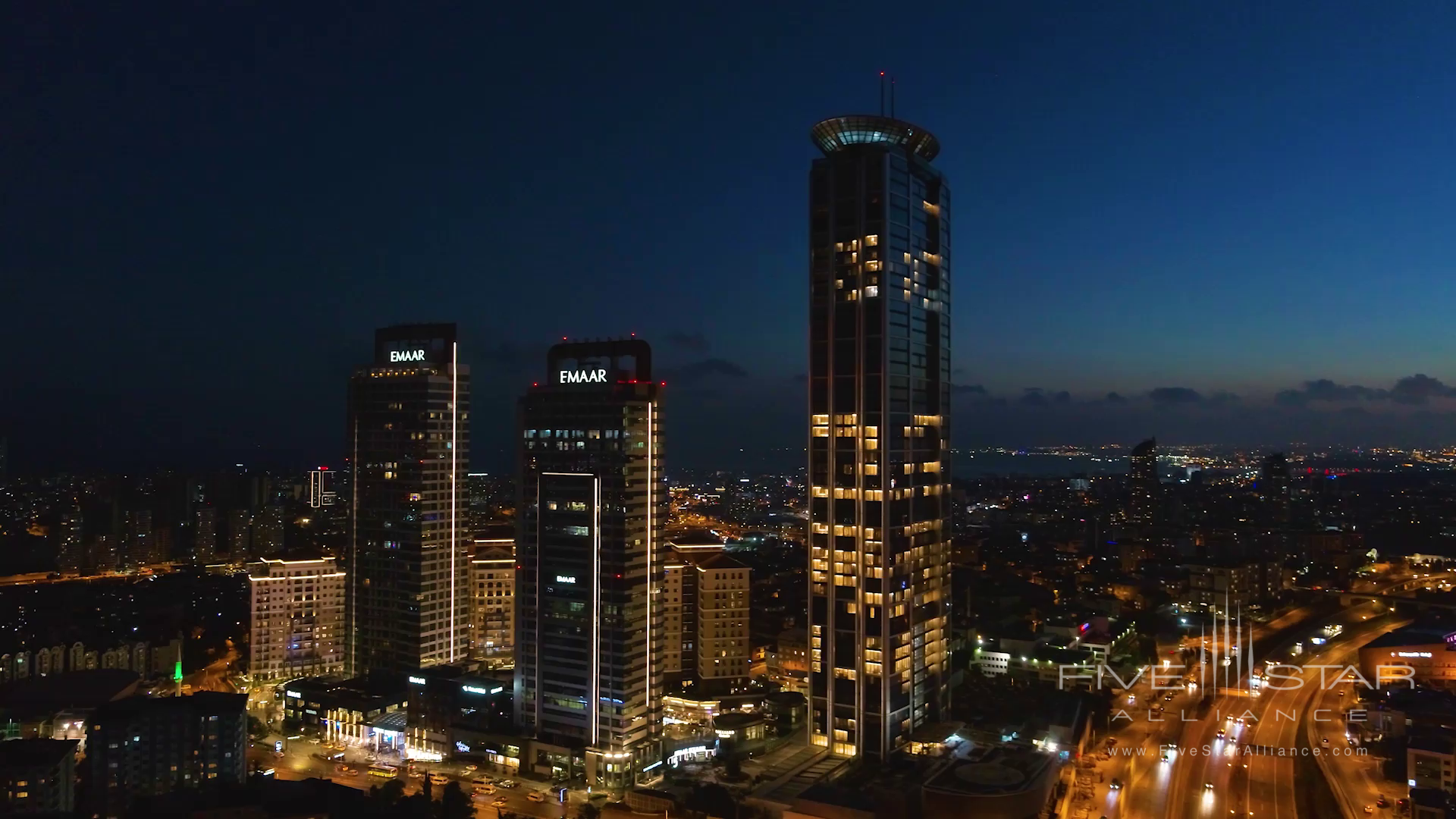
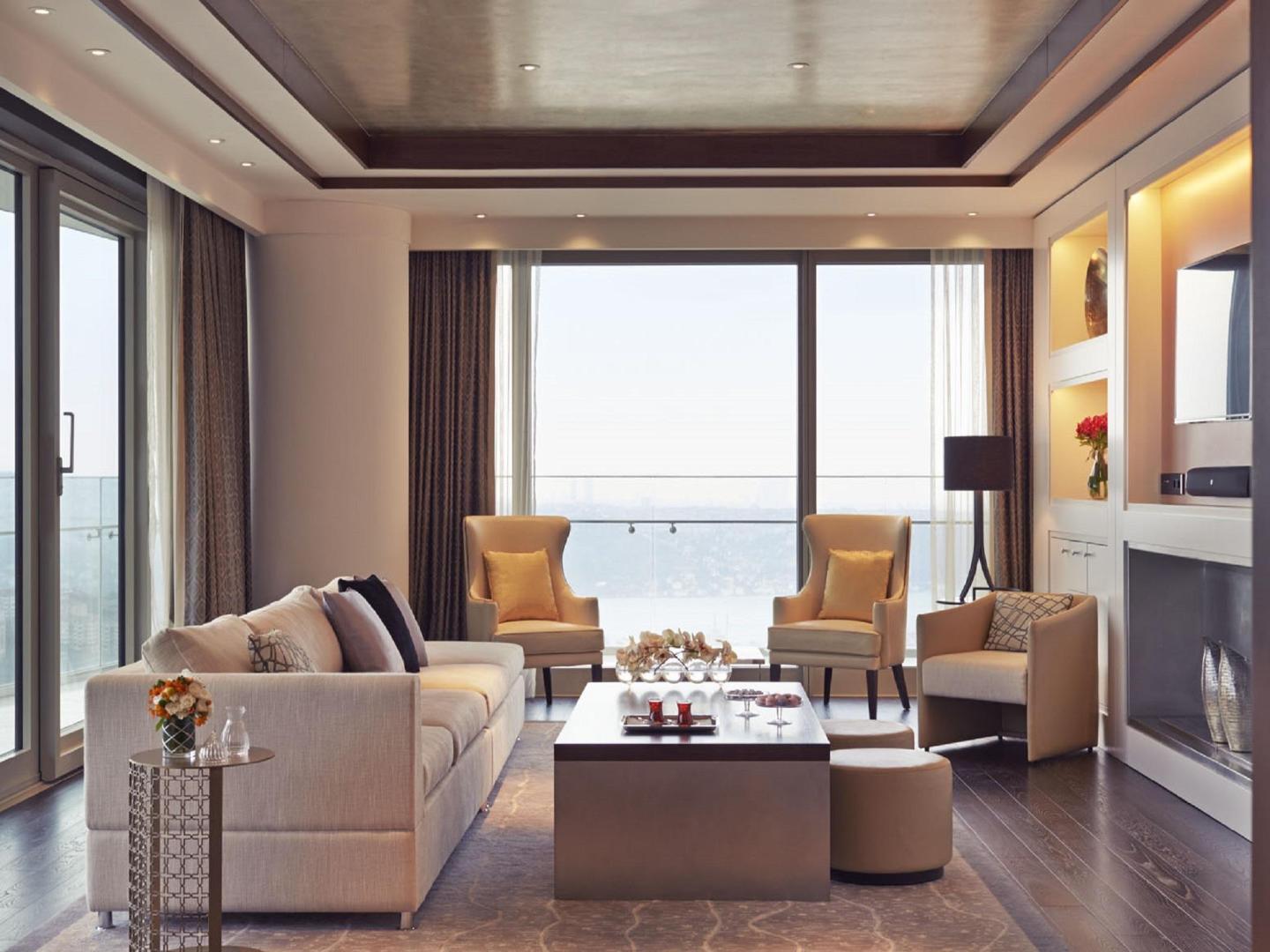
While history is a major draw, the 2026 landscape of Istanbul luxury also embraces bold, modern architecture. The development of the Galataport district and the rise of sleek skyscrapers in the Levent and Maslak financial districts have introduced a different kind of "impressive." These hotels focus on floor-to-ceiling glass walls, minimalist aesthetic, and "smart room" technology that caters to the modern business traveler while maintaining the warmth associated with Turkish service.
The Bosphorus Factor: A Unique Geographic Advantage
Geography is perhaps the most significant "unfair advantage" Istanbul hotels possess. The Bosphorus Strait, which separates Europe and Asia, serves as a dynamic backdrop that changes with the light of the day and the season.
Waterfront Grandeur
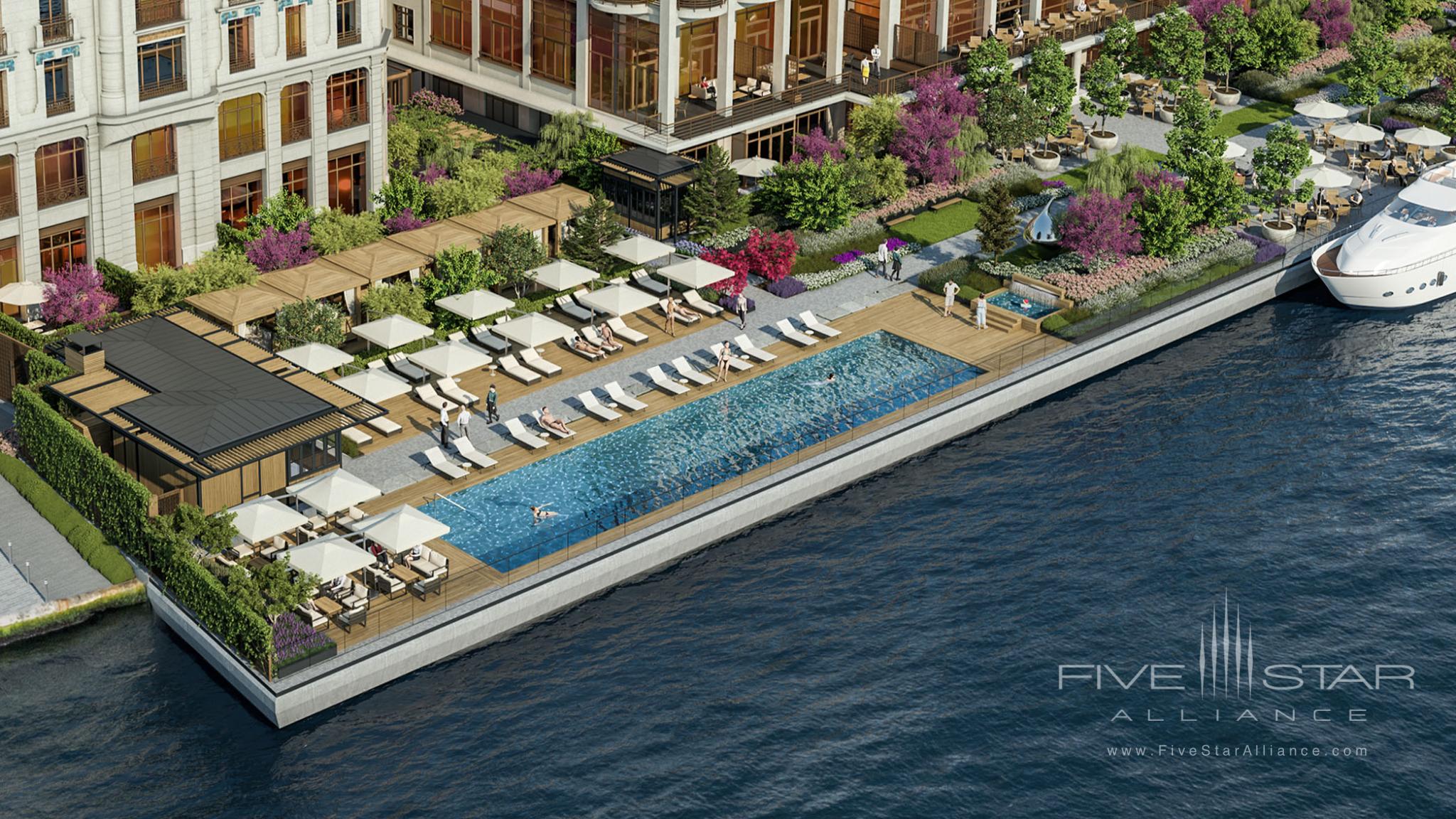
Hotels situated directly on the Bosphorus, such as the Mandarin Oriental Bosphorus and the Shangri-La Bosphorus, offer a "resort in the city" feel. The proximity to the water is not just about the view; it is about the access. Many five-star properties maintain private piers, allowing guests to bypass Istanbul’s notorious traffic by utilizing private water taxis or yachts to reach the Old City or the Black Sea mouth.
Panoramic Views as a Standard
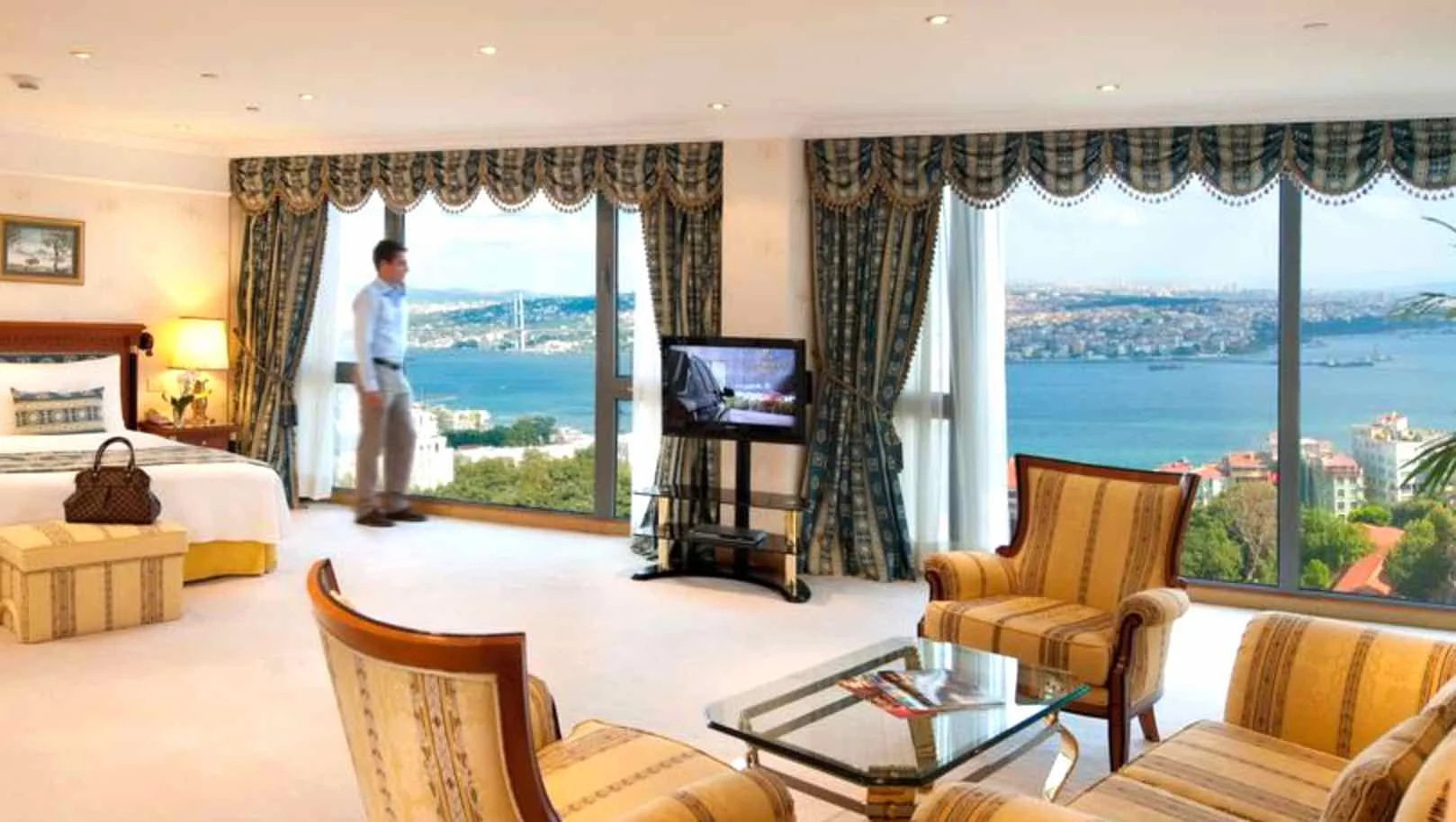
Even for hotels not located on the water’s edge, the topography of Istanbul—built on seven hills—allows for dramatic panoramic views. Rooftop bars and restaurants are a staple of the Istanbul five-star experience. The ability to dine while overlooking the Hagia Sophia, the Blue Mosque, and the Bosphorus Bridge simultaneously is a key factor in why these establishments leave a lasting impression on international visitors.
The Service Culture: Beyond Standard Protocol
Technical luxury (expensive linens, high-end toiletries, and marble bathrooms) is a global commodity. What distinguishes Istanbul is the "soft" side of luxury: the service.
Proactive Hospitality
Turkish hospitality is rooted in the tradition of treating a guest as a "guest of God" (Tanrı misafiri). In a five-star context, this translates to service that is proactive rather than reactive. Staff members are often trained to anticipate needs before they are voiced. It is common to find concierges who possess deep local networks, capable of securing last-minute reservations at "impossible" venues or arranging private tours of the Grand Bazaar’s hidden workshops.
Specialized Roles
To maintain this high standard, Istanbul’s top-tier hotels often employ specialized staff roles that go beyond the standard bellhop or receptionist. These include:
- Soap Butlers: Providing curated scents and traditional Turkish soaps for the bath experience.
- Cultural Ambassadors: Staff dedicated to explaining the history of the hotel’s neighborhood and architecture.
- Hamam Tellaks: Professionals trained in the centuries-old art of the Turkish bath, ensuring the wellness experience is culturally authentic.
The Evolution of Wellness: The Modern Turkish Hamam
The wellness offerings in Istanbul’s five-star hotels are among the most impressive in the world because they are based on a living tradition. The Turkish Hamam is not an imported spa concept; it is an indigenous ritual that has been refined over a millennium.
Luxury hotels in Istanbul have invested heavily in creating "Hamam Sanctuaries." These spaces use high-grade Marmara marble, intricate tile work, and heated platforms. The experience usually involves a sequence of steam, vigorous exfoliation with a kese (mitt), and a foam massage. By integrating this traditional practice with modern amenities like cryotherapy, infrared saunas, and holistic skincare, Istanbul hotels offer a comprehensive wellness package that is both medically beneficial and culturally enriching.
Gastronomy: A Culinary Destination within the Hotel
In many global cities, hotel restaurants are often seen as a last resort for tired travelers. In Istanbul, the five-star hotel restaurant is often the city’s culinary focal point.
Michelin Recognition and Local Ingredients
As of 2026, the Turkish culinary scene has seen a significant surge in international recognition, with many hotel-based restaurants earning Michelin stars or "Recommended" status. These kitchens prioritize regional sourcing—olives from the Aegean, lamb from Thrace, and spices from the Southeast.
Diverse Dining Concepts
The diversity of dining within a single property is also a factor. It is standard for a luxury hotel in Istanbul to offer:
- A Fine-Dining Turkish Restaurant: Reimagining Ottoman palace cuisine for a modern palate.
- International Concepts: High-end Japanese, Italian, or Peruvian-Asian fusion (Nikkei).
- The Breakfast Spread: The "Van-style" Turkish breakfast served in these hotels is legendary, often featuring dozens of small plates, including honeycomb, clotted cream (kaymak), and artisanal cheeses.
Comparative Overview of Iconic Istanbul Five-Star Properties
| Hotel Property | Style / Architecture | Primary "Impression" Factor | Target Audience |
|---|---|---|---|
| Çırağan Palace Kempinski | Imperial Ottoman Palace | Authenticity and Royal History | Luxury leisure, State visits |
| Four Seasons Sultanahmet | Neoclassical (Former Prison) | Proximity to Historical Landmarks | Cultural enthusiasts |
| The Peninsula Istanbul | Modern/Heritage Mix | Galataport location & Art collection | Art lovers, Modern travelers |
| Raffles Istanbul | Contemporary / Avant-garde | Tech-forward luxury & Butler service | Business elite, Fashionistas |
| Six Senses Koçtaş Mansions | Restored Ottoman Mansions | Sustainable luxury & Wellness | Wellness seekers, Privacy |
Neighborhood Dynamics: Choosing the Right "Luxury"
The neighborhood in which a five-star hotel is located significantly dictates the type of impression it leaves. Istanbul is a sprawling metropolis, and each district offers a distinct flavor of luxury.
- Beşiktaş and Ortaköy: Home to the "Big Three" palace hotels. This area is about prestige, Bosphorus views, and high-society events.
- Nişantaşı: The fashion heart of the city. Hotels here, like the St. Regis Istanbul, cater to those who want to be steps away from Chanel, Louis Vuitton, and the city’s best private galleries.
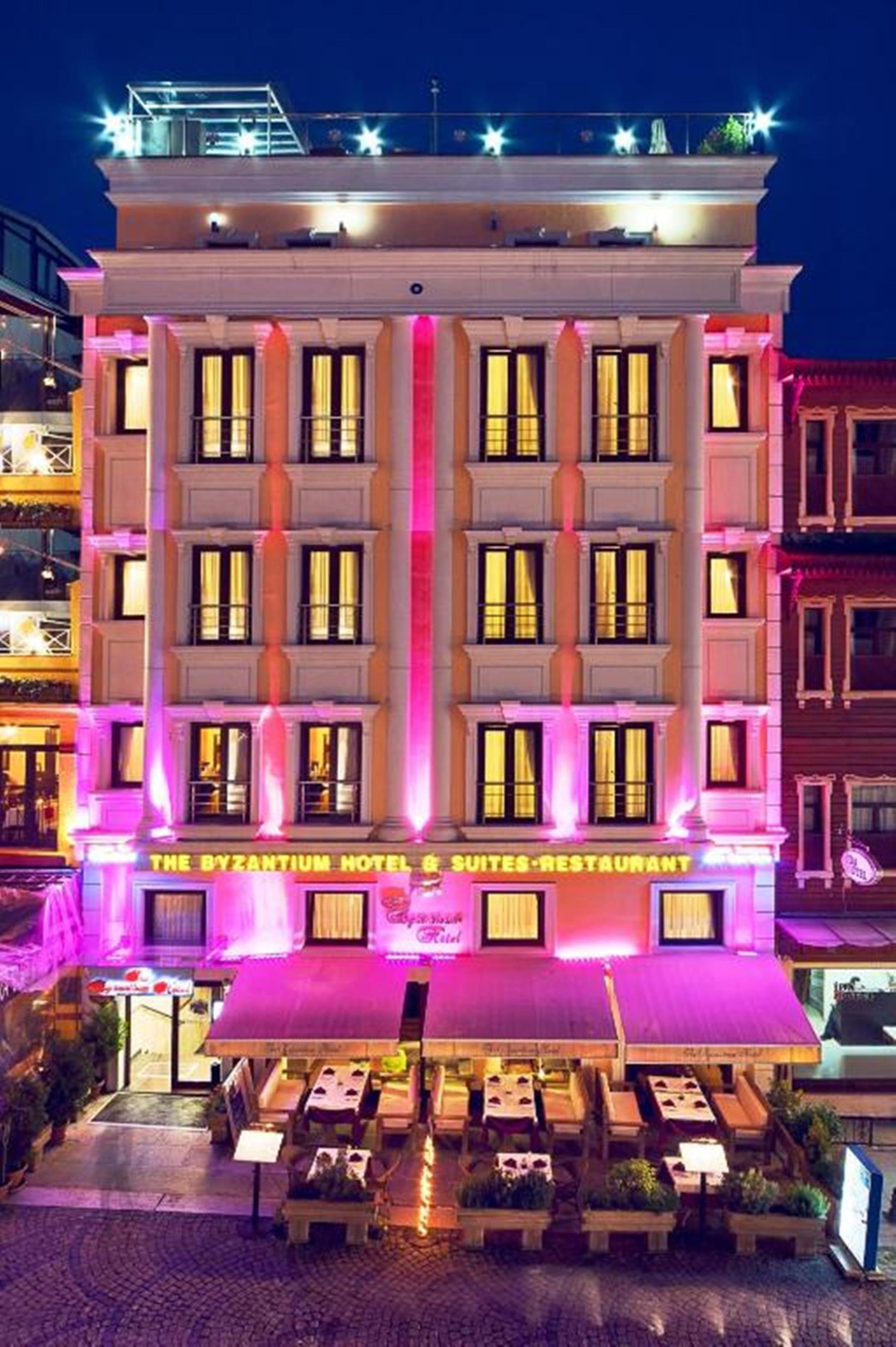
- Sultanahmet: The historical core. Luxury here is intimate and boutique-styled, focusing on the echoes of the Byzantine and Ottoman empires.
- The New Center (Levent/Maslak): This is where high-rise luxury resides. These hotels impress with their scale, helicopter pads, and proximity to high-end shopping malls like Zorlu Center.
Frequently Asked Questions
What is the average cost of a five-star hotel in Istanbul in 2026?
While prices fluctuate based on the season (May to September being peak), a standard room in a top-tier five-star hotel typically ranges from €450 to €900 per night. Ultra-luxury suites or palace rooms in properties like the Çırağan can exceed €5,000 per night.
Is the Turkish Hamam experience included in the room rate?
Access to the hamam facilities (the marble rooms and steam areas) is almost always included for guests. However, specific treatments like the traditional scrub and foam massage are considered spa services and carry an additional fee, usually ranging from €80 to €150.
Do these hotels cater well to business travelers?
Yes. Istanbul is a major global hub for trade and aviation. Most five-star hotels offer sophisticated business centers, high-speed fiber optic internet, and extensive meeting facilities. Hotels in the Levent and Maslak districts are specifically designed with the corporate traveler in mind.
How do Istanbul's five-star hotels compare to those in Dubai or Qatar?
While Dubai and Qatar focus on "the biggest and the newest," Istanbul’s luxury hotels focus on "heritage and soul." Istanbul offers a historical depth that the Gulf cities cannot match, paired with a more temperate climate and a more diverse culinary heritage.
Are five-star hotels in Istanbul safe?
Yes. Luxury hotels in Istanbul maintain high-security standards, including discreet bag screening at entrances and 24/7 surveillance. They are among the safest environments in the city for international visitors.
Practical Recommendations for Travelers
To truly appreciate why these hotels impress, visitors should consider a "split stay." Spend two nights in a historical property in Sultanahmet to absorb the Old City’s atmosphere, and then move to a Bosphorus-front hotel in Beşiktaş for the remaining nights. This provides a full spectrum of what Istanbul luxury entails. Always book directly or through a verified luxury travel advisor to ensure access to "Preferred Partner" benefits such as complimentary breakfasts, room upgrades, and late check-outs, which are standard perks in the 2026 Istanbul hospitality market.
Image Gallery