How to Choose Beneficiaries for Basic Life Insurance: A Comprehensive Guide
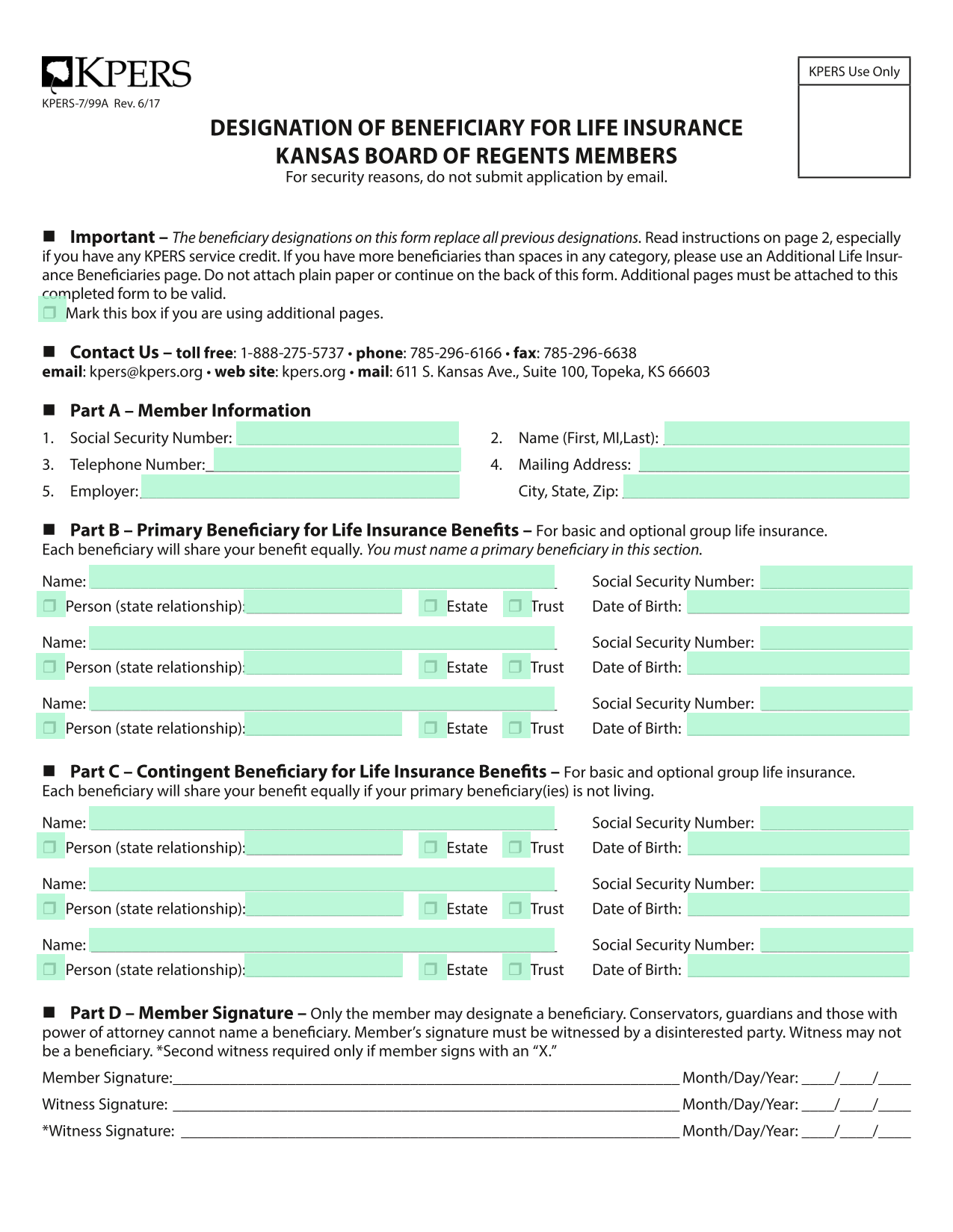
Choosing a beneficiary for basic life insurance involves naming the individuals or entities that will receive your policy's death benefit upon your passing. To ensure a smooth transfer of funds, you must provide specific identifying in...
Choosing a beneficiary for basic life insurance involves naming the individuals or entities that will receive your policy's death benefit upon your passing. To ensure a smooth transfer of funds, you must provide specific identifying information, establish a hierarchy of primary and contingent beneficiaries, and consider the legal implications of naming minors or your estate.
Contents
When you enroll in an employer-sponsored benefits package or purchase a private policy, one of the most consequential decisions you face is the designation of a beneficiary. While "basic" life insurance is often provided by an employer at no cost to the employee, the legal weight of the beneficiary form is immense. In 2026, the process of managing these designations has become increasingly digital, yet the underlying legal principles regarding probate, state community property laws, and the Employee Retirement Income Security Act (ERISA) remain as vital as ever.
Understanding Basic Life Insurance and the Role of a Beneficiary
Basic life insurance is typically a group term policy provided by an employer. It usually offers a fixed amount, such as $50,000, or a multiple of your annual salary (e.g., 1x or 2x earnings). Because this coverage is often automatic or low-cost, many individuals treat the paperwork as a mere formality. However, the beneficiary designation is a legally binding instruction to the insurance company that bypasses your will.
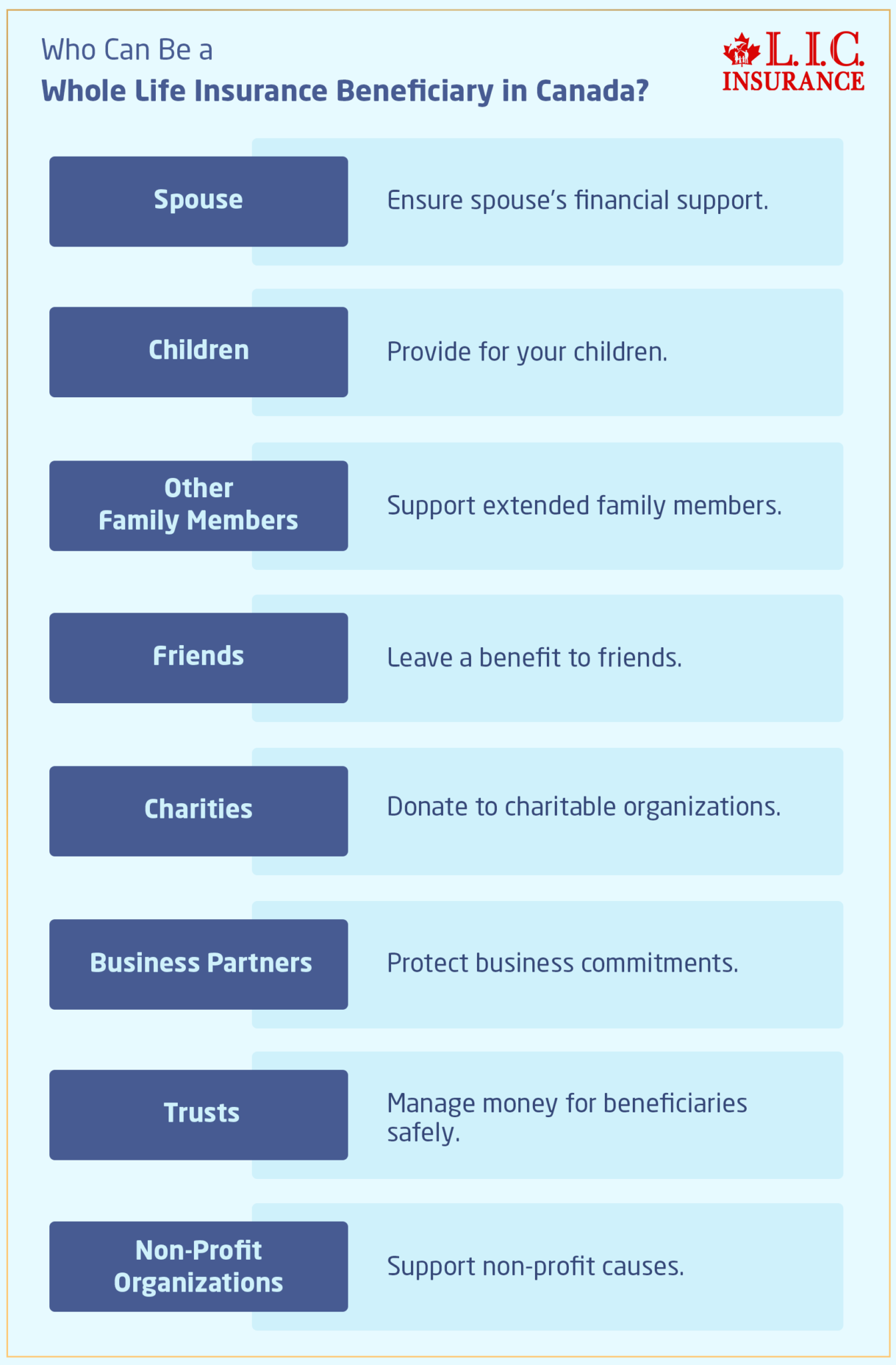
A beneficiary is the person, trust, or organization legally entitled to the proceeds of the policy. If you fail to name a beneficiary, the insurance company will follow a "standard order of precedence" defined in the policy document, which often results in the money going to a surviving spouse, then children, then your estate. Allowing the policy to default to your estate is generally unfavorable, as it subjects the funds to the probate process, potentially delaying the payout and making the money accessible to creditors.
Primary vs. Contingent Beneficiaries: Establishing a Hierarchy
To create a robust financial plan, you should never name just one person. Insurance professionals in 2026 emphasize a tiered approach to ensure the death benefit is paid out according to your wishes, even if your first choice is unable to receive it.
The Primary Beneficiary
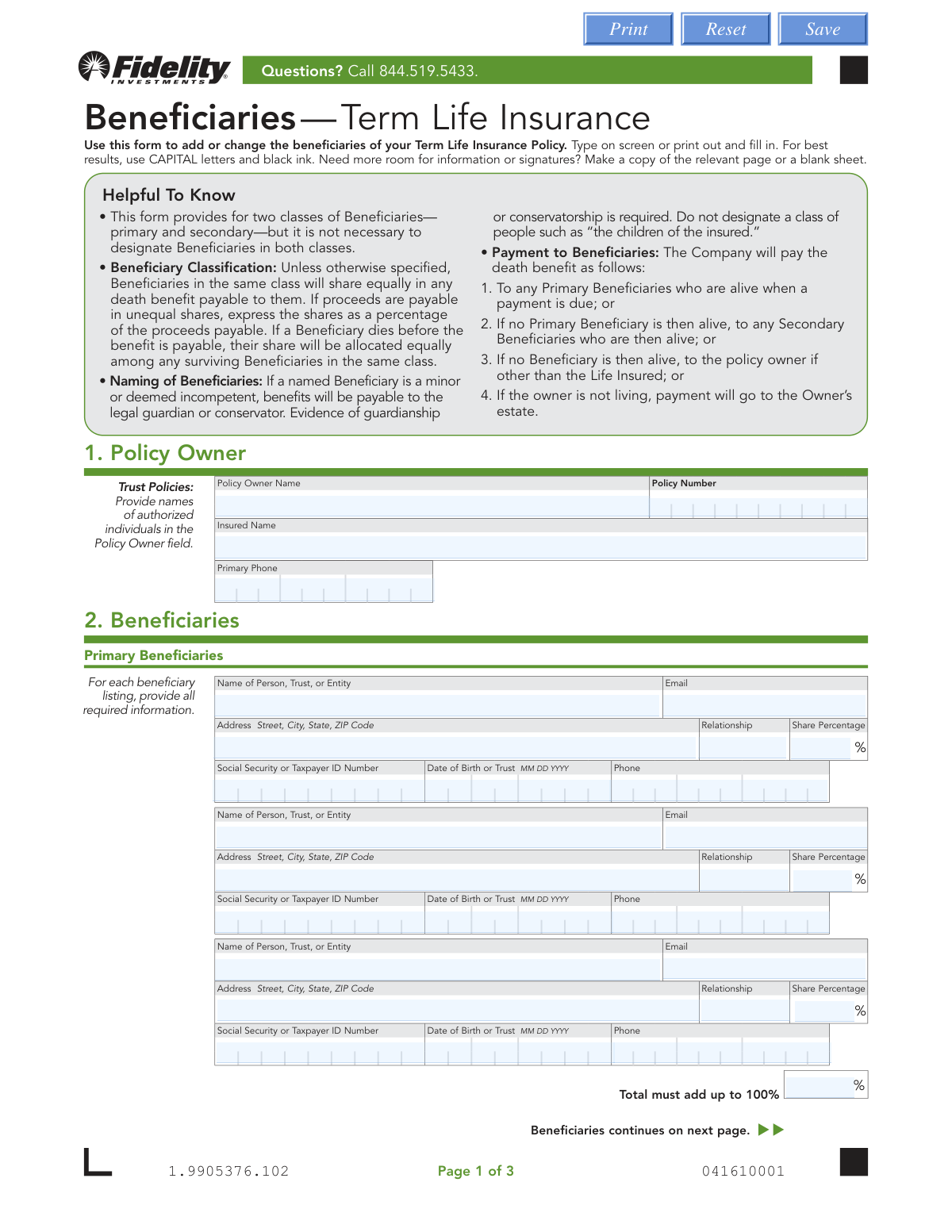
The primary beneficiary is first in line to receive the policy proceeds. You can name a single person or multiple people. If you name multiple primary beneficiaries, you must specify the percentage of the benefit each should receive (e.g., 50% to a spouse and 25% to each of two siblings). The total must always equal 100%.
The Contingent Beneficiary
A contingent (or secondary) beneficiary acts as a "backup." They only receive the death benefit if all named primary beneficiaries predecease the insured. For example, if a husband names his wife as the primary beneficiary and his sister as the contingent, the sister only receives the funds if the wife has already passed away at the time of the husband's death. This prevents the policy from reverting to the estate if the primary beneficiary is no longer living.
Legal Designations: Per Stirpes vs. Per Capita
When naming multiple beneficiaries, particularly children or grandchildren, you must choose how the money is distributed if one of those beneficiaries dies before you. This is where the technical terms per stirpes and per capita become essential.
- Per Stirpes (By Branch): If a named beneficiary dies before you, their share of the insurance proceeds passes to their heirs (usually their children). This ensures that each "branch" of a family receives its intended portion.
- Per Capita (By Head): If a named beneficiary dies before you, their share is canceled and redistributed among the remaining surviving beneficiaries in that tier.
Choosing between these two depends heavily on your family structure and your desire to provide for grandchildren or other extended family members. Most basic life insurance forms in 2026 allow you to select one of these options via a checkbox or specific language.
Navigating Complex Beneficiary Scenarios
Selecting a spouse or an adult child is straightforward, but several scenarios require more careful legal navigation to avoid unintended consequences.
Naming Minor Children
Insurance companies cannot pay large sums of money directly to minors. If you name a child under the age of 18 (or 21, depending on state law) as a beneficiary without a legal structure in place, the court will likely appoint a guardian to manage the funds until the child reaches adulthood. This process is expensive and may involve court oversight that restricts how the money is used.
To avoid this, many policyholders utilize the Uniform Transfers to Minors Act (UTMA) or the Uniform Gifts to Minors Act (UGMA) by naming a custodian. A more robust option is to create a trust for the benefit of the child and name the trust as the beneficiary.
Special Needs Beneficiaries
If you have a loved one with a disability who relies on government assistance, such as Supplemental Security Income (SSI) or Medicaid, a direct life insurance payout could disqualify them from these benefits. In these cases, it is standard practice to name a Special Needs Trust (SNT) as the beneficiary. The trust manages the funds to improve the beneficiary's quality of life without counting as an asset for government eligibility purposes.
Community Property States
In 2026, several U.S. states (including California, Texas, and Washington) follow community property laws. In these jurisdictions, income earned during a marriage is generally considered owned equally by both spouses. If you live in a community property state and wish to name someone other than your spouse as the primary beneficiary for more than 50% of the benefit, your spouse may be required to sign a written waiver. Failing to obtain this consent can lead to legal challenges and delays during the claims process.
Revocable vs. Irrevocable Designations
Most life insurance designations are revocable, meaning you can change the beneficiary at any time without their permission. This provides the flexibility needed to respond to life changes like marriage or divorce.
An irrevocable beneficiary, however, has a vested interest in the policy. You cannot change the beneficiary, cancel the policy, or take out a loan against it without the irrevocable beneficiary’s written consent. These are less common in basic life insurance but are sometimes required as part of a divorce decree or a business agreement to ensure financial obligations are met.
Beneficiary Selection Comparison Table
| Beneficiary Type | Best For | Pros | Cons |
|---|---|---|---|
| Spouse | Providing immediate lifestyle support. | Simple transfer; usually avoids probate. | Subject to community property laws in some states. |
| Adult Children | Legacy planning and financial support. | Direct payout; bypasses will. | May need "per stirpes" to protect grandchildren. |
| Trust | Minors or special needs individuals. | High control over how/when money is spent. | Costs money to set up and maintain. |
| Charity | Supporting a cause or reducing estate tax. | Fulfills philanthropic goals. | Funds are not available to family members. |
| Estate | Rarely recommended. | Simplifies the naming process. | Subject to probate, creditors, and legal delays. |
Common Pitfalls and How to Avoid Them
Even with the best intentions, certain mistakes can lead to the "wrong" people getting your life insurance proceeds or the money being tied up in court for years.
- Naming a "Life Partner" Without Legal Documentation: If you are not legally married, your partner has no inherent right to your benefits unless they are explicitly named. In the absence of a designation, the insurance company will follow the standard order of precedence, which usually favors blood relatives.
- Using Vague Language: Never simply write "my children" or "my family." Always use full legal names, Social Security numbers, and dates of birth. This ensures the insurance company can locate the correct individuals.
- Forgetting to Update After Divorce: In many states, a divorce decree does not automatically revoke a beneficiary designation. If you forget to remove an ex-spouse, the insurance company may be legally required to pay them, regardless of what your current will says.
- Naming a Creditor: While it might seem efficient to name a creditor to pay off a debt, it is generally better to name a trusted individual who can settle the debt, as naming a creditor directly can create complicated tax and legal issues.
Updating Your Designations in 2026
Life insurance is not a "set it and forget it" financial product. Standard financial advice for 2026 suggests reviewing your beneficiaries annually or whenever a major life event occurs. These events include:
- Marriage or legal domestic partnership.
- The birth or adoption of a child.
- A change in the financial needs of a dependent.
- The death of a previously named beneficiary.
- Divorce or legal separation.
- A change in state residency (due to differing community property laws).
Most employers now provide a digital portal for managing basic life insurance. Ensure you have a copy of your most recent designation and share the location of this information with your primary beneficiary.
Frequently Asked Questions
Can I name my pet as a beneficiary?
No, insurance companies cannot pay benefits to animals. If you wish to provide for a pet, you should name a human caretaker or a "Pet Trust" as the beneficiary, with specific instructions on how the funds should be used for the pet's care.
What happens if the beneficiary and the insured die at the same time?
Most policies have a "Common Disaster Clause." If it cannot be determined who died first, or if the beneficiary dies within a short window (usually 30 to 90 days) after the insured, the policy treats the beneficiary as having died first. The benefit then goes to the contingent beneficiary.
Are life insurance payouts taxable to the beneficiary?
Generally, life insurance death benefits are not considered taxable income by the IRS. However, if the payout is delayed and the insurance company pays interest on the balance, that interest portion may be taxable. Furthermore, if the benefit is paid to your estate, it may be subject to estate taxes if the total value of the estate exceeds federal or state thresholds.
Can a will override a life insurance beneficiary designation?
No. A life insurance policy is a legal contract that exists outside of a will. The insurance company is contractually obligated to pay the person named on the beneficiary form, even if a more recent will specifies someone else.
How do I find out who my employer has on file as my beneficiary?
You can typically check this through your company's Human Resources portal or by contacting the insurance carrier directly. It is a best practice to download a PDF confirmation of your choices for your personal records.
Recommendation for Next Actions
To secure your legacy in 2026, begin by logging into your employer’s benefits portal to confirm your current designations for basic life insurance. If you haven't reviewed them in the last 12 months, do so now. Ensure you have named at least one contingent beneficiary and verified that the contact information for all parties is accurate. If you are naming a minor or a person with special needs, consult with an estate planning attorney to discuss the implementation of a trust to protect their long-term financial interests.
Image Gallery