The Truth About Weight Stigma: Understanding Systemic Bias and Its Consequences
Weight stigma—the social devaluation and mistreatment of individuals based on their body size—is a pervasive public health issue that persists despite growing awareness of its psychological and physiological impacts. It manifests as in...
Weight stigma—the social devaluation and mistreatment of individuals based on their body size—is a pervasive public health issue that persists despite growing awareness of its psychological and physiological impacts. It manifests as internalized shame, systemic discrimination in employment and healthcare, and overt interpersonal hostility. Recognizing that weight is not solely a matter of individual willpower, but a complex intersection of biology, environment, and socioeconomic factors, is essential for addressing the genuine health disparities faced by individuals in larger bodies.
Contents
Defining the Scope of Weight Stigma
Weight stigma, often referred to as weight bias or "weightism," is the societal prejudice against people who are perceived to have higher body weight. Unlike other forms of social discrimination that have faced significant legal and cultural reckoning, weight bias remains largely socially acceptable in many jurisdictions. It is often fueled by the false narrative that weight is entirely within an individual’s control, ignoring the sophisticated biological mechanisms—such as metabolic adaptation, neuroendocrine signaling, and genetics—that regulate body mass.
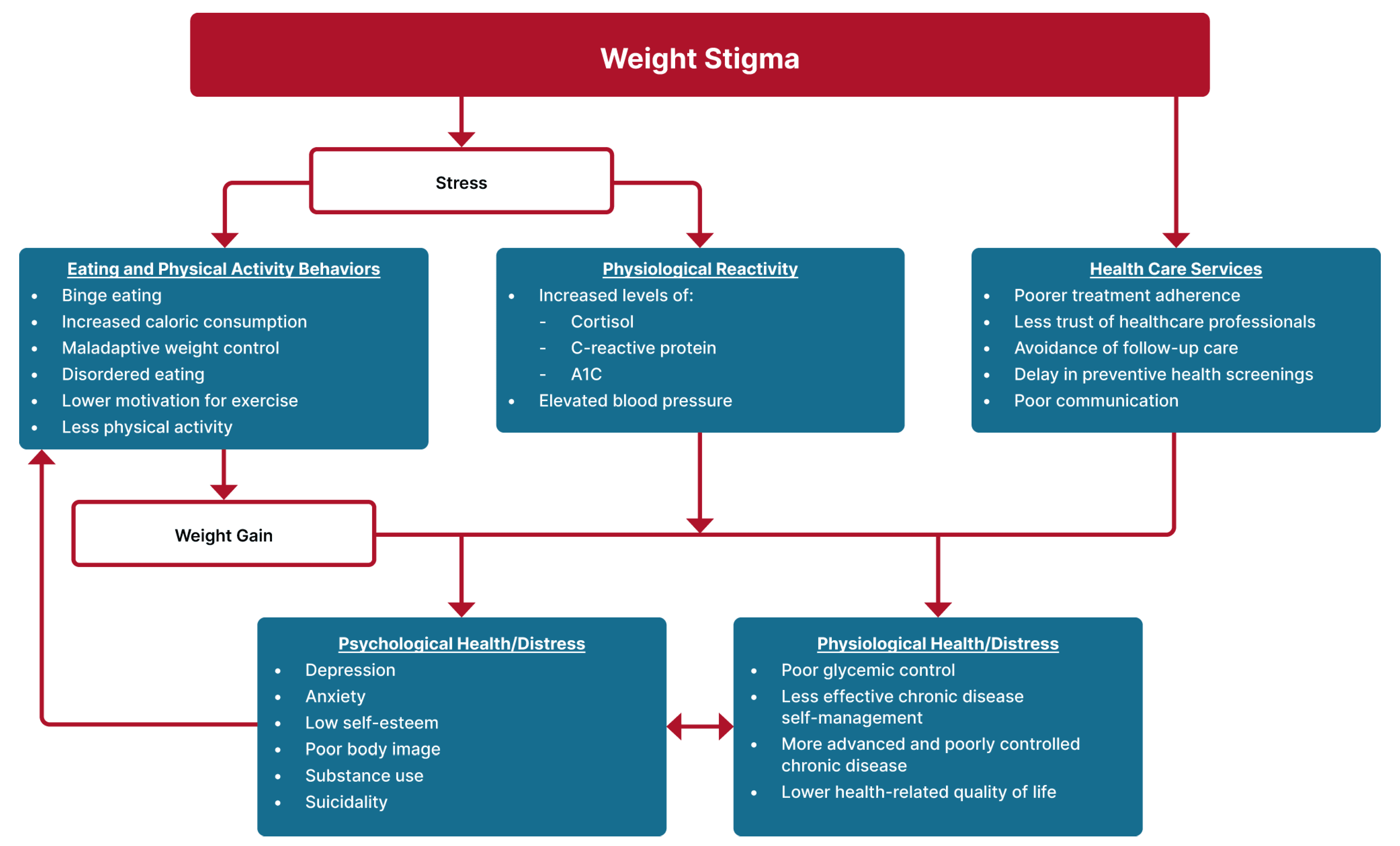
The "truth" about weight stigma is that it operates as a structural barrier. When society reinforces the idea that larger body size is a moral failing or a result of laziness, it legitimizes the mistreatment of those individuals. This creates a feedback loop where the stress of being stigmatized leads to negative health outcomes, which are then erroneously blamed on the person’s weight, rather than the social environment causing the chronic stress.
Impacts on Healthcare Delivery
One of the most documented areas of weight stigma is the medical setting. Research from institutions like the Rudd Center for Food Policy & Health has consistently shown that medical professionals may hold implicit and explicit biases toward patients with higher body mass. This bias often leads to the "diagnostic overshadowing" phenomenon, where a physician attributes all of a patient's complaints—such as joint pain, fatigue, or respiratory issues—to their weight, often overlooking acute or underlying medical conditions that would be investigated more thoroughly in a patient with a smaller body size.
The Cycle of Avoidance
Patients who encounter weight stigma in clinical settings are statistically more likely to delay or avoid medical care entirely. This avoidance creates a dangerous gap in preventative services. When individuals fear being shamed or lectured about their weight, they miss routine screenings, blood pressure checks, and early interventions for chronic illnesses. The avoidance is a rational response to an environment that feels hostile, but it exacerbates the very health conditions that medical providers intend to treat.
The Socioeconomic Cost of Weight Bias
Weight discrimination in the workplace remains legal in many jurisdictions, as weight is rarely a protected class under federal employment laws. This legal vacuum allows for systemic disadvantages in hiring, promotions, and compensation.
Employment and Economic Disparities
Studies consistently demonstrate a "weight-wage penalty," particularly among women, where those in larger bodies are often paid less or passed over for promotions despite possessing identical qualifications to their thinner peers. This economic instability compounds the stress of societal stigmatization, creating a socioeconomic trap. When an individual's financial security is threatened by appearance-based bias, the resulting chronic stress response can further complicate metabolic health, reinforcing the societal bias that they are "less productive" or "less disciplined."
Comparative Framework: Clinical vs. Societal Bias
To understand the breadth of the issue, it is helpful to categorize where weight stigma originates and how it manifests across different domains of life.
| Domain | Nature of Stigma | Primary Consequence |
|---|---|---|
| Healthcare | Diagnostic Overshadowing | Delayed diagnosis and reduced trust |
| Workplace | Implicit bias / Hiring barriers | Lower income and limited advancement |
| Interpersonal | Bullying / Social exclusion | Psychological distress and isolation |
| Media | Stereotyping / Tropes | Internalized shame and normalization |
| Education | Peer harassment / Teacher bias | Reduced academic engagement |
The Physiological Cost: The Stress Response
Perhaps the most overlooked element of the truth about weight stigma is its physiological impact. Being on the receiving end of social rejection and devaluation triggers the body’s hypothalamic-pituitary-adrenal (HPA) axis, resulting in chronically elevated levels of cortisol.
Chronic cortisol exposure is linked to increased inflammation, impaired glucose regulation, and cardiovascular stress. When experts study the health outcomes of individuals in larger bodies, they must account for the "stigma load." It is increasingly recognized that the stigma about the weight may be as harmful to long-term health as the weight itself. By pathologizing body size, society creates a toxic environment that contributes to the very metabolic dysregulation that weight-stigma advocates claim to be preventing.
Moving Toward Weight-Inclusive Approaches
Addressing weight stigma requires a shift in both institutional policy and individual perspective. The "Weight-Inclusive" framework moves the focus away from weight loss as the primary proxy for health and instead emphasizes behaviors—such as nutrition, movement, stress management, and access to healthcare—that are accessible to everyone regardless of body size.
- Remove Weight-Centric Language: Replace labels like "obese" or "overweight" with "person with a higher body weight" to prioritize the individual over the demographic category.
- Ensure Equitable Infrastructure: Clinics and public spaces must provide appropriate medical equipment, such as correctly calibrated, high-capacity scales and appropriately sized blood pressure cuffs, ensuring dignity and accurate data collection.
- Implement Bias Training: Medical schools and professional organizations are increasingly adopting mandatory bias training to help providers recognize their implicit associations and reduce the diagnostic overshadowing that leads to health disparities.
Frequently Asked Questions
Is weight stigma actually a form of social justice?
Yes. Like other forms of systemic bias, weight stigma targets specific groups based on physical characteristics they often cannot change. Advocacy in this space focuses on equal access to healthcare, employment, and social dignity, identifying weight bias as a civil rights issue that impacts a significant percentage of the global population.
Does calling out weight stigma discourage healthy lifestyle changes?
No. Research indicates that weight stigma is a significant demotivator. Shame is rarely an effective catalyst for long-term health behavior. Conversely, environments that are free of stigma encourage individuals to engage with wellness, exercise, and preventative care because they feel safe doing so.
Why is weight not considered a protected class in most workplaces?
Legally, weight is not typically classified as an immutable characteristic in the same way as race, gender, or disability. While there are some local ordinances in specific cities that prohibit weight discrimination, there is no broad federal protection. This remains a major hurdle for legal advocacy and workplace equity.
Can individuals stop internalizing weight stigma?
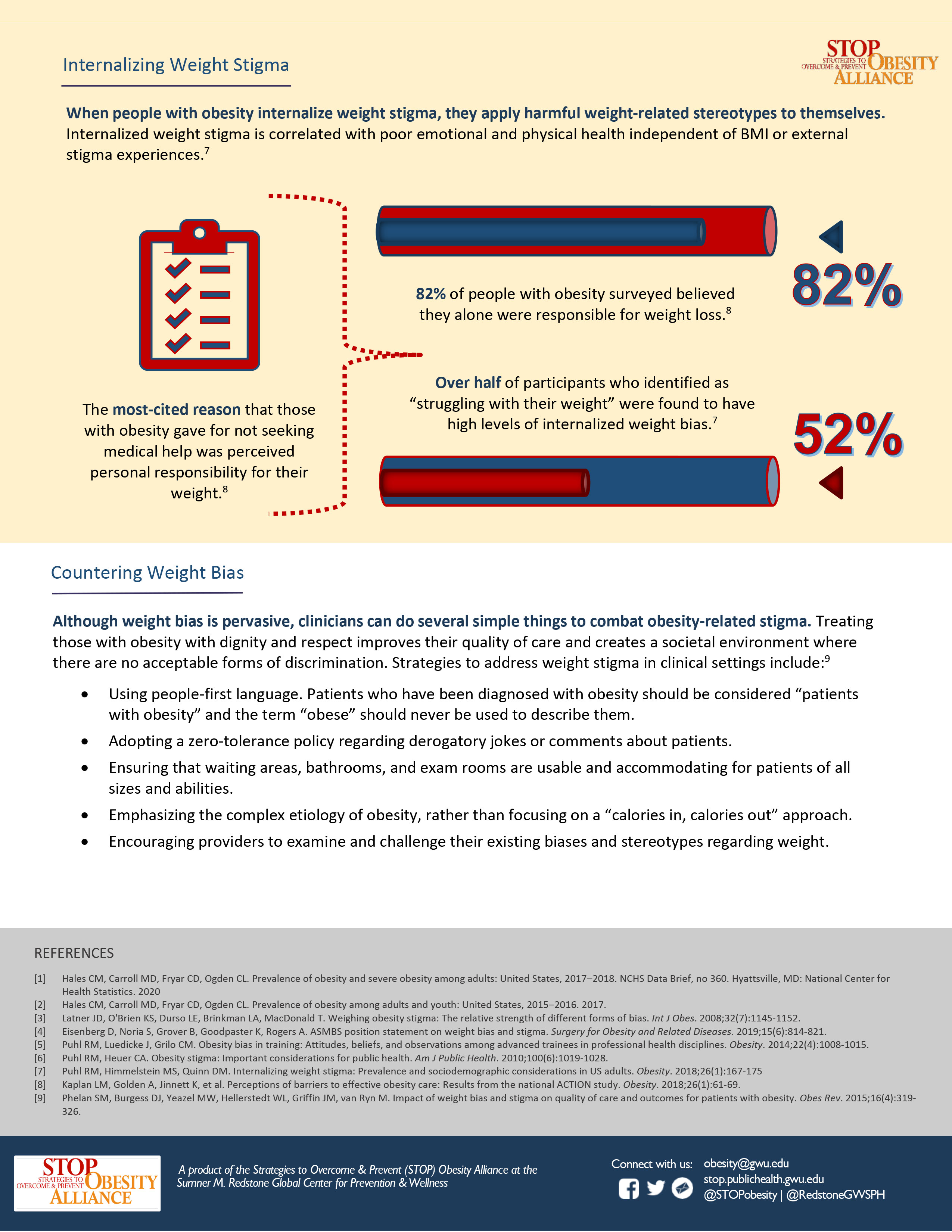
Internalized weight stigma—the process of applying society’s negative stereotypes to oneself—is common and deeply damaging. While individual coping strategies like body neutrality or mindfulness help, true relief comes from shifting the broader societal narrative. Recognizing that weight is a complex interplay of biology, genetics, and environment helps dismantle the personal shame that society projects onto the individual.
Is it possible to be healthy at any size?
The "Health at Every Size" (HAES) movement posits that health is a multidimensional resource that does not depend on a specific body weight. By focusing on sustainable health behaviors—such as balanced nutrition and joyful movement—people can improve health markers like blood pressure, insulin sensitivity, and mental well-being, even if their weight does not change.
Conclusion and Next Steps
The truth about weight stigma is that it is a systemic public health crisis, not an individual problem. Addressing it requires moving beyond the reductive narrative of "calories in, calories out" and acknowledging the complex biological, social, and economic realities of body size. For individuals, the next step involves seeking out weight-inclusive medical providers and setting firm boundaries in interpersonal spaces. For society, the goal is to shift the focus from weight-loss outcomes to universal, equitable access to health-promoting environments for all bodies.
Image Gallery