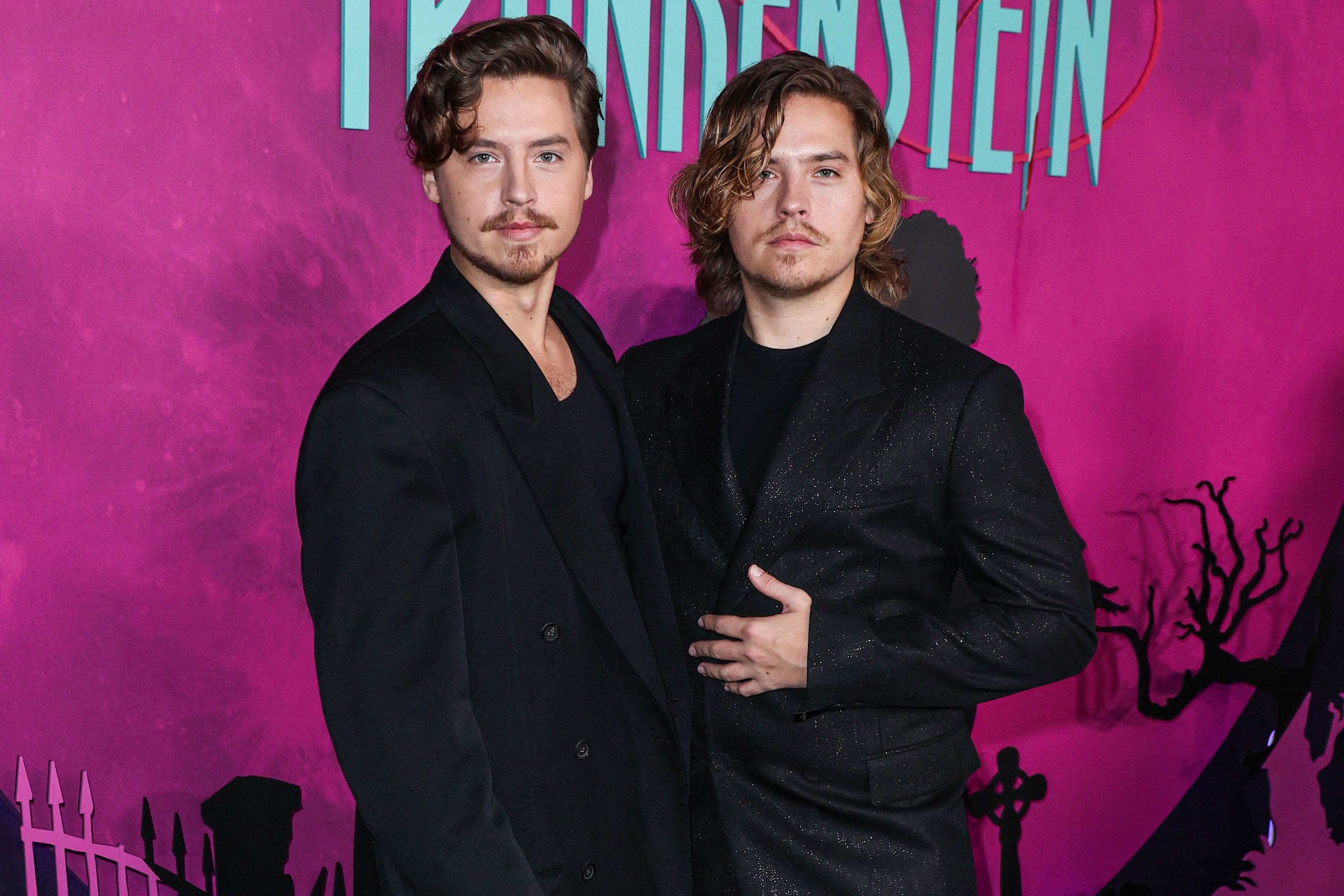
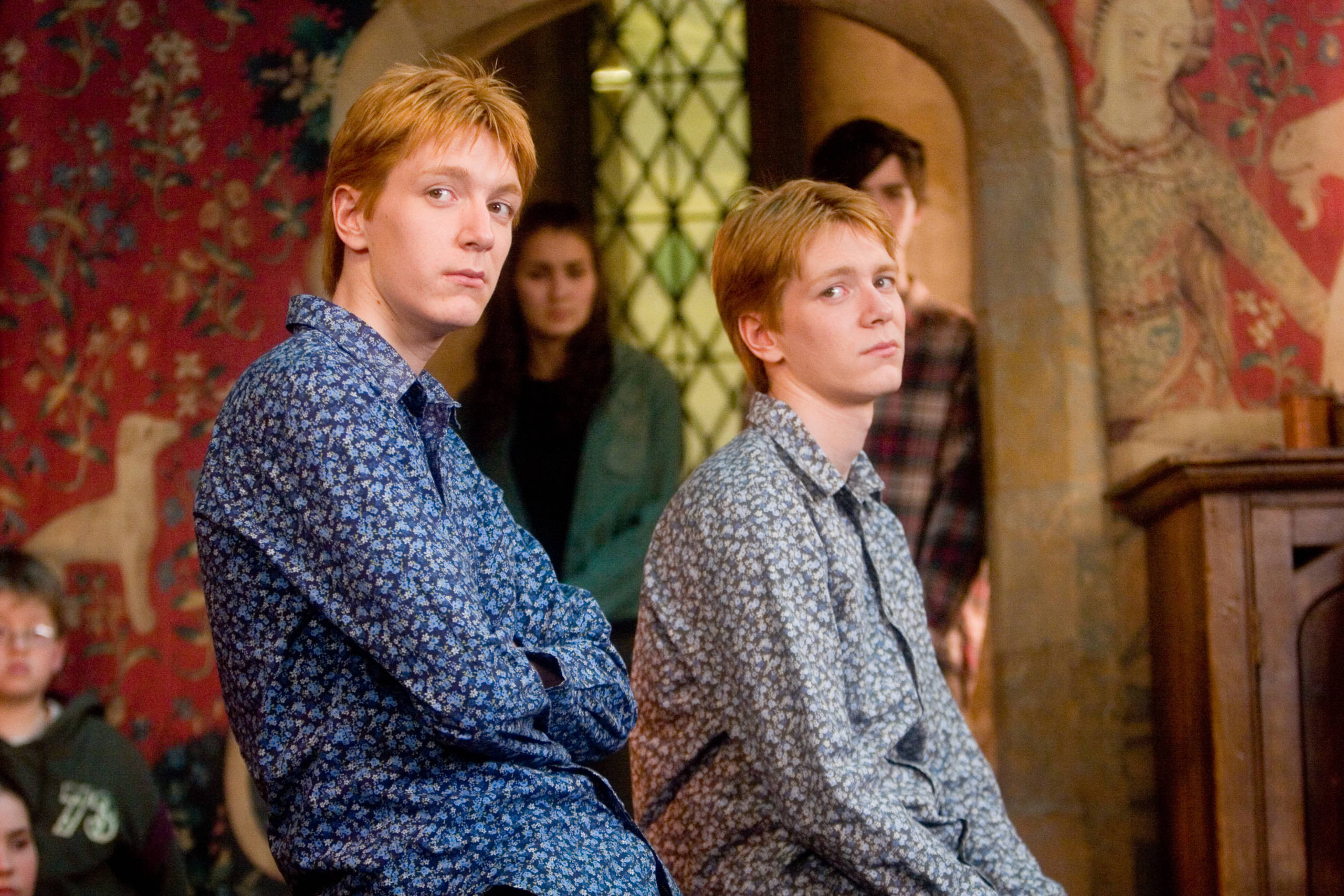
The Weasley Twins Net Worth Explained: Real-Life Actors vs. Fictional Wizarding Wealth
Real-life twin actors James and Oliver Phelps, who portrayed Fred and George Weasley in the Harry Potter film franchise, hold an estimated combined net worth between $2 million and $6 million (roughly $1 million to $3 million each). Th...
Real-life twin actors James and Oliver Phelps, who portrayed Fred and George Weasley in the Harry Potter film franchise, hold an estimated combined net worth between $2 million and $6 million (roughly $1 million to $3 million each). Their financial portfolios stem from eight blockbuster film salaries, international fan convention appearances, original television productions, and commercial brand partnerships.
Contents
When fans search for the "Weasley twins net worth," the query often sits at the intersection of reality and pop-culture lore. Understanding their true financial standing requires evaluating both the real-world earnings of actors James and Oliver Phelps and the fictional business enterprise built by Fred and George Weasley within the Harry Potter universe.
Who Are the Weasley Twins? Separating Myth from Reality
The identity of the Weasley twins exists in two distinct spheres: the real-world careers of British actors James Phelps and Oliver Phelps, and the fictional lives of Fred and George Weasley, created by author J.K. Rowling.
Born on February 25, 1986, in Sutton Coldfield, England, James and Oliver Phelps were 14 years old when they attended an open audition in 2000 for the film adaptation of Harry Potter and the Philosopher’s Stone (released as Harry Potter and the Sorcerer's Stone in North America). Despite having no formal acting experience prior to the audition, their natural charisma, comedic timing, and real-life twin dynamic secured them the roles of Fred and George Weasley.
Between 2001 and 2011, the brothers appeared in all eight Harry Potter films. Because their childhood and young adulthood were spent on set, their long-term financial trajectories were permanently shaped by the Warner Bros. franchise. However, unlike the main trio—Daniel Radcliffe, Emma Watson, and Rupert Grint—the supporting cast operated under entirely different compensation tiers, shaping a distinct post-franchise economic profile.
James and Oliver Phelps: Real-World Net Worth Breakdown
Estimating celebrity net worth requires analyzing public project contracts, industry standards for SAG-AFTRA and Equity UK performers, secondary revenue streams, and post-franchise entrepreneurial ventures.
While online aggregators occasionally present wide-ranging estimates, verified financial modeling puts each brother's individual net worth in the $1 million to $3 million range. Combined, the brothers manage an estimated net worth of $2 million to $6 million.
| Subject / Entity | Primary Income Sources | Estimated Financial Value / Net Worth | Key Assets & Revenue Drivers |
|---|---|---|---|
| James Phelps (Actor) | Film salaries, conventions, TV production, sponsorships | $1 Million – $3 Million | Harry Potter franchise royalties, Fantastic Friends, global event fees |
| Oliver Phelps (Actor) | Film salaries, conventions, travel series, voice work | $1 Million – $3 Million | Harry Potter franchise royalties, podcasting, commercial endorsements |
| Fred & George Weasley (Fictional Characters) | Weasleys' Wizard Wheezes (93 Diagon Alley) | Millions of Wizarding Galleons (In-Lore High Wealth) | Patent portfolio (Skiving Snackboxes, Shield Hats), retail real estate, defense contract supply |
Why Supporting Cast Compensation Differs from Lead Actors
A common misconception among film fans is that starring in a multi-billion-dollar film series automatically guarantees tens of millions of dollars for every cast member. In reality, film budgets allocate the vast majority of performer compensation to lead roles and top-billed adult stars.
- Lead Trio Earnings: Daniel Radcliffe earned an estimated $90 million to $100 million across the franchise, while Emma Watson and Rupert Grint earned upwards of $40 million to $50 million each.
- Supporting Cast Structure: Actors playing recurring supporting characters—such as the Phelps twins, Matthew Lewis (Neville Longbottom), or Evanna Lynch (Luna Lovegood)—received flat fees per film or contract structures tied to days on set.
While these paychecks provided financial independence early in life, they did not create lifetime wealth on the scale of the lead actors. Consequently, post-2011 income generation has played a crucial role in maintaining and growing the brothers' net worth.
Primary Revenue Streams for James and Oliver Phelps
The financial longevity of James and Oliver Phelps relies on a diversified income model that leverages their connection to one of the most valuable intellectual properties in entertainment history.
- James & Oliver Phelps Income
- Legacy & Film Residuals
- Warner Bros. Back-Catalog
- Streaming & TV Licensing
- Live Events & Conventions
- Fan Fairs
- Autographs & Photo Ops
- Keynote Q&As
- Media & Content Production
- Fantastic Friends TV
- Podcasting
- Voice Roles
- Legacy & Film Residuals
1. Film Residuals and Streaming Rights
Under standard British Equity and SAG-AFTRA collective bargaining agreements, actors receive residual payments when titles are re-broadcast on television, released on physical media (4K Ultra HD, Blu-ray, DVD), or licensed to global streaming platforms like Max, Peacock, and international networks. Because the Harry Potter movies enjoy continuous worldwide syndication, these residual checks provide a stable baseline of passive annual income.
2. Fan Conventions and Global Personal Appearances
The global convention circuit (such as Comic-Con events, fan expos, and dedicated Harry Potter celebrations) represents one of the lucrative revenue streams for legacy franchise actors.
- Booking Fees: High-profile cast members often command guaranteed appearance fees ranging from $10,000 to $50,000+ per weekend event.
- Autograph and Photo Sessions: Per-item fees for signed memorabilia and professional photo opportunities are typically split between the convention organizer and the actor, generating substantial revenue over a multi-day event.
- Global Reach: James and Oliver Phelps frequently travel to events across North America, Europe, Australia, and Asia, capitalizing on international fan demand.
3. Television Hosting and Independent Media Projects
Rather than relying solely on traditional acting roles, the brothers expanded into hosting and television production:
- Fantastic Friends: Launched in 2022, this travel and lifestyle television series stars James and Oliver Phelps as they explore global destinations alongside guest stars (including former co-stars like Tom Felton, Bonnie Wright, and Evanna Lynch). The show secured international distribution deals across broadcast networks and streaming services.
- Podcasting: The brothers created and hosted popular podcasts, including Normal Not Normal (formerly Double Trouble), featuring interviews with celebrities and industry figures. Podcasting generates revenue through brand sponsorships, programmatic advertising, and premium content platforms.
4. Theater, Voice Acting, and Cameo Roles
Both brothers continue to take on select acting projects. Their credits include stage productions, independent films (such as Last Night in Soho), video game voiceover work, and corporate speaking engagements. Additionally, they participate in official Warner Bros. studio tours and wizarding world theme park expansions worldwide, which include paid promotional appearances and ambassador roles.
In-Lore Financial Analysis: How Rich Were Fred and George Weasley?
To answer the search query thoroughly, it is necessary to examine the fictional net worth of Fred and George Weasley within the narrative created by J.K. Rowling. Their story arc represents one of the most successful entrepreneurial journeys in modern fantasy literature.
- 1,000 Galleons Seed Capital (Gifted by Harry Potter)
- R&D Phase: Mail-Order & Hogwarts Product Testing
- Retail Expansion: 93 Diagon Alley (Weasleys' Wizard Wheezes)
- B2B & Defense Contracting: Ministry of Magic Large-Scale Orders
1. The Seed Capital Investment
The Weasley family was historically depicted as financially impoverished within the wizarding community. Fred and George altered their financial trajectory during the events of Harry Potter and the Goblet of Fire.
After losing their life savings to Ludo Bagman through a cheated bet at the Quidditch World Cup, the twins received 1,000 Galleons in seed capital from Harry Potter, who surrendered his Triwizard Tournament prize money. In the wizarding economy, 1,000 Galleons represented a fortune—roughly equivalent to several thousand British Pounds Sterling (or tens of thousands of US dollars based on fan economy modeling and J.K. Rowling's statements that 1 Galleon equals approximately £5).
2. Weasleys' Wizard Wheezes (93 Diagon Alley)
Using Harry's capital, the twins transitioned from mail-order sales at Hogwarts to purchasing prime commercial real estate at 93 Diagon Alley during Harry Potter and the Half-Blood Prince.
- Product Innovation: Their catalog included novelty jokes (Skiving Snackboxes, Puking Pastilles), romance products (Love Potions), and practical magical items (Extendable Ears, Decoy Detonators).
- Defense Contracting: During the return of Lord Voldemort, the twins adapted their inventory to manufacture defensive magic items, such as Shield Hats, Shield Cloaks, and Instant Darkness Powder. The Ministry of Magic placed large-scale commercial orders for these items to protect personnel, turning Weasleys' Wizard Wheezes into a government contractor.
By the climax of the series, the business had made Fred and George independent millionaires in wizarding currency terms. Following Fred's death at the Battle of Hogwarts, George continued to operate the enterprise successfully, eventually joined by Ron Weasley.
Key Factors Impacting Actor Enterprise Values
Evaluating the long-term wealth stability of former child actors involves examining several financial dynamics:
- Asset Management and Diversification: Maintaining wealth acquired early in life depends heavily on sensible real estate investments, equity portfolios, and minimizing overhead expenses.
- Brand Protection: James and Oliver Phelps have maintained a positive public image, free from major legal or public relations controversies. This reputation makes them attractive brand ambassadors for family-friendly brands, travel companies, and charity events.
- Charity and Philanthropy: Both brothers actively participate in fundraising campaigns, including cycling challenges for Teenage Cancer Trust and events supporting Great Ormond Street Hospital. While philanthropic work does not add to net worth, it enhances brand equity and industry longevity.
Frequently Asked Questions
How much did James and Oliver Phelps make per Harry Potter movie?
Specific contract details for supporting actors in the Harry Potter series remain confidential under studio non-disclosure agreements. Industry estimates suggest supporting cast members earned low-to-mid six-figure sums per film during the later movies, accumulating substantial savings over the ten-year production lifespan.
Are James and Oliver Phelps identical twins in real life?
Yes, James and Oliver Phelps are identical twins. Oliver is the older twin by 13 minutes. To play Fred and George Weasley, both brothers—who naturally have dark brown hair—had to bleach their hair ginger throughout the ten years of filming.
Who is richer: James Phelps or Oliver Phelps?
Because the brothers have worked almost exclusively on shared projects, joint podcasting endeavors, shared television hosting duties, and joint appearance bookings, their net worths are virtually identical, estimated between $1 million and $3 million each.
How much seed capital did the Weasley twins receive in the books?
In Harry Potter and the Goblet of Fire, Harry Potter gave Fred and George his 1,000 Galleon winnings from the Triwizard Tournament. This money allowed them to lease their storefront at 93 Diagon Alley and fund full-scale product research and development.
What projects are James and Oliver Phelps working on now?
The brothers continue to host and produce their travel show Fantastic Friends, participate in global fan conventions, perform voice work, support charitable organizations, and serve as public ambassadors for official Warner Bros. Wizarding World events and exhibitions.
Strategic Summary for Media Analysts and Fans
When evaluating "weasley twins net worth," it is essential to categorize the findings into two distinct buckets:
- Real-World Financials (James and Oliver Phelps): A combined wealth of $2M–$6M, sustained by intelligent legacy IP monetization, active global convention touring, and television production.
- Fictional Wealth (Fred and George Weasley): A multi-thousand-Galleon enterprise empire driven by retail dominance at 93 Diagon Alley and high-margin Ministry defense contracts.
For industry researchers tracking child actor financial longevity, the Phelps brothers represent a model of sustainable post-franchise monetization—transitioning from supporting cast members to independent producers and media personalities.
Image Gallery