Understanding Non Sustained Ventricular Tachycardia and Implantable Cardioverter Defibrillator Use
Non-sustained ventricular tachycardia is a rapid heart rhythm originating in the lower chambers of the heart that resolves on its own within 30 seconds, while an implantable cardioverter defibrillator is a small device placed under the...
Non-sustained ventricular tachycardia is a rapid heart rhythm originating in the lower chambers of the heart that resolves on its own within 30 seconds, while an implantable cardioverter defibrillator is a small device placed under the skin to monitor for and treat dangerous arrhythmias. Together, they represent a critical intersection of electrophysiology, risk stratification, and modern medical device therapy aimed at preventing sudden cardiac arrest.
Contents
Defining Non-Sustained Ventricular Tachycardia (NSVT)
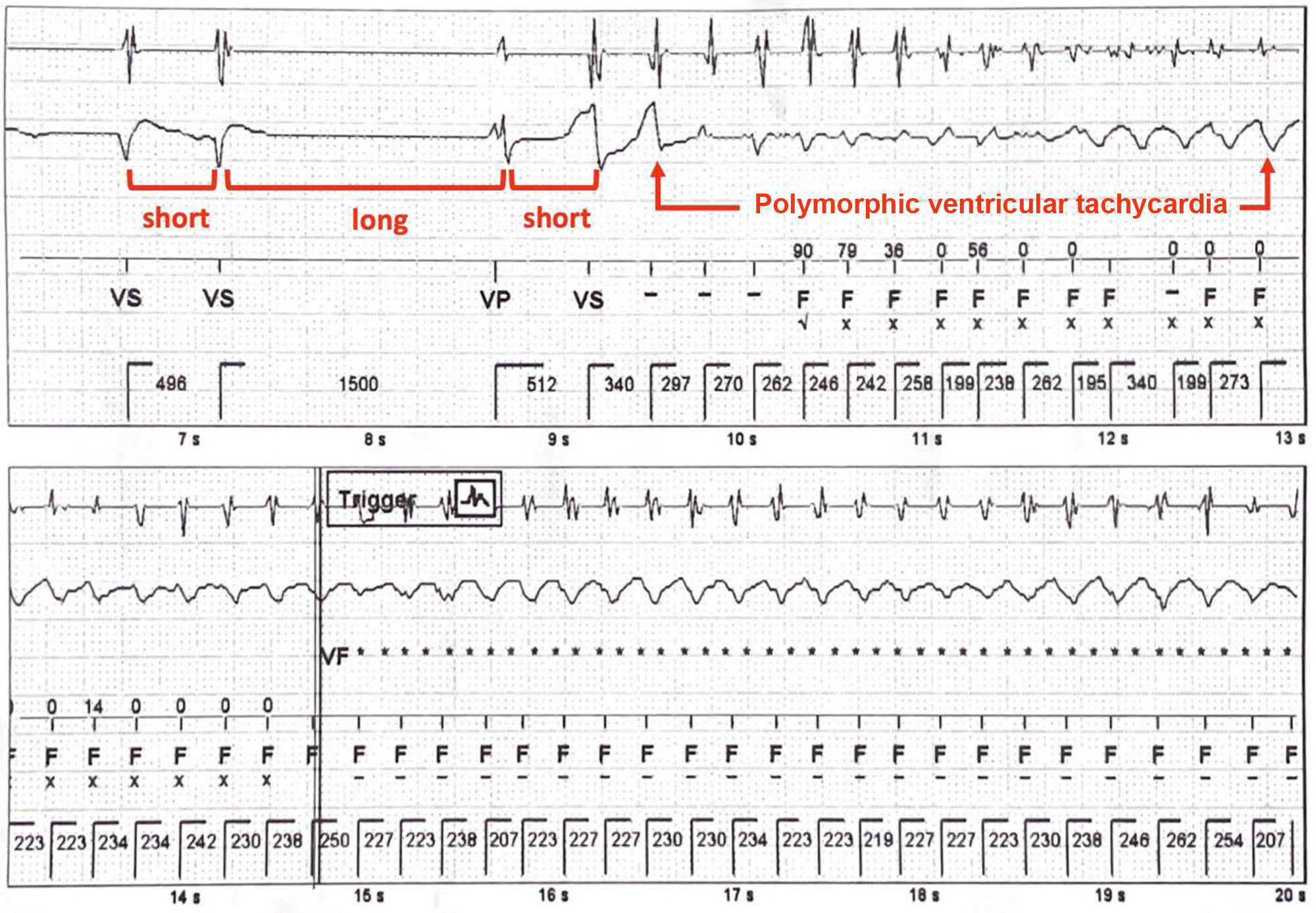
Non-sustained ventricular tachycardia (NSVT) is clinically defined as a run of three or more consecutive premature ventricular contractions (PVCs) originating from the ventricles at a heart rate typically exceeding 100 beats per minute, terminating spontaneously within 30 seconds. Unlike sustained ventricular tachycardia, which persists past 30 seconds or requires medical intervention to stop, NSVT is brief. However, its clinical significance varies wildly depending on the patient's underlying structural heart disease.
In individuals with structurally normal hearts, asymptomatic NSVT is often benign, requiring little more than observation or lifestyle adjustments. Conversely, when NSVT occurs in patients with ischemic cardiomyopathy, previous myocardial infarctions, heart failure with reduced ejection fraction (HFrEF), or inherited channelopathies like Brugada syndrome, it can serve as a harbinger of malignant arrhythmias such as ventricular fibrillation. Diagnostic evaluation typically involves 12-lead electrocardiograms (ECGs), ambulatory telemetry monitors (such as Holter monitors or patch-based monitors), and advanced imaging like cardiac magnetic resonance (CMR) imaging to detect myocardial scar tissue or fibrosis.
Mechanisms and Electrophysiological Triggers
The genesis of NSVT usually involves re-entry circuits around areas of scarred or damaged myocardial tissue, abnormal automaticity, or triggered activity mediated by cellular calcium overload. When scar tissue creates heterogeneous pathways of electrical conduction, impulses can loop backward and re-activate tissue that has already recovered, generating rapid, repetitive ventricular depolarizations. Understanding these triggers helps electrophysiologists determine whether a patient requires pharmacological suppression, catheter ablation, or device therapy.
The Role of the Implantable Cardioverter Defibrillator (ICD)
An implantable cardioverter defibrillator (ICD) is a sophisticated, battery-powered medical device surgically placed beneath the skin, usually in the upper chest, with insulated wires (leads) threaded through the veins directly into the heart chambers. The primary function of an ICD is continuous rhythm monitoring and rapid intervention. If the device detects a life-threatening ventricular tachyarrhythmia, it can deliver therapies ranging from low-energy anti-tachycardia pacing (ATP)—which painless paces the heart out of the fast rhythm—to high-energy synchronized cardioversion or defibrillation shocks to restore normal sinus rhythm.
Modern ICD systems feature single-chamber, dual-chamber, or biventricular configurations (the latter often combined with cardiac resynchronization therapy for heart failure). Additionally, subcutaneous ICDs (S-ICDs) place the lead and generator entirely outside the heart and blood vessels, reducing vascular complications while still providing effective defibrillation protection. The decision to implant an ICD is governed by rigorous clinical guidelines issued by professional societies such as the American College of Cardiology (ACC), the American Heart Association (AHA), and the European Society of Cardiology (ESC).
Intersection of NSVT and ICD Therapy: Risk Stratification
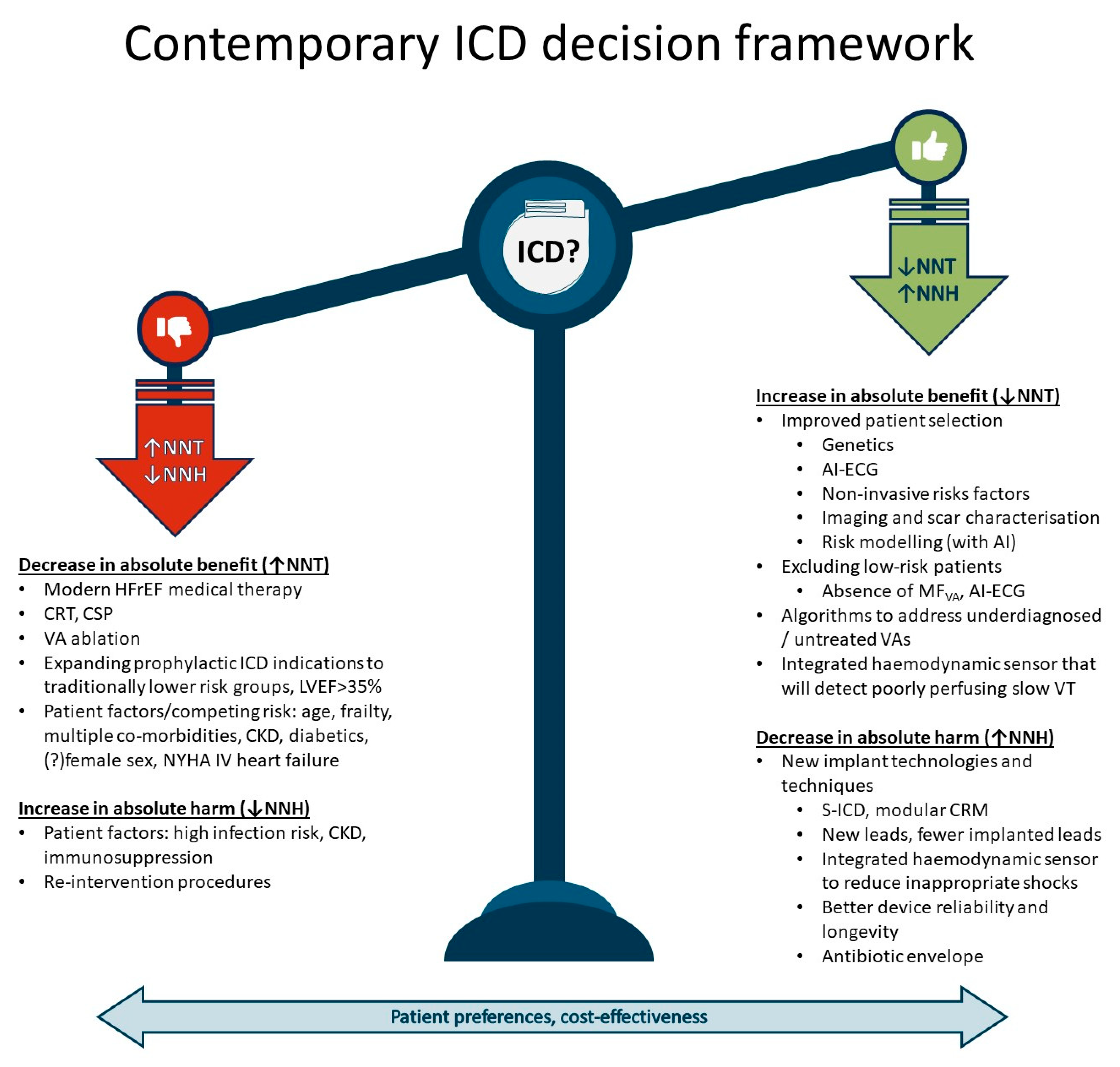
Finding NSVT on a monitor does not automatically mean a patient receives an ICD. The therapeutic decision depends heavily on comprehensive risk stratification, distinguishing between primary prevention (stopping a first cardiac arrest in high-risk patients) and secondary prevention (preventing recurrence in survivors of cardiac arrest or sustained arrhythmias).
| Clinical Scenario | Underlying Condition | Typical Primary/Secondary Indication | Standard Clinical Approach |
|---|---|---|---|
| Asymptomatic NSVT | Structurally Normal Heart | None | Observation, lifestyle management, reassurance. |
| Asymptomatic NSVT | Prior MI & Low Ejection Fraction ($\le$ 35%) | Primary Prevention | Often requires EPS study or guideline-directed medical therapy before ICD decision. |
| Symptomatic NSVT | Ischemic or Non-Ischemic Cardiomyopathy | Primary Prevention | Strong consideration for ICD if LVEF criteria are met. |
| Sustained VT / VF | Any structural substrate | Secondary Prevention | Class I Indication for ICD implantation. |
In patients with coronary artery disease and left ventricular dysfunction, NSVT can prompt further risk stratification via an electrophysiology study (EPS) or wearable cardioverter-defibrillators (WCDs) to assess whether inducible, sustained ventricular arrhythmias are present.
Clinical Guidelines and Patient Selection Criteria
Clinical trials over the decades, such as MADIT (Multicenter Automatic Defibrillator Implantation Trial) and SCD-HeFT (Sudden Cardiac Death in Heart Failure Trial), established clear boundaries for ICD implantation. For patients exhibiting NSVT, guidelines dictate that ejection fraction—the percentage of blood pumped out of the ventricles with each contraction—is the single most reliable metric for guiding primary prevention.
Primary Prevention Thresholds
- Left ventricular ejection fraction (LVEF) of 35% or less due to prior myocardial infarction, at least 40 days post-infarction.
- New York Heart Association (NYHA) Class II or III heart failure symptoms despite optimal medical therapy.
- LVEF of 35% or less in non-ischemic dilated cardiomyopathy with expected survival greater than one year.
When NSVT occurs alongside these parameters, it strengthens the clinical profile indicating device therapy. However, if NSVT occurs in a patient whose ejection fraction is preserved (above 50%), the presence of NSVT alone rarely justifies an ICD unless accompanied by syncope, highly malignant triggers, or structural abnormalities like arrhythmogenic right ventricular cardiomyopathy (ARVC).
Living with an ICD and Managing Device-Related Considerations
Receiving an implantable cardioverter defibrillator requires ongoing clinical follow-up, patient education, and lifestyle adjustments. While the device provides life-saving protection against sudden cardiac death, patients must navigate device checks, remote monitoring transmissions, battery longevity expectations, and potential psychological impacts.
Technical Management and Follow-Up
- Remote Monitoring: Most contemporary devices transmit daily diagnostic and event data wirelessly to a bedside or cellular base station, allowing clinics to monitor lead integrity, battery status, and arrhythmic episodes without requiring in-person visits every few months.
- Device Programming: Electrophysiologists customize therapy zones (monitoring, ATP, and shock zones) to minimize inappropriate shocks caused by rapid supraventricular tachycardias like atrial fibrillation.
- Battery Replacements: ICD generators typically last between 5 to 10 years depending on pacing dependency and frequency of therapy delivery. Replacement involves a minor outpatient surgical procedure to swap the generator while leaving existing leads intact if functioning normally.
Lifestyle and Occupational Restrictions
Patients with ICDs must exercise caution around strong electromagnetic interference (EMI). While household appliances, microwave ovens, and mobile phones pose minimal risk when kept at a safe distance, industrial equipment, arc welders, and magnetic resonance imaging (MRI) machines require specific precautions or conditional device settings. Furthermore, driving restrictions are strictly regulated by regional department of motor vehicles or national transport authorities following initial device implantation or after receiving an appropriate therapeutic shock.
Frequently Asked Questions
Does non-sustained ventricular tachycardia always require an ICD?
No. NSVT in a person with a structurally normal heart and normal heart function is frequently benign and does not require an ICD. An ICD is typically reserved for patients where NSVT coexists with significant structural heart disease, depressed ejection fraction, or unexplained syncope.
What is the difference between anti-tachycardia pacing (ATP) and a defibrillation shock?
Anti-tachycardia pacing (ATP) delivers a series of rapid, painless electrical impulses that interrupt a fast heart rhythm before it deteriorates into ventricular fibrillation. A defibrillation shock delivers a high-energy pulse that stops all electrical activity momentarily, allowing the heart's natural pacemaker to resume a normal rhythm, which is felt as a sharp jolt.
Can lifestyle changes reduce the frequency of non-sustained ventricular tachycardia episodes?
Yes, managing underlying triggers can reduce NSVT episodes. Key steps include minimizing excessive caffeine and alcohol intake, correcting electrolyte imbalances (such as potassium and magnesium), maintaining blood pressure control, and managing stress or obstructive sleep apnea.
How often do ICD batteries need to be changed?
ICD batteries generally last between 5 and 10 years. The longevity depends heavily on how often the device paces the heart and how frequently it delivers therapies such as ATP or shocks. Device clinics track battery voltage remotely to schedule replacements before depletion.
Is it safe to exercise with an implantable cardioverter defibrillator?
Light to moderate aerobic exercise is generally encouraged for cardiovascular health in ICD patients, but high-contact sports or activities that risk chest trauma to the generator site are discouraged. Patients should consult their electrophysiologist to establish a safe, customized exercise regimen.
Next Actions and Clinical Consultation
If you or a loved one has been diagnosed with non-sustained ventricular tachycardia or evaluated for an implantable cardioverter defibrillator, the most critical next step is maintaining a coordinated care plan with a cardiologist and a board-certified cardiac electrophysiologist. Ensure all diagnostic holter logs, echocardiogram results, and imaging reports are reviewed comprehensively to determine accurate risk stratification and optimal medical or device therapy.
Image Gallery