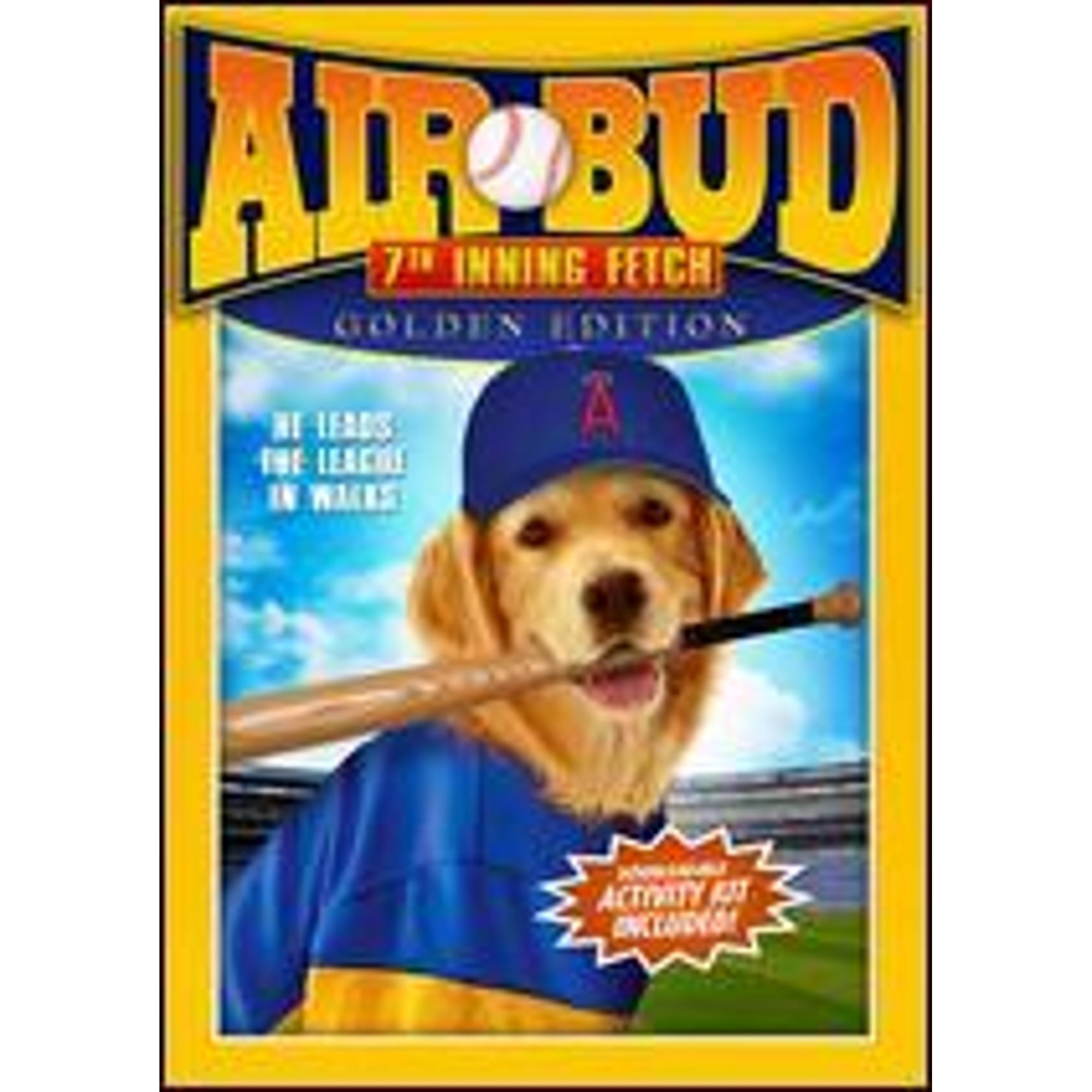
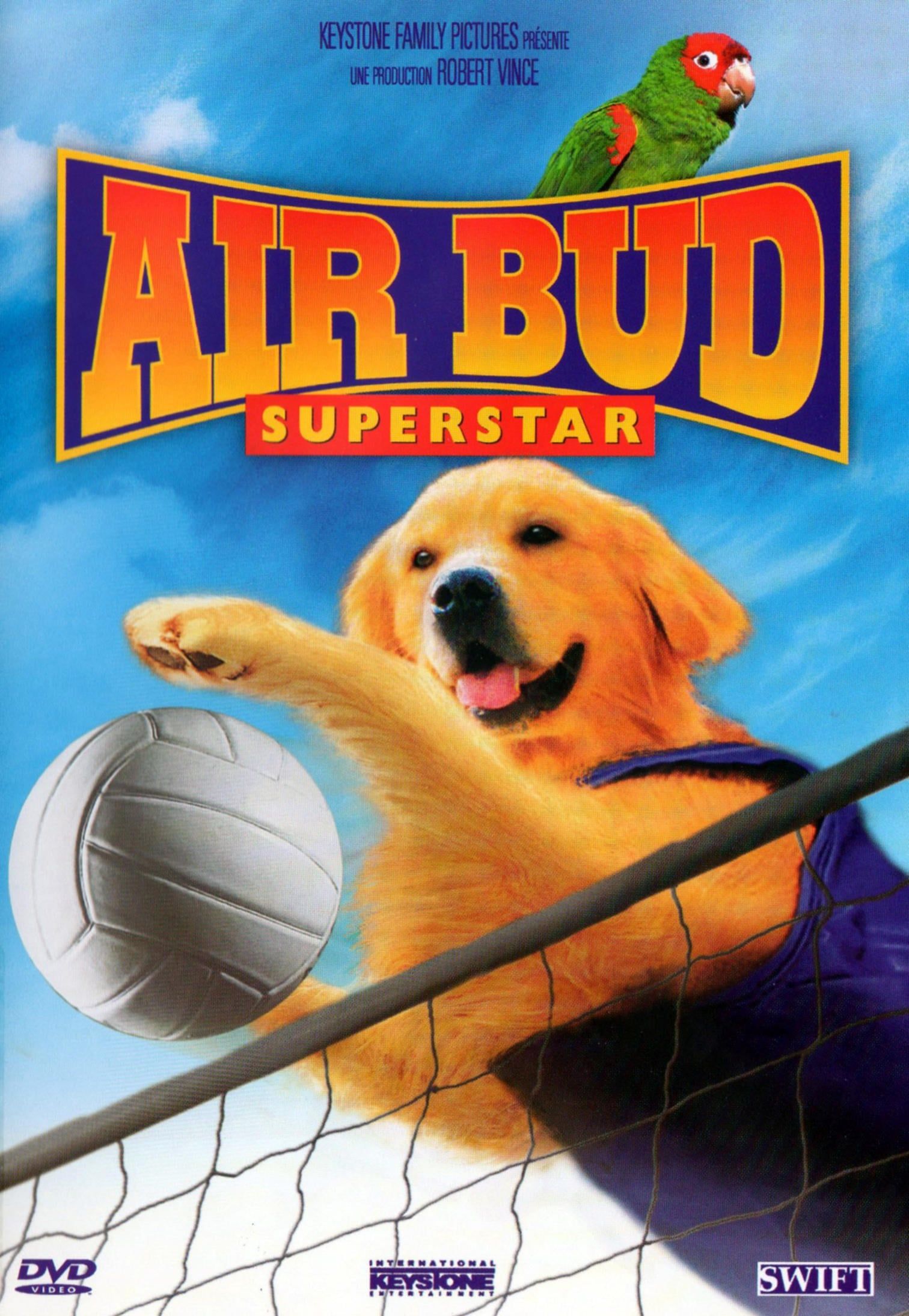
Navigating the Digital Landscape of an Air Bud Torrent: Risks, Copyright, and Legal Alternatives
When individuals search for an air bud torrent, they are typically looking for unauthorized peer-to-peer network files to download the 1997 classic sports comedy film featuring Buddy the golden retriever. Engaging with peer-to-peer fil...
When individuals search for an air bud torrent, they are typically looking for unauthorized peer-to-peer network files to download the 1997 classic sports comedy film featuring Buddy the golden retriever. Engaging with peer-to-peer file sharing for copyrighted feature films carries substantial legal, security, and operational risks that outweigh the temporary convenience of acquiring media outside authorized distribution channels.
Contents
Understanding the legal framework surrounding digital copyright, the technical vulnerabilities of file-sharing networks, and the wide availability of legitimate streaming platforms allows viewers to enjoy family entertainment safely and lawfully.
Understanding Copyright Law and Digital Distribution
Copyright law protects original works of authorship, including motion pictures, music, and literature, from the moment of fixation in a tangible medium. The Air Bud franchise, originally released by Miramax and distributed through various home video and digital storefronts over the decades, is protected under international intellectual property treaties and domestic copyright statutes.
When a user downloads a film through an unauthorized torrent network, they are participating in the unpermitted reproduction and distribution of a protected asset. Under typical copyright frameworks, both uploading (seeding) and downloading (leeching) commercial media without a license constitute copyright infringement.
- Exclusive Rights: Copyright holders maintain exclusive rights to distribute, display, perform, and reproduce their films.
- Jurisdictional Enforcement: Content owners and Internet Service Providers (ISPs) cooperate globally to monitor peer-to-peer swarms, often issuing formal copyright infringement notices to subscribers.
- Statutory Penalties: Commercial infringement or large-scale unauthorized distribution can result in severe legal penalties, though individual end-users most frequently encounter ISP throttling, service suspension, or statutory warning notices.
Technical Risks and Cybersecurity Threats in P2P Networks
Beyond intellectual property considerations, utilizing torrent indexing sites and decentralized file-sharing clients introduces severe cybersecurity vulnerabilities. Unlike centralized digital storefronts or verified streaming subscription services, peer-to-peer networks rely on user-generated file contributions where malicious actors can disguise malware as popular media files.
File names can easily be spoofed. An archive or executable disguised as a video file format (such as .mp4, .mkv, or .avi) may actually contain malicious payloads designed to compromise consumer devices.
| Feature / Metric | Unauthorized Torrent Networks | Licensed Streaming Services |
|---|---|---|
| Malware Risk | High (Risk of trojans, ransomware) | Negligible (Secure infrastructure) |
| Video & Audio Quality | Variable (Unverified rips, noise) | Consistent (HD, 4K, Dolby Atmos) |
| Legal Status | Infringing / Illegal | Fully Licensed / Lawful |
| Network Stability | Dependent on active seeders | High-availability CDN streaming |
| Additional Costs | Malware remediation, legal risk | Standard subscription fee |
Common technical hazards associated with unverified file downloads include:
- Adware and Spyware Bundles: Free torrent clients and downloaded file packages frequently bundle unwanted programs that alter browser settings, track user behavior, and display intrusive advertisements.
- Ransomware and Cryptojacking: Advanced persistent threats disguised as media files can encrypt local drives or utilize system hardware resources to mine cryptocurrency without user consent.
- Lack of Quality Control: Downloaded files often suffer from poor audio-video synchronization, watermarked promotional cuts, or incomplete encoding, resulting in a suboptimal viewing experience.
Lawful Alternatives for Streaming and Purchasing
The modern media ecosystem offers numerous accessible, affordable, and high-quality alternatives to torrenting older family films. Major studios license their catalogs across subscription video-on-demand (SVOD) platforms, digital rental marketplaces, and ad-supported television services.
Securing access through official channels ensures high-definition video quality, accurate subtitle and audio tracks, and full compatibility across modern consumer electronics, including smart TVs, tablets, gaming consoles, and streaming sticks.
- Subscription Streaming: Families can search rotating catalogs on major SVOD platforms or dedicated family-friendly streaming services.
- Digital Marketplaces: Platforms such as Amazon Prime Video, Apple TV, Google Play, and Vudu allow users to rent or purchase digital copies permanently, integrating the film into cloud lockers for multi-device playback.
- Public Library Services: Digital lending apps like Hoopla or Kanopy partner with local public libraries, enabling cardholders to stream films legally and at no direct out-of-pocket cost.
Frequently Asked Questions
Is downloading an Air Bud torrent legal?
No. Downloading copyrighted films without authorization from the copyright holder violates copyright law. Even if a work is older or difficult to find on physical media, unauthorized distribution via peer-to-peer networks remains infringement.
Can my ISP see if I am downloading torrents?
Yes. Internet Service Providers monitor network traffic patterns and protocol signatures associated with BitTorrent. When copyright enforcement agents log IP addresses participating in a swarm, they notify the corresponding ISP, which may issue a copyright warning notice to the account holder.
What are the safest ways to watch classic family movies online?
The safest and most reliable method is utilizing authorized digital storefronts or subscription streaming services. These platforms guarantee safe, malware-free files, optimized streaming bitrates, and support for the creators and distributors who produced the work.
Why do some older movies disappear from streaming platforms?
Streaming catalogs fluctuate due to licensing agreements, territorial distribution rights, and periodic contract renewals between studios and streaming providers. When a title leaves one platform, it frequently migrates to another digital rental or subscription service rather than becoming entirely unavailable.
Conclusion and Recommended Next Actions
While the temptation to quickly locate an air bud torrent stems from a desire for nostalgic entertainment, the inherent security vulnerabilities, legal exposure, and poor media quality make it an unviable choice. Instead, verify current availability across mainstream digital storefronts or subscription libraries to stream the film securely, legally, and in optimal high-definition quality.
Image Gallery