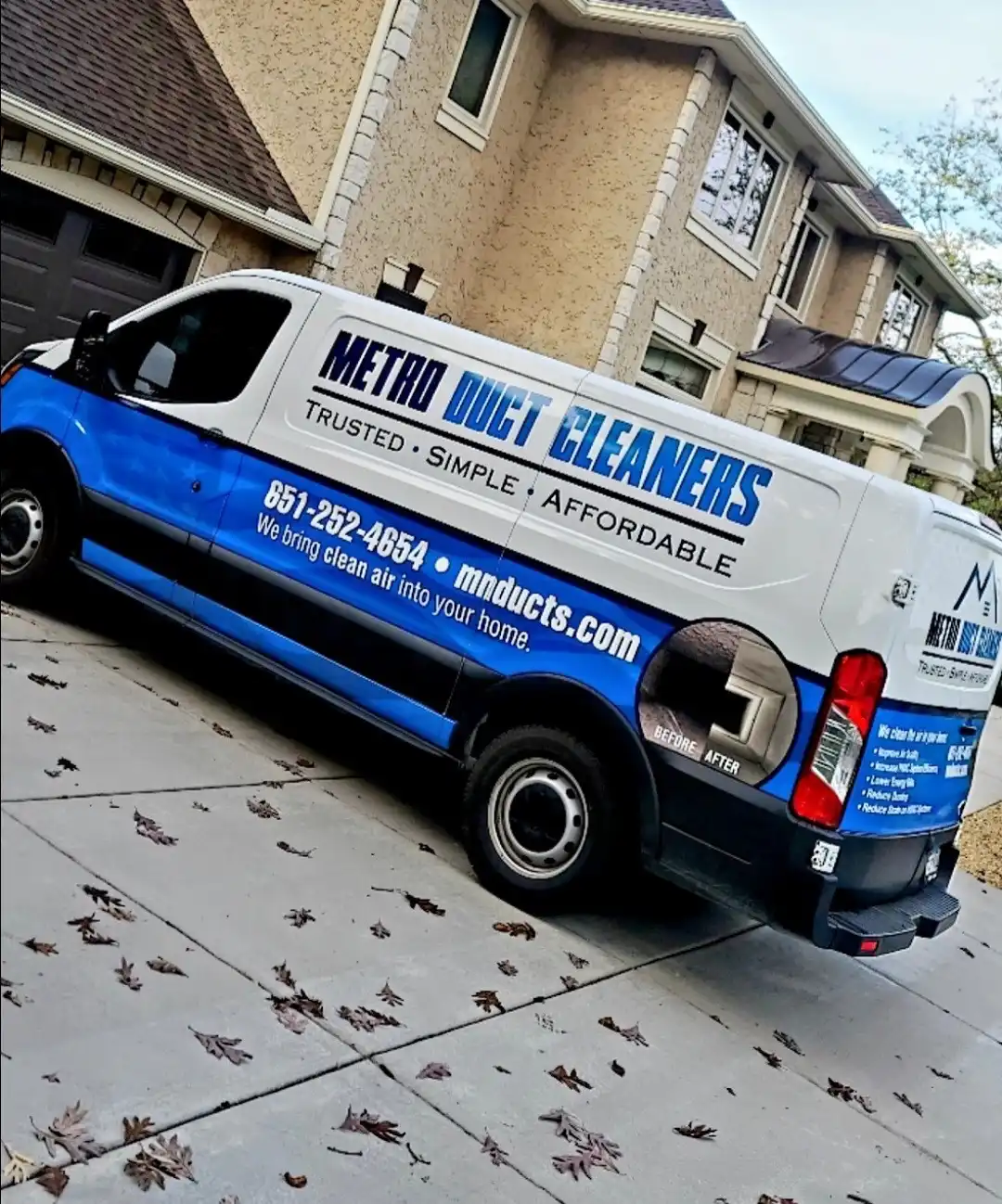
Duct Cleaning in Minneapolis: What Drives the Service Market
Duct cleaning in Minneapolis is driven primarily by extreme seasonal weather fluctuations, aging residential housing stock, and high regional concentrations of indoor allergens, which collectively compel homeowners to seek professional...
Duct cleaning in Minneapolis is driven primarily by extreme seasonal weather fluctuations, aging residential housing stock, and high regional concentrations of indoor allergens, which collectively compel homeowners to seek professional HVAC maintenance to preserve indoor air quality and system efficiency.
Contents
Understanding the Minneapolis HVAC Environment
The Twin Cities metropolitan area presents a distinct set of environmental and structural challenges for residential and commercial property owners. With long, sub-zero winters requiring continuous heating and humid, variable summers demanding heavy air conditioning, HVAC systems in Minneapolis operate under intense seasonal stress. This cyclical thermal expansion and contraction, combined with months of closed-window living, creates an ecosystem where dust, dander, and microscopic particulates accumulate rapidly inside ductwork networks.
Unlike regions with mild year-round climates, the Minneapolis housing market features a high percentage of historic and mid-century homes. Properties built in the early-to-mid 20th century frequently rely on aging infrastructure, including gravity furnace conversions, unlined chimneys, and deteriorated sheet metal or flexible ducting. These structural realities, paired with regional weather extremes, form the baseline of the local duct cleaning service market.
Core Market Drivers in the Twin Cities
The demand for professional air duct cleaning in Minneapolis does not fluctuate randomly. It is sustained by specific environmental, health, and economic factors native to the Upper Midwest.
1. Severe Seasonal Transitions and Airtight Construction
Modern energy-efficient construction practices focus heavily on envelope sealing to prevent heat loss during harsh Minnesota winters. While effective for utility bills, tightly sealed homes trap indoor air pollutants, pet dander, cooking vapors, and volatile organic compounds (VOCs) inside the living space. As forced-air furnaces and central air systems recirculate this trapped air multiple times per hour, the interior surfaces of the ductwork accumulate layers of debris. When the heating season begins in autumn, the sudden thermal shock blasts settled dust throughout the home, triggering a surge of service requests.
2. High Concentration of Regional Allergens
Minnesota experiences intense pollen seasons, beginning with tree pollen in the spring, grass pollen through the summer, and high levels of ragweed and mold spores in the autumn. Furthermore, the region's humid summers foster dust mite proliferation and indoor mold growth, particularly in unfinished basements and crawlspaces common in Minneapolis-St. Paul basements. Homeowners frequently turn to duct cleaning as a remediation strategy when allergy symptoms persist indoors despite high-efficiency particulate air (HEPA) filtration.
3. Aging Housing Stock and Renovation Debris
The Minneapolis real estate market features neighborhoods with homes predating 1970. Older duct systems often suffer from joint separations, insulation breakdown, and accumulated debris from decades of past occupants. Additionally, the region experiences high volumes of home remodeling and historic restoration. Drywall dust, sawdust, fiberglass insulation particles, and plaster debris generated during renovations frequently enter unprotected floor registers and settle deep within the ductwork, choking airflow and necessitating professional extraction.
Technical Scope and Industry Standards
Professional duct cleaning involves far more than running a household vacuum hose into a floor vent. In a mature market like Minneapolis, reputable service providers adhere to guidelines established by the National Air Duct Cleaners Association (NADCA). Understanding what the process entails helps consumers evaluate service providers and grasp why market pricing varies.
Equipment and Extraction Methods
Effective duct cleaning requires specialized, high-powered equipment capable of placing the entire HVAC network under negative pressure.
- Negative Air Machines: Contractors connect a heavy-duty vacuum system—often mounted on a dedicated service truck or utilizing industrial portable units equipped with HEPA filtration—to the main supply and return trunks near the air handler.
- Agitation Tools: While the system is under negative pressure, technicians insert specialized whips, rotary brushes, or compressed air nozzles (often called "skipper balls") down individual branch lines to dislodge stubborn debris adhering to duct walls.
- Source Removal: The combination of mechanical agitation and continuous suction ensures that loosened particulates are pulled out of the home entirely rather than being blown back into the living space.
Component Inspection and Sanitization
A comprehensive duct cleaning service encompasses the entire forced-air delivery system, including the supply and return ducts, registers, grilles, diffusers, the air handler blower motor, fan housing, and the evaporator coil. In cases involving microbial growth, rodent infestation, or severe organic contamination, technicians may apply EPA-registered chemical biocide treatments or encapsulate damaged internal duct insulation to prevent further particulate release.
| Service Component | Standard Procedure | Primary Objective |
|---|---|---|
| Main Trunks & Branch Lines | Negative air pressure + mechanical agitation | Remove accumulated dust, pet hair, and particulate matter |
| Blower Motor & Housing | Vacuum extraction and manual brushing | Restore optimal mechanical airflow and prevent motor strain |
| Evaporator Coil | Gentle washing and fin comb straightening | Improve heat transfer efficiency and prevent freezing |
| Registers & Grilles | Removal, washing, and reinstallation | Eliminate surface dust and localized staining around vents |
Evaluating Costs and Avoiding Industry Pitfalls
Because the duct cleaning industry features a wide spectrum of operators, understanding standard pricing structures and recognizing deceptive marketing practices is essential for consumers in the Minneapolis market.
Typical Market Pricing
Legitimate, comprehensive whole-house duct cleaning in the Twin Cities typically ranges from $450 to $1,000+, depending on the square footage of the home, the number of furnace zones, the complexity of the duct layout, and the level of contamination. Pricing factors include:
- Square footage and total number of vents (supply and return).
- Accessibility of the ductwork (unfinished basements versus cramped crawlspaces or finished ceilings).
- Additional services required, such as dryer vent cleaning, coil cleaning, or ultraviolet (UV) germicidal lamp installation.
Warning Signs of Predatory Pricing
Consumers should exercise caution regarding promotional offers—such as "$99 whole-house duct cleaning"—frequently advertised online or through direct mailers. These low-ball introductory rates often operate as loss leaders for high-pressure upsells, where technicians claim to discover mold, asbestos, or severe infestations requiring exorbitant remediation fees. A reputable contractor provides transparent, upfront estimates based on the physical layout of the home rather than a flat fee per vent without prior inspection.
Frequently Asked Questions
How often should air ducts be cleaned in a Minneapolis home?
Most residential HVAC systems benefit from professional cleaning every 3 to 5 years. However, more frequent cleaning may be necessary if occupants suffer from severe allergies or asthma, if the home has undergone major remodeling, if pets shed heavily, or if water damage has affected the property.
Does duct cleaning significantly lower energy bills?
While duct cleaning primarily improves indoor air quality and airflow efficiency, removing heavy layers of dust and debris from the blower motor and evaporator coil can restore peak operating efficiency. This reduction in system strain can translate to modest improvements in monthly utility performance, though it should not be viewed primarily as an energy-saving retrofit.
How can I verify if a duct cleaning company is legitimate?
Check whether the contractor is a member in good standing with the National Air Duct Cleaners Association (NADCA) and holds appropriate state or local licensing and liability insurance. Furthermore, ask whether their technicians hold verified credentials, such as NADCA’s Air Systems Cleaning Specialist (ASCS) certification.
Does duct cleaning remove all household dust?
No. Duct cleaning removes the accumulated debris trapped inside the closed loop of the HVAC system. It does not stop dust from entering the home through open doors, windows, clothing, and everyday human activity. Regular housekeeping, high-efficiency air filter changes, and proper home sealing remain necessary for dust control.
Can duct cleaning damage old sheet metal or flexible ducts?
Improperly executed duct cleaning using aggressive high-pressure tools on fragile or deteriorated flexible ductwork can cause tearing or joint separation. Experienced technicians inspect the integrity of the material beforehand and adjust their agitation pressure accordingly, ensuring the physical structure of the duct network remains intact.
Conclusion and Next Actions
For Minneapolis homeowners navigating seasonal temperature swings and indoor air quality challenges, professional duct cleaning serves as a valuable maintenance tool when performed by qualified, transparent contractors. Property owners should begin by inspecting their accessible vent registers and furnace filters to assess particulate buildup. When selecting a service provider, prioritize established local firms holding verified NADCA credentials, insist on transparent, comprehensive estimates, and avoid promotional rates that rely on hidden fees or unverified add-on services.
Image Gallery