Understanding the Meaning of the Song "4th of July" by Sufjan Stevens
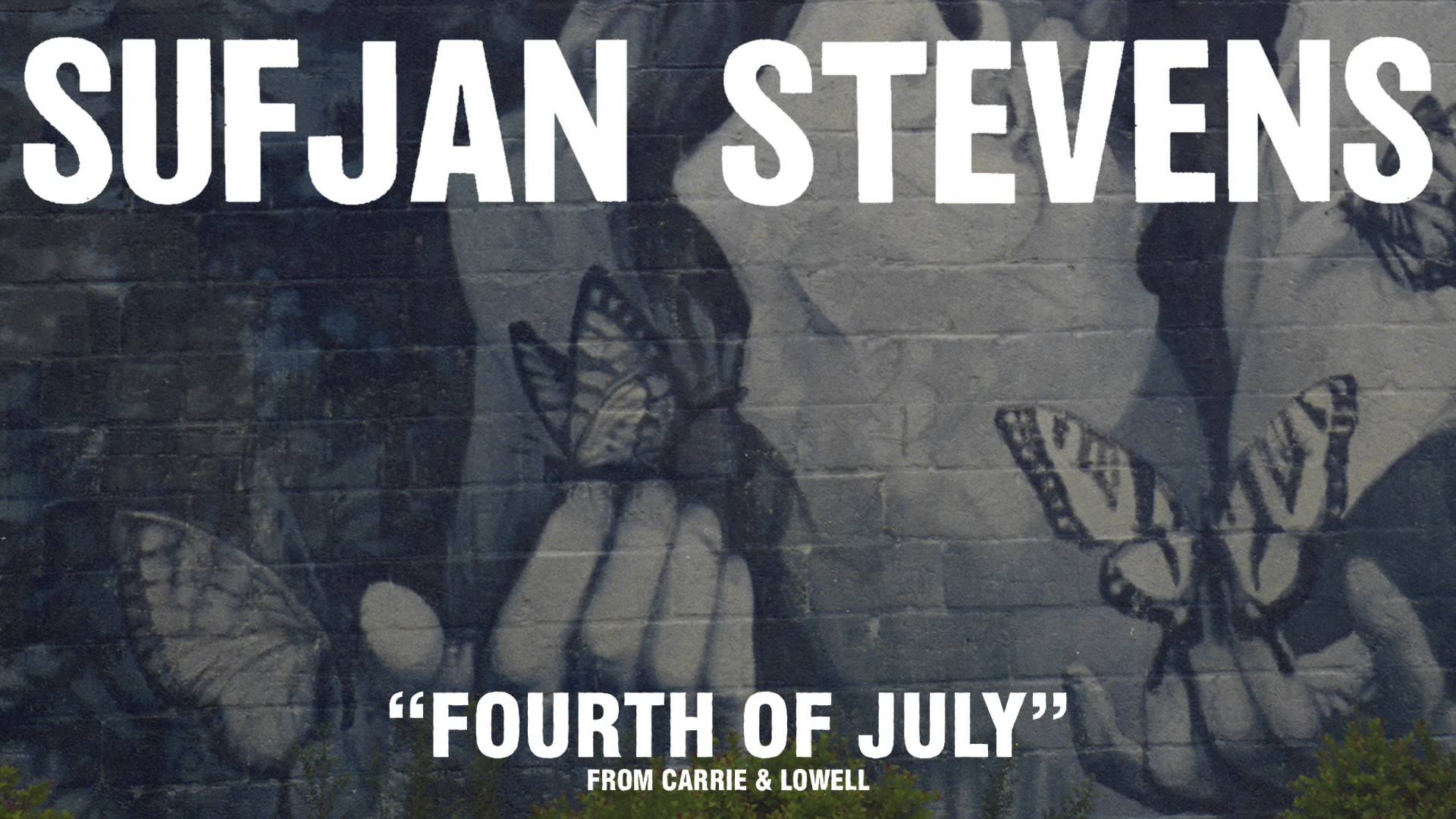
The song "4th of July" by Sufjan Stevens is a haunting meditation on grief, mortality, and the final conversation between the artist and his dying mother, Carrie. Released on the 2015 album Carrie & Lowell, the song uses the imagery of...
The song "4th of July" by Sufjan Stevens is a haunting meditation on grief, mortality, and the final conversation between the artist and his dying mother, Carrie. Released on the 2015 album Carrie & Lowell, the song uses the imagery of Independence Day to contrast the world’s celebrations with the intimate, quiet reality of death and the inevitability of human passing.
Contents
The Narrative Core: A Final Conversation
To understand the meaning of "4th of July," one must first understand the relationship between Sufjan Stevens and his mother, Carrie. Carrie suffered from schizophrenia, depression, and substance abuse issues, and she abandoned Sufjan when he was only a few years old. Despite their estranged relationship, her death from stomach cancer in December 2012 profoundly impacted Stevens, leading to the creation of what many critics consider his most vulnerable work.
The song is framed as a dialogue between Sufjan and his mother at her deathbed. It is not a literal transcription but a poetic reimagining of their final exchange. The lyrics oscillate between the mother’s perspective—offering comfort to her son—and Sufjan’s perspective as he grapples with the physical reality of her body failing. By setting this scene against the backdrop of the Fourth of July, Stevens highlights the isolation of personal tragedy occurring while the rest of the nation is engaged in collective celebration.
Lyrical Analysis and Symbolic Pet Names
One of the most striking elements of the song is the use of affectionate, avian-inspired pet names. These terms of endearment serve to bridge the gap created by years of estrangement, establishing a sense of belonging and tenderness in the face of the end.
- "The Little Loon": A loon is a water bird known for its haunting, mournful cry. By calling himself or being called a "little loon," the song evokes a sense of loneliness and the specific, wailing nature of grief.
- "The Starling": Starlings are birds that often travel in large, complex murmurations. In the context of the song, this suggests a smallness within a much larger, perhaps celestial, design.
- "Firefly": This connects directly to the Fourth of July theme. A firefly’s light is beautiful but fleeting, much like the "fireworks" mentioned later in the song and, ultimately, human life itself.
The lyrics ask, "Did you get enough love, my little dove? Why do you cry?" These questions reflect the deep-seated anxieties of the bereaved—the fear that love was left unexpressed or that the suffering of the dying was not adequately comforted.
The Significance of the Fourth of July Setting
While the song was inspired by events in December, the title and setting of the Fourth of July are deeply symbolic. In the United States, July 4th is a day of independence, loud pyrotechnics, and summer heat. Stevens uses this to create a sharp juxtaposition.
- Independence vs. Abandonment: The holiday marks a birth of a nation, but for Stevens, the date is a reminder of his mother’s "independence" from her suffering and his own forced independence from her care.
- Light and Shadow: The "fireworks" in the sky are contrasted with the "hospital bed." While the world looks up at artificial light, Stevens is looking at the fading light of a human life.
- The "Explosion" of Grief: Just as fireworks are a brief, intense release of energy, the song suggests that death is a final, quiet explosion that leaves the survivors in the dark, waiting for the smoke to clear.
The Refrain: "We’re All Gonna Die"
The song concludes with a repetitive, hypnotic refrain: "We're all gonna die." On paper, this might seem nihilistic or morbid. However, within the musical arrangement—a soft, pulsing electronic beat and hushed vocals—the phrase takes on a different meaning.
In the context of 2026's retrospective look at 2010s indie-folk, musicologists often point to this refrain as a form of "existential comfort." By acknowledging the universality of death, Stevens moves from the specific grief of losing a mother to the shared human condition. It is a reminder that death is not a failure or an anomaly, but the natural conclusion to the life cycle. The repetition serves to desensitize the listener to the fear of the words, turning a terrifying fact into a mantra of acceptance.
Technical Composition and Atmosphere
The "meaning" of the song is carried as much by its production as by its lyrics. Unlike Stevens’ earlier, more orchestral work (like Illinois), "4th of July" is minimalist. It features a steady, heartbeat-like keyboard pulse and layers of ambient sound that feel like a hospital room or a quiet evening.
The lack of a traditional chorus or bridge creates a linear progression, mimicking the steady march of time toward an inevitable end. The vocals are recorded with a "close-mic" technique, making it feel as though Stevens is whispering directly into the listener's ear, or perhaps into his mother's. This intimacy is crucial for a song that deals with such a private moment of transition.
Comparison: Stevens vs. Other "4th of July" Songs
The title "4th of July" has been used by various artists, most notably the grunge band Soundgarden. Understanding the difference in their "meanings" helps highlight the specific niche Stevens occupies.
| Feature | Sufjan Stevens (2015) | Soundgarden (1994) |
|---|---|---|
| Primary Theme | Personal grief and maternal loss | Existential dread and social isolation |
| Musical Style | Indie-folk / Ambient / Electronic | Grunge / Psychedelic Rock |
| Tone | Intimate, fragile, and mournful | Heavy, distorted, and oppressive |
| Key Imagery | Hospital beds, birds, starlings | Black holes, fire, and "down on the upside" |
| Search Intent | Lyrical analysis and emotional processing | Classic rock appreciation and mood |
While Soundgarden’s track is about a "bad trip" and a sense of apocalyptic gloom, Stevens’ track is a focused, surgical examination of a single death.
The Role of Forgiveness
A significant subtext of the song's meaning is forgiveness. Because Carrie was not a consistent presence in Sufjan’s life, the song acts as a space where reconciliation happens. The lyrics "Tell me what did you learn from the Tillamook burn? Or the Fourth of July?" suggest a search for wisdom in past disasters. The "Tillamook Burn" refers to a series of forest fires in Oregon, serving as a metaphor for the scorched earth of their family history.
By the end of the song, there is no anger. There is only the recognition of the "breathing" and the "vanishing." The song suggests that at the moment of death, the grievances of the past become irrelevant, eclipsed by the sheer magnitude of the loss.
Impact and Legacy in 2026
Over a decade since its release, "4th of July" has remained a staple in "sad girl starter packs" and grief-processing playlists. In 2026, it is frequently cited in therapeutic settings as a tool for "death positivity"—the movement to speak more openly about mortality.
Its longevity is due to its refusal to offer easy answers. It doesn't promise an afterlife or a silver lining. Instead, it offers the truth: death is coming for everyone, and in that shared fate, there is a profound, if painful, connection.
Common Misconceptions
- Is it about a breakup? While some listeners interpret the lyrics through the lens of a romantic ending, the overwhelming evidence from the album's context and Stevens' own interviews confirms it is about his mother.
- Is it a "patriotic" song? No. It uses the American holiday as a chronological marker and a source of ironic contrast, rather than a celebration of the nation.
- Is the ending meant to be scary? Most listeners find the "We're all gonna die" refrain to be meditative rather than frightening, though it can be jarring upon the first listen.
Frequently Asked Questions
Why does Sufjan Stevens repeat "We're all gonna die" so many times?
The repetition is designed to move the listener through the stages of grief. Initially, the phrase may feel shocking or depressing. By the 16th repetition, it becomes a rhythmic, almost soothing acknowledgment of reality. It shifts the focus from the fear of death to the shared experience of it.
Who is the "Starling" in the song?
In the dialogue of the song, the "starling" is Sufjan himself. His mother uses this and other bird names ("little loon," "little dove") as terms of endearment. It reflects a mother’s desire to protect her child, even when she is the one who is leaving.
Was the song actually recorded on the Fourth of July?
No. The song was recorded during the sessions for Carrie & Lowell in 2014. The title refers to the thematic setting of the lyrics and the metaphorical use of the holiday's imagery, rather than the date of the recording.
What is the "Tillamook Burn" mentioned in the lyrics?
The Tillamook Burn was a series of massive forest fires in the Coast Range of Oregon in the mid-20th century. Sufjan Stevens often uses Oregon landmarks in his lyrics (as his mother lived there with his stepfather, Lowell). Here, it symbolizes a historical disaster and the process of regrowth after a total loss.
How does this song fit into the album Carrie & Lowell?
"4th of July" is the emotional centerpiece of the album. While other songs deal with the aftermath of his mother's death or his childhood memories, this song focuses specifically on the moment of passing, providing the "why" behind the grief explored in the rest of the record.
Final Recommendation
To fully appreciate the meaning of "4th of July," listeners should experience it within the full context of the Carrie & Lowell album. It is best heard in a quiet environment where the subtle production details—the hiss of the room, the soft pulse of the synth—can be felt. For those currently navigating grief, the song serves as a powerful validation of the loneliness and the eventual, necessary acceptance of loss.
Image Gallery