Why Moving Your Phone Service and Hardware Matters in the Modern Home
Moving your phone service to a digital infrastructure is no longer a matter of preference; it is a critical requirement for maintaining connectivity as legacy copper networks reach their final retirement in 2026. In the modern home, "m...
Moving your phone service to a digital infrastructure is no longer a matter of preference; it is a critical requirement for maintaining connectivity as legacy copper networks reach their final retirement in 2026. In the modern home, "moving" involves transitioning from traditional analog lines to VoIP and strategically placing hardware to ensure seamless smart home integration and emergency service reliability.
Contents
The landscape of residential communication has undergone a seismic shift. As of 2026, the reliance on traditional Public Switched Telephone Network (PSTN) lines has effectively ended in most developed regions. For the modern homeowner, the concept of "moving the phone" encompasses two distinct but equally vital actions: the technical migration of phone numbers to internet-based protocols and the physical optimization of communication hardware within the home’s layout. Understanding why these movements matter is essential for maintaining a residence that is safe, connected, and technologically current.
The End of the Analog Era: Why Technical Migration is Mandatory
The primary reason moving phone services matters today is the global obsolescence of copper-wire infrastructure. For decades, the "landline" was a passive utility that functioned independently of the home’s power supply or internet connection. However, by 2026, telecommunications providers have largely completed the transition to Fiber-to-the-Premises (FTTP) and Digital Voice systems.
When we discuss moving a phone in this context, we are referring to the migration of a legacy number to a Voice over Internet Protocol (VoIP) system. If a homeowner fails to move their service to a digital host, they risk losing a decades-old identity marker—their home phone number—which is often still linked to banking security, medical records, and emergency contact lists.
Furthermore, digital migration allows for advanced features that analog systems could never support. This includes AI-driven spam filtering, which has become a necessity as automated calling technology has evolved. By moving the phone service to a modern digital platform, residents gain control over their communication environment, using encrypted channels that are far more secure than the easily tapped copper lines of the past.
Physical Placement: Optimizing Connectivity in Modern Architecture
The physical location of your phone hardware—specifically the base station or the integrated router—is a critical factor in home performance. Modern homes are increasingly built with energy-efficient materials, such as foil-backed insulation and low-E glass. While these materials are excellent for thermal regulation, they are notoriously difficult for radio frequencies (RF) to penetrate.
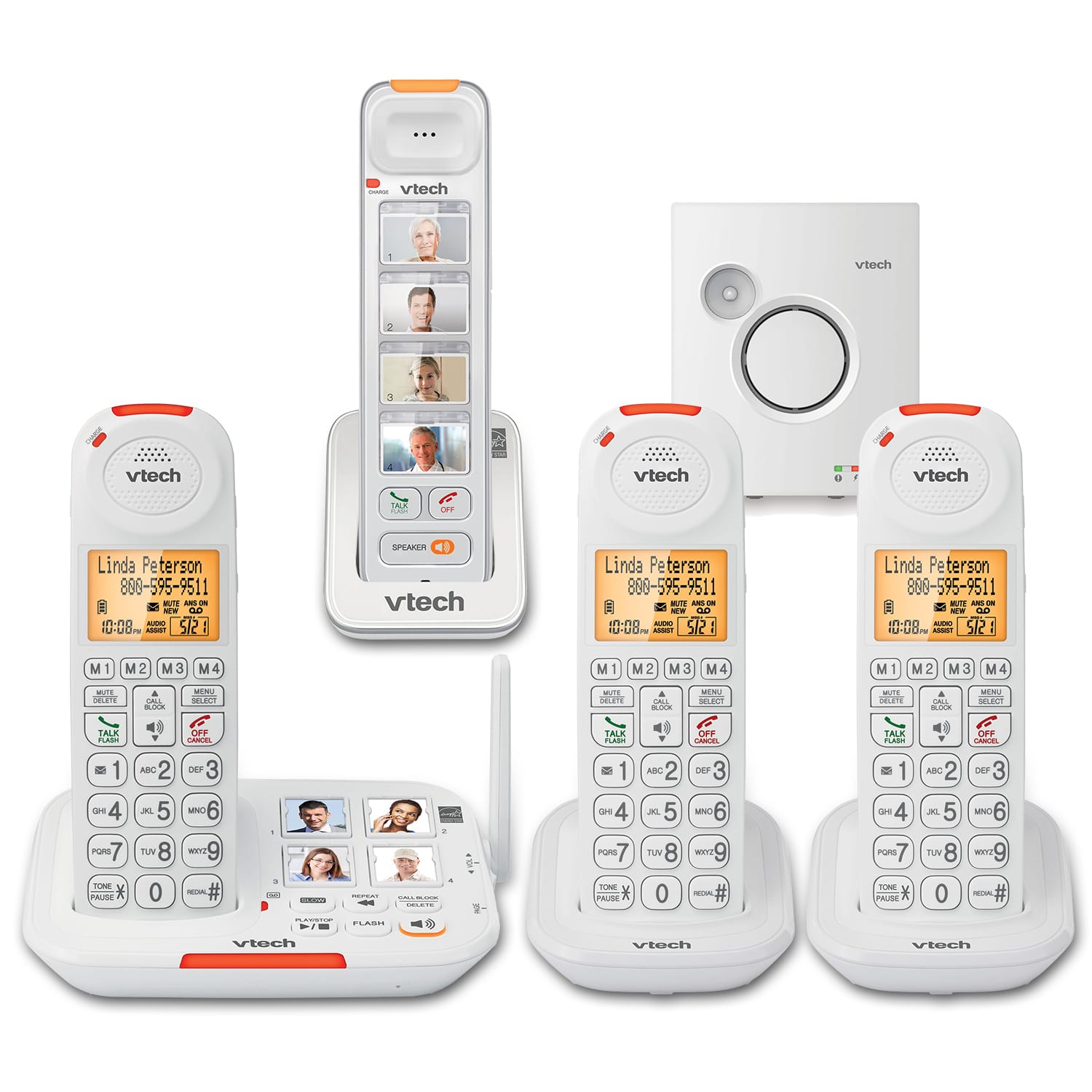
Moving your phone hardware to a central, unobstructed location matters because the modern home relies on a "hub-and-spoke" model of connectivity. In 2026, most home phones are cordless handsets operating on DECT (Digital Enhanced Cordless Telecommunications) or Wi-Fi. If the base station is tucked away in a basement or a metal cabinet, signal degradation occurs, leading to dropped calls and poor audio quality.
Overcoming "Dead Zones"
Strategic placement involves identifying the "center of gravity" for your home's daily activities. Moving the phone base station to a high, central shelf ensures that the signal doesn't have to pass through multiple thick walls or appliances like refrigerators and microwaves, which emit interference. For larger properties, this "move" might involve integrating the phone system with a Mesh Wi-Fi network, allowing for "hand-offs" between nodes so that a user can move from the home office to the kitchen without the call dropping.
Safety and Emergency Services: The E911 Requirement
Perhaps the most compelling reason why moving phone details matters is the accuracy of emergency services. Traditional landlines were physically tied to a specific address in a service provider's database. When you dialed 911 (or 999/112), the dispatcher knew exactly where you were.
In the digital age of 2026, VoIP and mobile-integrated home phones are portable. If you "move" your phone service but fail to update your registered E911 (Enhanced 911) address, emergency responders may be dispatched to your previous residence or a default billing address.
Critical Safety Requirement: In a modern home, ensuring that your digital phone service is correctly "moved" in the provider's database is a life-safety task. Modern systems allow for "dynamic location routing," but this must be configured correctly during the hardware setup to ensure that if a child or guest picks up the handset in an emergency, help arrives at the correct door.
Smart Home Integration and the Unified Ecosystem
In 2026, the phone is no longer an isolated device; it is a node in the Matter-enabled smart home ecosystem. Moving your phone service into this unified environment matters because it allows for cross-device functionality that enhances household productivity.
For example, when a phone service is properly integrated into the modern home:
- Visual Notifications: Incoming calls can trigger smart lighting to flash, which is invaluable for the hearing impaired or those working in loud environments (like a home workshop).
- Intercom Systems: Moving to a modern VoIP system allows home phones to act as internal intercoms, connecting the front door camera directly to the handset.
- Presence Detection: Modern systems can automatically "move" calls from the home handset to a mobile device when the smart lock detects that the resident has left the premises.
This level of integration requires a deliberate setup. Homeowners who treat their phone as a legacy "plug-and-play" device miss out on the safety and convenience features that define the 2026 residential experience.
Comparing Communication Technologies in 2026
To understand the best path for moving your phone service, it is helpful to compare the available technologies.
| Feature | Legacy PSTN (Obsolescent) | Modern VoIP (Digital Voice) | 5G/6G Fixed Wireless |
|---|---|---|---|
| Reliability | High (Self-powered) | High (Requires UPS backup) | Moderate (Weather dependent) |
| Audio Quality | Standard (Narrowband) | Ultra-HD (Wideband) | High (Variable) |
| Emergency Accuracy | Automatic/Hardwired | Requires E911 Registration | GPS/Cell-tower based |
| Smart Integration | None | High (Matter/Thread support) | High (App-based) |
| Installation | Professional Tech Required | Plug-and-Play / DIY | Instant / No wires |
The Logistics of the Move: Step-by-Step Porting
If you are currently transitioning your home or upgrading your service, the "moving" process follows a specific technical sequence to ensure no loss of connectivity.
- Verification of Portability: Before canceling any old service, verify with your new digital provider that your number can be "ported." Most modern fiber providers in 2026 handle this as part of the onboarding process.
- Hardware Assessment: Determine if your current handsets are compatible with VoIP. Most analog phones can be "moved" to a digital system using an ATA (Analog Telephone Adapter), though native IP phones offer better feature support.
- Power Redundancy Planning: Unlike the old copper lines, digital phones require a router and an internet connection to function. Moving to a modern system necessitates the installation of an Uninterruptible Power Supply (UPS) to ensure the phone works during a power outage.
- Network Optimization: Place your VoIP base station at least three feet away from other electronic devices to minimize electromagnetic interference.
Common Pitfalls and Troubleshooting
Many homeowners encounter issues when moving their phone because they underestimate the complexity of modern network traffic.
- Jitter and Latency: If your phone is "moved" onto a network that is also handling heavy 8K video streaming or high-speed gaming, voice quality may suffer. The solution is to enable Quality of Service (QoS) settings on your router, prioritizing "Voice Traffic" over other data types.
- Double NAT Issues: If you move your phone hardware behind multiple routers, you may experience "one-way audio" where you can hear the caller, but they cannot hear you. This is a common configuration error in complex modern homes with multiple mesh nodes.
- The "Power Cut" Vulnerability: Perhaps the biggest mistake is moving to a digital phone without a backup power plan. In 2026, service providers are required to inform customers that digital lines will not work in a blackout unless the home has a battery backup for both the router and the Optical Network Terminal (ONT).
FAQ
Why can't I just use my mobile phone for everything in 2026?
While mobile phones are ubiquitous, a dedicated home phone service provides a "stable point of contact" for the household. It ensures that children or domestic staff have access to emergency services without needing a personal device. Additionally, home VoIP services often provide better indoor audio quality in areas where cellular penetration is blocked by modern building materials.
Does moving my phone to a digital service affect my alarm system?
Yes, significantly. Many older home security systems rely on the "voltage" of a traditional phone line to send signals. If you move to a digital phone service, you must ensure your security system is upgraded to a cellular or IP-based communicator. Failure to do this could leave your home unmonitored.
What is the cost involved in moving to a modern VoIP system?
In 2026, the hardware cost for a high-quality VoIP base station ranges from $50 to $150. Monthly service fees are generally 50-70% lower than traditional analog lines, often ranging from $10 to $25 per month for unlimited domestic calling and advanced digital features.
How do I ensure my privacy when moving to a digital phone?
Unlike analog lines, which could be physically tapped, digital phone signals are encrypted. To maximize privacy, ensure your home network uses WPA3 security protocols and that your VoIP provider offers end-to-end encryption for calls within their network.
Will my old corded phone work if I move it to a digital hub?
Yes, but you will need an Analog Telephone Adapter (ATA). This device converts the analog signal into digital packets. However, to take full advantage of 2026's "HD Voice" standards, upgrading to a native IP handset is recommended.
Next Steps for the Modern Homeowner
To ensure your home remains connected and safe, your first action should be to audit your current communication setup. If you are still relying on a legacy copper line, contact your service provider to initiate a migration to a digital voice service. Once the technical move is complete, evaluate the physical placement of your hardware. Aim for a central, elevated location that minimizes interference. Finally, invest in a small UPS battery backup for your router and phone base station; this small step ensures that your "move" to modern technology doesn't come at the cost of reliability during emergencies.
Image Gallery