How to Use Whole Life Insurance Cash Value Strategies
Whole life insurance cash value strategies involve leveraging the equity built within a permanent life insurance policy to provide liquidity, tax-advantaged growth, and supplemental income. By utilizing policy loans, surrenders, or wit...
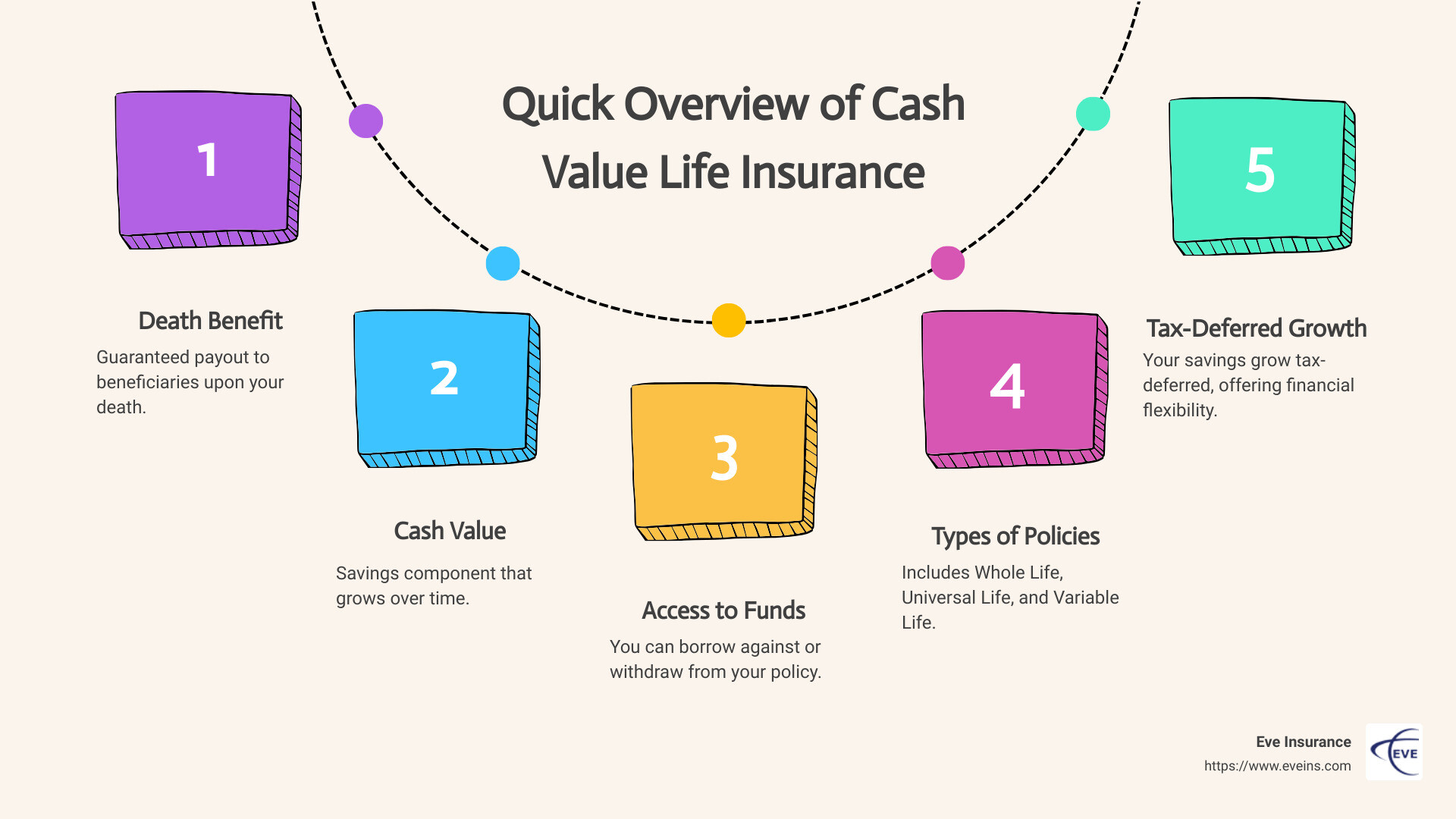
Whole life insurance cash value strategies involve leveraging the equity built within a permanent life insurance policy to provide liquidity, tax-advantaged growth, and supplemental income. By utilizing policy loans, surrenders, or withdrawals, policyholders can finance major purchases, fund retirement, or manage business capital while maintaining a death benefit for beneficiaries.
Contents
Whole life insurance is often misunderstood as merely a death benefit instrument. However, as we navigate the financial landscape of 2026, many high-net-worth individuals and conservative investors view it as a sophisticated "Tier 1" asset. The "cash value" is the living benefit—a portion of your premium that accumulates interest and dividends over time, sheltered from market volatility and certain taxes. Using this capital effectively requires a deep understanding of policy mechanics, tax law, and the specific rules set by mutual insurance carriers.
The Mechanics of Cash Value Accumulation
Before executing a strategy, one must understand how the "engine" of a whole life policy generates value. Unlike term insurance, which only pays out upon death, a whole life policy allocates a portion of each premium payment to a cash value account. In the early years of a policy, most of the premium goes toward the cost of insurance (COI) and administrative fees. As the policy matures, a larger percentage flows into the cash value.
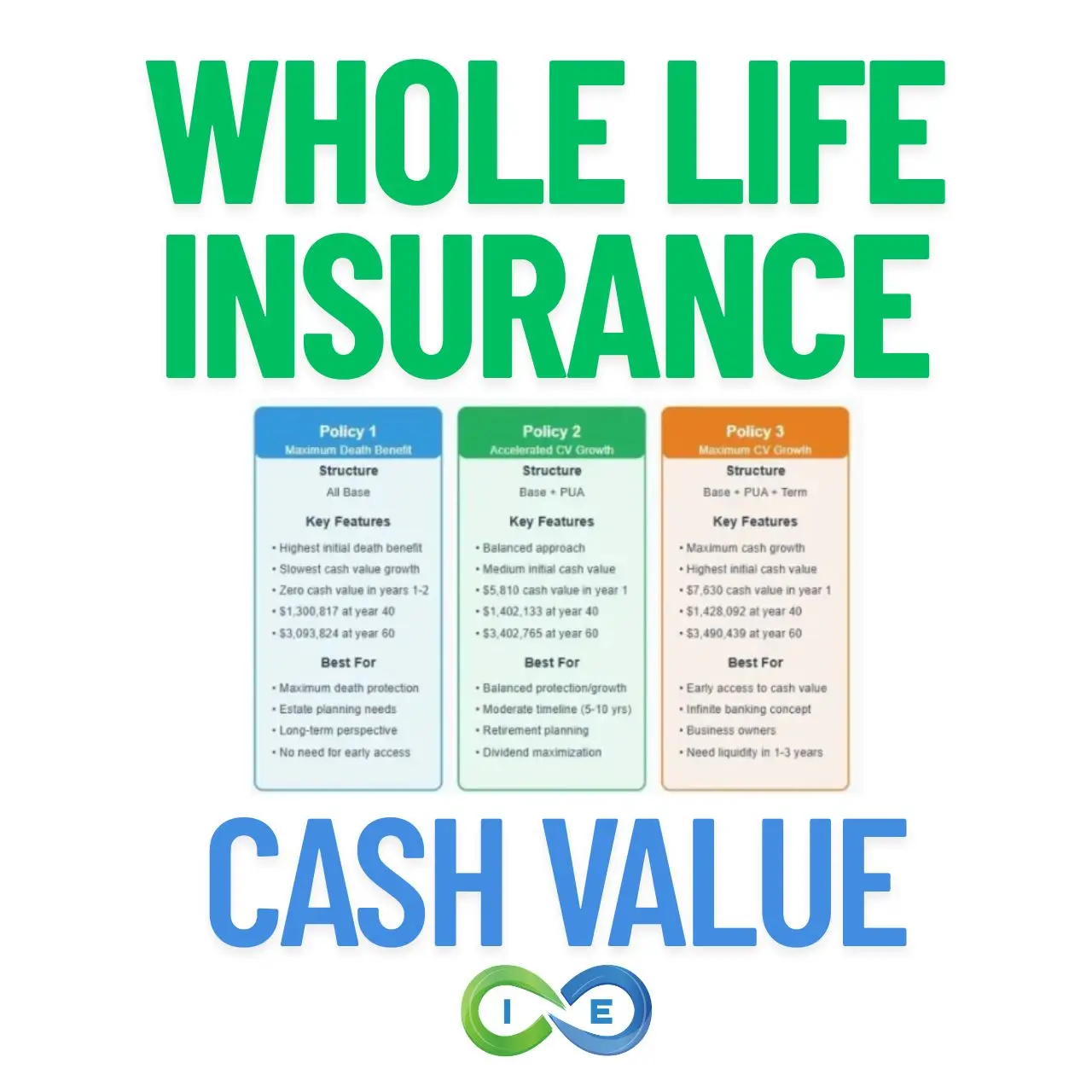
For those using these strategies in 2026, the focus is typically on participating policies from mutual companies. These companies may pay dividends to policyholders, which are technically a return of excess premium. While not guaranteed, dividends can be used to purchase Paid-Up Additions (PUAs). This is the cornerstone of high-early-cash-value strategies. PUAs increase both the death benefit and the cash value rapidly, creating a compounding effect that accelerates the policy's internal rate of return (IRR).
Guaranteed vs. Non-Guaranteed Growth
A whole life policy provides a guaranteed minimum interest rate, often ranging between 2% and 3.5%, depending on the contract date. On top of this, the dividend—the non-guaranteed portion—reflects the insurance company's profitability. In the current economic climate of 2026, dividend scales have remained competitive as carriers benefit from a stabilized interest rate environment, making the cash value a reliable hedge against equity market corrections.
Core Strategy: The Infinite Banking Concept (IBC)
One of the most popular strategies is the Infinite Banking Concept, often referred to as "Bank on Yourself." The goal is to use the policy’s cash value as a personal revolving line of credit. Instead of borrowing from a traditional bank and paying interest to a third party, you borrow against your policy.
How to Execute the IBC Strategy
- Fund the Policy Heavily: Use a PUA rider to "overfund" the policy up to the legal limit (the MEC limit) to maximize early cash value.
- Request a Policy Loan: When you need capital—for a car, a business investment, or real estate—request a loan from the insurer. The insurer uses your cash value as collateral.
- Maintain Compounding: Importantly, the money you "borrow" never actually leaves your account. The insurance company lends you their money, while your full cash value continues to earn interest and dividends.
- Repay the Loan: You set your own repayment schedule. By paying back the loan with interest, you effectively "capture" the interest that would have gone to a bank, further increasing your wealth within the policy.
Strategy: Life Insurance Retirement Plan (LIRP)
The Life Insurance Retirement Plan (LIRP) is used as a "tax-free bucket" to supplement 401(k) or IRA income. This strategy is particularly effective for those who exceed the income limits for a Roth IRA but want similar tax advantages.
In a LIRP strategy, the policyholder accumulates cash value during their working years. Upon retirement, they access the money via tax-free policy loans. Because loans are not considered "income" by the IRS, they do not trigger income taxes or increase the taxable portion of Social Security benefits. This provides a crucial hedge against the possibility of higher tax rates in the future.
Strategy: The "Volatility Buffer" in Retirement
A sophisticated use of cash value is the Volatility Buffer. During market downturns, retirees with traditional portfolios often face "sequence of returns risk," where selling stocks at a loss to fund living expenses permanently depletes their nest egg.
By having a whole life policy with significant cash value, a retiree can choose to stop taking distributions from their 401(k) when the market is down. Instead, they draw from their life insurance cash value. This gives the stock market portfolio time to recover without being forced to liquidate assets at the bottom. Once the market rebounds, the retiree can resume 401(k) distributions and, if desired, repay the policy loan.
Accessing the Money: Loans vs. Withdrawals vs. Surrenders
Understanding how to pull money out is just as important as putting it in. Each method has distinct financial and tax consequences.
| Method | Tax Impact | Impact on Death Benefit | Key Consideration |
|---|---|---|---|
| Policy Loan | Tax-free (usually) | Reduces benefit by loan amount | Interest is charged by the insurer; the policy stays in force. |
| Withdrawal | Tax-free up to "basis" | Reduces death benefit | Permanent reduction; any amount over the basis is taxed as income. |
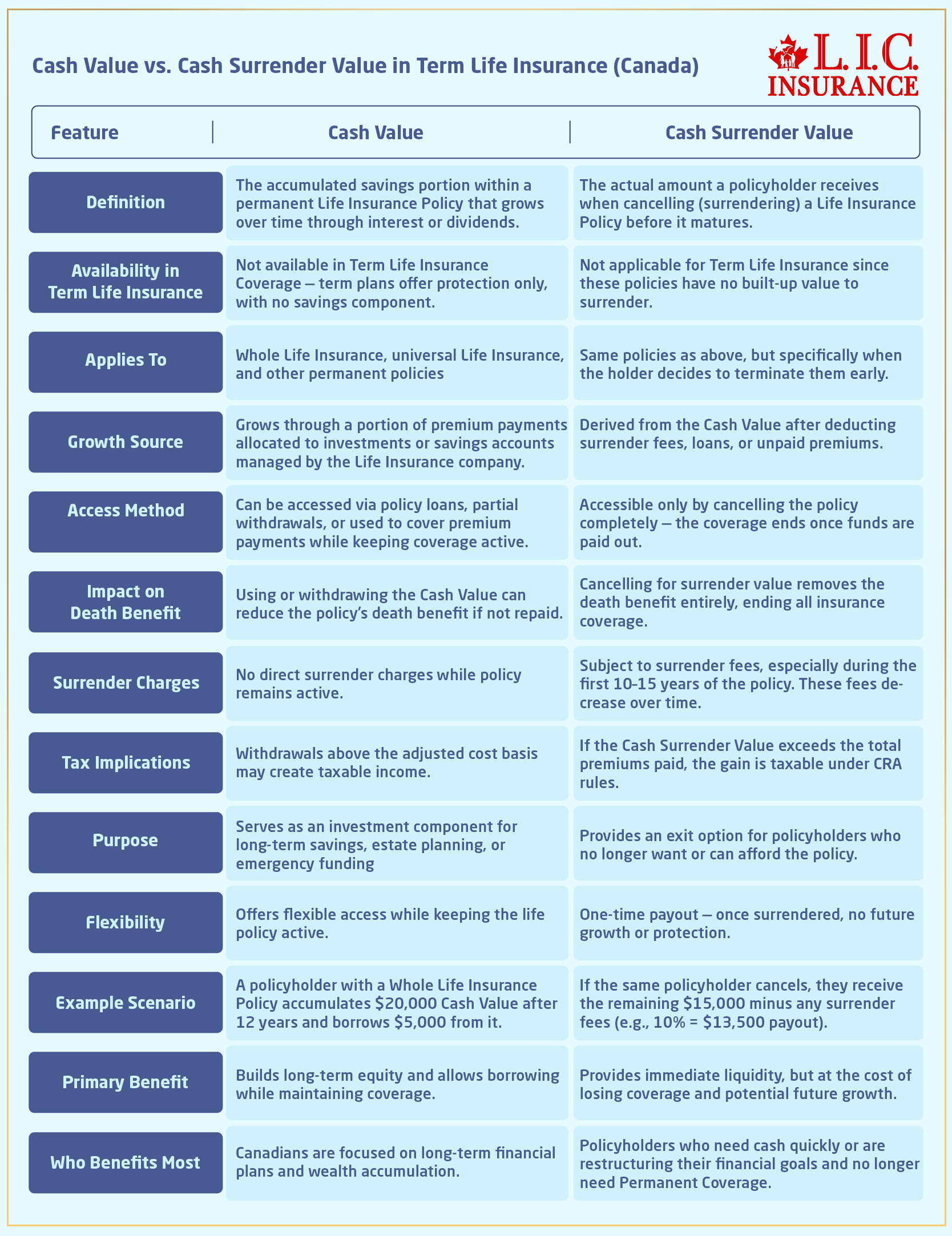
| Partial Surrender | Tax-free up to basis | Reduces death benefit | Permanently removes cash and lowers the total insurance coverage. |
| Dividends to Cash | Generally tax-free | None | Taking dividends as cash stops them from buying PUAs, slowing growth. |
Direct vs. Non-Direct Recognition
When using loans, it is vital to know if your carrier uses Direct Recognition.
- Non-Direct Recognition: The company pays the same dividend on your cash value regardless of whether you have an outstanding loan. This is preferred for IBC strategies.
- Direct Recognition: The company adjusts the dividend rate on the portion of the cash value being used as collateral. This can either increase or decrease the overall yield depending on current interest rates.
Avoiding the "MEC" Trap: Section 7702 Compliance
To maintain the tax-favored status of life insurance, a policy must not become a Modified Endowment Contract (MEC). Under the Internal Revenue Code Section 7702, if you put too much money into a policy too quickly, it loses its status as "insurance" and is reclassified as an "investment."
If a policy becomes a MEC:
- Loans and withdrawals are taxed on a "Last-In, First-Out" (LIFO) basis, meaning gains are taxed first.
- A 10% penalty may apply for distributions taken before age 59½.
- The death benefit remains tax-free, but the "living benefits" are significantly hampered.
Professional policy design is required to ensure the premium stays just below the MEC threshold to maximize cash value without triggering these penalties.
Strategic Use for Business Owners
Business owners often use whole life cash value as a "sinking fund" or for Key Person Insurance. The cash value can sit on the business balance sheet as an asset, providing a source of emergency capital for the business.
Additionally, cash value can fund a Buy-Sell Agreement. If a business partner dies, the death benefit provides the funds to buy out their shares. If they live to retirement, the accumulated cash value can be used to facilitate a structured buyout of their interest in the company.
Common Pitfalls and Troubleshooting
While these strategies are powerful, they are not without risk.
- Policy Lapse: If you take a maximum loan and then stop paying premiums, the interest on the loan may eventually exceed the remaining cash value. If the policy lapses while a loan is outstanding, the entire loan balance (minus your basis) becomes immediately taxable as ordinary income.
- High Interest Rates: In 2026, while dividend rates are stable, the interest charged by insurance companies on loans must be monitored. If the loan interest rate significantly exceeds the dividend rate, the "cost of carry" can erode the policy's value over decades.
- Underfunding: Whole life is a long-term commitment. If a policyholder cannot maintain the premium payments in the early years, the policy may not build enough momentum to support these strategies effectively.
Frequently Asked Questions
Does borrowing my cash value affect my credit score?
No. Policy loans are private contracts between you and the insurance carrier. They do not appear on your credit report, and there is no credit check required to access the funds. This makes it an ideal source of "opportunity fund" capital when traditional credit markets are tight.
Is the cash value guaranteed?
Yes, a portion of it is. Every whole life policy has a schedule of guaranteed cash values that must be met by the insurer. However, the total cash value usually includes non-guaranteed dividends. In a participating policy from a top-rated mutual carrier, these dividends have historically been paid every year for over a century, including through the Great Depression and the 2008 financial crisis.
Can I use my cash value to pay my premiums?
Yes. This is known as "using dividends to pay premiums" or a "Reduced Paid-Up" (RPU) strategy. Once a policy is sufficiently funded, the dividends or a portion of the cash value can be used to cover the ongoing costs, effectively making the policy "self-funding."
What happens to the cash value when I die?
Generally, the insurance company keeps the cash value and pays the death benefit to your beneficiaries. This is a common point of confusion. To "keep" the cash value, you must either use it while living or ensure your policy is structured with a "Face Amount plus Cash Value" rider, though this significantly increases the premium.
Next Steps for Implementing Strategy
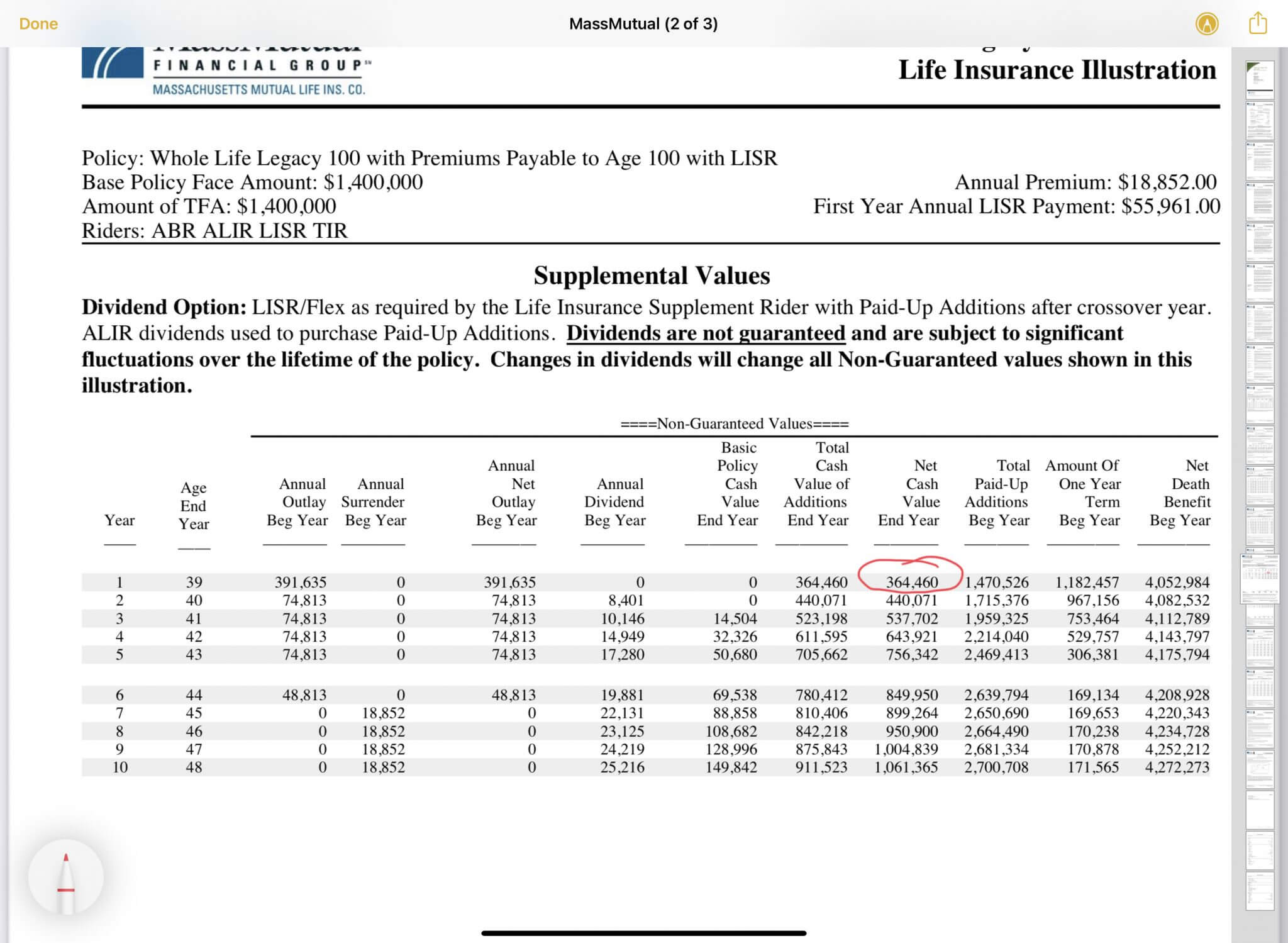
To successfully implement a whole life insurance cash value strategy, your first action should be to request a supplemental illustration from a specialized agent. This document will project how the cash value will grow based on current dividend scales and show the impact of different loan scenarios.
Ensure your policy is structured with a high Paid-Up Additions (PUA) rider and that you are working with a mutual insurance company that has a long history of dividend payments. Finally, consult with a tax professional to ensure your funding levels stay within the 2026 guidelines for Section 7702 to avoid unintended tax consequences.
Image Gallery