Life Insurance Health Exam Vaping Myth vs Fact: Navigating the 2026 Underwriting Landscape
For most life insurance applicants who vape, the medical exam is the most stressful part of the process. In 2026, insurance companies treat vaping with the same scrutiny as traditional cigarette smoking. Understanding the myths versus...
For most life insurance applicants who vape, the medical exam is the most stressful part of the process. In 2026, insurance companies treat vaping with the same scrutiny as traditional cigarette smoking. Understanding the myths versus the facts regarding nicotine detection and actuarial risk is essential to securing a valid policy and avoiding claims of insurance fraud.
Contents
The Reality of Life Insurance Underwriting and Vaping
In the eyes of a life insurance underwriter, the distinction between a combustible cigarette and an electronic nicotine delivery system (ENDS) is often negligible. While the public health debate continues regarding the relative safety of vaping compared to smoking, the insurance industry relies on long-term actuarial data. This data currently suggests that any nicotine delivery carries a higher mortality risk than total abstinence.
When you apply for a life insurance policy in 2026, you will typically undergo a paramedical exam. This exam includes a questionnaire about your lifestyle habits and a collection of physical samples, usually blood and urine. These samples are screened for various biomarkers, including those that indicate the use of nicotine. The primary goal of the insurer is to place you into a risk category (or "rating") that dictates your premium. For vapers, this almost always means being placed in a "Tobacco" or "Smoker" category, which can result in premiums that are 200% to 300% higher than those for non-smokers.
Myth vs. Fact: Can the Medical Exam Detect Vaping?
There is a significant amount of misinformation regarding how insurers detect vaping and whether an applicant can "beat" the test. Let’s break down the most common misconceptions.
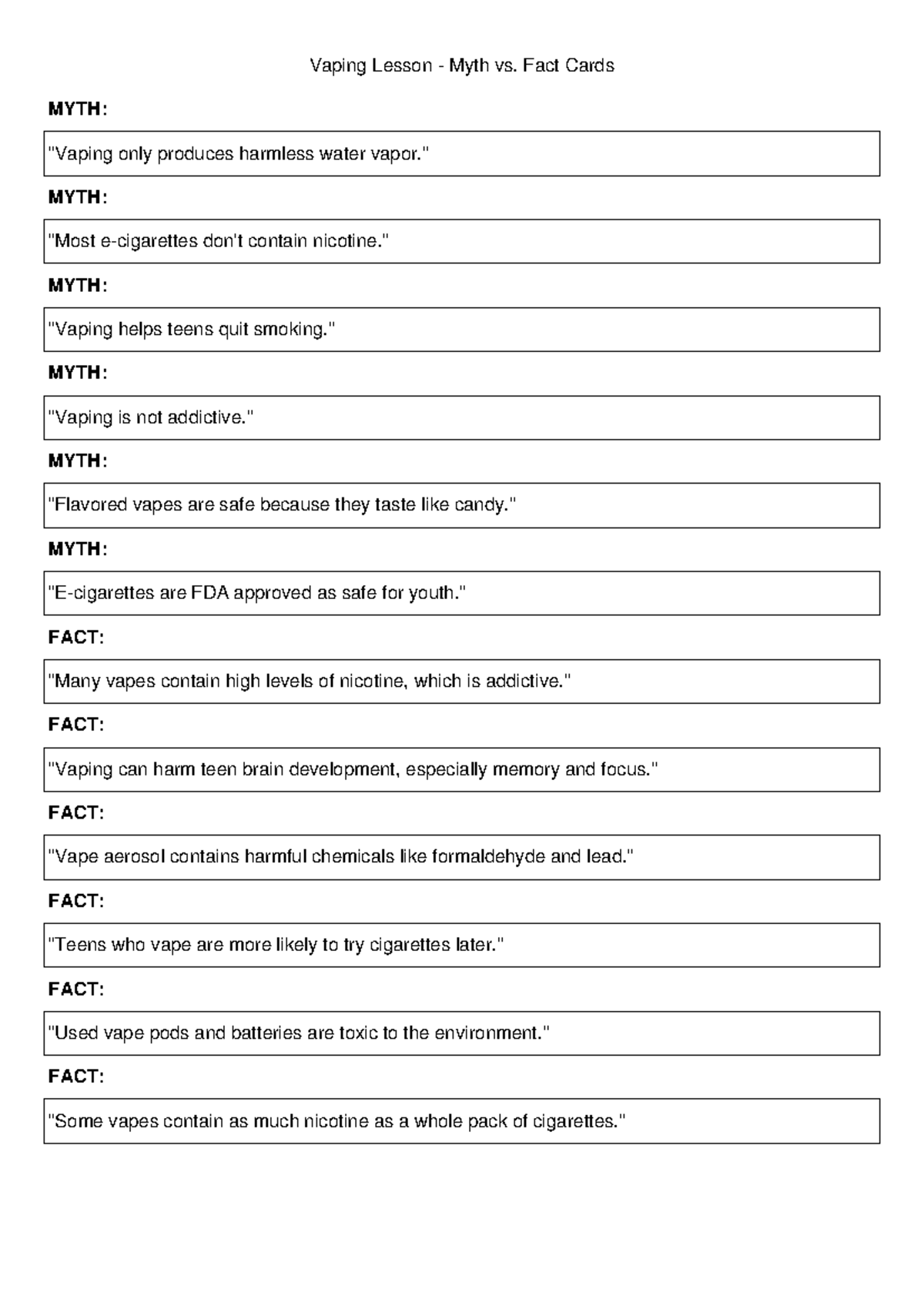
Myth 1: Insurance companies only test for "smoking," not vaping.
Fact: Insurance companies test for cotinine, a metabolite of nicotine. Whether the nicotine entered your system through a Marlboro, a Juul, a refillable vape mod, or even a nicotine patch, the chemical byproduct is the same. Modern lab tests are incredibly sensitive and can detect even trace amounts of cotinine. If nicotine is present in your blood or urine, you will be flagged as a tobacco user, regardless of how it was consumed.
Myth 2: If I vape nicotine-free juice, I will qualify for non-smoker rates.
Fact: While nicotine-free e-liquid does not produce cotinine, using it still presents a hurdle. Most life insurance applications ask, "Have you used any nicotine or tobacco products, including e-cigarettes, in the last 12 to 24 months?" If you answer "No" but the lab finds other indicators or if you are later found to have been vaping, your policy could be voided. Furthermore, some insurers maintain a blanket policy: if you use a vaping device, you are a "user," regardless of the chemical composition of the liquid. This is because it is nearly impossible for an insurer to verify that an applicant exclusively uses nicotine-free products.
Myth 3: Cotinine leaves your system in 24 to 48 hours.
Fact: While the half-life of nicotine is short, cotinine is much more persistent. In a casual or infrequent user, cotinine might be undetectable in urine after 3 to 4 days. However, for regular, daily vapers, cotinine can be detected in urine for up to 10 to 14 days after the last use. In hair follicle tests—though less common for standard life insurance—nicotine can be detected for up to 90 days. Relying on a "flush" period is a high-risk strategy that often leads to a positive result and a permanent record of tobacco use in your Medical Information Bureau (MIB) file.
The Financial Impact: Smoker vs. Non-Smoker Rates in 2026
The primary reason applicants attempt to hide their vaping habits is the "tobacco tax" applied to premiums. The difference in total cost over the life of a 20-year or 30-year term policy can be tens of thousands of dollars.
| Applicant Profile (Age 35, $500k 20-Year Term) | Monthly Premium (Non-Smoker) | Monthly Premium (Smoker/Vaper) | Total 20-Year Cost Difference |
|---|---|---|---|
| Preferred Plus (Excellent Health) | $28.50 | N/A | N/A |
| Standard (Average Health) | $42.00 | $145.00 | $24,720.00 |
| Table B (Minor Health Issues) | $65.00 | $198.00 | $31,920.00 |
Note: These figures are 2026 estimates based on average market rates for a healthy 35-year-old male. Individual rates vary by carrier and specific health history.
As the table illustrates, the financial penalty for vaping is severe. However, paying the higher rate is far better than the alternative: having a claim denied after your death because of material misrepresentation.
Why Honesty is the Only Path: The Contestability Period
Every life insurance policy issued in 2026 includes a Contestability Period, typically lasting two years from the date the policy goes into effect. During this window, the insurance company has the legal right to investigate the original application for any signs of fraud or misrepresentation.
If a policyholder who claimed to be a non-smoker dies within these first two years, the insurer will meticulously review medical records. If they find any mention of vaping or nicotine use in a doctor’s note from before the application date, they can—and likely will—deny the death benefit payout to the beneficiaries. In some jurisdictions, if the misrepresentation is considered "material" and "fraudulent," the company can even contest the claim after the two-year period has expired.
How to Handle the Health Exam if You Vape
If you currently vape, you have three primary strategies to handle the insurance process effectively:
- Be Transparent: Disclose your vaping habits on the application. Many brokers specialize in "high-risk" or "tobacco" cases and can help you find the specific carriers that are more "vape-friendly." Some companies may offer a "Standard Tobacco" rate that is slightly lower than a "Preferred Smoker" rate if you are otherwise in excellent health.
- Look for "Quit Smoking" Incentives: Some forward-thinking insurers in 2026 offer policies that allow you to start at a smoker rate but re-apply for a non-smoker rate after 12 to 24 months of verified nicotine-free status. This requires a new medical exam and fluid sample to prove you have quit.
- Quit Before Applying: The only way to legitimately qualify for non-smoker rates is to be nicotine-free for at least 12 months. If you can stop vaping a year before you need the policy, you can save a significant amount of money legally.
Distinguishing Vaping from Nicotine Replacement Therapy (NRT)
Many applicants wonder if using a nicotine patch or gum to quit vaping will help them in the medical exam. While NRT still produces cotinine, some insurance carriers treat NRT differently than vaping or smoking.
When a lab test returns a positive result for cotinine, the insurance company may perform a follow-up test for anabasine. Anabasine is an alkaloid found in tobacco plants but is generally absent from purified nicotine used in patches and gums. If you test positive for cotinine but negative for anabasine, it proves you are using NRT rather than smoking or vaping. While many carriers still charge tobacco rates for NRT, a small number of "lifestyle-lenient" carriers may offer "Standard Non-Tobacco" rates to those actively using NRT to quit.
Common Questions About Vaping and Life Insurance Exams
Does the frequency of vaping matter to the insurance company?
Generally, no. For the majority of insurers, there is no "occasional" vaper category. Whether you vape once a week or 50 times a day, a positive cotinine test usually defaults your rating to the "Smoker" category. A few niche carriers may allow for very infrequent "celebratory" cigar use, but this rarely extends to vaping.
Can second-hand vapor cause me to fail the nicotine test?
It is extremely unlikely. Standardized cotinine tests have a "cutoff level" (usually around 10 to 50 ng/mL for urine). This threshold is high enough to ensure that passive exposure to vapor or cigarette smoke in a public place will not trigger a positive result. You generally need to be an active user for the levels to exceed the detection threshold.
Will my insurance company find out if I start vaping after the policy is issued?
If you were a non-smoker at the time of the application and you honestly represented that fact, you are generally not required to inform the insurance company if you take up vaping later. Your rates are locked in based on your health status at the time of underwriting. However, if you add more coverage or replace the policy later, you will have to disclose the habit then.
What happens if I am caught lying on the application?
If the medical exam reveals nicotine that you did not disclose, the insurer will likely "post-close" your application. This means they will either decline to offer you coverage or significantly increase the quoted premium. Furthermore, the attempt to hide the habit will be recorded in your MIB (Medical Information Bureau) report, which other insurance companies will see if you try to apply elsewhere.
Final Recommendation: Secure Your Coverage with Integrity
The most effective way to navigate a life insurance health exam as a vaper is to work with an independent agent who understands the current 2026 underwriting guidelines. Do not attempt to mask your usage or rely on myths about "detox drinks" or short abstinence periods.
The goal of life insurance is peace of mind for your family. That peace of mind is built on the foundation of an enforceable contract. By being honest about your vaping habits, you ensure that the death benefit you are paying for will actually be there for your loved ones when they need it most. If the cost of smoker rates is too high, use the application process as a catalyst to quit nicotine entirely, then re-apply for a rate reduction once you have been "clean" for at least one year.
Image Gallery