Medical Alert Systems for In-Home Safety: Features, Costs, and Options
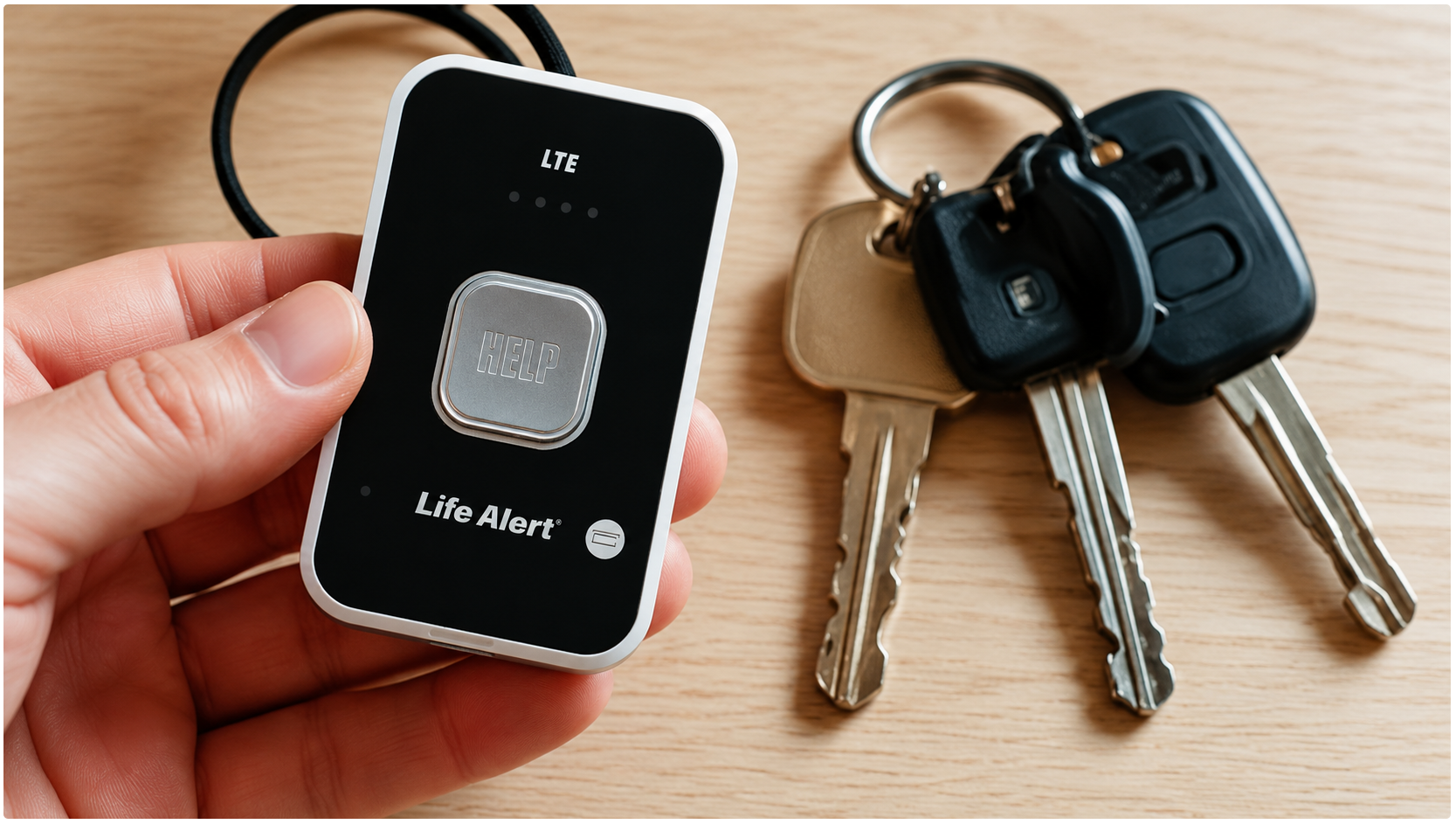
In-home medical alert systems—commonly referred to as "Life Alert type devices" or Personal Emergency Response Systems (PERS)—provide 24/7 access to emergency assistance at the push of a button. These systems connect a central base uni...
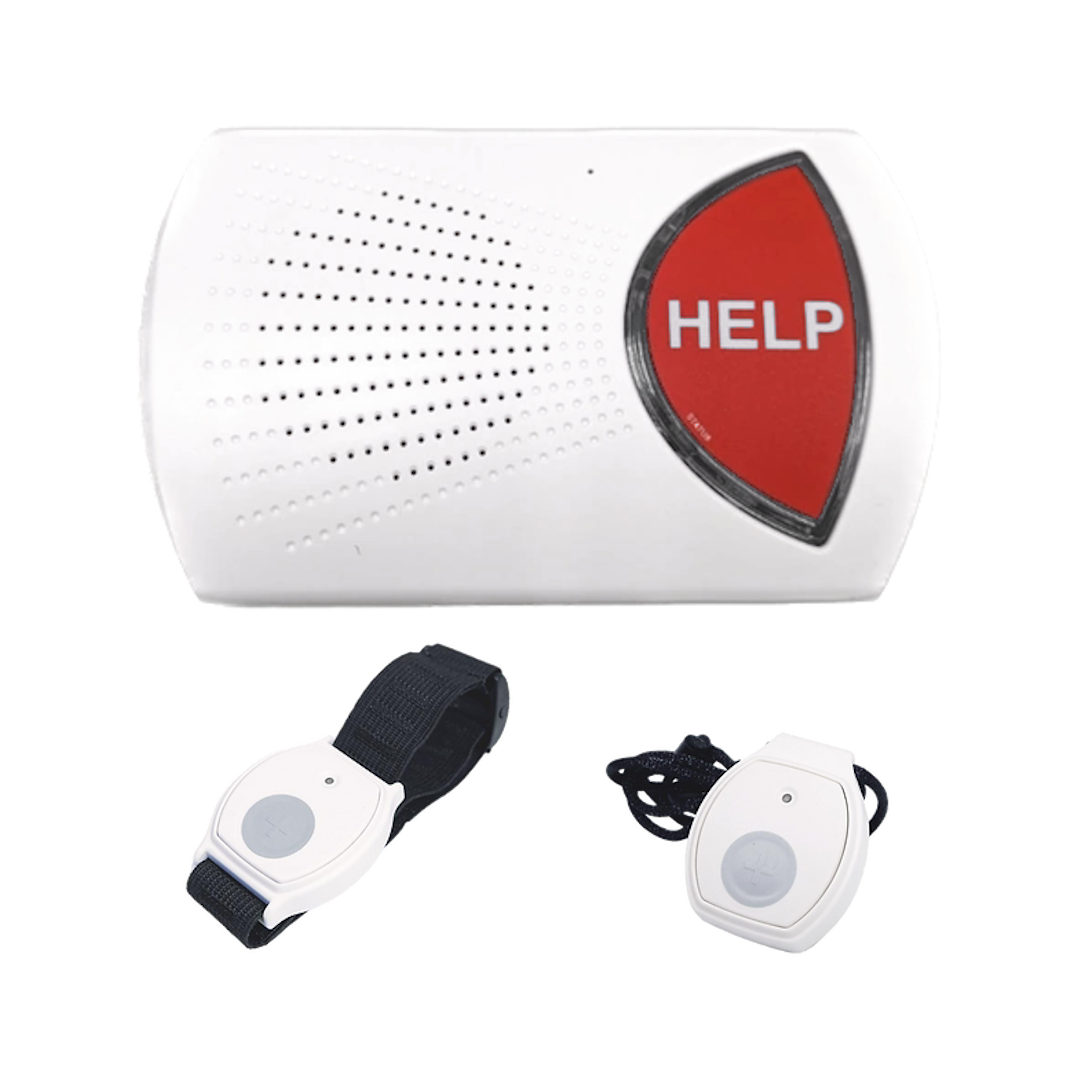
In-home medical alert systems—commonly referred to as "Life Alert type devices" or Personal Emergency Response Systems (PERS)—provide 24/7 access to emergency assistance at the push of a button. These systems connect a central base unit to a wearable pendant or wristband, transmitting emergency signals via cellular or landline networks to trained monitoring specialists who dispatch help immediately.
Contents
How In-Home Medical Alert Systems Work
Personal Emergency Response Systems (PERS) are engineered to minimize the critical delay between an emergency—such as a medical event, sudden fall, or home accident—and the arrival of first responders or designated family members. Understanding the core mechanism of these devices helps in selecting a configuration that offers full coverage throughout a residence.
- Wearable Button (Pendant/Wrist)
- Transmits RF Signal (Up to 1,400 ft range)
- In-Home Base Unit (Speaker & Mic Array)
- Transmits via Cellular / Landline
- Monitoring Station (TMA / UL Certified)
- Dispatches to:
- Emergency Ops (911 Dispatch)
- Caregivers/Family (Non-Emergency)
- Dispatches to:
The Communication Pipeline
- Signal Initiation: The user presses a help button on a light wearable pendant, wristband, or wall-mounted button.
- Radio Frequency Transmission: The wearable sends a secure, short-range radio frequency (RF) signal (typically operating around 433 MHz or 900 MHz) to the tabletop base station inside the home.
- Base Station Activation: The base station receives the signal, triggers a high-decibel alert tone, and automatically dials a designated emergency response center using an internal cellular modem or a traditional landline connection.
- Two-Way Voice Communication: Once connected—usually within 15 to 45 seconds—a trained operator communicates with the resident through the base station's high-output speaker and sensitive microphone array.
- Triage and Dispatch: The response center operator assesses the situation. If the user reports an emergency or if there is no vocal response, the operator contacts local emergency services (EMS, fire, or police) and notifies contacts listed on the user's custom emergency profile.
Primary Types of In-Home Safety Systems
While all home safety alert systems share the same goal, their underlying infrastructure and hardware form factors vary significantly. Choosing the right system depends on available home utilities, physical space, and the resident's mobility habits.
1. Landline-Based In-Home Systems
Landline systems represent the traditional baseline of personal emergency response hardware.
- How They Operate: The base station plugs directly into an active Plain Old Telephone Service (POTS) jack or an established Voice over IP (VoIP) home phone line.
- Best Suited For: Seniors living in rural areas with spotty cellular coverage who maintain an active physical landline.
- Advantages: Lower monthly monitoring fees due to the absence of cellular data carrier plans; highly stable connection in isolated geographical areas.
- Limitations: Physical reliance on telephone wiring; vulnerable to cut lines or traditional telephone network outages.
2. Cellular In-Home Systems
Cellular in-home systems have largely replaced landline models as the standard for home safety.
- How They Operate: The base station contains an embedded cellular module (connecting to major networks like AT&T or Verizon). It requires no home internet, Wi-Fi, or landline phone service.
- Best Suited For: Households without a landline or those seeking a plug-and-play installation.
- Advantages: Immune to phone line cutting; can be moved easily from room to room or taken along when visiting family, provided an electrical outlet and cellular reception exist.
- Limitations: Requires adequate cellular signal strength inside the primary living area.
3. Smartwatch and Wearable Hybrid Alternatives
For active seniors who want safety coverage both inside the home and on the go, modern all-in-one wearable devices combine traditional alert buttons with mobile technology.
- How They Operate: Compact, wrist-worn or pendant-based units house an internal cellular chip, GPS transceiver, microphone, and speaker directly inside the wearable casing.
- Best Suited For: Individuals who spend significant time outdoors, run errands, or travel, but still require an easy-to-use home safety net.
- Advantages: Works anywhere with cellular coverage; includes location tracking via GPS, Wi-Fi location triangulation, and cellular tower lookup.
- Limitations: Requires daily or near-daily battery recharging, unlike traditional in-home pendants whose batteries last several years without charging.
Key Safety Features to Evaluate
When shopping for an emergency response device, marketing language can blur the lines between vital technical features and non-essential add-ons. Prioritize these core capabilities when assessing safety hardware:
Automatic Fall Detection
Automatic fall detection is one of the most critical advances in medical safety technology.
- Technical Mechanism: Fall detection pendants rely on small tri-axial accelerometers paired with barometric pressure sensors. Complex mathematical algorithms analyze sudden changes in speed, wrist or chest orientation, downward velocity, and minute atmospheric pressure changes that signify a rapid drop to the floor.
- Operational Reality: No automatic fall detection technology can detect 100% of falls. Gradual slides from a chair, slow slumps against a wall, or controlled impacts may not generate the motion threshold required to trigger an automated alarm. Users must always press the manual help button if they are conscious and able.
- Form Factor Requirements: Fall detection sensors require specific positioning to calculate vectors accurately. As a result, fall detection is almost universally built into chest-worn pendants rather than wristbands, as wrist movements create too many false positives.
Battery Backup and Power Standards
Power outages caused by severe weather often coincide with increased fall risks and medical emergencies.
- Standard Requirements: Look for base stations tested and certified under UL 1637 (the Underwriters Laboratories standard for Home Health Care Signaling Equipment).
- Backup Capacity: Compliant systems feature internal rechargeable backup batteries capable of running the base station for 24 to 32 hours continuously during a main power failure.
- Wearable Battery Life: Traditional in-home pendants (without fall detection) use sealed lithium batteries that last between 3 to 5 years without maintenance. Pendants equipped with automatic fall detection draw more power and typically feature replaceable batteries or require unit swaps every 1 to 2 years.
Two-Way Audio Clarity and Signal Range
A system's ability to communicate across physical distances determines its effectiveness in real-world scenarios.
- RF Button Range: Base stations advertise line-of-sight signal ranges between 600 and 1,400 feet. However, real-world obstacles—such as plaster walls, brick fireplaces, metal appliances, and closed doors—attenuate radio signals. Test the pendant from the furthest points of the home, including bathrooms, basements, and attached garages.
- Audio Loudness and Sensitivity: The base station must feature an amplified speaker (often 80+ decibels) and high-gain omnidirectional microphones equipped with noise suppression. This ensures the monitoring agent can hear the user even if they are in an adjacent room and unable to move close to the speaker.
In-Home Safety System Categories Compared
The following table provides an overview of the technical, operational, and financial differences across major types of in-home alert options.
| System Type | Primary Connection | Typical Range from Base | Battery Backup Standard | Average Monthly Cost | Best For |
|---|---|---|---|---|---|
| Landline In-Home PERS | Physical Telephone Jack (POTS) | 600 – 1,000 ft | 24 to 32 Hours | $20 – $30 | Homes with existing landlines in rural locations |
| Cellular In-Home PERS | Embedded 4G/LTE Cellular | 800 – 1,400 ft | 24 to 32 Hours | $30 – $45 | Standard homes without a landline; effortless setup |
| Mobile All-in-One GPS | Embedded Cellular + GPS | Nationwide (Cellular network) | 24 to 48 Hours (Rechargeable) | $40 – $55 | Active individuals moving between home and outdoors |
| Unmonitored Smart Buttons | Home Wi-Fi / Bluetooth | Limited to Wi-Fi footprint | Dependent on router power | $0 (No subscription) | Budget-conscious users with nearby family caregivers |
Cost Analysis, Insurance, and Contractual Terms
Evaluating the true financial commitment of a medical alert device requires looking beyond advertised entry-level monthly rates.
Monthly Monitoring Fees
- Standard In-Home Monitoring: Typically ranges between $20 and $45 per month.
- Add-On Services: Automatic fall detection usually adds $10 to $15 per month to the base tier. Additional wall buttons, protection plans, or secondary caregiver mobile apps may incur minor recurring fees.
Hidden Costs to Watch For
- Activation and Equipment Fees: Many reputable providers offer free equipment leases included with monthly monitoring, while others charge upfront hardware fees ranging from $50 to $200.
- Shipping and Return Processing: Pay close attention to who covers shipping costs when returning equipment upon service cancellation.
- Long-Term Contracts: Avoid providers demanding long-term commitments (such as 2- or 3-year contracts). Industry-standard practice allows for month-to-month billing with the ability to cancel at any time without penalty upon returning the equipment.
Insurance Coverage and Financial Assistance
- Original Medicare (Parts A & B): Original Medicare generally does not cover personal emergency response systems, as they are categorized as personal safety items rather than primary "Durable Medical Equipment" (DME).
- Medicare Advantage (Part C): Many private Medicare Advantage plans offer supplemental coverage allowances or wellness benefits that pay for or subsidize in-home medical alert systems. Policyholders should review their specific Evidence of Coverage (EOC) documents.
- Medicaid and HCBS Waivers: Medicaid Home and Community-Based Services (HCBS) waivers often assist eligible seniors with the cost of PERS devices to support aging in place. Contact state Medicaid offices for state-specific program guidelines.
- HSA / FSA Eligibility: Medical alert devices and their associated monthly monitoring services are frequently qualified medical expenses under Health Savings Accounts (HSA) or Flexible Spending Accounts (FSA) when prescribed by a physician to assist with an ongoing medical condition or fall risk.
How to Select the Right In-Home System: Step-by-Step
Selecting an emergency response system requires evaluating both the physical layout of the home and the user's health profile.
- STEP 1: Audit Home Communications
- Assess landline availability and cellular coverage inside the home
- STEP 2: Evaluate User Physical Needs
- Determine if automatic fall detection is medically necessary
- STEP 3: Verify Call Center Credentials
- Ensure monitoring holds UL Listing and TMA Five Diamond status
- STEP 4: Conduct System Range & Placement Tests
- Test the signal from corners, bathrooms, basements, and yard
Step 1: Audit Home Communications Infrastructure
Check whether the home has a reliable landline or strong cellular signals from major carriers (such as AT&T or Verizon). If cellular signal strength varies across rooms, choose a cellular provider that matches the carrier with the strongest signal inside that specific home layout.
Step 2: Assess Individual Physical and Cognitive Needs
- Fall Risk: If the individual has a history of fainting, mobility impairment, osteoporosis, balance issues, or neurological conditions, select a system with automatic fall detection.
- Cognitive Function: For users experiencing mild cognitive decline, choose a non-intrusive base station with simple, straightforward push-button operation. Avoid complex devices that require frequent manual recharging.
Step 3: Verify Response Center Certifications
Ensure the service provider operates monitoring centers certified by third-party standards organizations:
- TMA Five Diamond Certification: Issued by The Monitoring Association, this certification verifies that 100% of dispatch operators have completed rigorous professional training standards and that the facility undergoes random annual inspections.
- UL Listed (Underwriters Laboratories): Confirms that the response center has redundant power generators, backup data systems, and physical security measures to remain operational during natural disasters.
Step 4: Perform a Range Test Upon Unboxing
Once the system arrives:
- Plug the base station into a central location on the main living floor, away from large metal objects, micro-waves, or thick concrete walls.
- Put the base station into test mode (following manufacturer instructions).
- Walk to extreme boundaries of the property—including the bathroom, shower area, garage, laundry room, and backyard—and press the button to confirm reliable signal transmission to the base unit.
Frequently Asked Questions
Can the wearable button be worn in the shower?
Yes, virtually all standard in-home help pendants and wristbands are water-resistant (rated IP67 or higher) and designed specifically to be worn in the shower or bath. Because slips and falls occur frequently on wet surfaces, users should leave their panic buttons on while bathing. However, devices should not be submerged in deep water for extended periods.
What happens if I press the button by accident?
Accidental button presses happen frequently. When the base station connects to the monitoring center, simply wait for the operator to speak and inform them that it was a false alarm. Response centers do not dispatch emergency services or fine users for accidental activations, provided the user verbally confirms they are safe.
Will a medical alert device interfere with my pacemaker?
Most personal emergency response pendants operate on standard low-power radio frequencies (like 433 MHz or 900 MHz) that do not interfere with cardiac pacemakers or implantable cardioverter-defibrillators (ICDs). However, it is always recommended to maintain a separation distance of at least 6 inches between cellular-enabled wearables and cardiac devices, and to consult a physician or the pacemaker manufacturer.
Can an in-home system work if the power goes out?
Yes. Systems compliant with safety standards feature built-in backup batteries inside the tabletop base station. These internal batteries power the device automatically for 24 to 32 hours during an electrical grid failure.
What if I cannot speak or be heard after pressing the button?
If a user presses the emergency button and the response center operator receives no voice response through the base station speaker, the operator immediately treats the call as a critical emergency. The operator will initiate an established protocol: dialing secondary phone numbers, contacting designated family keyholders, and dispatching local emergency services to perform a welfare check at the residence.
Summary and Recommended Next Steps
Selecting an in-home medical alert system provides safety for seniors aging independently and peace of mind for family caregivers. For most modern households, a cellular-based in-home system offers the ideal balance of simple installation, reliable connectivity, and power outage resilience. If the user has a history of balance challenges, adding automatic fall detection provides a critical secondary layer of protection.
Recommended Next Actions:
- Map the Home: Identify where the base station will sit centrally and note potential cellular coverage dead zones.
- Review Insurance Policies: Check Medicare Advantage or Medicaid waiver benefits to see if allowance funds exist for home safety devices.
- Verify Contract Terms: Select providers that offer transparent month-to-month service agreements, clear return policies, and certified TMA Five Diamond response centers.
Image Gallery