Best Free CRM Software for Recruitment in 2026: A Comprehensive Guide
Finding the best free CRM software for recruitment involves balancing essential features like candidate tracking, resume parsing, and pipeline management against the limitations of "forever free" tiers. In 2026, the most effective free...
Finding the best free CRM software for recruitment involves balancing essential features like candidate tracking, resume parsing, and pipeline management against the limitations of "forever free" tiers. In 2026, the most effective free options include Zoho Recruit, HubSpot, and Bitrix24, which offer robust foundational tools for solo recruiters and small agencies looking to scale without immediate upfront costs.
Contents
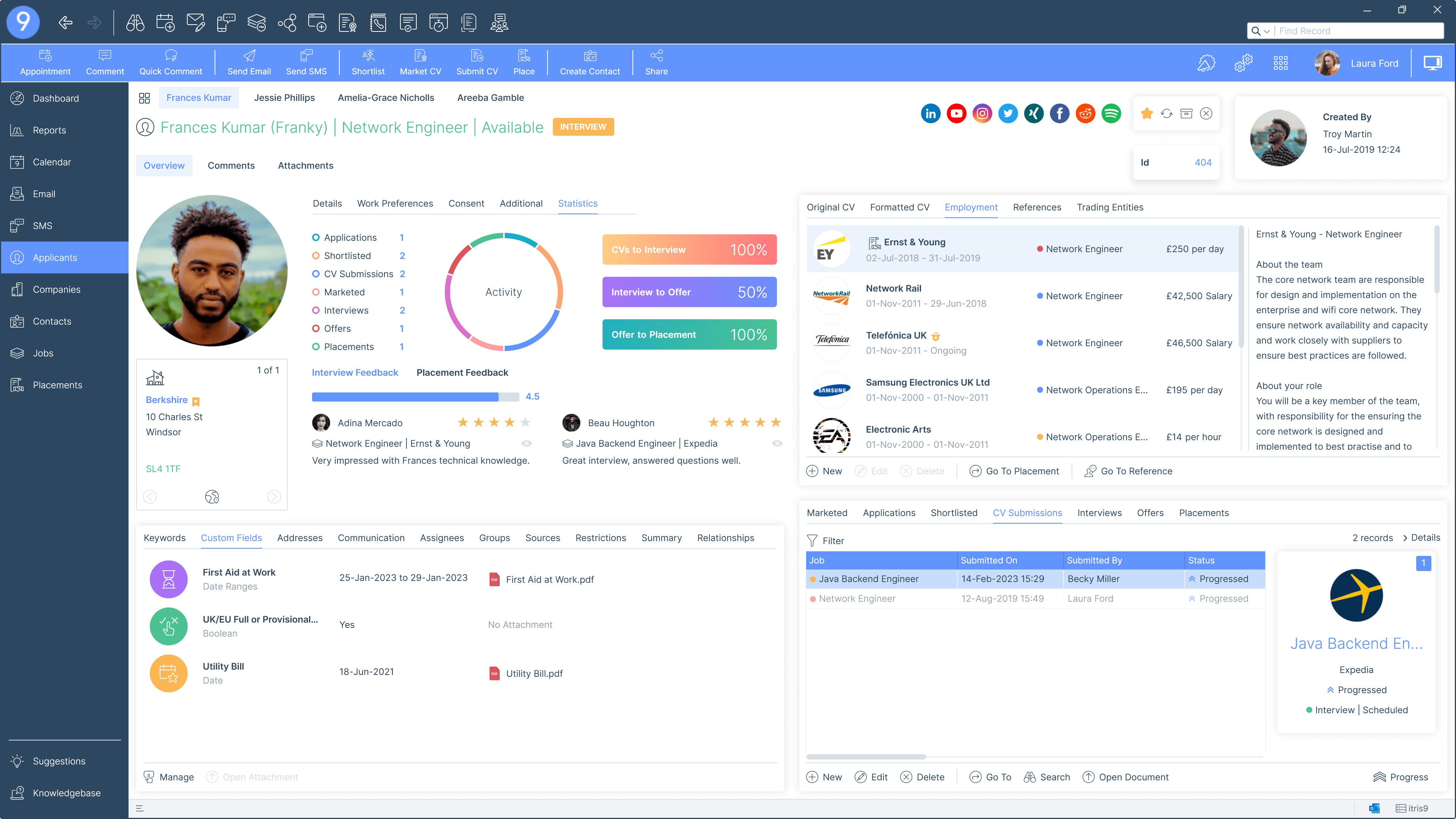
The recruitment landscape has shifted significantly. As we move through 2026, the line between an Applicant Tracking System (ATS) and a Customer Relationship Management (CRM) tool has almost entirely blurred. For recruitment agencies, a CRM is dual-purpose: it must manage the "client" side (companies hiring) and the "talent" side (candidates). For in-house HR teams, the focus is almost entirely on the candidate experience. Utilizing a free CRM allows emerging firms to organize their database, automate repetitive outreach, and maintain a professional image while managing tight operational budgets.
The Evolution of Recruitment CRMs in 2026
In the current market, "free" no longer means "feature-stripped." Competitive pressure among SaaS providers has forced many to include sophisticated tools in their entry-level tiers. In 2026, even free versions of recruitment software often include basic AI-driven resume parsing and integrated communication channels.
The primary challenge for recruiters is no longer finding a tool, but finding one that doesn't lock your data behind a paywall when you reach 100 candidates. Modern recruiters require a system that acts as a single source of truth. Whether you are a solo headhunter or part of a small boutique agency, the CRM serves as your digital memory, ensuring no follow-up is missed and every candidate interaction is documented.
Core Features to Prioritize in a Free Recruitment CRM
When evaluating a free platform, you must look beyond the marketing jargon. A recruitment-specific CRM needs to handle high volumes of unstructured data (resumes) and convert them into searchable profiles. If a CRM is built for general sales but lacks recruitment workflows, you will spend more time "hacking" the system than actually hiring.
Pipeline Visualization and Management
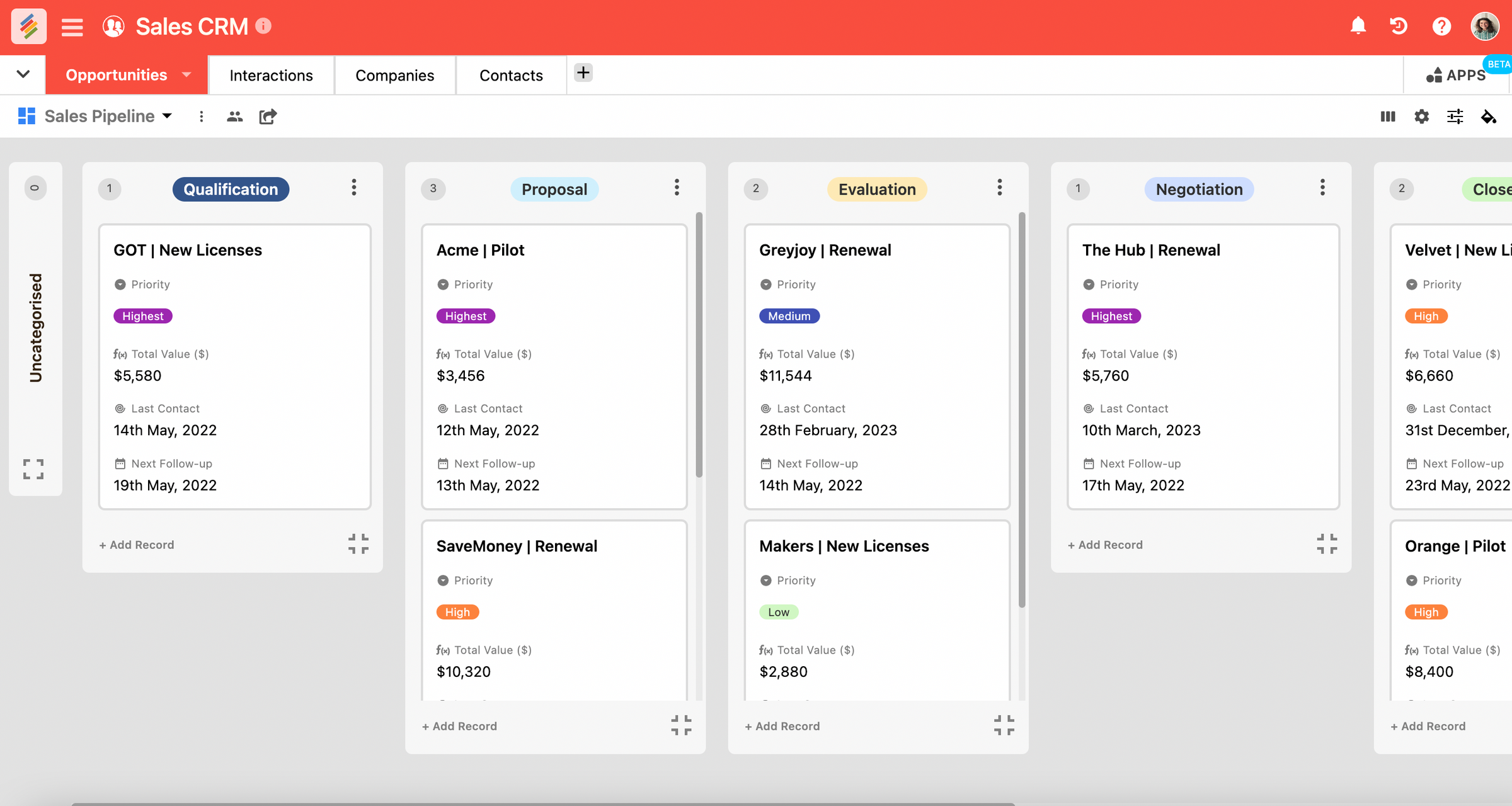
A visual pipeline, usually in a Kanban-style board, is non-negotiable. You need to see, at a glance, how many candidates are in the "Sourced," "Interviewing," "Offered," or "Placed" stages. Free versions should allow you to customize these stages to match your specific workflow, whether you are doing executive search or high-volume retail placement.
Resume Parsing and Database Search
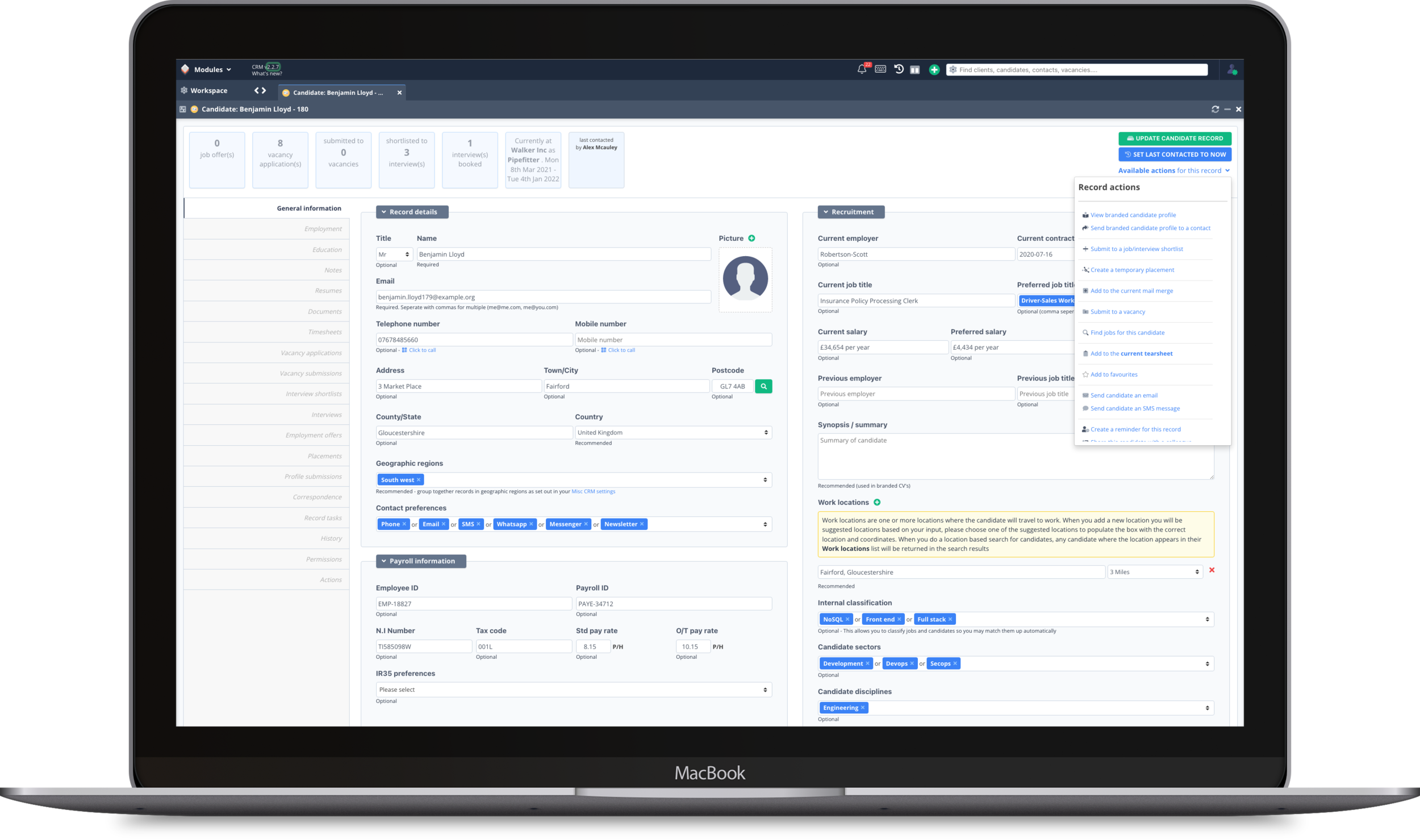
In 2026, manual data entry is a relic of the past. Even free CRMs should offer some level of resume parsing—the ability to upload a PDF or Word document and automatically populate fields like "Experience," "Skills," and "Education." Furthermore, the search functionality must be powerful enough to handle Boolean queries so you can find specific talent within your existing database without paying for external job board searches.
Communication Integration
Recruitment is a game of speed. A CRM that integrates with your email (Gmail, Outlook) or provides basic SMS functionality ensures that all communications are logged automatically. This prevents the "double-contact" embarrassment where two people from your firm reach out to the same candidate, or worse, you forget a candidate's previous feedback.
Top-Rated Free CRM Software for Recruitment in 2026
The following platforms have established themselves as the leaders in the "freemium" space for 2026. Each has specific strengths depending on whether you focus on sales, candidate management, or internal HR.
1. Zoho Recruit (Forever Free Plan)
Zoho Recruit remains a top contender because it is built specifically for recruiters rather than adapted from a general sales tool. Its "Forever Free" plan is designed for solo recruiters.
- Best For: Independent headhunters and startup agencies.
- Key Features: Candidate management, job vacancy management, and basic interview scheduling.
- The 2026 Edge: Zoho has integrated its basic AI assistant, Zia, into the free tier to help with simple task reminders and data cleaning.
2. HubSpot CRM
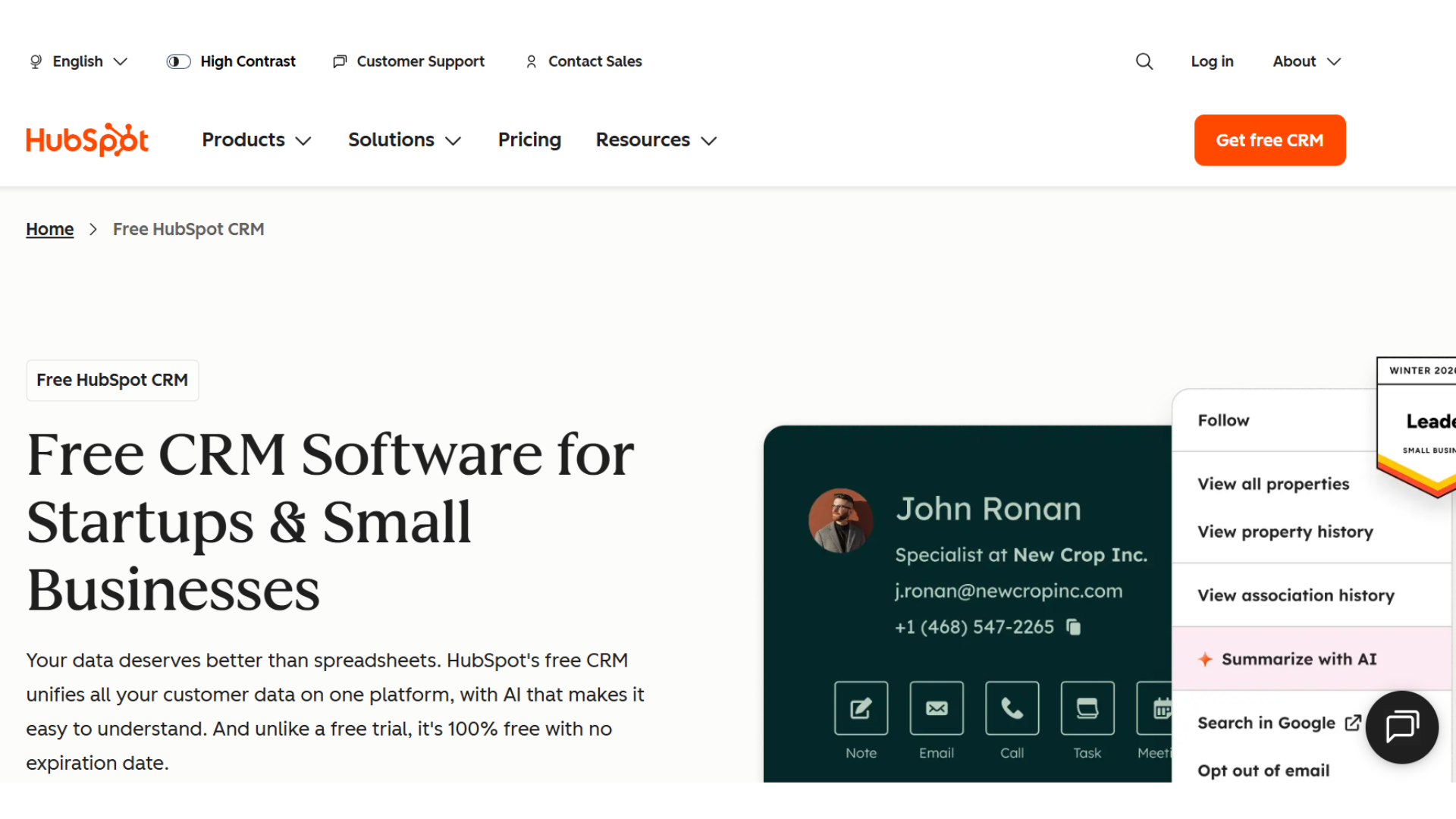
While HubSpot is a general CRM, its free tier is legendary for its lack of user limits. It is an excellent choice for recruitment agencies that focus heavily on "Business Development" (finding new clients to hire for).
- Best For: Agencies focused on client acquisition and marketing-led recruitment.
- Key Features: Unlimited users, contact management, and integrated email tracking.
- The 2026 Edge: HubSpot’s "Smart Content" features in the free tier allow for highly personalized outreach at scale.
3. Bitrix24
Bitrix24 offers one of the most feature-rich free versions on the market, functioning almost like a full ERP (Enterprise Resource Planning) suite. It includes collaboration tools, task management, and a robust CRM.
- Best For: Small teams that need collaboration tools alongside their CRM.
- Key Features: Unlimited leads, built-in telephony (pay-per-minute), and project management boards.
- The 2026 Edge: Their free tier now includes enhanced video conferencing tools, making it easier to conduct initial screenings directly through the platform.
4. Recruit CRM (Free Version)
Recruit CRM has gained significant traction by 2026 as a cloud-based solution that prioritizes ease of use and a modern UI.
- Best For: Modern agencies looking for a "plug-and-play" experience.
- Key Features: Parsing from LinkedIn (via browser extension), email triggers, and a searchable candidate pool.
- The 2026 Edge: Their Chrome extension is highly optimized for 2026 browser standards, allowing for one-click candidate sourcing.
Comparison of Free Recruitment CRM Features (2026)
| Feature | Zoho Recruit | HubSpot CRM | Bitrix24 | Recruit CRM |
|---|---|---|---|---|
| User Limit | 1 User | Unlimited | Unlimited | 1 User |
| Candidate Parsing | Basic Included | Not Native | Via Integration | 50/month (Free) |
| Client Management | Yes | Excellent | Yes | Yes |
| Email Integration | Limited | Full (2-way) | Limited | Full |
| Mobile App | Yes | Yes | Yes | Yes |
| Reporting | Basic | Standard | Advanced | Basic |
Navigating the Limitations of Free Software
While "free" is a great starting point, transparency regarding limitations is essential for long-term planning. In 2026, SaaS companies typically limit free tiers in three specific ways:
- Record Volume: You may be limited to a certain number of candidate profiles (e.g., 2,000) or job openings. Once you hit this cap, you must delete old data or upgrade.
- Automation Caps: Advanced workflows—such as "If a candidate is moved to 'Hired,' automatically send a thank-you note to all other applicants"—are often reserved for paid tiers.
- Support Access: Free users typically rely on community forums or self-service knowledge bases. If the system goes down or you have a technical glitch, you won't have a dedicated account manager to call.
Implementation Steps for Small Recruitment Teams
Moving your data into a new CRM can be daunting. To ensure a smooth transition in 2026, follow these steps:
Step 1: Clean Your Existing Data
Before importing your spreadsheets or old database into a free CRM, remove duplicates and outdated contact information. Most free tiers have storage limits; don't waste them on candidates you haven't spoken to in five years.
Step 2: Map Your Workflow
Standardize your stages. A common 2026 workflow includes:
- Sourced
- Screened
- Internal Interview
- Client Submission
- Client Interview
- Offer
- Placed
Ensure your chosen CRM allows you to replicate this.
Step 3: Test the Sourcing Extension
Most recruitment is done on LinkedIn, Xing, or specialized job boards. Test the CRM’s browser extension. If it doesn't accurately pull candidate data into the CRM with one click, it will significantly slow down your daily operations.
Data Privacy and Security in 2026
Even with free software, you are legally responsible for the data you collect. In 2026, global regulations like GDPR (Europe), CCPA (California), and various newer regional acts are strictly enforced. Ensure your free CRM provider hosts data in compliant regions and offers tools for "Right to be Forgotten" requests. Never use a "free" tool that sells your candidate data to third parties; reputable providers like those mentioned above make their money through upgrades, not data sales.
Frequently Asked Questions
Can I migrate my data out of a free CRM if I decide to switch?
Most reputable CRMs allow you to export your data in .CSV or .Excel formats. However, some "free-only" niche tools may make this difficult. Always check the export settings before committing your data to a platform. In 2026, data portability is a standard expectation, but it is wise to verify the specific fields that are included in the export.
Is a free CRM secure enough for sensitive candidate information?
The security of a CRM usually depends on the provider's infrastructure, not the price of your plan. Established providers like Zoho or HubSpot use the same high-level encryption for their free users as they do for their enterprise clients. The biggest security risk is usually user-side, such as weak passwords or a lack of Two-Factor Authentication (2FA), which should be enabled regardless of the plan type.
How does a recruitment CRM differ from a standard sales CRM?
A standard sales CRM tracks a "Deal" through a funnel. A recruitment CRM (or ATS) must track a "Candidate" through a funnel while simultaneously linking them to a "Job Opening" and a "Client." This "many-to-many" relationship is technically more complex than a standard sales cycle. While you can use a sales CRM like HubSpot for recruitment, you often have to create custom objects or workarounds to manage job-specific data.
Will "Free Forever" plans actually stay free?
In the SaaS industry, "Free Forever" usually means that the features currently in that tier will remain free, but new, advanced features will be added to paid tiers. Companies like Zoho have maintained their free tiers for over a decade. However, always read the terms of service for "usage-based" triggers that might force an upgrade once your database reaches a certain size.
Practical Recommendation
If you are a solo recruiter starting in 2026, begin with Zoho Recruit. Its specific focus on the recruitment lifecycle saves you the time of configuring a general CRM. If you are part of a small team (2-5 people) that needs to collaborate on the same database, Bitrix24 or the free tier of HubSpot (if you have strong technical skills to customize it) are the most scalable options. Start small, maintain data hygiene, and only upgrade when the automation features or increased storage will provide a clear return on investment.
Image Gallery