Comprehensive Guide to Term Life Insurance Policies with Low Premiums and Estimated Costs
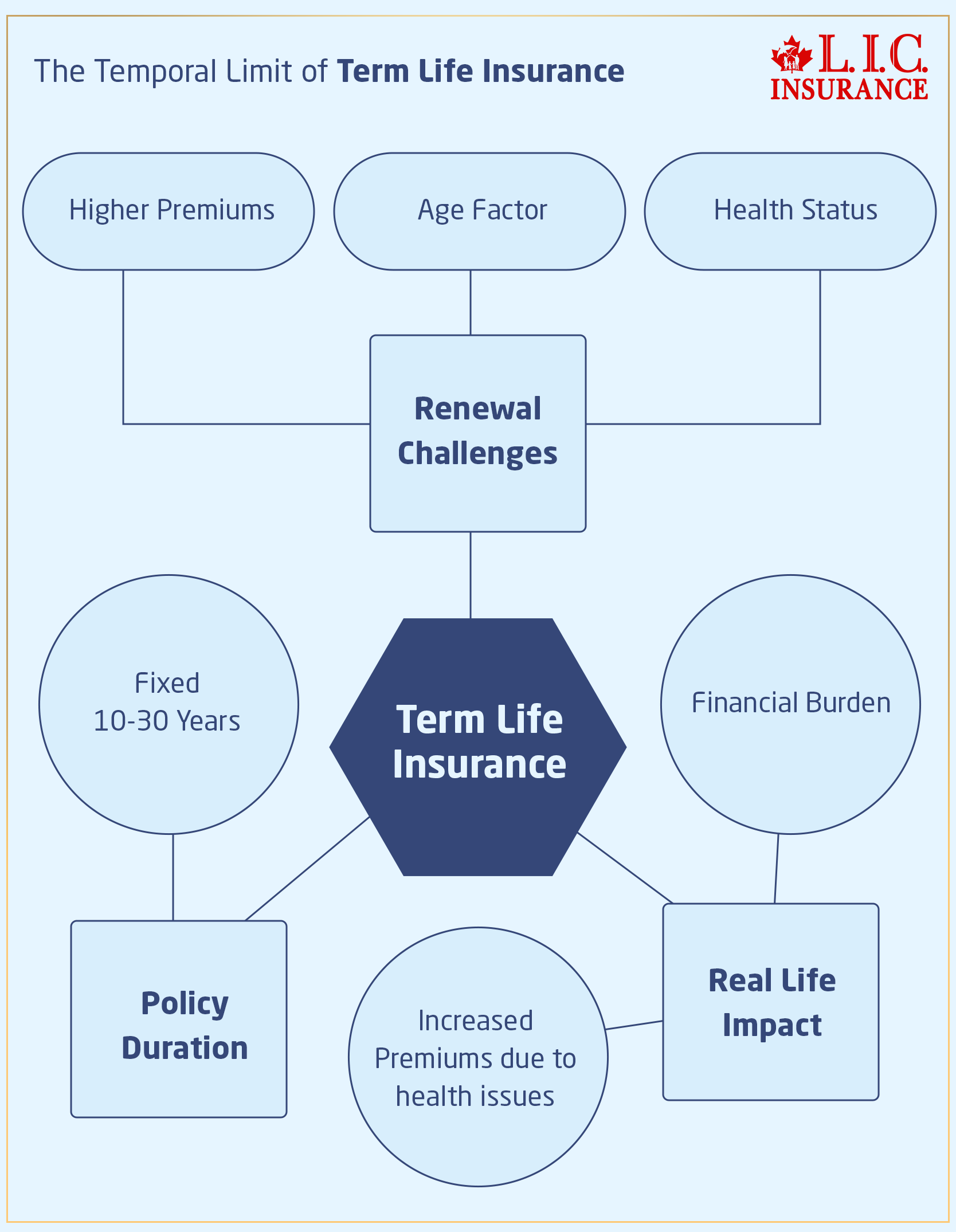
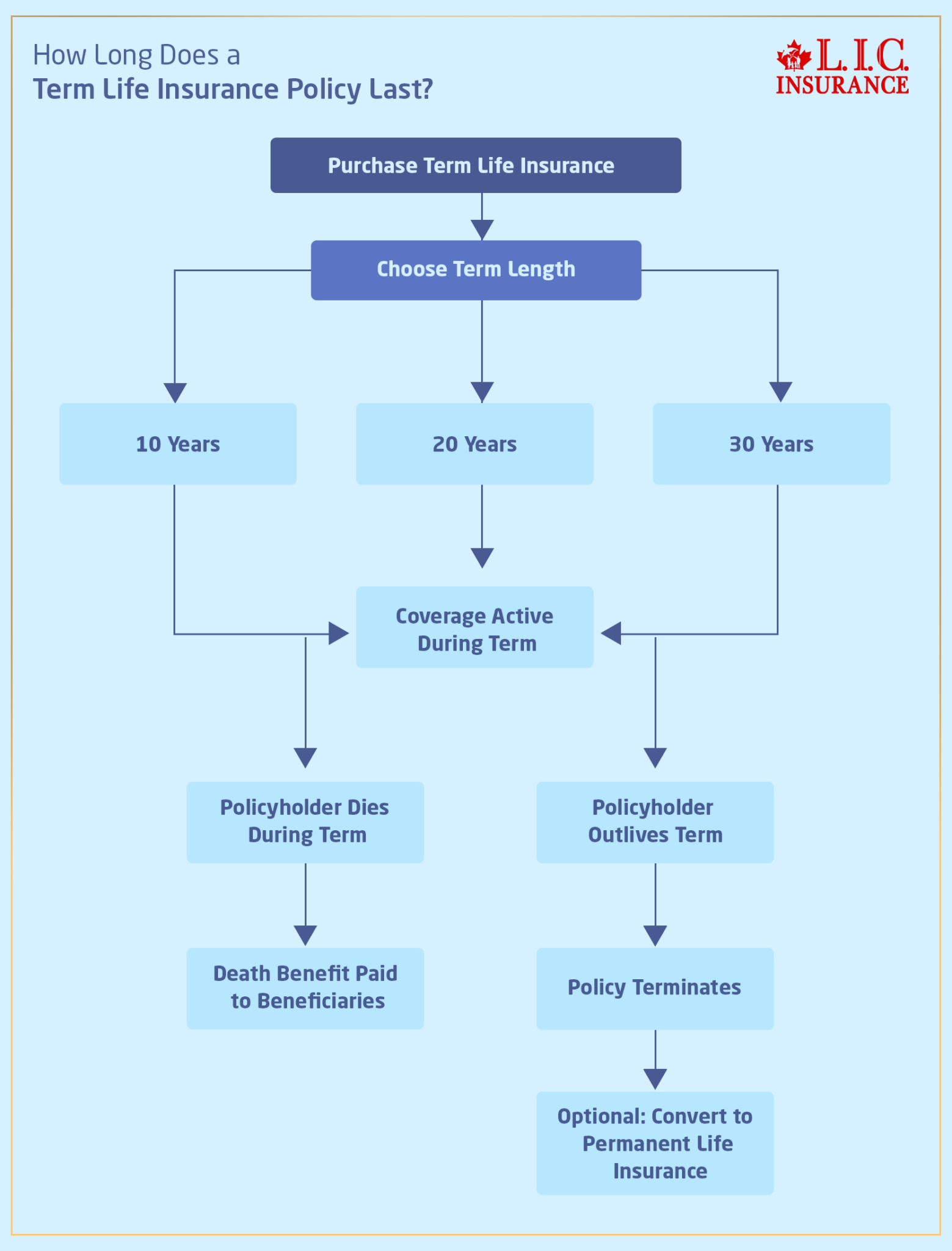
A term life insurance policy with a low premium provides high-value financial protection for a specific period, typically 10 to 30 years, at the most affordable rates available. By 2026, costs for a healthy 30-year-old seeking $500,000...
A term life insurance policy with a low premium provides high-value financial protection for a specific period, typically 10 to 30 years, at the most affordable rates available. By 2026, costs for a healthy 30-year-old seeking $500,000 in coverage average between $20 and $35 monthly, depending on health status and digital underwriting outcomes.
Contents
Term life insurance remains the most cost-effective method for individuals to protect their families' financial futures. Unlike permanent life insurance policies, which include a savings component and last a lifetime, term insurance focuses strictly on the death benefit. This "pure protection" model allows insurance companies to offer significantly lower premiums because the policy has no cash value and coverage eventually expires. In 2026, the industry has shifted toward highly personalized, data-driven pricing, making it easier than ever to find a policy that fits a tight budget while still providing a substantial safety net.
Understanding the Structure of Low-Premium Term Life Insurance
To understand why term life insurance costs less than other types, one must look at the mathematical risk assessment used by insurers. Term policies are designed to cover the years of your life where financial responsibilities are highest—such as during the term of a mortgage or while children are young—but where the statistical probability of death is relatively low.
There are three primary types of term life structures that influence your premium:
- Level Term Life: This is the most common variety. Your premium remains the same (level) for the entire duration of the policy (e.g., 20 years). This provides predictability for long-term budgeting.
- Decreasing Term Life: The death benefit decreases over time, often aligned with a declining debt like a mortgage, though the premium stays level. This can sometimes offer lower entry-level costs.
- Annual Renewable Term (ART): This policy starts with a very low premium that increases every year as you age. While the initial cost is the lowest available, it often becomes prohibitively expensive over a decade or more.
By 2026, the majority of consumers prefer Level Term Life because it locks in low rates based on the age and health of the applicant at the time of purchase. Securing a policy while you are young and healthy is the most effective strategy for maintaining a low premium for decades.
Primary Factors That Determine Your Premium Costs
When you apply for a term life insurance policy, the insurer uses a process called underwriting to determine your "risk class." This classification directly dictates your premium. In 2026, many companies utilize accelerated underwriting, which uses AI and algorithmic data to analyze your health records, driving history, and prescription use in minutes.
Age and Gender
Age is the single most significant factor in insurance pricing. For every year you delay purchasing a policy, your premium typically increases by 5% to 12%. Statistically, women tend to have longer life expectancies than men, which generally results in lower premiums for female applicants across all age brackets.
Health Status and Medical History
Underwriters look at your Body Mass Index (BMI), blood pressure, and cholesterol levels. They also consider your family medical history, specifically focusing on cardiovascular disease or cancer in parents or siblings before age 60. Chronic conditions like Type 2 diabetes or hypertension will increase premiums, though many insurers in 2026 offer competitive "clinical underwriting" for well-managed conditions.
Tobacco and Nicotine Usage
Smoking or using nicotine products (including vaping or nicotine patches in some jurisdictions) remains the most expensive habit in the eyes of an insurer. Smokers can expect to pay two to four times more for the same term life policy than non-smokers. Most insurers require an individual to be nicotine-free for at least 12 months to qualify for "Preferred" non-smoker rates.
Policy Duration and Coverage Amount
The "What Costs" aspect of your policy is also a function of the term length and the death benefit. A 30-year term will cost more than a 10-year term because the insurer is taking on risk for a longer period, into a time when the policyholder will be older. Similarly, a $1 million policy will naturally cost more than a $250,000 policy, though the cost per $1,000 of coverage often decreases as the total benefit amount increases.
Estimated Costs of Term Life Insurance in 2026
The following table provides estimated monthly premiums for a 20-year Level Term Life Insurance policy with a $500,000 death benefit. These figures assume a "Preferred Plus" or "Super Preferred" health classification for non-smokers.
| Age at Issue | Monthly Premium (Male) | Monthly Premium (Female) |
|---|---|---|
| 25 Years Old | $18.50 - $24.00 | $15.00 - $19.50 |
| 35 Years Old | $24.50 - $31.00 | $21.00 - $26.50 |
| 45 Years Old | $52.00 - $68.00 | $44.00 - $55.00 |
| 55 Years Old | $135.00 - $165.00 | $105.00 - $130.00 |
Note: These are estimates based on standard 2026 market rates. Actual quotes require a personal health assessment and vary by carrier.
Advanced Strategies to Lower Your Premiums
Achieving the lowest possible premium requires more than just being healthy; it requires strategic planning and understanding of how insurance products are structured.
The Laddering Strategy
Rather than buying one large $1 million 30-year policy, some consumers use a "ladder." They might buy a $500,000 30-year policy to cover a spouse's long-term needs and a $500,000 10-year policy to cover a mortgage or children's tuition. When the 10-year policy expires, the total premium drops, ensuring you are not paying for coverage you no longer need.
Optimizing the Medical Exam
If your policy requires a paramedical exam, minor lifestyle adjustments in the weeks leading up to the test can impact your results. Avoiding high-sodium foods, staying hydrated, and refraining from intense exercise 24 hours before the blood draw can help prevent skewed results in blood pressure or liver enzyme tests.
Paying Annually
Most insurance companies offer a discount (typically 2% to 5%) if you pay your premium in a single annual lump sum rather than monthly installments. Monthly payments often include a "fractional premium" fee to cover the administrative costs of processing 12 transactions per year.
The Role of Riders and Their Impact on Cost
Riders are optional add-ons that customize your policy. While they provide extra protection, they also increase the premium. To keep costs at a minimum, you should only select riders that are essential to your situation.
- Accelerated Death Benefit Rider: Often included for free or at a very low cost, this allows you to access a portion of the death benefit if diagnosed with a terminal illness.
- Waiver of Premium: This rider pauses your premium payments if you become totally disabled and cannot work. It adds roughly 5% to 10% to the base cost.
- Child Term Rider: Provides a small amount of life insurance for all children in the household. It is usually a flat fee regardless of the number of children.
Comparing Carriers: Why One Size Does Not Fit All
In 2026, the term life insurance market is highly specialized. Company A might have the lowest rates for marathon runners, while Company B offers the best prices for people with a history of treated anxiety. Comparison shopping is vital because underwriters at different firms interpret medical data differently.
National organizations like the National Association of Insurance Commissioners (NAIC) provide resources for consumers to check the financial stability and complaint records of insurance companies. It is crucial to choose a carrier with an "A" rating or better from credit agencies like A.M. Best or S&P Global to ensure they can fulfill their future obligations.
Common Mistakes That Drive Up Costs
- Over-Insuring: While it is tempting to want a multi-million dollar payout, calculating your actual needs (debts, lost income replacement, education costs) prevents you from paying for unnecessary coverage.
- Waiting to Buy: Every birthday increases your base rate. Buying at 30 instead of 35 can save you thousands of dollars over the life of the policy.
- Choosing the Wrong Term Length: Buying a 10-year term because it is cheap, only to find you still need coverage in year 11, will result in a much higher premium for a new policy because you will be older and potentially less healthy.
- Neglecting the "Free Look" Period: Most states require a 10- to 30-day "free look" period where you can cancel the policy for a full refund if you find a better rate elsewhere immediately after signing.
Frequently Asked Questions
Can I lower my premium if I quit smoking after the policy starts?
Yes, most insurers allow you to request a "re-rating" after you have been nicotine-free for at least 12 to 24 months. You may be required to take a new medical exam or provide a urine sample to prove the absence of cotinine (a nicotine byproduct), but the long-term savings are substantial.
Does a "no-exam" policy cost more than a traditional one?
Historically, no-exam policies were more expensive because the insurer had less data. However, by 2026, many "algorithm-based" no-exam policies offer rates identical to those requiring a physical exam for applicants who have clean digital health records. If you have complex medical issues, a traditional exam may still be the better route to prove your health status and secure a lower rate.
What happens if I can't afford my premium later on?
Term life insurance does not have a "cash value" to pay premiums for you. If you stop paying, the policy will lapse after a grace period (usually 30 days). To avoid this, it is better to buy a smaller death benefit that you are certain you can afford for the duration of the term rather than a large one you might have to drop later.
Are low-premium policies less reliable during a claim?
No. As long as the insurance company is financially stable and you were honest on your application, a low-premium policy is legally obligated to pay the death benefit. The "contestability period" (usually the first two years) allows the company to investigate claims for fraud, but after that, the payout is highly secure regardless of the premium price.
Final Recommendation for Low-Cost Coverage
To secure the lowest possible premium for a term life insurance policy in 2026, start by calculating your exact coverage needs using a DIME (Debt, Income, Mortgage, Education) analysis. Once you have a target death benefit and term length, use a digital brokerage platform to compare at least three to five highly-rated carriers. Prioritize "Level Term" policies to protect against future price hikes, and if you are currently in a high-risk category due to weight or smoking, consider a shorter 10-year policy now with the intent to shop for a 20-year "Preferred" rate once your health metrics improve.
Image Gallery