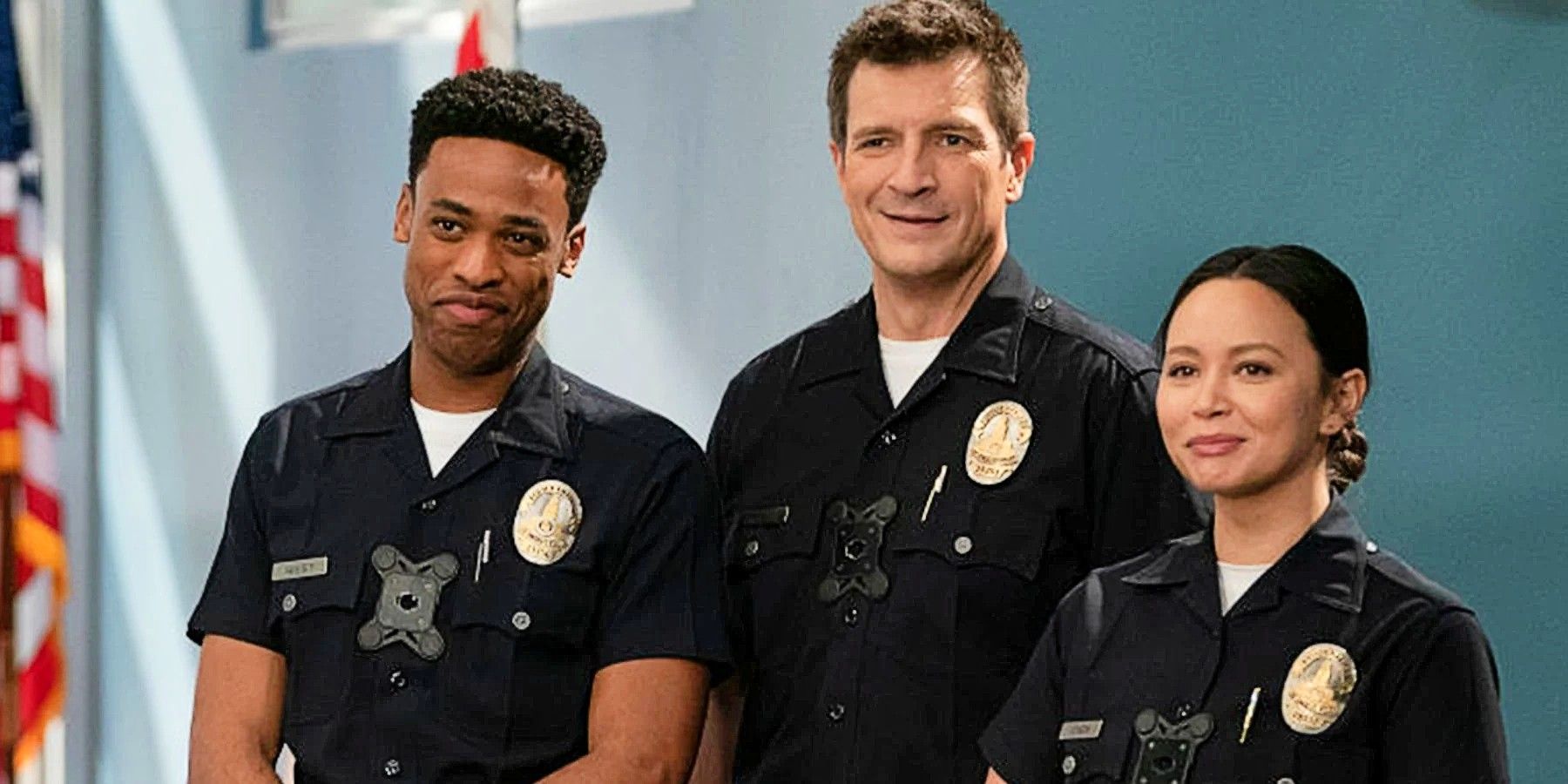
The Rookie Show Cast You Need to Know: A Comprehensive Guide
The television series The Rookie has maintained a dedicated global audience since its debut, driven by a balance of procedural police drama and character-driven narratives. Understanding the ensemble cast is essential for viewers looki...
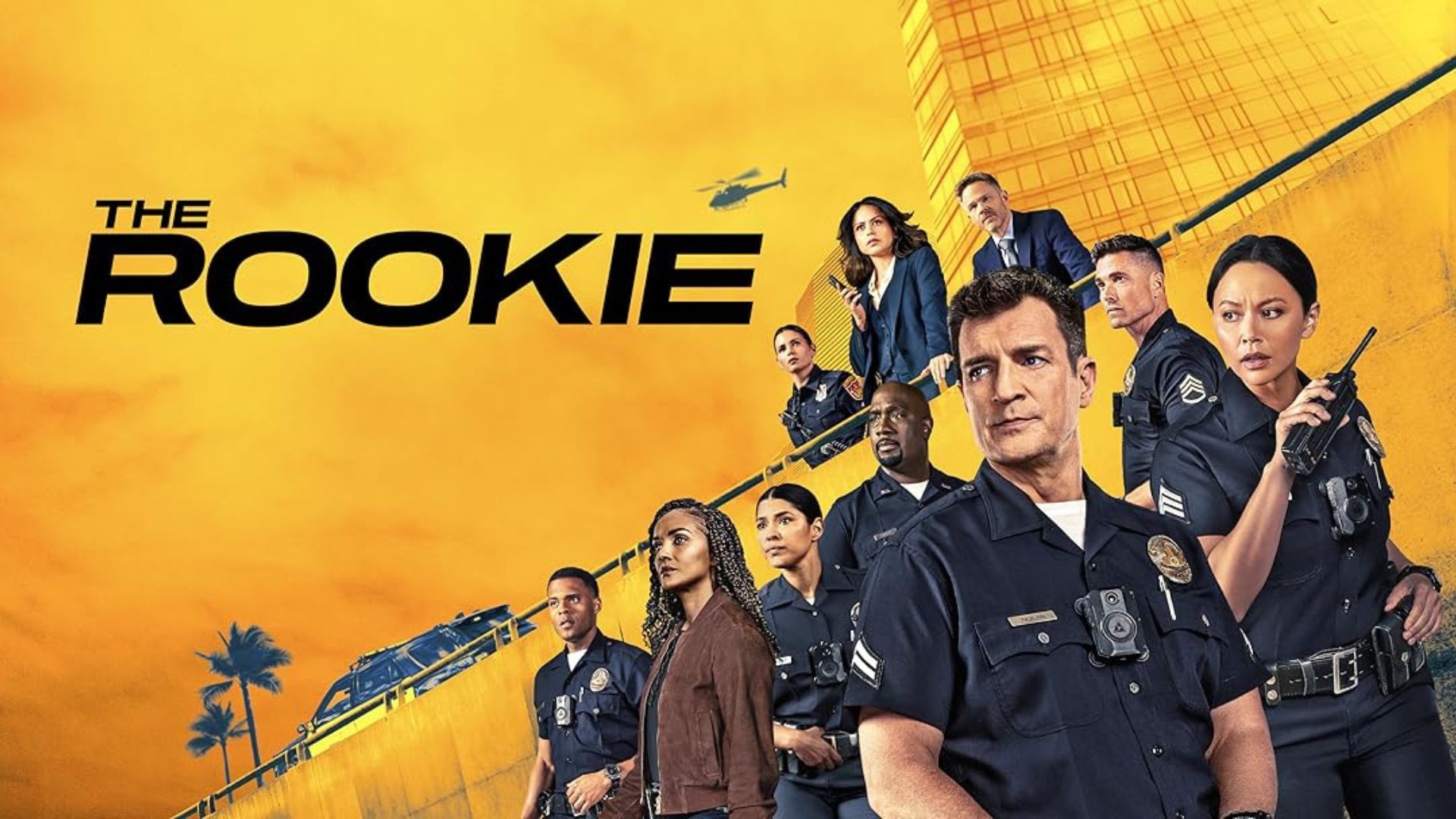
The television series The Rookie has maintained a dedicated global audience since its debut, driven by a balance of procedural police drama and character-driven narratives. Understanding the ensemble cast is essential for viewers looking to appreciate the interpersonal dynamics, departmental hierarchies, and individual character arcs that define the show’s enduring success within the Los Angeles Police Department (LAPD) setting.
Contents
The Protagonist: John Nolan and the Mid-Career Shift
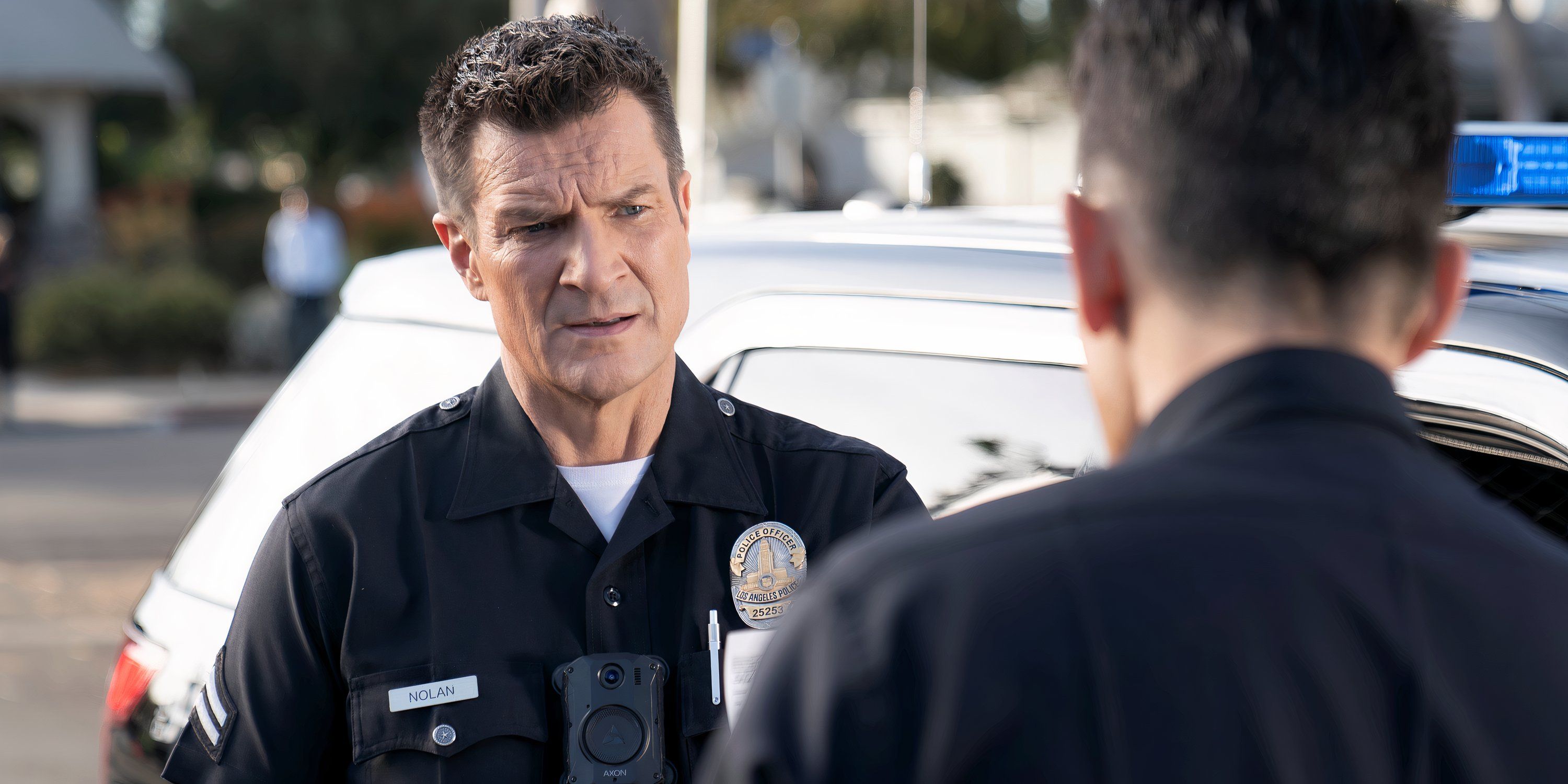
At the heart of The Rookie is John Nolan, portrayed by Nathan Fillion. The premise centers on Nolan, a small-town contractor who, following a life-altering event, decides to pursue a second career as an LAPD officer. As the oldest "rookie" in the force, his journey serves as the primary lens through which the audience experiences the rigors of police training.
Fillion’s portrayal emphasizes the unique challenges faced by a mid-life recruit, including the physical demands, the skepticism from younger peers, and the necessity of navigating a hierarchical system that often views his age as an obstacle rather than an asset. His character’s growth—from an inexperienced trainee to a seasoned training officer—forms the backbone of the series’ progression.
The Mid-Wilshire Precinct: Core Ensemble
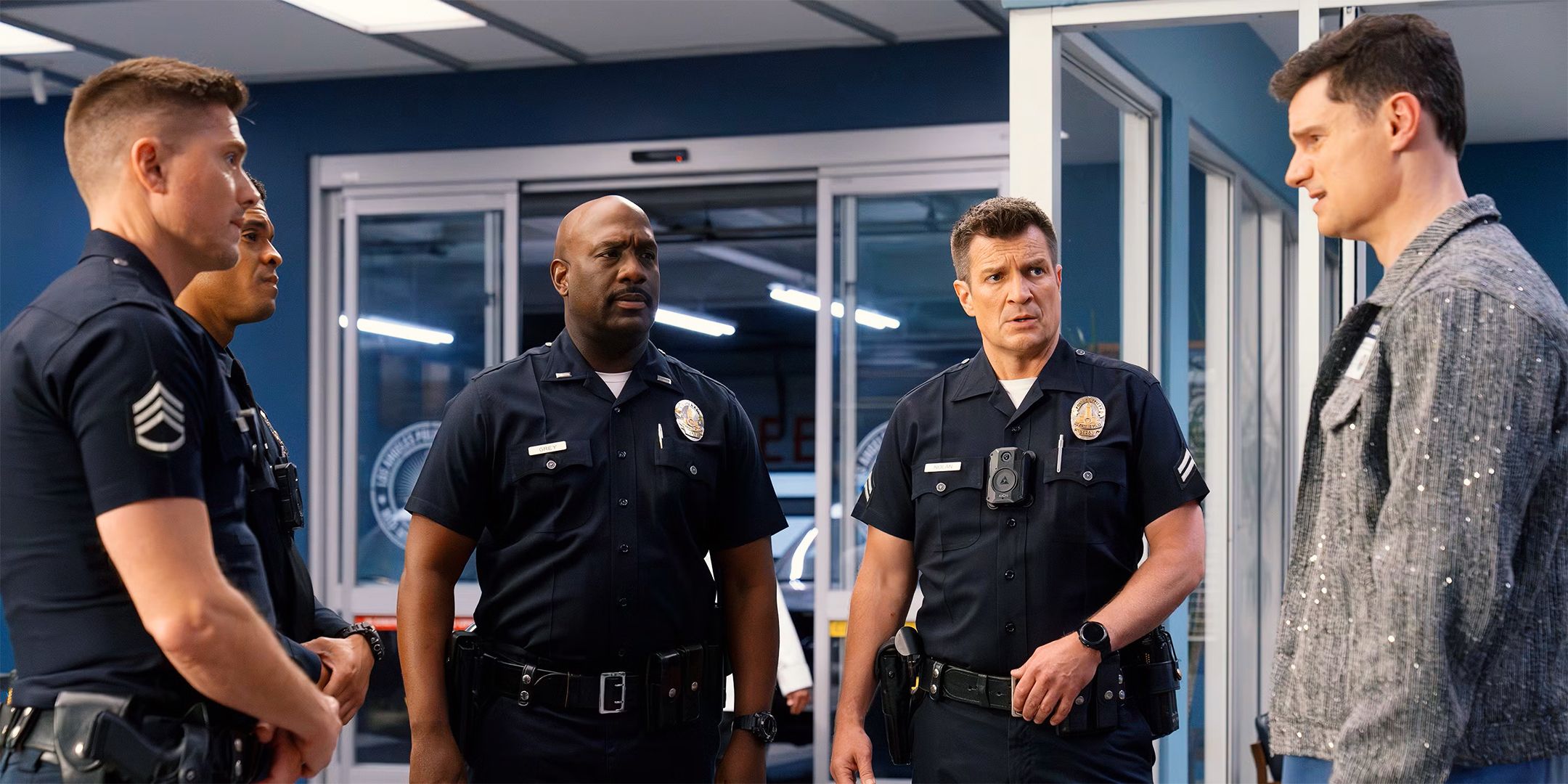
The cast composition is structured around the dynamics of the Mid-Wilshire Division. Key characters provide the necessary friction, mentorship, and support that drive the narrative forward:
- Officer Lucy Chen (Melissa O’Neil): Initially one of the peers in Nolan’s rookie class, Chen represents the determination and internal growth required to survive the probationary period. Her storyline often involves balancing personal moral codes with the pragmatic, and sometimes harsh, realities of police work.
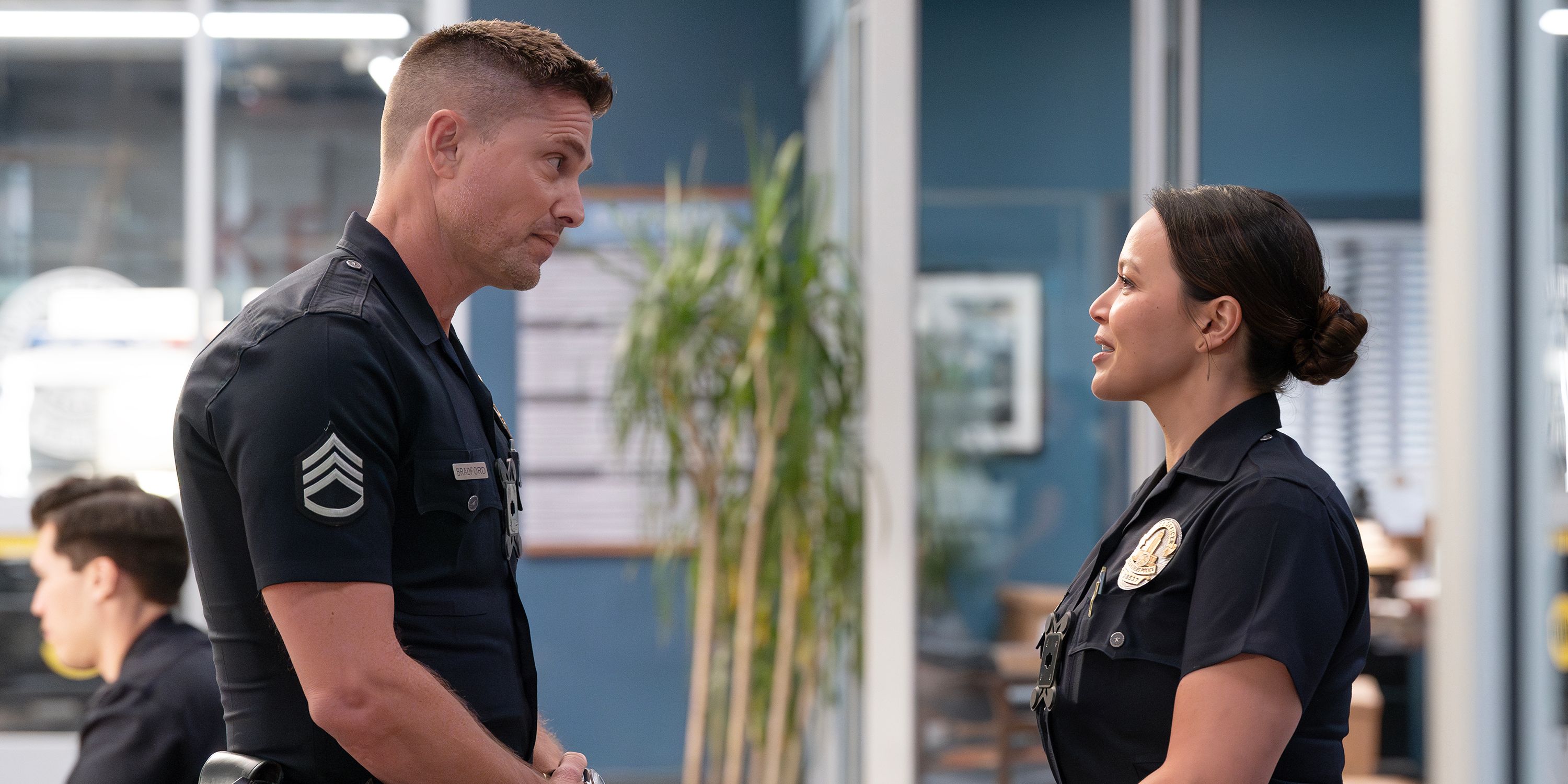
- Officer Tim Bradford (Eric Winter): As a Training Officer (TO), Bradford serves as the primary foil to the rookies. His "tough love" methodology and rigid adherence to protocol are central to the early seasons. The evolution of his relationship with his trainees, particularly his mentorship of Chen, is a foundational element of the show's long-term character development.
- Sergeant Wade Grey (Richard T. Jones): As the watch commander, Sergeant Grey serves as the moral compass of the Mid-Wilshire division. He manages the competing interests of street-level policing, administrative pressures, and the personal well-being of his subordinates.
- Detective Angela Lopez (Alyssa Diaz): Representing the investigative arm of the precinct, Lopez provides a critical perspective on the consequences of the patrol officers' actions. Her transition from patrol officer to detective underscores the career progression paths available within the department, serving as a goal for the rookie characters.
Supporting Roles and Organizational Hierarchy
The cast is further bolstered by characters who occupy specific niches within the procedural framework. These roles are essential for resolving complex plot lines that require specialized skills:
| Character | Primary Role | Function in Narrative |
|---|---|---|
| Nyla Harper | Detective/TO | Brings experience from undercover work and specialized assignments. |
| Aaron Thorsen | Officer | Adds the perspective of a character with a unique public background. |
| Celina Juarez | Officer | Explores the integration of new training philosophies and intuition. |
| Wesley Evers | Defense Attorney | Provides a check on police power and adds legal procedural conflict. |
These roles allow the show to expand beyond simple street patrol, incorporating elements of legal drama, undercover intelligence, and community relations. The inclusion of characters like Wesley Evers, a defense attorney, is particularly critical as it creates a permanent, recurring conflict point that forces the main characters to consider the legal ramifications of their field decisions.
Understanding Character Evolution and Progression
The narrative of The Rookie is fundamentally tied to the "rank" of its characters. Unlike procedural dramas that remain static, this show relies on the progression of its cast through the ranks of the police force.
- The Probationary Period: The early seasons focus on the intense pressure of the Field Training Program. The cast members must demonstrate technical proficiency, situational awareness, and the ability to maintain composure under life-threatening conditions.
- Transition to Independence: As characters graduate from rookie status, the narrative shifts toward their individual specializations, such as narcotics, detective work, or training other new recruits.
- Command and Leadership: Senior characters are tasked with higher-level responsibilities, often dealing with the politics of the department and the weight of command decisions.
Understanding this hierarchy is vital for new viewers to grasp why certain characters hold authority over others and why specific conflicts arise. The tension between a veteran officer’s experience and a rookie’s fresh perspective is not just a plot device; it is a structural necessity of the show’s environment.
External Influences and Professional Conflicts
The cast does not operate in a vacuum. A significant portion of the tension in The Rookie stems from interactions with external entities, including Internal Affairs, the District Attorney’s office, and various criminal organizations. Characters such as Oscar Hutchinson provide a recurring antagonist presence that tests the ethical boundaries of the core cast. These interactions serve to ground the show in a version of reality where police officers are constantly monitored, scrutinized, and held accountable for their performance and adherence to procedural law.
Frequently Asked Questions
Does the cast change significantly after the early seasons? Yes, the cast experiences turnover, which is consistent with the realistic progression of police careers. While core characters like John Nolan remain the primary focus, the introduction of new rookies and the departure or promotion of veteran officers keep the procedural environment dynamic and challenging.
Why is Officer Bradford’s role as a Training Officer so central to the show? Bradford represents the traditional, hard-line approach to policing. His role is essential because he acts as the primary gatekeeper for the rookies. Without his mentorship, the rookies would lack the tactical grounding necessary to survive, making his character essential to the show’s premise of high-stakes, realistic training.
How does the legal aspect of the show affect the police characters? Characters like Wesley Evers, who serves as a defense attorney, provide an essential check on the main characters' actions. They introduce legal constraints, force the officers to consider the "why" behind their procedures, and highlight the inherent friction between the police department and the judicial system.
Are the roles of "Rookie" and "Training Officer" permanent? No, they are temporary stages in a police career. The show uses the transition from these roles as a mechanism to advance the plot, allowing characters to take on more complex, autonomous responsibilities as the seasons progress.
Is it necessary to know the backstory of every character to enjoy the show? While not strictly required, understanding the interpersonal history—especially the evolving partnerships and rivalries—significantly enhances the viewing experience. Much of the show’s emotional weight relies on the history established between characters over years of working together.
Recommendation for New Viewers
To fully appreciate the cast dynamics, approach the series by focusing on the partnerships. The pairing of a veteran officer with a rookie is a deliberate choice by the showrunners to facilitate character growth through conflict and eventual mutual respect. As you watch, pay attention not only to the action sequences but to the private conversations between partners, as these moments contain the character development that defines the long-term arc of the series. If you find the departmental hierarchy confusing, focus on the mentorship bond between the Training Officers and their assigned rookies; this bond is the primary lens through which the complexities of the LAPD are filtered.
Image Gallery