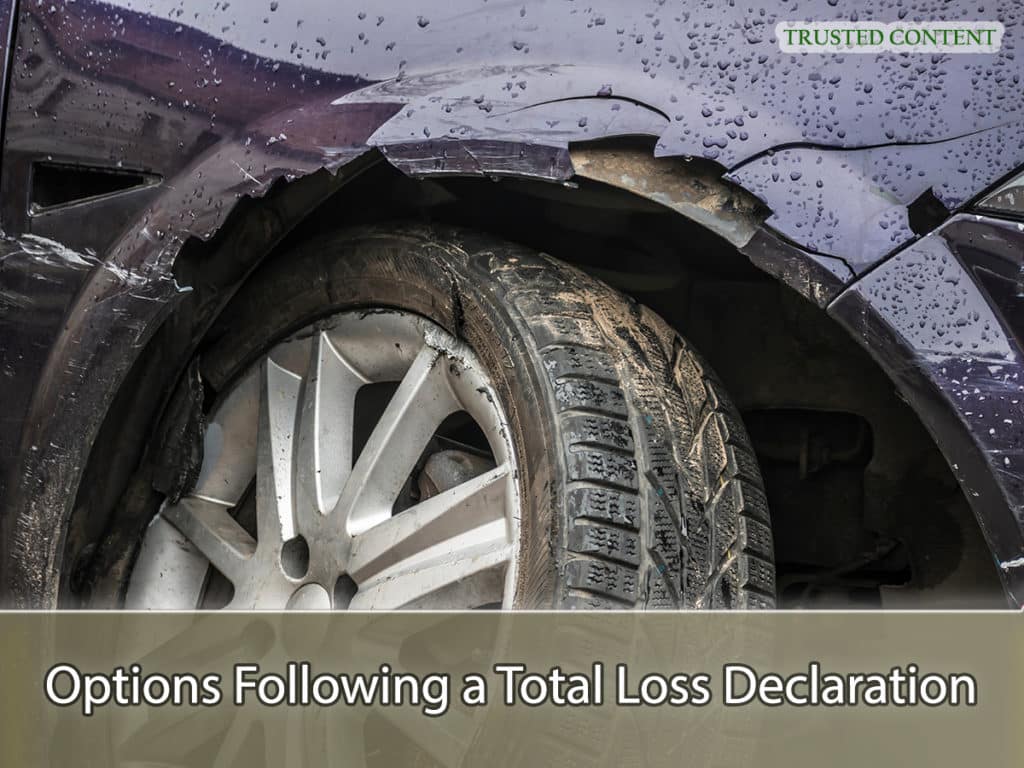
Understanding State of WI Auto Insurance Rights for Total Loss
When an auto insurer declares your vehicle a "total loss" in Wisconsin, your rights are governed by specific state regulations designed to ensure you receive a fair market value settlement. You are entitled to a payout based on the act...
When an auto insurer declares your vehicle a "total loss" in Wisconsin, your rights are governed by specific state regulations designed to ensure you receive a fair market value settlement. You are entitled to a payout based on the actual cash value of the vehicle immediately prior to the accident, plus applicable taxes and title transfer fees, minus your policy deductible and any salvage value if you choose to retain the wreckage.
Contents
Defining Total Loss in Wisconsin
In the insurance industry, a "total loss" occurs when the cost to repair a vehicle exceeds its value or when it is deemed unsafe to return to the road. Under Wisconsin administrative code, specifically Ins 3.39 and general regulatory practices overseen by the Office of the Commissioner of Insurance (OCI), insurers must use objective methods to determine the Actual Cash Value (ACV).
An insurer generally cannot arbitrarily decide a vehicle is totaled. They must evaluate the cost of repairs against the pre-accident value. If the repair costs reach a certain threshold—often a percentage of the vehicle’s value, though this can vary by specific policy language and insurer practices—the company may declare the car a total loss. Understanding this threshold is your first step in negotiating a settlement that reflects the true financial impact of your loss.
Determining Actual Cash Value (ACV)
The core of your dispute rights revolves around the definition of Actual Cash Value. Wisconsin law does not mandate one specific database or method for valuation, but insurers typically use recognized market guides such as CCC Information Services, J.D. Power (formerly NADA), or similar proprietary systems that analyze comparable vehicles sold in your local market.
When you receive a valuation report from your insurance adjuster, scrutinize it for the following:
- Comparable Vehicles: Are the "comps" truly similar in make, model, trim level, and mileage?
- Condition Adjustments: Did the adjuster accurately account for the condition of your vehicle prior to the crash? If your car had new tires, a recent engine rebuild, or low mileage, these factors should increase the ACV.
- Market Adjustments: The report should include adjustments for your specific geographical area in Wisconsin, as vehicle values can fluctuate between rural and urban markets.
Mandatory Settlement Inclusions
Many policyholders mistakenly believe the settlement should only cover the base value of the car. In Wisconsin, your settlement is incomplete if it fails to account for statutory requirements related to sales tax and registration.
When an insurer pays you for a total loss, they are effectively compensating you for the loss of property. To replace that property, you will face transaction costs. Under standard industry practices in Wisconsin, your settlement should include:
- Sales Tax: The amount of sales tax you would pay to purchase a replacement vehicle.
- Title and Registration Fees: The cost to transfer the title and register your replacement vehicle with the Wisconsin Department of Transportation (WisDOT).
If your insurance company initially omits these items, you have the right to request an itemized breakdown and demand their inclusion in the settlement offer.
Your Right to Retain Salvage
If you believe your vehicle still has value or you wish to keep it, you may negotiate to retain the "salvage." In this scenario, the insurance company deducts the estimated salvage value of the vehicle from your total settlement.
While this may seem like an attractive option, it carries significant responsibilities. In Wisconsin, if you retain a salvage vehicle, you are responsible for:
- Title Branding: The title will be branded as "Salvage" or "Restored Salvage" by the Wisconsin DMV. This can make the vehicle difficult to insure or sell in the future.
- Safety Inspections: You must ensure the vehicle meets all roadworthiness standards required by the state before it can be legally operated on public highways.
- Repair Documentation: If you intend to restore the car, keeping detailed records is essential for future title processing.
Comparing Settlement Options
| Feature | Cash Settlement | Retain Salvage |
|---|---|---|
| Payout Amount | Full ACV minus deductible | Full ACV minus deductible and salvage value |
| Vehicle Ownership | Transferred to insurer | Retained by owner |
| Title Status | Clear (Insurer processes) | Branded (Salvage/Restored) |
| Future Utility | Used to buy a new car | Requires repair and inspection |
| Insurance Hurdles | None | Potential difficulty insuring later |
Challenging a Valuation
If you receive an offer that you believe is significantly lower than the fair market value, you are not obligated to accept it immediately. Dispute resolution is a standard part of the claims process.
To successfully challenge a valuation, you must present objective evidence. Simply stating that you believe the car is worth more is rarely persuasive to an adjuster. Instead, gather the following:
- Local Listings: Provide printouts or links to similar vehicles (same year, make, model, and comparable mileage) currently for sale in your immediate Wisconsin area.
- Maintenance Records: Provide receipts for recent major repairs, new tires, or upgrades that would increase the value of your vehicle above the "average" baseline.
- Expert Appraisals: In high-value cases, it may be cost-effective to hire an independent licensed appraiser to provide a professional assessment of your vehicle’s pre-accident value.
Once you have your evidence, submit a formal letter of dispute to your adjuster. Most insurance companies have an internal review process where a supervisor will examine the claim if the initial offer is contested.
The Role of the Wisconsin Office of the Commissioner of Insurance (OCI)
If you reach a deadlock with your insurer, the Wisconsin OCI provides resources for consumers. The OCI does not act as a judge or jury to decide the exact dollar amount of a claim, but they do ensure that insurance companies follow the rules and handle claims in good faith.
If you suspect the insurer is violating state law or acting in bad faith—such as refusing to explain the valuation methodology or ignoring documented evidence—you can file a formal complaint with the OCI. This often triggers a response from the insurance company’s regulatory compliance department, which can expedite a resolution.
Frequently Asked Questions
1. Does the insurance company have to use a specific valuation guide? No, Wisconsin law does not mandate a specific brand of valuation software. However, they must use a "reasonable" method that reflects the market value in your local area. You have the right to demand the source of their data.
2. What if I still owe more on my car loan than the insurance offer? If the total loss settlement is less than your outstanding loan balance, you are responsible for the difference, often called "gap" liability. If you purchased Gap Insurance, your policy should cover this deficiency, but you must file a separate claim with your gap provider.
3. Am I required to accept the first offer? No. You are never required to accept the initial settlement. You have the right to negotiate if you have evidence that the value or the inclusions in the settlement are inaccurate.
4. Can I keep my vehicle and still get paid? Yes, this is known as a "buy-back" or retaining salvage. The insurer will subtract the salvage value of your wrecked car from your total payout. Be aware that you will then be responsible for handling the title and any necessary repairs to make the car road-legal.
5. How long do I have to settle a claim? While there is no single deadline for a settlement itself, your insurance policy usually dictates a timeframe for reporting the claim and submitting proof of loss. Failing to act within the terms of your contract can jeopardize your rights.
Recommendations for Next Steps
If you are currently navigating a total loss claim in Wisconsin, start by requesting a full, itemized report of the valuation from your insurer. Do not sign a "Release of Liability" until you are satisfied with the total compensation, including all applicable taxes and fees. If the numbers do not align with market data, organize your evidence, contact your adjuster in writing, and maintain a log of all communications. If the company remains unresponsive, reach out to the Wisconsin Office of the Commissioner of Insurance to verify the company's compliance with state claims handling regulations.
Image Gallery