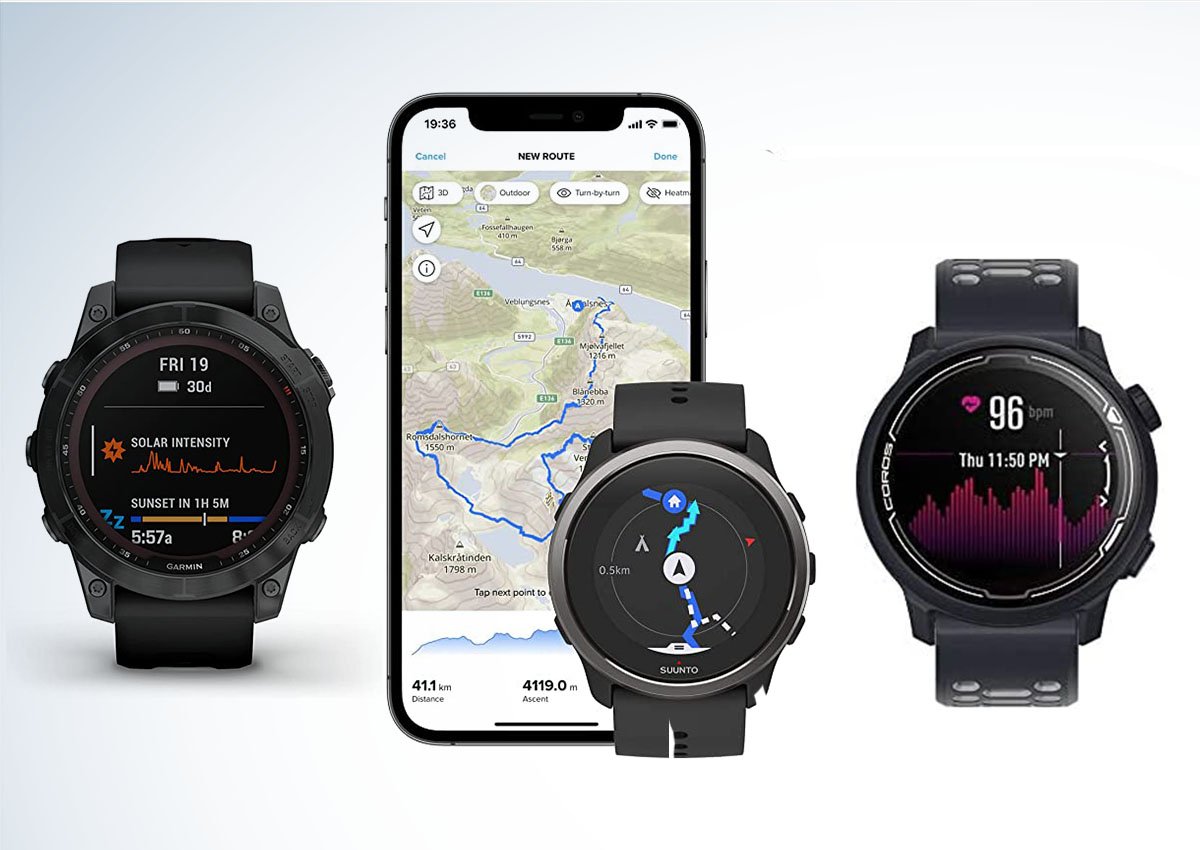
Life Insurance GPS Watch Offers Explained: How They Work, Costs, and Fine Print
Life insurance GPS watch offers allow policyholders to receive a high-end smartwatch—such as an Apple Watch, Garmin, or Fitbit—at a significant discount or for an upfront fee as low as $25. In exchange, insured individuals share physic...
Life insurance GPS watch offers allow policyholders to receive a high-end smartwatch—such as an Apple Watch, Garmin, or Fitbit—at a significant discount or for an upfront fee as low as $25. In exchange, insured individuals share physical activity data with the insurer. Meeting monthly exercise goals earns points that offset the watch payments and lower insurance premiums.
Contents
What Is a Life Insurance GPS Watch Offer?
A life insurance GPS watch offer is a financial incentive embedded within wellness-focused or interactive life insurance policies. Under these programs, insurance companies partner with device manufacturers and wellness technology providers to distribute wearable activity trackers to policyholders. Rather than acting as a simple promotional gift, the device serves as an active tool within a dynamic underwriting and rewards framework.
In traditional life insurance, your premium is set at the time of underwriting based on static metrics like age, medical history, tobacco use, and family health profile. Interactive life insurance changes this model by introducing ongoing risk management. Insurers recognize that physically active policyholders tend to live longer, healthier lives, which reduces overall mortality claims. Providing a GPS-enabled smartwatch encourages daily physical movement while giving the carrier verified behavioral data.
The Evolution of Wellness-Based Life Insurance
The concept of integrating health tracking into life insurance gained significant traction through platform models like Vitality, originally developed by Discovery Limited in South Africa and licensed globally by carriers such as John Hancock in the United States and Manulife in Canada.
Initially, wellness programs relied on self-reported activity or basic step counters. As wearable sensor technology advanced, insurers began offering sophisticated GPS watches and optical heart-rate monitors. Today, these programs use built-in accelerometers, heart-rate sensors, and satellite tracking to measure exercise intensity, active calorie burn, step volume, and workout duration.
Common Hardware and Carrier Partnerships
While specific partnerships vary by carrier and region, the most common hardware options provided through these programs fall into three main categories:
- Apple Watch Models: Frequently offered through programs like John Hancock Vitality, allowing users to earn monthly hardware subsidies through daily workout metrics.
- Garmin GPS Watches: Popular among runners, cyclists, and outdoor enthusiasts due to their dedicated satellite navigation, long battery life, and precise cardiovascular tracking metrics.
- Fitbit and Google Wearables: Used widely for step-focused and baseline health tracking, offering lower entry barriers for non-athletes.
How Life Insurance Smartwatch Programs Work
Understanding how a life insurance GPS watch deal works requires examining the relationship between device financing, activity logging, and policy pricing. The watch is rarely completely free at the moment of enrollment; instead, it is structured as a performance-contingent financing arrangement.
- Policy Enrollment & Select GPS Watch
- Pay Initial Hardware Fee (e.g., $25 + tax)
- Track Workouts & Accumulate Points
- Miss Monthly Goals: Pay Monthly Loan Fee
- Meet Monthly Goals: Hardware Fully Funded
- Zero Balance / Max Premium Discounts
The Mechanics of Activity-Based Financing
When you sign up for a smartwatch offer through your life insurance policy, you typically pay a nominal initial fee—often $25 plus applicable local taxes—to take delivery of the watch. The remaining retail balance of the device is financed over a set period, usually 24 to 36 months.
Each month, your workout data syncs from your watch to the insurer's mobile application. The app converts your activity—measured in steps, heart rate elevation, or active workout minutes recorded via GPS—into activity points:
- Full Target Achieved: If you accumulate sufficient activity points in a billing cycle, the insurer pays 100% of that month’s hardware payment. Your cost for that month is $0.
- Partial Target Achieved: If you achieve a portion of your target, the insurer subsidizes a percentage of the payment, and a small fee (e.g., $5 to $10) is charged to your card.
- Target Missed: If you record little to no activity, you pay the full standard monthly installment (e.g., $15 to $25) until the retail price of the watch is satisfied.
If you remain consistently active throughout the 24 to 36-month loan agreement, the total out-of-pocket expense for a multi-hundred-dollar GPS watch remains just the initial setup fee.
Earning Points and Meeting Monthly Targets
Activity targets are structured to reward consistent effort rather than elite athletic performance. Programs use tiered point structures designed to accommodate different fitness levels:
- Light Activity: Reaching 7,000 to 10,000 steps in a day might earn a baseline tier of points (e.g., 10 to 20 points).
- Moderate Workout: Completing a 30-minute workout with an elevated average heart rate (measured by the watch’s optical heart-rate monitor) yields higher points.
- Intense Workout / GPS Session: Sustaining continuous outdoor cardio—such as a 45-minute GPS-tracked run or cycling session at 60–70% of maximum heart rate—provides maximum daily points.
- Health Screenings & Preventive Care: Insurers also grant large point bonuses for submitting annual checkups, mammograms, dental cleanings, or flu shots.
Impact on Base Insurance Premiums
Beyond funding the device itself, points accumulated via your GPS watch feed into a broader reward tier (often labeled Bronze, Silver, Gold, and Platinum). Reaching higher status tiers can impact your long-term insurance policy in two distinct ways:
- Premium Discounts: On eligible term or permanent life insurance policies, achieving high wellness status can reduce your annual premium by up to 15% to 25% compared to the baseline rate.
- Cash Value Enhancement: In permanent policies (such as Universal Life or Whole Life), wellness credits may be deposited directly into the policy’s cash value account or used to purchase paid-up additional insurance.
Cost Breakdown: Is the GPS Watch Really Free?
Marketing materials often highlight phrases like "Get an Apple Watch for $25." While accurate under optimal conditions, policyholders must evaluate the total financial obligation if activity levels drop due to injury, illness, or busy schedules.
The following table compares the typical structures, requirements, financial commitments, and potential risks across standard life insurance smartwatch program tiers.
| Program Feature | Entry-Level Fitness Tracker | Mid-Tier GPS Watch | Flagship Smartwatch (e.g., Apple Watch / Garmin GPS) |
|---|---|---|---|
| Upfront Out-of-Pocket Fee | $0 – $10 | $15 – $25 | $25 + Sales Tax |
| Financing Commitment Period | 12 – 24 Months | 24 Months | 24 – 36 Months |
| Monthly Activity Requirement | Low (5,000–7,000 steps/day) | Moderate (7,500–10,000 steps/day or equivalent cardio) | Moderate to High (10,000 steps/day or 30+ min elevated HR workouts) |
| Monthly Penalty if Target Missed | $3 – $5 / month | $8 – $12 / month | $15 – $25 / month |
| Total Cost if Fully Active | $0 – $10 | $15 – $25 | $25 + Tax |
| Total Cost if Inactive | Full Retail (~$100) | Full Retail (~$250) | Full Retail (~$400–$800) |
| Potential Premium Discount | Basic Perks / Gift Cards | 5% – 10% Premium Discount | Up to 15% – 25% Premium Discount |
| Primary Financial Risk | Negligible | Low monthly fee | Paying full MSRP for watch + losing premium discounts |
Disclaimer: Specific terms, hardware models, and point structures vary by insurer, policy type, and state jurisdiction. Always review your carrier's specific program agreement before enrolling.
Data Privacy, Security, and Tracking Concerns
The primary hesitation consumers face regarding life insurance GPS watch offers is data privacy. Allowing a financial institution to monitor daily movement, heart rate, and location metrics naturally raises questions about data usage and protection.
What Data Insurers Collect
When you pair your smartwatch with an insurance wellness application, the app requests permission to access specific sensor data from platforms like Apple Health, Garmin Connect, or Google Fit. Insurers typically collect:
- Daily step counts and cadence.
- Active calories burned during tracked sessions.
- Heart rate data (resting heart rate and active exercise zones).
- Workout types, durations, and frequency.
- GPS location logs (if enabled during outdoor workout activities).
Insurers generally do not receive raw continuous GPS breadcrumb trails throughout your workday; rather, the workout files confirm distance, speed, and location validation for outdoor exercises to prevent fraudulent activity logging.
Can Wearable Data Be Used to Deny Claims or Raise Rates?
A common fear is that an insurer will see a spike in heart rate or a drop in daily physical movement and use that data to cancel a policy or raise base rates.
Under standard insurance regulations across North America and Europe, life insurance policies are unilateral contracts. Once a policy is underwritten and issued, the insurer cannot retroactively increase your base mortality rate or cancel your coverage simply because your lifestyle becomes sedentary or your health declines.
However, the distinction lies between your base rate and your variable wellness discount:
- Base Rate Security: Your guaranteed base premium remains capped at the contractually agreed amount. Data collected from your watch cannot cause your base premium to rise above this rate.
- Discount Adjustments: If your activity levels fall, you may forfeit your discount tier. Your total bill may increase back to the standard base rate, but it will not exceed it.
- Claim Payouts: Life insurance claims are paid upon death based on the validity of the original application. Wearable data collected post-issue is not used to deny death benefit claims, provided no fraud occurred during initial medical underwriting.
Data protection frameworks such as the Health Insurance Portability and Accountability Act (HIPAA) in the U.S. and state-level regulations from bodies like the National Association of Insurance Commissioners (NAIC) govern how insurers must handle personal health data. Carriers maintain separate technological firewalls between wellness program administrators and underwriting departments to prevent improper data sharing.
Key Benefits and Potential Drawbacks
Participating in a life insurance wearable offer provides measurable advantages, but it requires a commitment that may not suit every policyholder.
- PROS
- High-end watch for ~$25
- Up to 25% premium savings
- Motivation for daily fitness
- Bonus perks & gift cards
- CONS
- Monthly activity targets
- Full retail fees if inactive
- Continuous biometrics tracking
- Limited carrier availability
Advantages for Active Policyholders
- Substantial Hardware Savings: Acquiring a current-generation GPS smartwatch for a fraction of retail price provides immediate consumer value.
- Long-Term Policy Savings: Over a 20-year term policy, a 15% annual premium discount can save thousands of dollars, far exceeding the value of the watch itself.
- Behavioral Health Motivation: Gamified targets, streak bonuses, and physical reminders foster consistent exercise habits, delivering tangible personal health benefits.
- Additional Ecosystem Rewards: Many programs offer secondary perks, such as discounted gym memberships, free subscriptions to fitness apps, and gift cards for reaching intermediate milestones.
Limitations, Penalties, and Activity Fatigue
- Financial Commitment: If you sustain an injury, experience illness, or simply stop wearing the watch, you become responsible for the monthly hardware installment until the balance is clear.
- Activity Fatigue: Tracking workouts and maintaining step goals every month for 2 to 3 years can feel burdensome over time.
- Carrier Lock-in: The smartwatch offer is tied to maintaining your life insurance policy. Surrendering or replacing the policy early may trigger an immediate billing for the remaining hardware balance.
- Policy Cost Overrides Hardware Value: Buying an overpriced or poorly structured life insurance policy simply to get a subsidized smartwatch is a major financial mistake. The base policy rate must stand on its own financial merits.
How to Evaluate and Claim a Smartwatch Life Insurance Deal
If you are considering a life insurance policy that offers a GPS watch incentive, follow these steps to ensure you get genuine financial value.
Step 1: Compare the Base Policy First
Never select a life insurance carrier solely because of a wearable promotion. Obtain quotes for identical coverage amounts (e.g., $500,000 for a 20-year term) from multiple top-rated insurers. If Carrier A charges $40/month standard and offers a smartwatch, while Carrier B charges $28/month without a watch, Carrier B is cheaper over the life of the policy, even after accounting for the value of the device.
Step 2: Review Hardware Terms and Device Options
Examine the program documentation to see which specific watch models qualify. Check:
- What is the initial payment required at enrollment?
- How many months does the financing contract last (24 vs. 36 months)?
- What is the exact monthly fee charged to your credit card if you record zero activity?
Step 3: Assess Your Baseline Activity Levels
Review your current health habits realistically. Look at your phone’s built-in step history or existing tracker logs:
- Do you naturally achieve 8,000 to 10,000 steps per day?
- Do you engage in regular cardiovascular exercise 3 to 4 times per week? If your lifestyle is primarily sedentary and you have no concrete plan to change it, structure your expectations around paying the monthly device hardware fee rather than assuming it will be free.
Step 4: Verify Policy Eligibility
Not all policies issued by a carrier qualify for wearable promotions. Usually, carriers require:
- A minimum face amount (e.g., $100,000 or higher).
- Specific policy types (e.g., qualifying Term Life or Permanent Life products).
- Enrolling in the carrier's designated wellness tier during initial application or within a specific window after policy delivery.
Frequently Asked Questions
What happens to the GPS watch if I cancel my life insurance policy?
If you cancel or surrender your life insurance policy before the watch financing period ends (e.g., within 24 to 36 months), the carrier will bill your credit card on file for the remaining unpaid retail balance of the device. Once the financing period is complete and the watch is paid off, the device is entirely yours to keep even if you cancel the policy later.
Can I use an existing GPS watch instead of getting a new one?
Yes, most wellness programs allow you to bring your own compatible device (BYOD). If you already own an Apple Watch, Garmin, or Fitbit, you can link it directly to the insurer's app to earn activity points and premium discounts without taking on a new hardware financing contract.
What if I get injured or cannot exercise for a month?
Most carrier programs include pause features, medical exemptions, or freeze options for temporary injuries, pregnancy, or medical events. Providing documentation from a medical professional usually suspends your monthly point requirements, preventing hardware penalty fees during recovery.
Do I have to keep GPS tracking enabled at all times?
No. The insurance app only requires permission to import activity metrics (steps, heart rate, active calories, and workout logs) from your device's health platform. Continuous, real-time background location tracking is generally unnecessary unless you are recording a specific outdoor GPS workout session within your app.
Is the value of the smartwatch considered taxable income?
In most jurisdictions, wellness program incentives and hardware subsidies offered through insurance products are treated as policyholder premium reductions or rebates rather than taxable income. However, for corporate-owned life insurance or group employee benefits, consult a tax professional regarding local tax rules.
Final Recommendation
A life insurance GPS watch offer provides exceptional value for individuals who are already physically active or committed to establishing regular exercise habits. By turning daily physical activity into measurable savings, policyholders can secure a current-generation smartwatch for a fraction of retail price while potentially lowering their long-term insurance costs.
To take advantage of these programs safely, prioritize the fundamental quality of the underlying policy. Ensure the base coverage, financial strength rating of the insurer, and monthly premium are competitive before factoring in the value of the wearable device. Read the financing fine print, confirm that your routine activity levels align with point targets, and ensure you are comfortable with the data-sharing terms required by the wellness app.
Disclaimer: This article is for informational and educational purposes only and does not constitute financial, legal, or insurance advice. Life insurance policy terms, program features, and device offers vary by carrier, product type, and state or national jurisdiction. Consult a licensed insurance agent or financial adviser to evaluate specific policy terms for your situation.
Image Gallery