The Meaning of Gilmour in Popular Culture: A Legacy of Sonic Innovation
The term "Gilmour" in popular culture is almost exclusively synonymous with David Gilmour, the guitarist, vocalist, and songwriter for the British rock band Pink Floyd. His influence transcends mere musical ability, serving as a cultur...
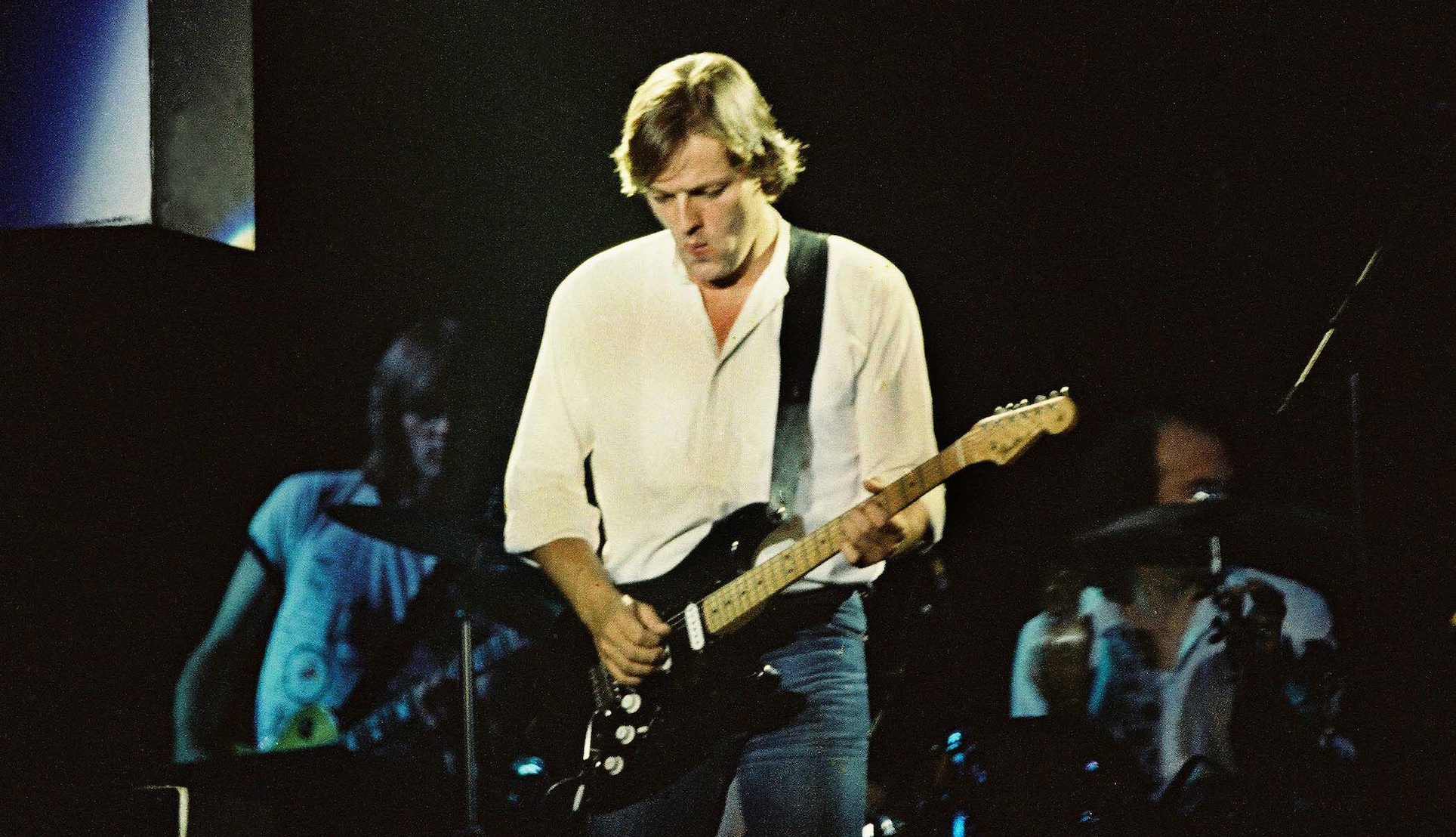
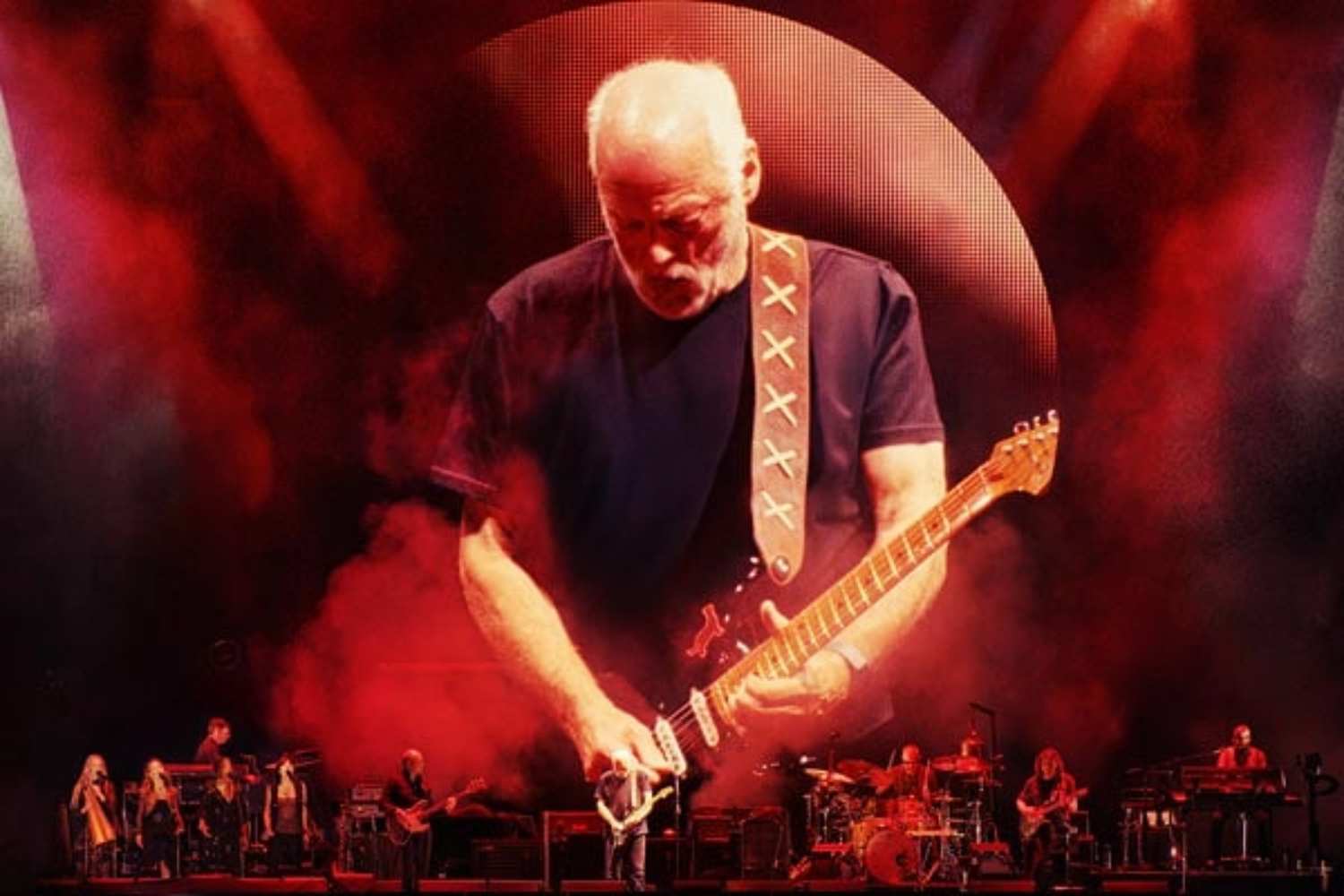
The term "Gilmour" in popular culture is almost exclusively synonymous with David Gilmour, the guitarist, vocalist, and songwriter for the British rock band Pink Floyd. His influence transcends mere musical ability, serving as a cultural shorthand for atmospheric guitar work, technical perfectionism in sound engineering, and the emotive, existential themes that defined the psychedelic and progressive rock movements of the late 20th century.
Contents
The Genesis of the Gilmour Persona
To understand the meaning of "Gilmour" in public consciousness, one must look at his arrival in Pink Floyd in 1967. Replacing the troubled Syd Barrett, David Gilmour brought a sense of discipline and melodic fluidity that fundamentally shifted the trajectory of the band. Unlike many of his contemporaries who focused on rapid-fire, blues-based shredding, Gilmour became famous for his "less is more" philosophy.
In popular culture, his name is frequently used as a benchmark for tone. When music critics or guitar enthusiasts invoke the "Gilmour sound," they are referencing a specific set of sonic characteristics: long, weeping sustain, precise use of bending, and an expert integration of space and silence. This reputation was cemented during the band’s most successful era, spanning The Dark Side of the Moon (1973) through The Wall (1979). His signature sound became a foundational element of the "progressive rock" identity, influencing generations of musicians who sought to bridge the gap between technical virtuosity and emotional accessibility.
Cultural Symbolism and the "Guitar Hero" Archetype
David Gilmour occupies a distinct space in the pantheon of rock icons. While figures like Jimmy Page or Jimi Hendrix represent the raw, explosive energy of 1960s rebellion, the "Gilmour" archetype is characterized by introspection and cerebral artistry.
The Architect of Atmosphere
In film, literature, and media, the mention of Gilmour often functions as an auditory signifier. His guitar solos—particularly those on "Comfortably Numb"—are frequently utilized in cinema to represent moments of profound transition, internal crisis, or existential realization. Because of this, his name has become a metonym for music that is not just heard, but felt as a spatial experience. He represents the shift from rock-and-roll as dance music to rock-and-roll as high art.
The Technical Perfectionist
Beyond his playing, Gilmour represents the intersection of technology and art. Throughout his career, he worked closely with engineers to push the boundaries of what could be achieved in a recording studio. His early adoption of custom pedalboards, specific delay settings, and multi-track layering techniques turned him into an idol for sound engineers. To say someone has a "Gilmour-like approach" to production suggests a meticulous, patient, and detail-oriented process that prioritizes the final texture of the audio over commercial expediency.
Comparative Influence in Music History
To understand the weight of the name, it is helpful to place Gilmour in the context of other influential guitarists. While other virtuosos are defined by speed or volume, Gilmour is defined by phrasing.
| Feature | David Gilmour | Generic Virtuoso |
|---|---|---|
| Primary Strength | Melodic phrasing & sustain | Technical speed |
| Cultural Association | Existentialism, atmosphere | Rebellion, spectacle |
| Key Studio Focus | Texture & sonic depth | Raw performance capture |
| Live Performance | Controlled, immersive | High energy, improvisational |
This table highlights why Gilmour’s influence has proved more durable across diverse genres—from ambient electronica to modern indie rock—than the influence of contemporaries who relied solely on technical displays of dexterity.
The Evolution of the Name in 2026
As of 2026, the term "Gilmour" has seen a resurgence as a touchstone for analog appreciation. In an era dominated by algorithmic music production and AI-generated audio, the "Gilmour sound" is increasingly cited as the gold standard for human-touch authenticity.
Modern discussions surrounding him frequently focus on the "Black Strat"—his legendary black Fender Stratocaster—which has become a cultural artifact in its own right. Its status at auction and its presence in museum exhibits serve to anchor his legacy as a physical reality. When cultural commentators refer to Gilmour today, they are often making a statement against the homogenization of modern music, pointing back to a time when guitar tones were laboriously crafted rather than generated by software.
Recurring Themes in Gilmour’s Cultural Impact
The meaning of Gilmour remains tethered to specific recurring motifs in his work. These themes define why his name remains relevant decades after his peak:
- Melodic Lyricality: His ability to make a guitar "sing" mirrors human vocal cadences. This has set the standard for what a lead guitarist is expected to provide in a supportive, rather than just competitive, role.
- The Master of Delay: His pioneering use of echo units and Binson Echorec technology defined the "space" of Pink Floyd’s music. His name is synonymous with the use of delay not just as a gimmick, but as an instrument in itself.
- Collaborative Stability: Unlike many rock stars of the 1970s who were defined by volatility, Gilmour is often associated with a stoic, professional demeanor. This has made his name a shorthand for the "steady hand" in complex, ego-driven creative environments.
Frequently Asked Questions
Why is David Gilmour considered so influential in sound engineering? Gilmour is considered an influence because he treated the recording studio as an extension of his instrument. His early insistence on high-fidelity recording and his collaborative work with engineers like Alan Parsons set the bar for modern studio production standards.
Is "Gilmour" used as a term for a specific guitar style? Yes, "the Gilmour style" generally refers to a slow, deliberate approach to soloing that emphasizes long sustain, heavy use of bending, and the tasteful application of modulation effects, particularly chorus and delay.
How does his influence show up in modern media? His music and tone are frequently used in television and film to underscore themes of alienation, space, and reflection. The "Gilmour sound" is a staple in soundtracks for documentaries or dramas dealing with heavy, contemplative subject matter.
Why is his equipment, specifically the Black Strat, so famous? The Black Strat represents a lifelong experiment in customization. Because Gilmour continuously modified the guitar over decades, it became a symbol of the iterative process of artistic growth, rather than a static piece of gear.
What is the primary difference between Gilmour and other classic rock guitarists? The primary difference is his focus on space. While many of his peers sought to fill every second with notes, Gilmour used silence as a deliberate tool to heighten the emotional impact of the notes he did choose to play.
Recommendation for Further Exploration
If you are looking to truly grasp the meaning of Gilmour in popular culture, the most direct path is to listen to the Pulse (1995) live album or view the associated concert footage. This performance captures the definitive "Gilmour experience," showcasing the intersection of visual spectacle, high-fidelity sound engineering, and the emotive power of his melodic phrasing. Observing how he commands the stage with minimalist intensity provides the best practical understanding of why his name continues to define the pinnacle of rock musicianship in 2026.
Image Gallery