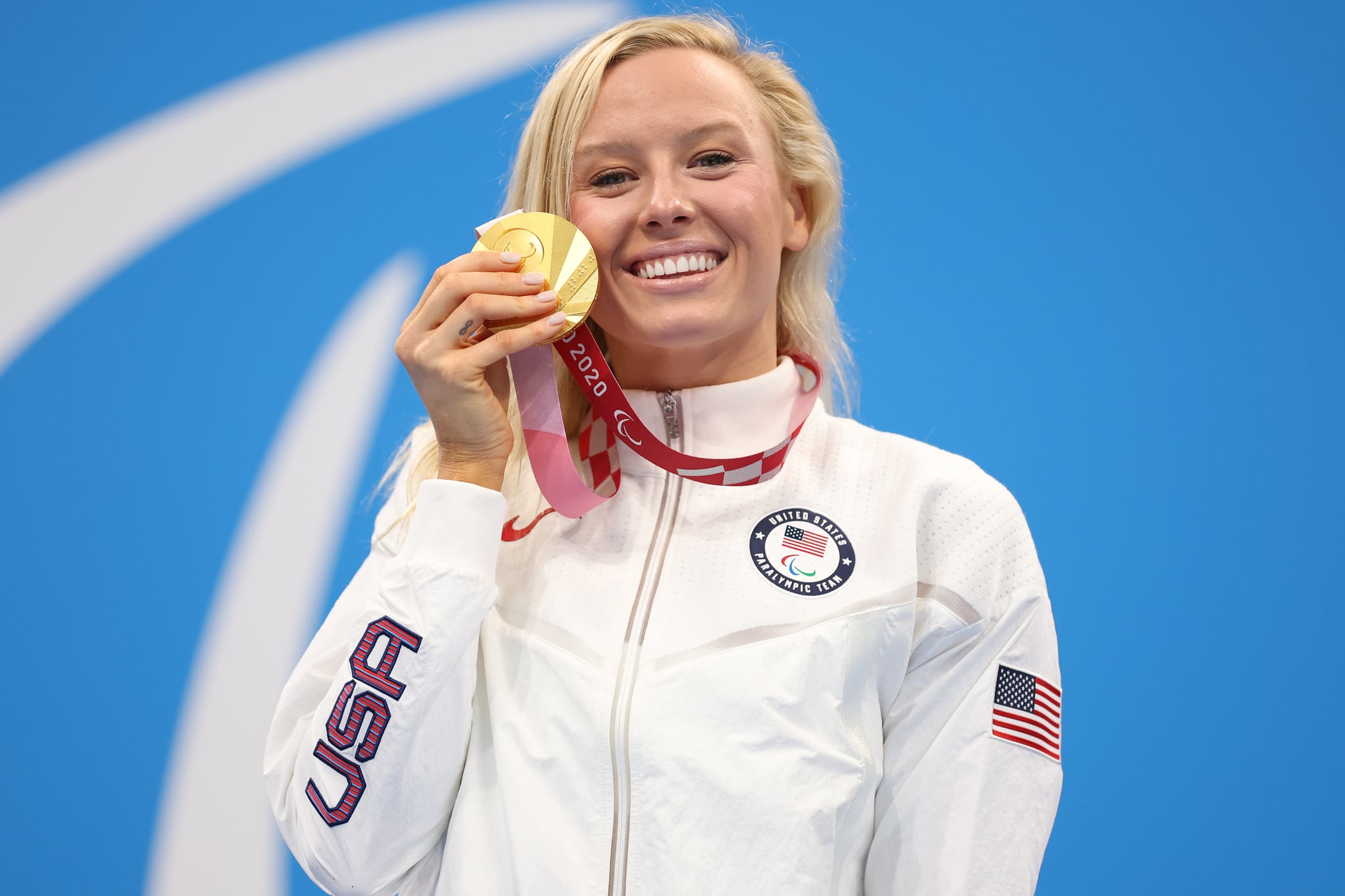
The Enduring Impact of Jessica Long: Defining a Paralympic Legacy
Jessica Long stands as one of the most decorated athletes in Paralympic history, having redefined competitive swimming through a career spanning over two decades. Her legacy is defined not merely by an unparalleled collection of gold m...
Jessica Long stands as one of the most decorated athletes in Paralympic history, having redefined competitive swimming through a career spanning over two decades. Her legacy is defined not merely by an unparalleled collection of gold medals, but by her sustained dominance across multiple games, her advocacy for disability sports, and her role in increasing the visibility of the Paralympic movement on the global stage.
Contents
The "Paralympic legacy" of Jessica Long is a multifaceted concept that encompasses athletic excellence, institutional influence, and individual advocacy. Since her debut at the 2004 Athens Games as a 12-year-old, Long has navigated a shifting landscape of adaptive sports technology, classification evolution, and mainstream media coverage. As of 2026, her career serves as a benchmark for longevity, illustrating the physiological and psychological demands of elite Paralympic competition while highlighting the necessity for systemic support structures that allow athletes to compete at the highest level well into their thirties.
The Evolution of a Multi-Games Career
Jessica Long’s entry into the Paralympic arena occurred during a period of transition for the movement. Her early success was characterized by rapid development and an innate ability to master the technical nuances of various swimming strokes. Unlike athletes who might peak in a single quadrennial cycle, Long’s career trajectory has been defined by consistent adaptation.
Her legacy is anchored in her ability to maintain world-class performance across seven Paralympic Games. This longevity is rare in competitive swimming, a sport traditionally dominated by younger athletes. Long’s success through the mid-2020s has required a rigorous approach to training that balances high-intensity anaerobic work with injury prevention and recovery protocols. Her career provides a case study for future Paralympic hopefuls on the importance of long-term athlete development (LTAD) frameworks, which prioritize sustainable growth over short-term gains.
Impact on Paralympic Classification and Fair Play
A critical aspect of Long’s legacy involves her navigation of the Paralympic classification system. Classification is the cornerstone of fair competition, ensuring that the impact of an athlete's impairment is minimized so that skill, fitness, and tactical focus determine the winner.
Long competes in the S8 classification, which is specific to swimmers with physical impairments. Throughout her career, she has been an active participant in the integrity of this system. Her visibility has brought necessary attention to the complexities of classification, helping the public understand that Paralympic sports are not just about participation, but about precise, evidence-based categorization that allows for equitable competition. By consistently performing at the top of her class, she has underscored the importance of transparency in classification panels and the role of rigorous medical assessment in maintaining the legitimacy of Paralympic records.
Advocacy and Mainstream Visibility
Beyond the pool, Jessica Long has been a primary force in transitioning the Paralympic movement from the periphery to the center of global sporting culture. Her media presence, including high-profile partnerships and documentaries, has challenged societal perceptions of disability.
Historically, coverage of the Paralympics was intermittent or relegated to secondary slots. Long’s legacy is inextricably linked to the "mainstreaming" of the Games. By articulating her experiences as an adoptee and an athlete with fibular hemimelia, she has provided a human face to the movement, moving the conversation away from "inspiration" tropes toward a more robust discussion of elite athleticism. This shift has had measurable outcomes in sponsorship opportunities for Paralympic athletes, creating a more professionalized environment where athletes can treat their training as a full-time career.
Benchmarking Performance: A Statistical Overview
The following table summarizes the scope of Jessica Long’s participation in the Paralympic Games, reflecting the breadth of her career.
| Games Year | Location | Discipline Focus | Medals Won |
|---|---|---|---|
| 2004 | Athens | Freestyle/Relay | 3 Gold |
| 2008 | Beijing | Freestyle/Butterfly | 4 Gold, 1 Silver, 1 Bronze |
| 2012 | London | Multi-Stroke | 5 Gold, 2 Silver, 1 Bronze |
| 2016 | Rio de Janeiro | Multi-Stroke | 1 Gold, 3 Silver, 2 Bronze |
| 2020/21 | Tokyo | Multi-Stroke | 3 Gold, 3 Silver |
| 2024 | Paris | Multi-Stroke | 2 Gold, 2 Silver |
Note: The table reflects established medal counts based on official International Paralympic Committee (IPC) records. Medals are subject to verification via the official IPC database.
Challenges in Paralympic Longevity
Maintaining a career at this level is not without significant operational and physical hurdles. Long’s career has navigated the transition from older, less specialized training regimens to modern, high-tech performance environments.
Training Requirements
To remain competitive, the technical requirements for Paralympic swimmers have become increasingly stringent. This includes:
- Biomechanical Analysis: Utilizing underwater cameras and sensors to optimize stroke efficiency, particularly for those with limb-deficient propulsion.
- Nutrition and Recovery: As metabolism and recovery capacity change with age, athletes like Long must employ personalized, data-driven nutrition strategies.
- Professionalization: The need for specialized coaching staff who understand the specific physiological implications of congenital physical impairments versus acquired disabilities.
The Cultural Impact of the "Long" Era
The "Long Era" has coincided with a significant increase in the technical sophistication of the Paralympic Games. The equipment used by athletes, from prosthetics for day-to-day life to racing suits and modified starting blocks, has evolved rapidly. Long’s legacy is also defined by her role as a bridge between the early, grassroots-funded era of the Paralympics and the current era of corporate-sponsored, broadcast-heavy games.
By continuing to compete, she has provided a living record of these advancements. Her presence serves as a reminder that the Paralympic movement is not a static entity but one that constantly updates its protocols, medical classifications, and technological support systems to ensure the highest level of sporting integrity.
Frequently Asked Questions (FAQ)
1. How has Jessica Long influenced the professionalization of Paralympic sports?
Jessica Long has utilized her platform to negotiate for equal media treatment and sponsorship opportunities. Her professional approach has helped standardize how Paralympic athletes prepare for and engage with the media, effectively raising the market value of the Paralympic brand for current and future generations.
2. What is the S8 classification, and why is it important to Long’s career?
The S8 classification is one of ten sport classes for swimmers with physical impairments. It is assigned based on a functional assessment of an athlete's ability to perform specific strokes. For Long, this classification provides the framework for her competition, ensuring she races against peers with similar levels of physical impact, thus centering the competition on athletic performance.
3. Does Jessica Long’s career provide a roadmap for future Paralympic athletes?
Yes, her career offers a blueprint for long-term athletic success. It emphasizes the necessity of early talent identification combined with the sustained support of national governing bodies and medical teams. Her longevity demonstrates that with proper recovery and physiological management, an elite Paralympic career can extend significantly longer than previously anticipated.
4. What are the key lessons from her multi-decade career?
The primary lesson is the necessity of adaptability. As the field becomes more crowded and the standards of competition rise, athletes must be willing to refine their training techniques and embrace new sports science protocols. Long’s success is a testament to the fact that talent must be continuously recalibrated to keep pace with the evolving nature of elite sports.
Conclusion and Next Actions
Jessica Long’s legacy is a foundational component of modern Paralympic history. Her career provides a roadmap for how elite athletes can sustain peak performance while contributing to the growth and institutionalization of their sport. For those interested in the ongoing status of Paralympic swimming or the evolution of athlete classification, monitoring the official International Paralympic Committee (IPC) database and the annual World Para Swimming championship reports remains the most reliable method for accessing verified, up-to-date data. Athletes and fans alike should look to the IPC’s updated classification handbooks to understand the changing technical standards that continue to shape the sport.
Image Gallery