The Creative Origin and Legacy of the Ren and Stimpy Creator
The creator of the groundbreaking animated series The Ren & Stimpy Show is John Kricfalusi, commonly known as John K. He developed the characters and the original concept for the show, which premiered on Nickelodeon in 1991. Kricfalusi...
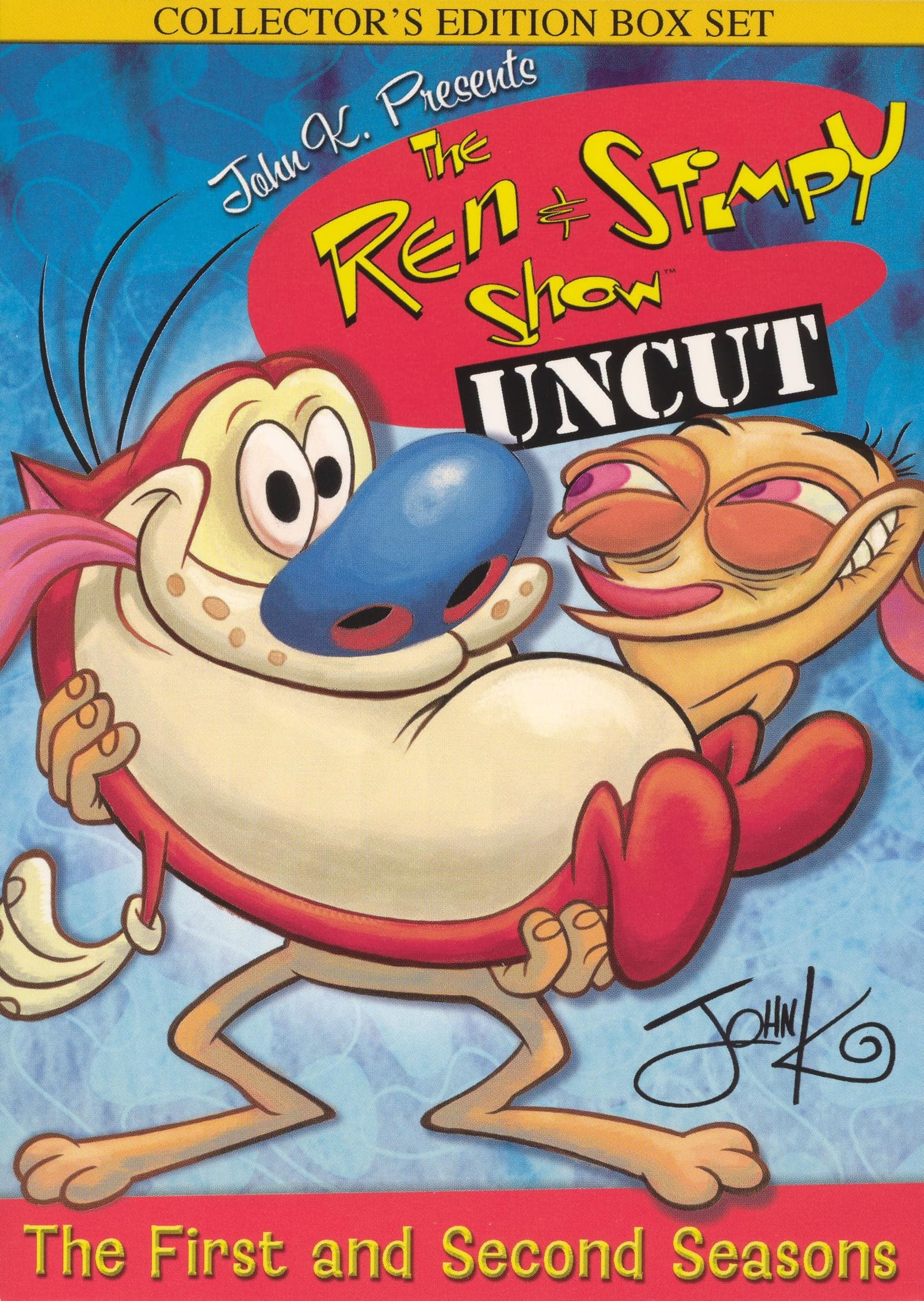
The creator of the groundbreaking animated series The Ren & Stimpy Show is John Kricfalusi, commonly known as John K. He developed the characters and the original concept for the show, which premiered on Nickelodeon in 1991. Kricfalusi served as the series' original showrunner, writer, and primary director during its initial run, fundamentally changing the landscape of 1990s television animation.
Contents
The Genesis of Ren and Stimpy
In the late 1980s, the animation industry was largely dominated by formulaic children’s programming characterized by rigid, repetitive animation styles and safe, moralizing narratives. John Kricfalusi, an animator who had previously worked on various television projects, sought to revive the frantic, personality-driven style of classic 1940s and 1950s cartoons, such as those produced by Warner Bros. and MGM.
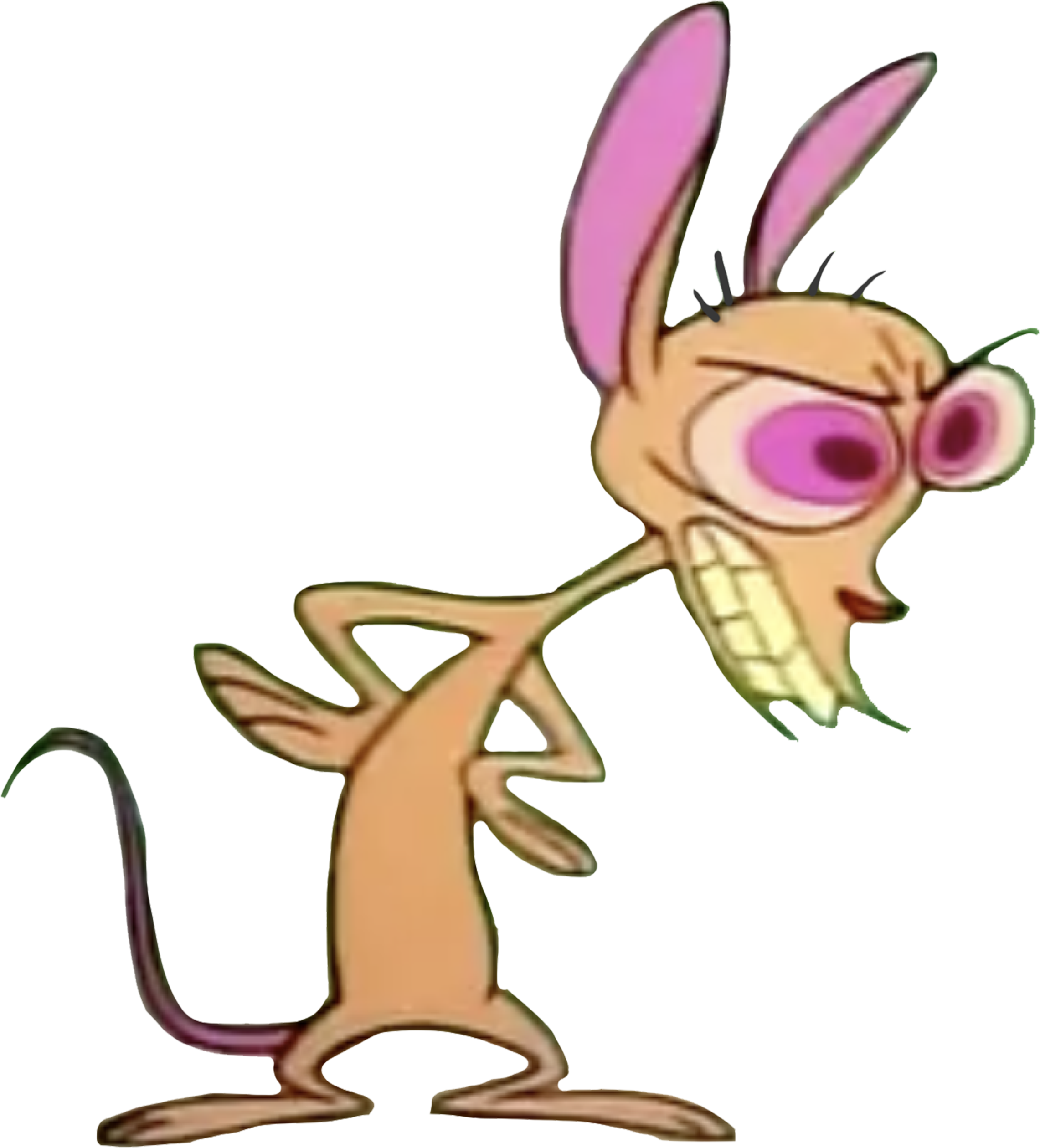
Kricfalusi founded Spumco, an independent animation studio, to pitch his vision of a show that prioritized artistic expression and exaggerated character acting over standard television conventions. He conceived the two lead characters—Ren Höek, a psychopathic, hyper-sensitive Chihuahua, and Stimpson "Stimpy" J. Cat, a good-natured but dim-witted cat—as a dynamic duo that could anchor surreal, high-energy storytelling. Nickelodeon, looking to expand its original programming slate, commissioned the project, marking the beginning of the network's "Nicktoons" era.
Impact on Animation Production
The influence of Kricfalusi’s work on The Ren & Stimpy Show cannot be overstated. He introduced several techniques and stylistic choices that challenged the existing standards of children’s television. One of the most significant contributions was the use of "gross-up" shots—intricate, hyper-realistic close-ups that juxtaposed grotesque details with the show's otherwise relatively simple character designs. This visual trope became a hallmark of the series and was widely emulated in later cartoons.
Furthermore, Kricfalusi prioritized expressive timing and fluid animation over cost-cutting shortcuts. He insisted on a level of detail that pushed the boundaries of the budget and the production timeline allowed by Nickelodeon. While this artistic commitment resulted in high critical acclaim, it also led to significant friction between Kricfalusi’s studio and the network’s executives, who struggled to reconcile his production pace and subject matter with the standards and practices of a cable network aimed at children.
Professional Separation and Legacy
By 1992, creative and logistical conflicts between Kricfalusi and Nickelodeon culminated in his dismissal from the series. The network transitioned the production of the remaining episodes to Games Animation, an in-house studio, while retaining the rights to the intellectual property. Despite this separation, the DNA of the show remained rooted in the characters and structural framework that Kricfalusi established.
In the years following his departure, the animation industry recognized the indelible mark the show left on creators who came after him. The series served as a bridge between the classic era of animation and the "adult animation" boom that would arrive in the late 1990s and early 2000s. Shows such as SpongeBob SquarePants, Adventure Time, and The Marvelous Misadventures of Flapjack have all cited the visual language and comedic pacing of the original Ren and Stimpy episodes as foundational influences.
Production Comparison Table
Understanding the evolution of the series requires distinguishing between the original creative vision and the later production phases.
| Feature | Spumco Era (1991–1992) | Games Animation Era (1992–1995) |
|---|---|---|
| Primary Creator | John Kricfalusi | Network Staff/In-house team |
| Animation Style | Experimental, fluid, cinematic | Consistent, lower-budget, TV-standard |
| Creative Control | High (Showrunner-led) | Moderate (Network-supervised) |
| Tone | Surreal, satirical, abrasive | Traditional, lighthearted, episodic |
| Production Speed | Slower (quality-focused) | Faster (schedule-focused) |
Contextualizing the Content
It is important for viewers and historians to distinguish between the various iterations of the series. While the initial run remains the most historically significant due to its impact on the industry, subsequent attempts to revive or spin off the series occurred in the early 2000s. These later projects, such as Ren & Stimpy "Adult Party Cartoon," were marketed toward a mature audience and featured different creative oversight. When identifying the "creator," the focus remains firmly on the original 1991 production, as it was during this period that the fundamental design, character dynamics, and narrative themes were established.
Frequently Asked Questions
Who owns the rights to Ren and Stimpy? The rights to the characters and the series are currently held by Paramount Global (the parent company of Nickelodeon). Consequently, any official use or distribution of the characters is controlled by the network's corporate entities.
Did John Kricfalusi write every episode? No. While Kricfalusi was the primary showrunner and creative lead during the first two seasons, the writing was a collaborative process involving a team of animators and writers. However, the creative vision and the overall "bible" for the characters were directly managed by him.
Are Ren and Stimpy considered "adult" cartoons? While they were originally broadcast on Nickelodeon, a network primarily for children, the show’s content was frequently viewed as sophisticated, edgy, and occasionally disturbing. This tonal ambiguity led to its categorization as "all-ages" satire, which eventually paved the way for more explicit adult animation.
Why was the show’s production so difficult? The friction stemmed from a misalignment between Kricfalusi’s demand for high-quality, feature-film-style animation and the network’s requirement for consistent, affordable, and timely delivery of episodes. The strict deadlines of television production often clashed with the experimental approach of the Spumco animation team.
Is it possible to watch the original episodes? Yes, the original episodes are available through various digital distribution platforms and home media releases managed by the rights holders. These collections remain a primary resource for students of animation who wish to analyze the show’s influence on modern media.
Final Recommendation
For those interested in the history of television animation, the most effective next step is to examine the original 1991–1992 episodes produced by Spumco. Comparing these against subsequent seasons provides a clear perspective on how artistic direction, budget, and corporate oversight influence the final product. Researchers should prioritize interviews with animation historians and documentation from the early 1990s, as these provide the most accurate account of the development process and the eventual creative split.
Image Gallery