Understanding Workers Compensation in Los Angeles, California
Workers compensation in Los Angeles, California, is a state-mandated insurance program designed to provide medical benefits, wage replacement, and rehabilitation services to employees who suffer work-related injuries or illnesses. Empl...
Workers compensation in Los Angeles, California, is a state-mandated insurance program designed to provide medical benefits, wage replacement, and rehabilitation services to employees who suffer work-related injuries or illnesses. Employers in California are legally required to carry this coverage, ensuring that workers have a no-fault system to secure support without needing to prove negligence by their employer.
Contents
The Legal Framework of California Workers Compensation
The foundation of the workers compensation system in California is codified in the state’s Labor Code. Unlike personal injury litigation, the workers compensation system is an "exclusive remedy." This means that in most cases, an injured employee cannot sue their employer in civil court for damages related to an injury. Instead, they must utilize the administrative processes established by the California Division of Workers' Compensation (DWC).
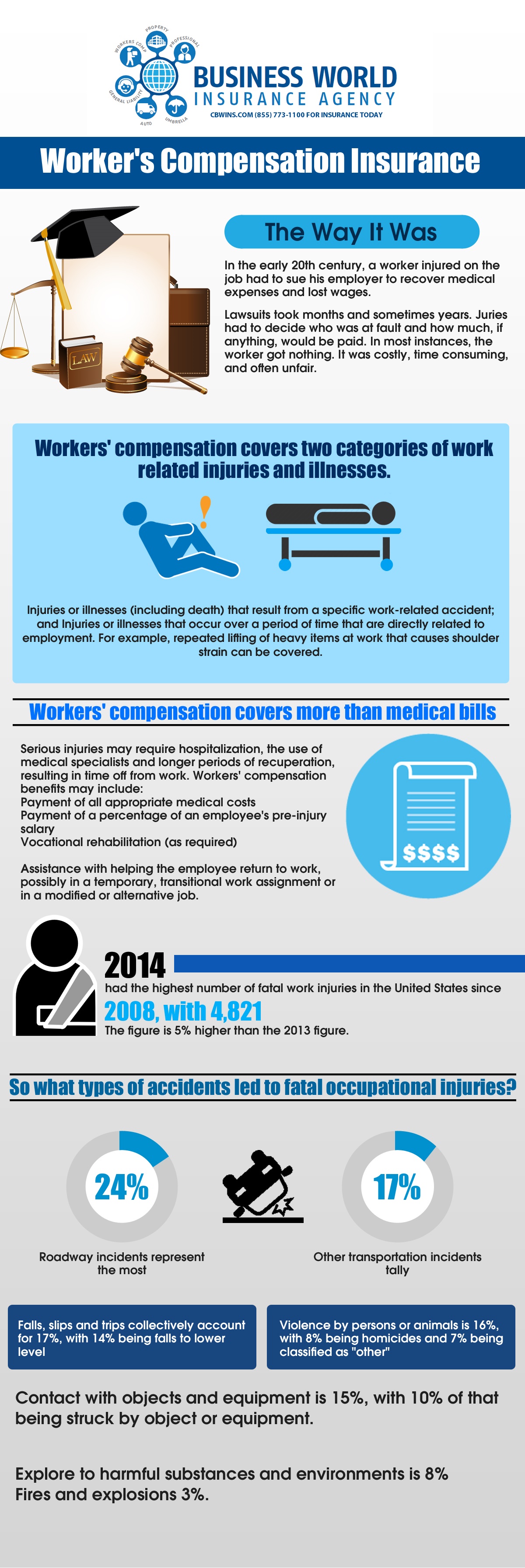
In Los Angeles, as in the rest of the state, the system is designed to provide five basic types of benefits:
- Medical Care: Paid for by the employer’s insurer to help you recover from an injury or illness caused by work.
- Temporary Disability Benefits: Payments if you lose wages because your injury prevents you from doing your usual job while recovering.
- Permanent Disability Benefits: Payments if you don’t recover completely and your injury results in a permanent impairment.
- Supplemental Job Displacement Benefits: Vouchers to help pay for retraining or skill enhancement if you cannot return to your previous job.
- Death Benefits: Payments to spouses, children, or other dependents if a worker dies from a job-related injury or illness.
Employer Obligations and Insurance Requirements
California law mandates that every employer, regardless of size, must provide workers compensation insurance for their employees. This includes part-time workers, minors, and family members working for the business. Employers generally meet this requirement by purchasing a policy from a licensed insurance carrier or, in some cases, by obtaining a certificate of consent to self-insure from the Department of Industrial Relations (DIR).
For businesses operating in Los Angeles, failing to secure this coverage is a serious legal violation. An employer who is uninsured can face significant financial penalties, "stop orders" from the state that halt business operations, and potential criminal charges. Furthermore, if an injury occurs at an uninsured workplace, the employee may file a civil lawsuit against the employer in addition to seeking benefits through the Uninsured Employers Benefits Trust Fund (UEBTF).
Steps to Take Following a Workplace Injury
If you are injured on the job in Los Angeles, acting promptly is essential to preserve your eligibility for benefits. Follow these chronological steps to ensure you are protected:
- Report the Injury: Notify your supervisor or employer immediately, ideally in writing. Under California law, you must report the injury to your employer within 30 days. Failure to provide timely notice can jeopardize your claim.
- Seek Medical Treatment: Emergency care should be prioritized. For non-emergency situations, your employer has the right to direct your medical care initially, often through a Medical Provider Network (MPN).
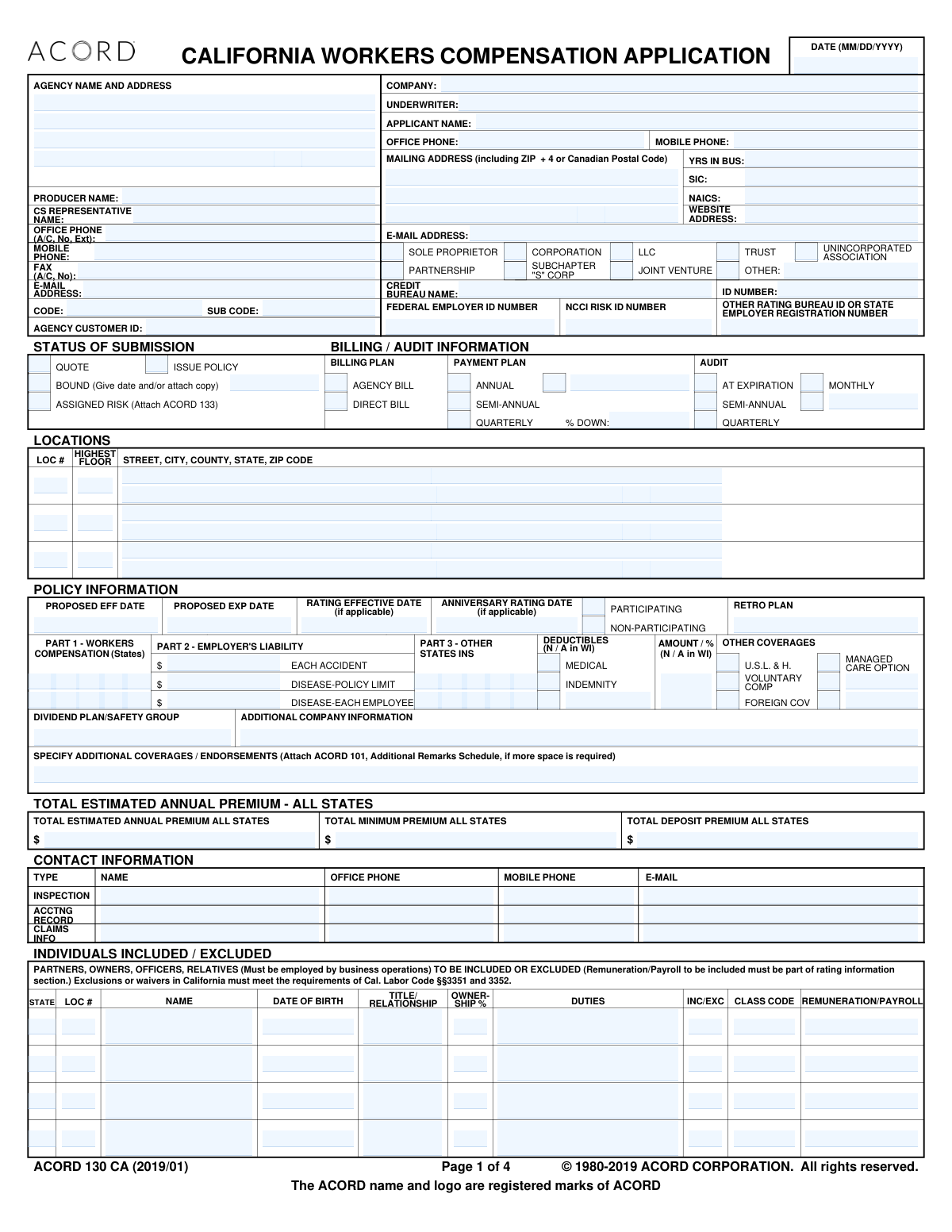
- Complete the Claim Form: Your employer is required to provide you with a Workers' Compensation Claim Form (DWC 1) within one working day of learning about your injury. Fill out the "employee" section and return it to your employer. Your employer must then submit it to their insurance carrier.
- Monitor Claim Acceptance: The claims administrator (the insurance company) has 90 days to decide whether to accept or deny your claim. During this period, you are entitled to up to $10,000 in medical treatment while the decision is pending.
Comparing Benefit Types and Compensation Structures
Understanding how different benefits function is vital for managing expectations during the recovery process. The following table outlines the primary benefit categories and their standard application.
| Benefit Type | Purpose | Eligibility Trigger |
|---|---|---|
| Medical Care | Covers treatment, prescriptions, and physical therapy. | Immediate upon reporting of work-related injury. |
| Temporary Disability (TD) | Replaces a portion of lost wages during recovery. | Physician certifies you are unable to work. |
| Permanent Disability (PD) | Compensates for long-term functional loss. | Physician determines the injury reached "Maximum Medical Improvement." |
| Death Benefits | Support for surviving dependents. | Work-related injury results in fatality. |
Common Challenges and Troubleshooting
The workers compensation process in Los Angeles can be complex. Claimants often encounter hurdles that require proactive management.
Claim Denials
A denial does not necessarily mean the end of the road. Insurers may deny claims based on a lack of medical evidence, disputes over whether the injury was "work-related," or procedural errors. If your claim is denied, you have the right to request a hearing before a Workers' Compensation Administrative Law Judge at the local district office of the DWC.
Medical Provider Network Disputes
Employers often require employees to use a specific network of doctors (MPN). If you feel your medical care is inadequate or that the doctor is not accurately assessing your condition, you have the right to seek a second or third opinion within the network or request an Independent Medical Review (IMR).
The Role of Medical-Legal Evaluations
If there is a dispute regarding your medical condition—such as a disagreement on your permanent disability rating or your ability to return to work—you may be evaluated by a Qualified Medical Evaluator (QME). The QME's report acts as the evidentiary standard for settling disputes within the California system.
Important Considerations for Los Angeles Workers
Los Angeles is a high-cost area, which impacts how temporary disability payments are calculated. While the state sets maximum and minimum weekly benefit rates annually, these figures are indexed to the State Average Weekly Wage (SAWW). Ensure that your benefit calculations reflect the most current figures provided by the California DIR.
Furthermore, California law provides protection against retaliation. It is illegal for an employer to terminate, demote, or discriminate against an employee for filing a workers compensation claim. If you suspect retaliatory action, you may seek legal counsel to explore a claim for "serious and willful misconduct" or other labor law violations.
Frequently Asked Questions
1. Do I need an attorney for my workers compensation claim in Los Angeles? Not necessarily. Simple, uncontested claims are often processed successfully without legal help. However, if your claim is denied, your injury is severe, or your employer is disputing your medical treatment, consulting an attorney specializing in California workers compensation may be beneficial.
2. Can I choose my own doctor? Generally, if your employer has a pre-designated Medical Provider Network (MPN), you must choose a doctor within that network. If you provided your employer with the name of your personal physician in writing before the injury occurred, you may be able to be treated by them.
3. Does workers compensation cover injuries during my commute? In most cases, the "going and coming" rule bars coverage for injuries sustained while traveling between your home and your workplace. However, exceptions exist if the employer provides the transportation or if you are performing a work-related task during the commute.
4. How long do I have to file a claim? While you should report the injury within 30 days, you generally have one year from the date of the injury to file the formal DWC 1 claim form with your employer to initiate the legal process.
5. Are workers compensation benefits taxable? No. Workers compensation benefits are typically not considered taxable income under federal or California state tax laws.
6. What if my employer refuses to provide a claim form? If your employer fails to provide the DWC 1 form, you can download it directly from the California Department of Industrial Relations website. Ensure you send a copy to your employer via certified mail to document the request.
Next Steps for Claimants
If you have been injured, your first priority is your health. Ensure you document all medical visits, keep copies of all correspondence with your employer and their insurance carrier, and track all expenses related to your injury. If you encounter significant roadblocks, visit the California Division of Workers' Compensation Information and Assistance office in Los Angeles, where state officials can provide neutral guidance on navigating your claim.
Image Gallery