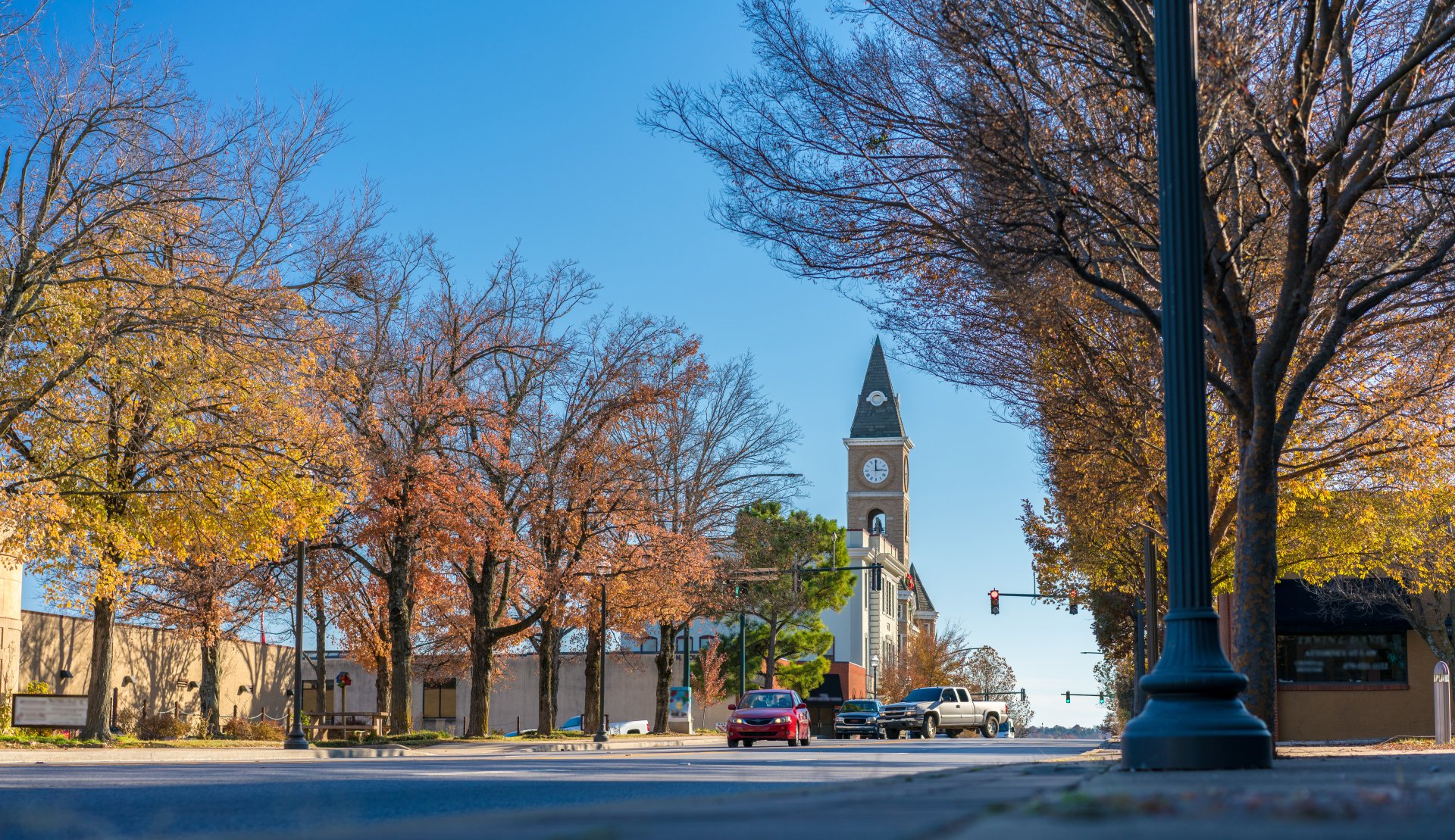
Why Moving to Fayetteville AR Feels Right: A Guide to Northwest Arkansas Living
Moving to Fayetteville, Arkansas, is a decision defined by the convergence of rapid economic growth, a robust outdoor recreation culture, and the stabilizing influence of the University of Arkansas. For many relocating, the city repres...
Moving to Fayetteville, Arkansas, is a decision defined by the convergence of rapid economic growth, a robust outdoor recreation culture, and the stabilizing influence of the University of Arkansas. For many relocating, the city represents a rare balance between small-town community values and the amenities typically associated with much larger metropolitan hubs.
Contents
The Economic Landscape and Growth Trajectory
Fayetteville is the anchor of the Northwest Arkansas (NWA) region, a demographic powerhouse that has seen consistent expansion since the early 2000s. The local economy is uniquely diversified, bolstered by the presence of Fortune 500 companies in the immediate vicinity, including Walmart in Bentonville, Tyson Foods in Springdale, and J.B. Hunt in Lowell.
This corporate concentration provides a deep and varied job market, attracting professionals in logistics, retail technology, finance, and food science. For those moving to the area in 2026, the economic stability is a primary driver. The region’s unemployment rates historically track lower than the national average, providing a cushion for newcomers entering the local job market. Furthermore, the University of Arkansas serves as a major employer and a pipeline for regional innovation, ensuring a steady stream of research-driven jobs and cultural events that keep the city’s demographics younger and more dynamic than many other parts of the state.
Housing Market and Cost of Living Considerations
While Fayetteville has experienced significant appreciation in home values over the last decade, it maintains a cost-of-living profile that is generally favorable compared to major coastal urban centers. However, prospective residents must navigate a competitive real estate market characterized by low inventory for detached single-family homes.
Market Dynamics for Prospective Residents
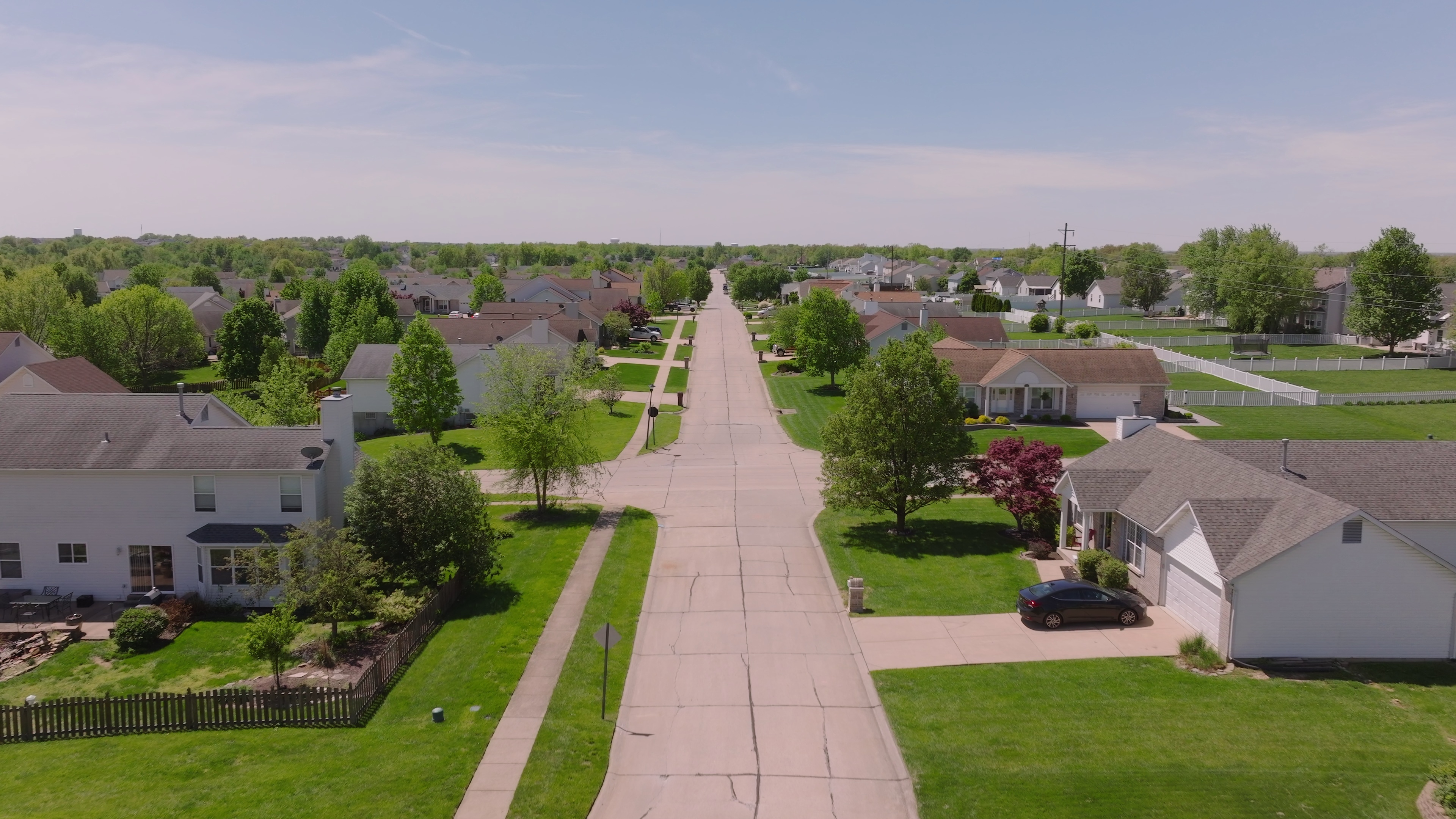
- Inventory Challenges: Demand remains high due to consistent migration to the NWA region. New residential developments are occurring primarily on the fringes of the city, while historic neighborhoods near the downtown core remain high-demand, low-turnover zones.
- Rental Market: The rental landscape is heavily influenced by the university schedule, with significant turnover in May and August. Renters seeking long-term stability often look toward the northern and southern suburbs of Fayetteville to avoid the seasonality of the campus-adjacent market.
- Taxation: Arkansas state income tax rates have seen downward adjustments in recent years, which appeals to high-earning professionals relocating from higher-tax jurisdictions. Property taxes in Washington County are also competitive, though they vary depending on specific school district levies.
Infrastructure and Quality of Life
The physical infrastructure of Fayetteville is built around the "Ozark lifestyle." The city has invested heavily in the Razorback Regional Greenway, a 40-mile paved trail system that connects Fayetteville to Bentonville, allowing for non-motorized commuting and recreation.
Access to medical facilities is another hallmark of the region. Fayetteville serves as a medical hub for the southern half of the NWA region, with specialized facilities like the Washington Regional Medical Center providing comprehensive care that reduces the need for residents to travel to larger out-of-state cities for advanced procedures.
Regional Comparison Table: Fayetteville vs. Regional Hubs
| Feature | Fayetteville | Tulsa, OK | Springfield, MO |
|---|---|---|---|
| Primary Industry | Logistics/Tech/Higher Ed | Energy/Aerospace | Healthcare/Manufacturing |
| Outdoor Access | Exceptional (Ozark Trails) | Moderate | Moderate |
| Median Commute | 15–20 Minutes | 20–25 Minutes | 15–20 Minutes |
| University Presence | Flagship (U of A) | Urban/Private Hubs | Regional State Hub |
Cultural Integration and Community Identity
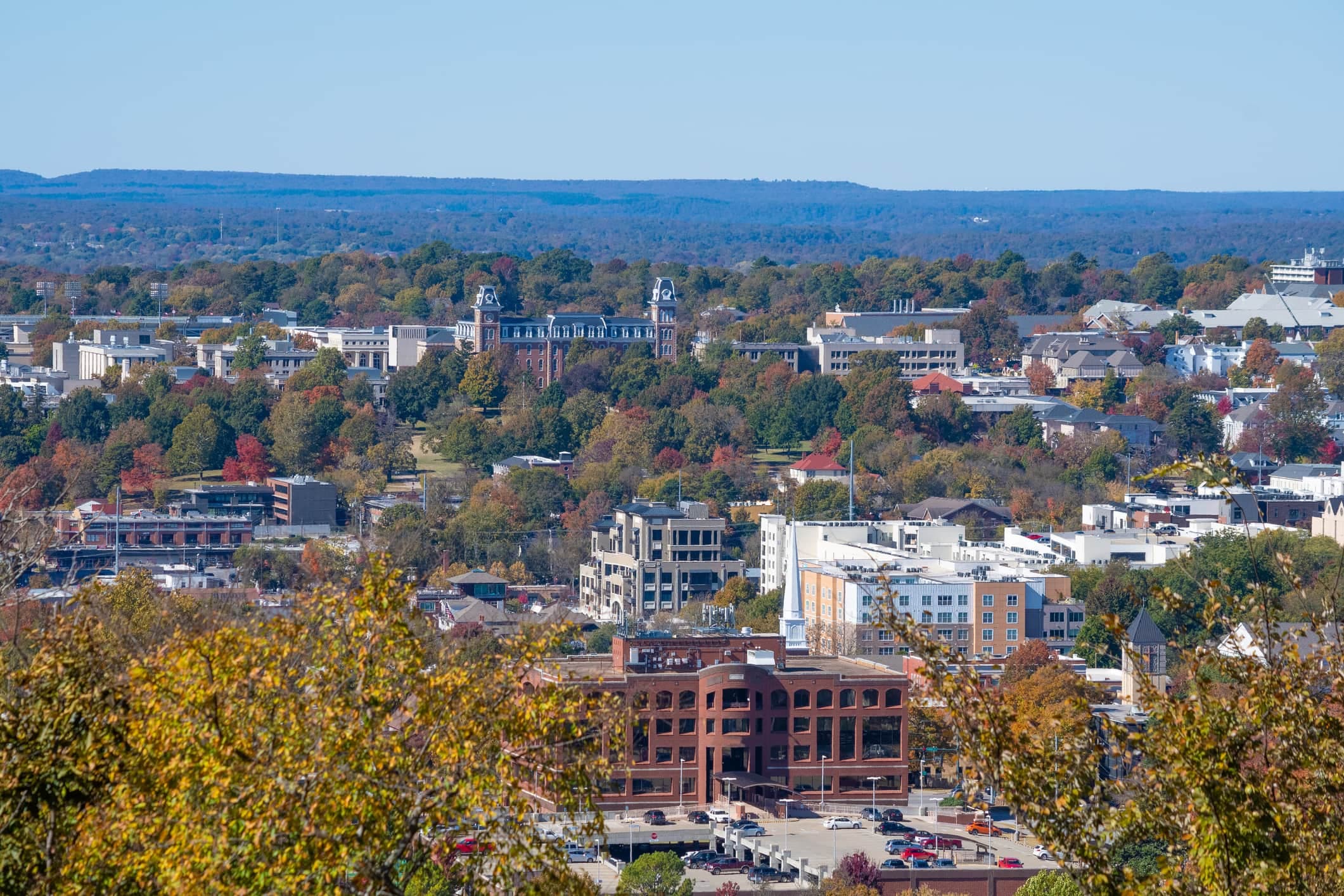
Fayetteville distinguishes itself through its independent spirit. The Dickson Street entertainment district remains the heart of the city’s nightlife and cultural output, hosting the Walton Arts Center and a variety of locally owned venues. The city’s identity is not solely corporate; it is deeply rooted in the arts, with a significant emphasis on local music and the farmers' market culture on the downtown Square.
For those moving to the area, integrating into the community often starts with the seasonal events. The Fayetteville Farmers' Market is widely considered a staple of the local social fabric, operating year-round. Understanding this rhythm is essential for newcomers who wish to move beyond being "transplants" and become active participants in the civic life of the Ozarks.
Potential Challenges and Adjustments
No relocation is without its friction points. Newcomers often cite the following as the most significant adjustments:
- Topography: If coming from flat terrain, the hilly nature of the Ozarks requires an adjustment in driving habits and athletic expectations for cycling and running.
- Traffic Patterns: While not comparable to a major city like Dallas or Chicago, I-49 experiences significant bottlenecks during rush hours. As the population of the region grows, local infrastructure, including highway expansion and public transit, remains in a state of continuous improvement.
- Climate: Residents should prepare for significant seasonal variation. Summers are humid, while winters can feature rapid temperature fluctuations, including occasional ice events that can temporarily disrupt local infrastructure.
Frequently Asked Questions
What is the current demand for rental properties in Fayetteville? Demand is consistently high, particularly within a three-mile radius of the University of Arkansas. Renters are encouraged to secure housing at least 60 days before their intended move-in date to ensure adequate selection.
How does the tax structure in Arkansas affect new residents? Arkansas has transitioned toward a lower, flatter income tax structure. As of 2026, the state continues to refine its tax code to remain competitive with neighboring states like Texas and Tennessee, which is a major factor for high-income earners moving to the area.
Is Fayetteville suitable for families with children? Yes, the Fayetteville Public School District is highly rated within the state. The city also offers extensive public park systems and youth programming associated with the university, making it a family-oriented environment.
What is the best way to commute within the region? While the city is car-dependent, the regional focus on the Greenway makes cycling a viable alternative for many living within the city limits. Local bus services provided by Ozark Regional Transit provide coverage but are best suited for commuters with flexible schedules.
Are there specific geographic areas that are expanding? Growth is currently concentrated on the southern side of the city and toward the west, where new residential subdivisions and retail centers are being integrated to handle the influx of new residents.
Next Steps for Prospective Residents
If you are considering a move to Fayetteville, start by identifying the specific sector of the city that aligns with your lifestyle. Professionals seeking proximity to amenities should focus on the downtown or historic district, while those prioritizing space and newer residential builds should investigate the expanding southern and western corridors.
Prior to finalizing your move, it is recommended to visit during a non-peak season to experience the city when the university is not in full session. This provides a more accurate representation of the day-to-day pace of the city and allows you to evaluate the transit infrastructure and community atmosphere objectively. Verify current property tax assessments and local school district boundaries directly through the Washington County government portal before committing to a specific purchase or long-term lease.
Image Gallery