Comprehensive Hiatal Hernia Diet Sheet: Managing Symptoms and Reflux in 2026
A hiatal hernia diet focuses on reducing Gastroesophageal Reflux Disease (GERD) symptoms by avoiding acidic, fatty, and spicy triggers while emphasizing small, frequent portions of lean proteins and non-citrus produce. Using a structur...
A hiatal hernia diet focuses on reducing Gastroesophageal Reflux Disease (GERD) symptoms by avoiding acidic, fatty, and spicy triggers while emphasizing small, frequent portions of lean proteins and non-citrus produce. Using a structured diet sheet helps manage the pressure on the diaphragm and prevents the backflow of stomach acid into the esophagus.
Contents
A hiatal hernia occurs when the upper part of your stomach bulges through the large muscle separating your abdomen and chest (the diaphragm). While small hiatal hernias often cause no symptoms, larger ones can allow food and acid to back up into your esophagus, leading to heartburn, chest pain, and difficulty swallowing. As of 2026, clinical management emphasizes "lifestyle first" interventions, where dietary modification serves as the primary line of defense before surgical options are considered.
Managing this condition requires more than just knowing what to eat; it involves understanding how the mechanics of digestion interact with your anatomy. This guide provides a detailed breakdown of the dietary requirements often found in a clinical hiatal hernia diet sheet PDF, designed to help you navigate meal planning and symptom relief.
The Relationship Between Anatomy and Diet
To understand why a diet sheet is necessary, one must understand the role of the Lower Esophageal Sphincter (LES). In a healthy body, the LES acts as a one-way valve that opens to allow food into the stomach and closes to keep acid out. When a hiatal hernia is present, the stomach's migration through the diaphragm can weaken this valve's effectiveness.
Certain foods chemically relax the LES, while others increase stomach acid production or delay gastric emptying. When the stomach remains full for longer periods, the internal pressure increases, forcing acid upward through the weakened hiatus. A hiatal hernia diet is specifically engineered to keep stomach pressure low and the LES as tight as possible.
Foods to Prioritize (The "Safe" List)
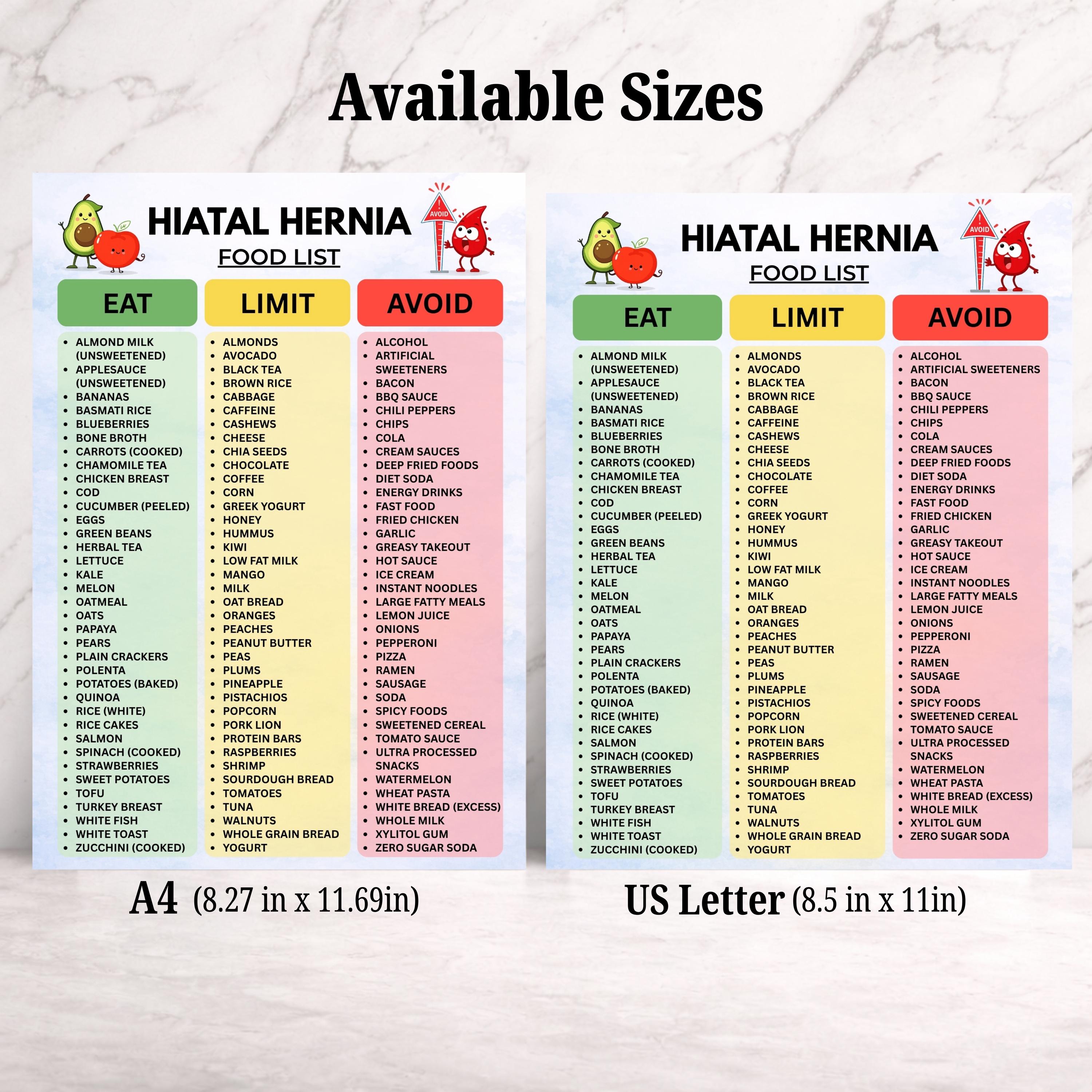
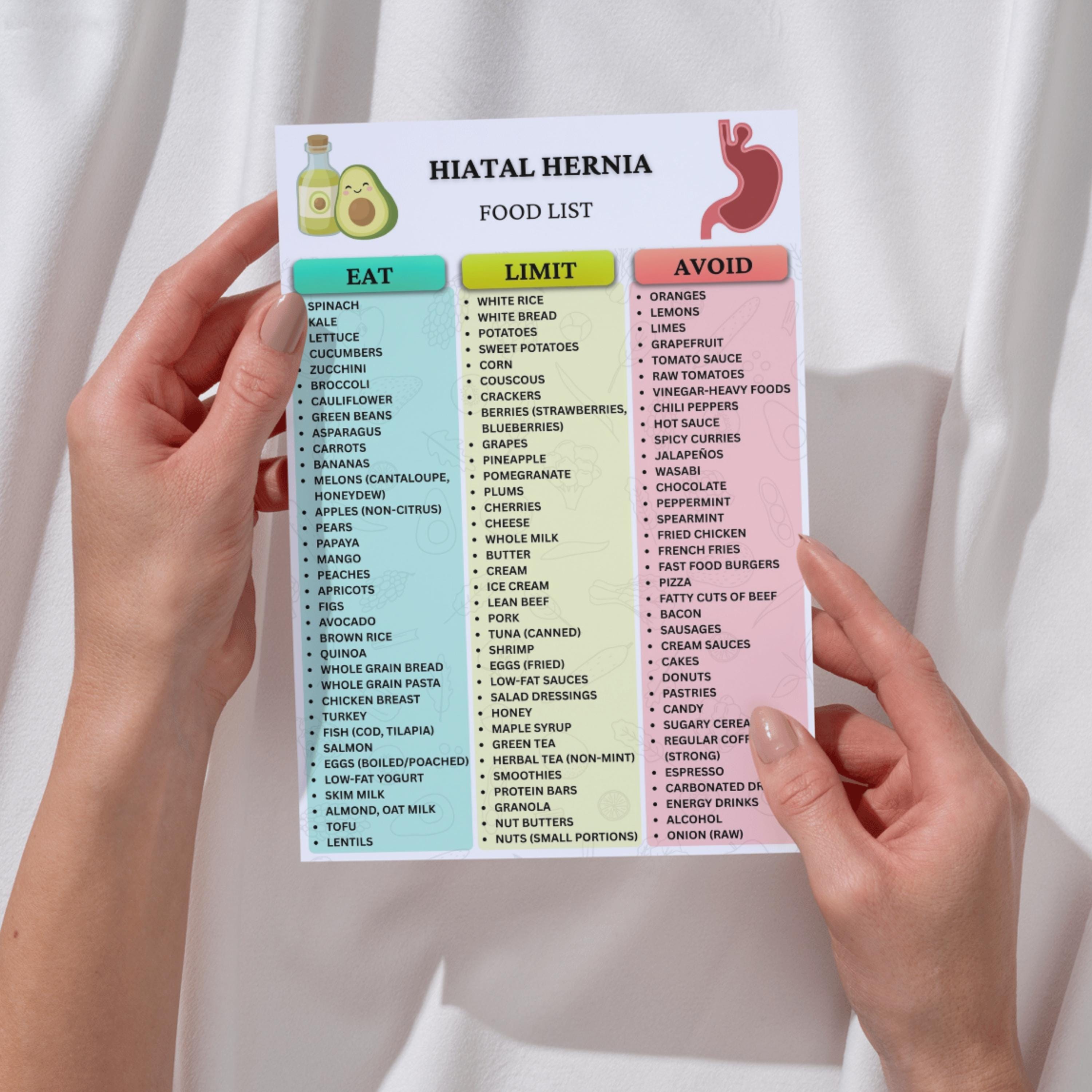
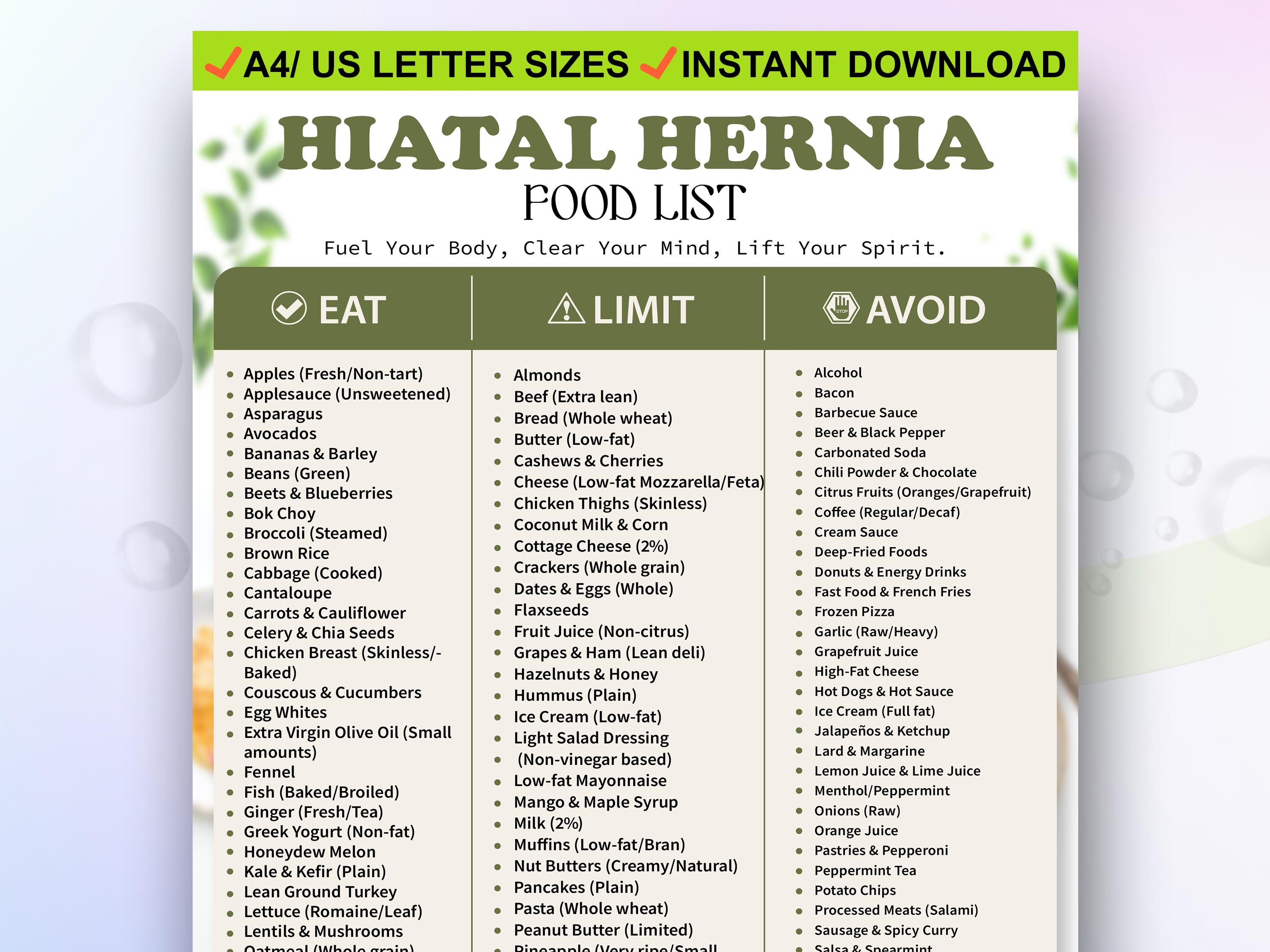
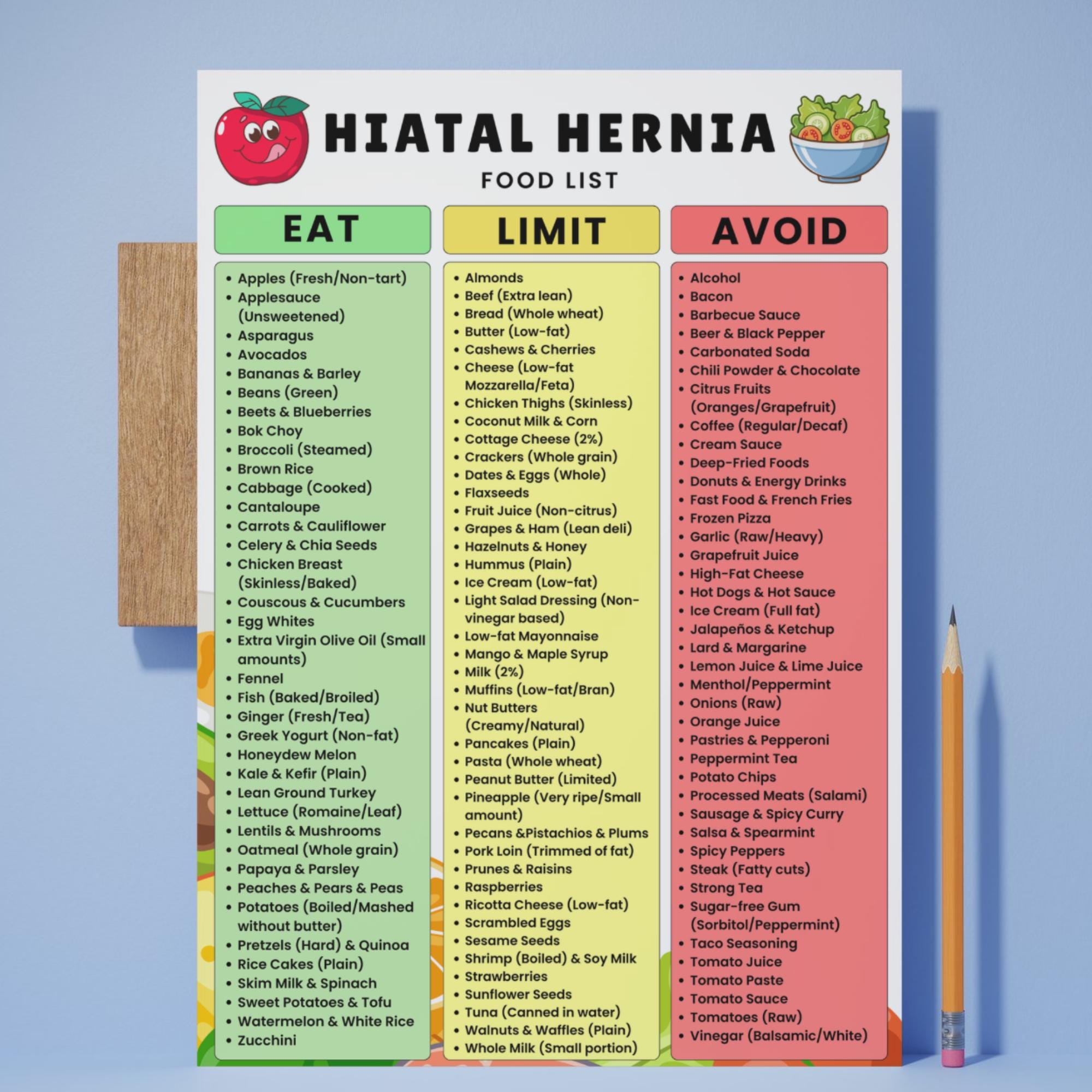
The goal of a hiatal hernia diet is to choose foods that are "gastrically neutral." These are items that are easy to digest, do not stimulate excessive acid production, and do not linger in the stomach for extended periods.
Lean Proteins
Protein is essential for tissue repair, but high-fat meats can trigger reflux because fat slows down digestion.
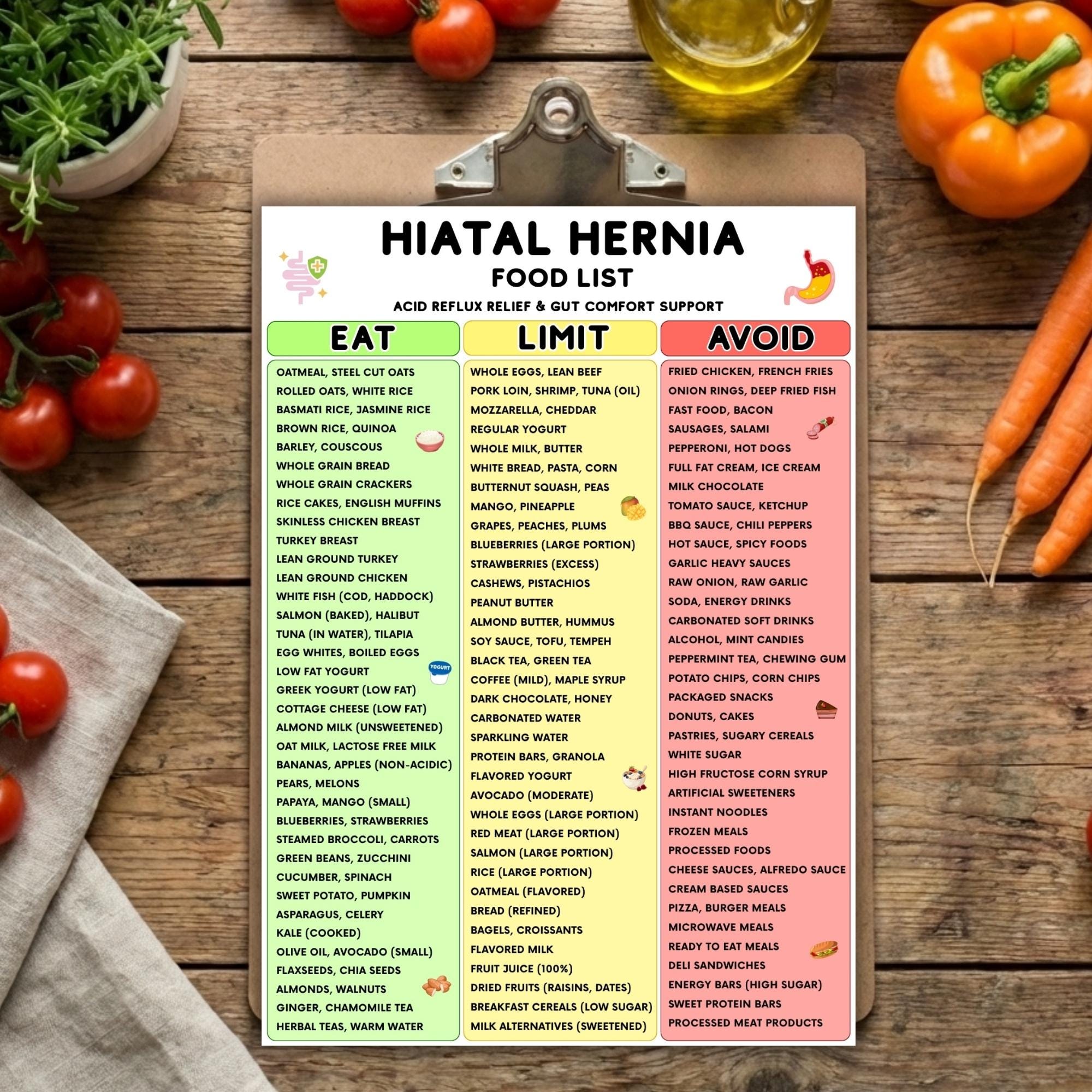
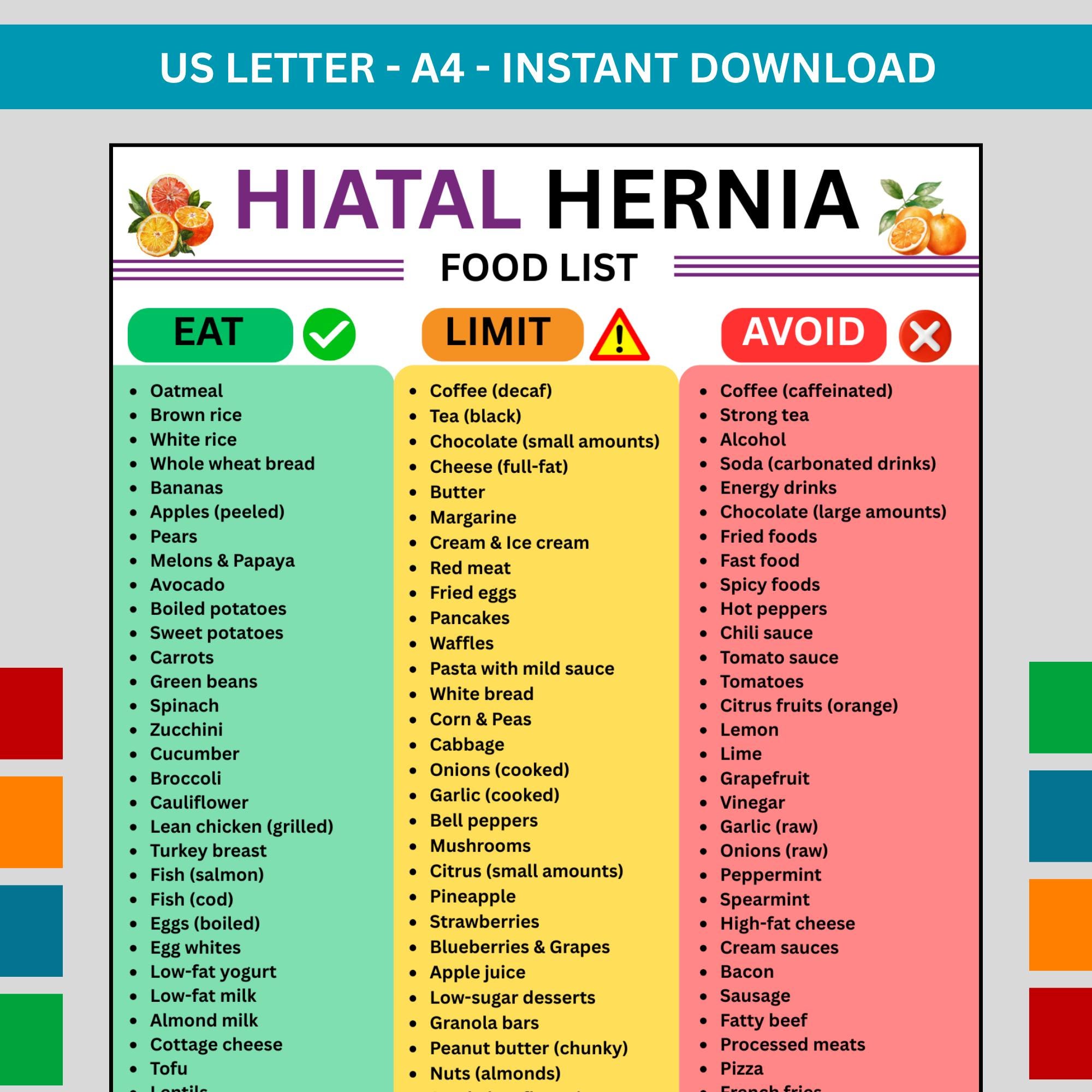
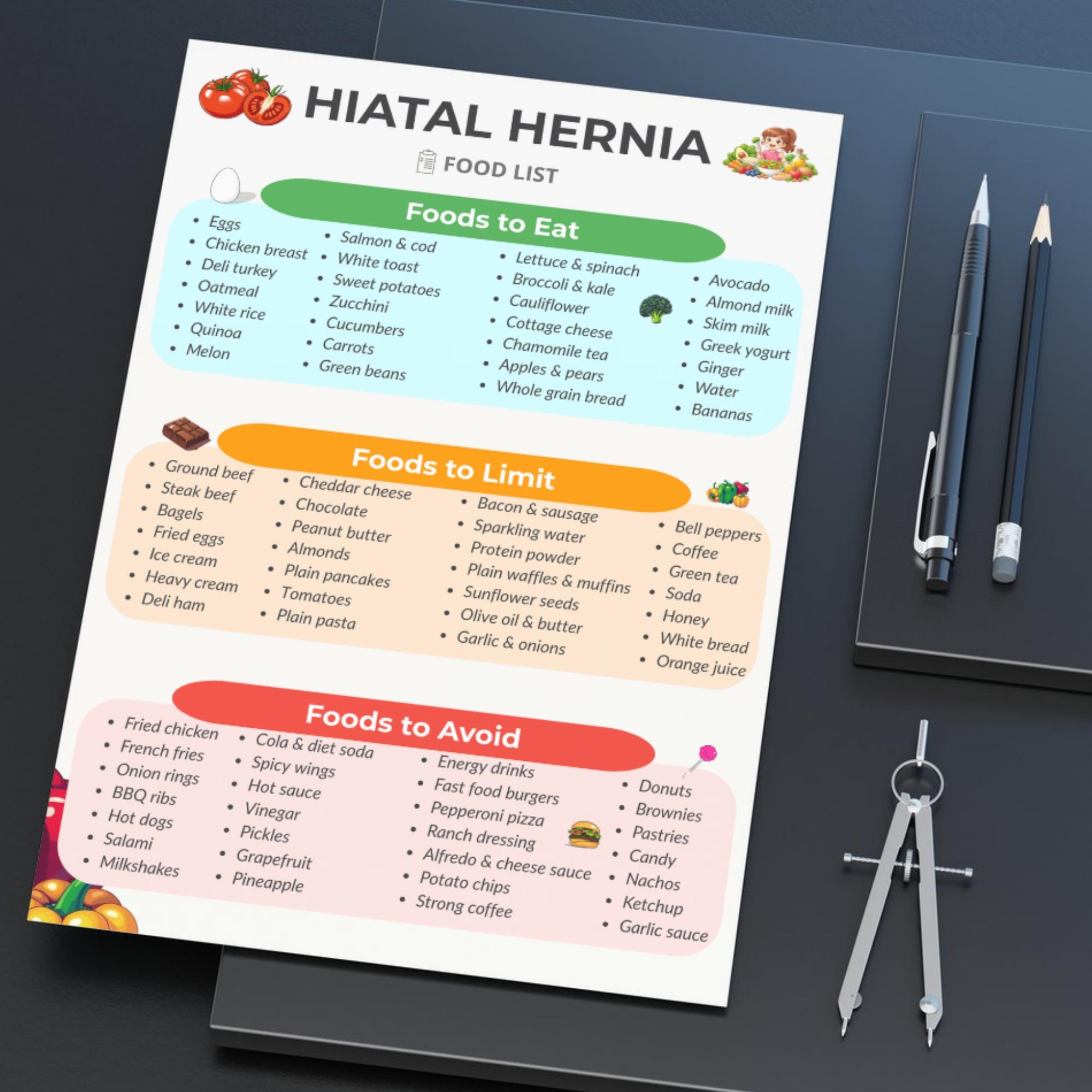
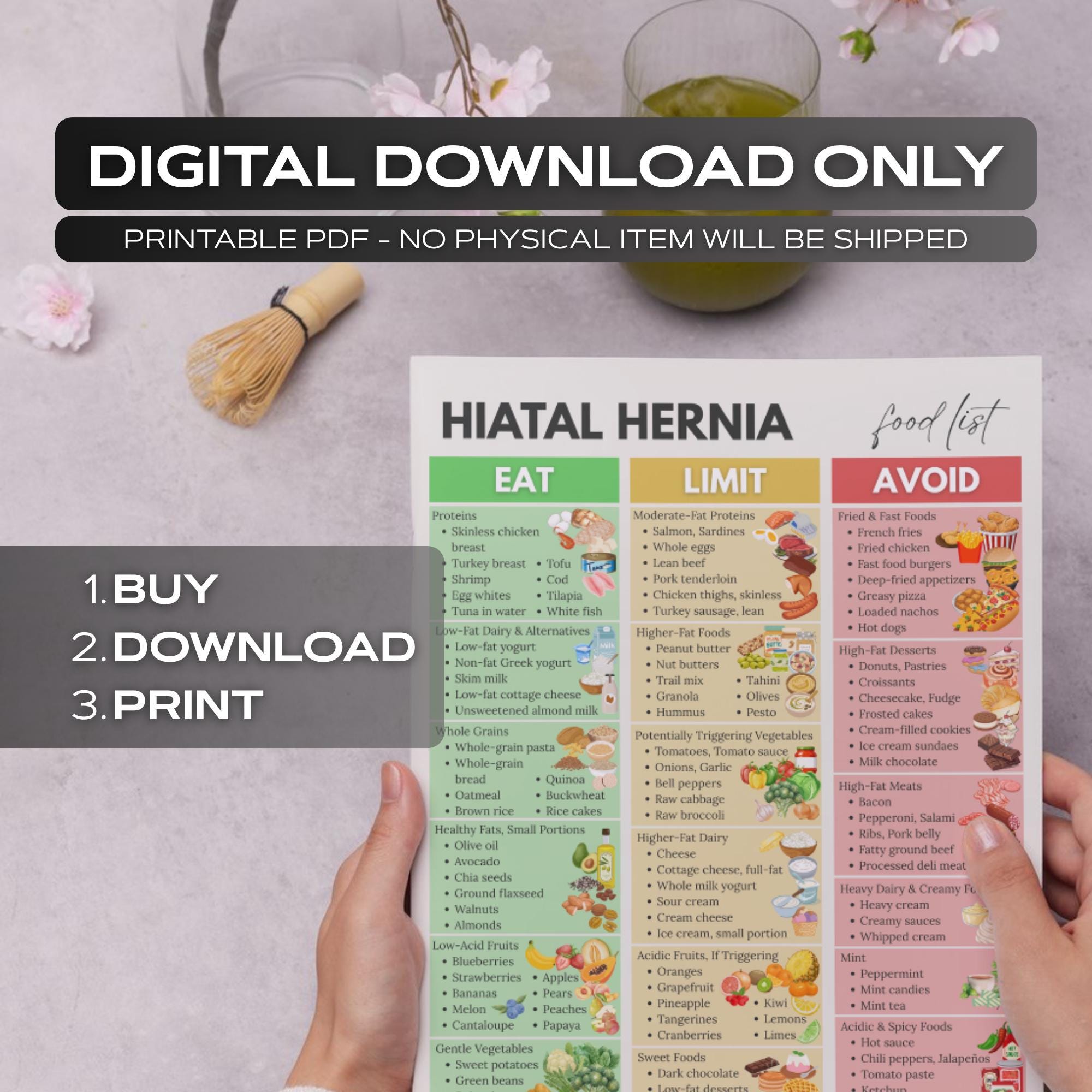
- Skinless Poultry: Chicken and turkey breast are staples. Ensure they are grilled, broiled, or poached rather than fried.
- Fish and Seafood: White fish like cod, tilapia, and flounder are excellent. Avoid heavy, buttery sauces.
- Egg Whites: While whole eggs are generally tolerated by some, the fat in the yolk can be a trigger for others. Egg whites provide pure protein without the fat content.
- Lean Beef Cuts: If you eat red meat, select "extra lean" (90/10 or better) and limit portions to 3–4 ounces.
Complex Carbohydrates and Fiber
Fiber is crucial for preventing constipation. Straining during bowel movements increases intra-abdominal pressure, which can worsen a hiatal hernia or push more of the stomach through the diaphragm.
- Whole Grains: Oatmeal, brown rice, couscous, and whole-wheat bread provide steady energy and fiber.
- Root Vegetables: Carrots, sweet potatoes, and parsnips are generally well-tolerated and provide essential vitamins without high acidity.
- Non-Citrus Fruits: Bananas, melons, apples (peeled), and pears are the safest bets for satisfying a sweet tooth without triggering a "burn."
Dairy and Alternatives
- Low-Fat Options: Skim milk, low-fat yogurt, and low-fat cheeses (like cottage cheese or part-skim mozzarella) are preferred.
- Plant-Based Milks: Almond milk and oat milk are often naturally alkaline, which can help neutralize stomach acid for some patients.
Foods to Avoid (The "Trigger" List)
A comprehensive diet sheet always highlights "red flag" foods. These items either irritate the esophageal lining directly or cause the LES to malfunction.
High-Acid Produce
Citrus fruits and tomato-based products are highly acidic. Even if they don't relax the LES, they can cause intense pain if the esophagus is already inflamed (esophagitis).
- Citrus: Oranges, lemons, limes, and grapefruits.
- Tomatoes: This includes pasta sauces, salsa, pizza sauce, and tomato juice.
High-Fat and Fried Foods
Fatty foods are the most common culprits for delayed stomach emptying. The longer food sits in the stomach, the more pressure is exerted on the hiatal opening.
- Fried Foods: French fries, fried chicken, and donuts.
- High-Fat Dairy: Full-fat butter, heavy cream, and hard aged cheeses.
- Fatty Meats: Bacon, sausage, and marbled steaks.
Common Chemical Irritants
Some substances have a direct pharmacological effect on the LES.
- Caffeine: Coffee (even decaf can be acidic), strong teas, and energy drinks.
- Chocolate: Contains methylxanthine, which has been shown to relax smooth muscle, including the LES.
- Peppermint and Spearmint: While often used for "upset stomachs," mint actually relaxes the LES and can worsen reflux in hernia patients.
- Alcohol: Sensitizes the esophageal lining and relaxes the LES.
2026 Hiatal Hernia Dietary Compatibility Chart
The following table summarizes the recommended substitutions typically found in a professional diet sheet.
| Food Category | Recommended (Safe) | Limit or Use Caution | Avoid (Triggers) |
|---|---|---|---|
| Proteins | Grilled chicken, white fish, tofu, egg whites | Lean ground beef, boiled eggs | Fried chicken, sausage, pepperoni |
| Vegetables | Green beans, carrots, broccoli, peas | Raw onions, garlic (cooked) | Raw garlic, spicy peppers, tomatoes |
| Fruits | Bananas, melons, pears, apples | Berries (strawberries, blueberries) | Oranges, lemons, grapefruit, pineapple |
| Grains | Oatmeal, brown rice, whole-grain bread | White bread, low-fiber cereal | Rich pastries, croissants, doughnuts |
| Beverages | Water, herbal tea (non-mint), aloe vera juice | Low-acid coffee, diluted juices | Carbonated sodas, alcohol, strong coffee |
| Fats | Small amounts of olive oil, avocado | Low-fat mayonnaise, light butter | Lard, heavy cream, spicy salad dressings |
Lifestyle Modifications and Eating Habits
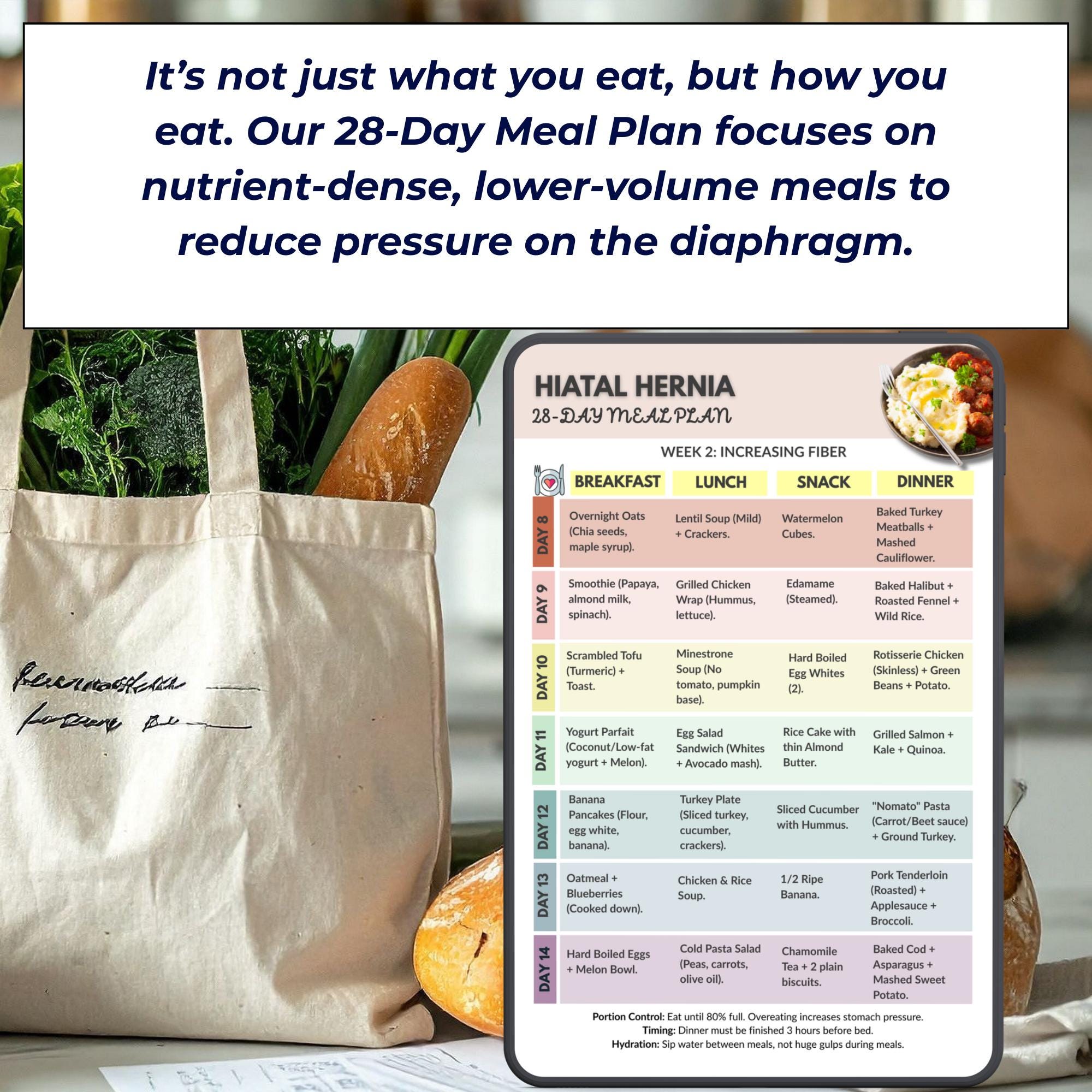
A hiatal hernia diet sheet PDF is incomplete without instructions on how to eat. In 2026, gastroenterologists emphasize that the timing and volume of food intake are just as important as the nutritional content.
Portions and Frequency
Instead of three large meals, aim for five to six small snacks or "mini-meals." This prevents the stomach from becoming overly distended, which reduces the likelihood of the stomach tissue being pushed upward through the hiatus. Smaller volumes also require less acid for digestion.
The Three-Hour Rule
Gravity is your best friend when managing a hiatal hernia. Avoid lying down, reclining, or going to bed for at least three hours after your last meal. This allows the stomach to empty sufficiently before you move into a horizontal position, which significantly reduces nocturnal reflux.
Cooking Techniques
The way you prepare "safe" foods can turn them into "triggers."
- Steaming and Boiling: These are the safest methods as they require no added fats.
- Baking and Broiling: Use a rack to allow excess fat to drip away from the meat.
- Avoid Frying: Even "shallow frying" can add enough fat to cause digestive delays.
Hydration Management
Try to drink most of your fluids between meals rather than during them. Drinking large amounts of water with a meal increases the total volume in the stomach, creating more pressure. Sipping water throughout the day is more effective than gulping large quantities at once.
Troubleshooting Common Issues
Even with a strict diet, some individuals still experience breakthrough symptoms. This often occurs due to hidden ingredients or "stacking" triggers.
- Hidden Triggers: Many processed "low-fat" foods contain high amounts of onion or garlic powder for flavor. These concentrated powders can be just as irritating as the raw versions.
- The "Stacking" Effect: You might tolerate a small amount of chocolate or a single cup of coffee, but consuming both in the same day may cross your threshold for symptoms.
- Weight Management: Excess abdominal fat increases the pressure on the stomach. If you are overweight, a hiatal hernia diet often doubles as a weight-loss plan, which can provide long-term relief by reducing the physical pressure on the diaphragm.
When to Consult a Professional
While a diet sheet is an excellent tool for self-management, it does not replace medical intervention. You should seek guidance from a healthcare provider if you experience:
- Dysphagia: Difficulty swallowing or the feeling that food is "stuck" in your chest.
- Anemia: Chronic reflux can cause small amounts of bleeding in the esophagus, leading to iron deficiency.
- Unintended Weight Loss: If the pain of eating causes you to avoid food entirely.
- Persistent Cough: Often a sign of "silent reflux" where acid is irritating the airway.
For more information on clinical guidelines, refer to the American College of Gastroenterology or the National Institute of Diabetes and Digestive and Kidney Diseases (NIDDK).
Summary and Next Actions
To successfully manage a hiatal hernia in 2026, you should treat your diet as a therapeutic intervention. Start by downloading or creating a printable version of the diet sheet based on the lists provided above. For the next 14 days, keep a food diary alongside your symptom log to identify which "caution" foods are safe for your specific anatomy.
Focus on lean proteins, non-acidic produce, and small portions. Combine these dietary changes with gravity-based habits—like using a wedge pillow for sleeping and staying upright after meals—to achieve the best results.
Image Gallery