Universal Life Insurance Explained: Mechanics, Flexibility, and Financial Risks
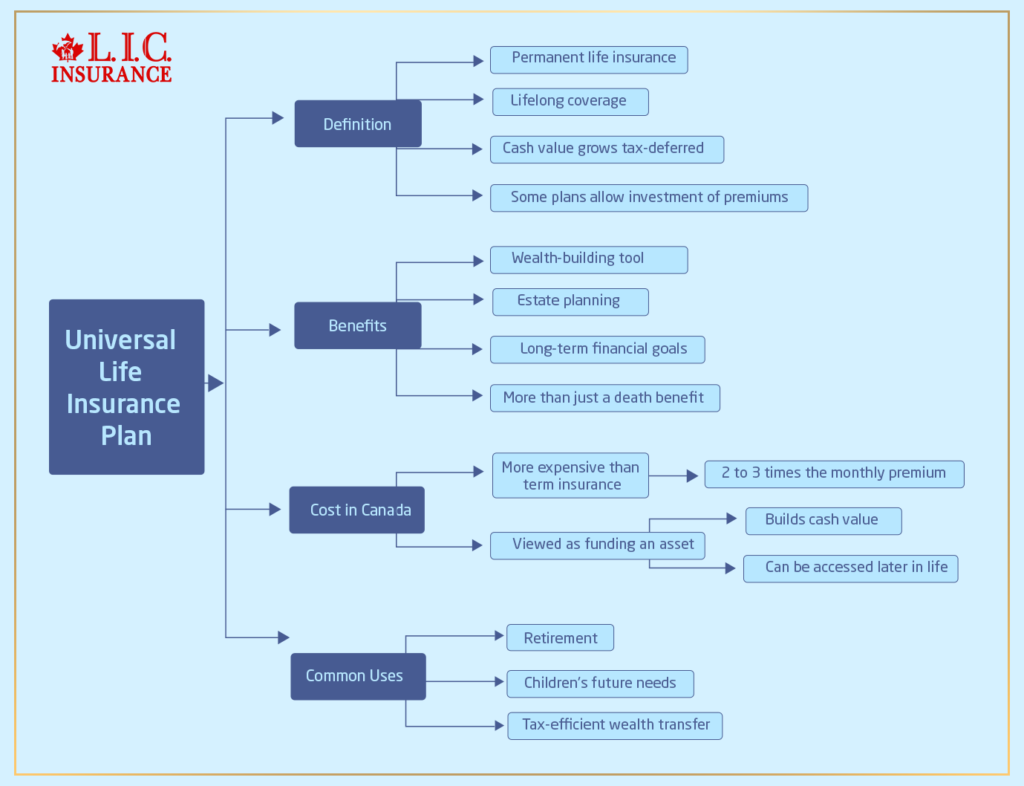
Universal life insurance is a type of permanent life insurance policy that offers a death benefit while incorporating a cash value component that earns interest. Unlike traditional whole life insurance, universal life policies provide...
Universal life insurance is a type of permanent life insurance policy that offers a death benefit while incorporating a cash value component that earns interest. Unlike traditional whole life insurance, universal life policies provide policyholders with the flexibility to adjust their premium payments and death benefit amounts throughout the life of the contract, provided the policy maintains sufficient cash value to cover its internal costs.
Contents
Understanding the Architecture of Universal Life Insurance
At its core, universal life insurance is designed to provide lifetime protection. However, the mechanism that keeps the policy in force differs significantly from other permanent products. A universal life policy is divided into three distinct parts: the death benefit, the cost of insurance, and the cash value account.
Each month, the insurance company deducts the cost of insurance—which covers the mortality risk and administrative fees—from the policy’s cash value account. The remaining balance in the account earns interest based on the type of universal life policy held. If the cash value is insufficient to cover these monthly deductions, the policy may lapse unless the owner pays additional premiums. This structural transparency is why universal life is often described as "unbundled" insurance; the cost of the coverage is separated from the savings element.
Types of Universal Life Insurance
Market offerings in 2026 generally fall into three categories, each varying in how the cash value account is credited with interest. Understanding these nuances is essential for policyholders concerned with market volatility and long-term funding requirements.
- Fixed or Guaranteed Universal Life: These policies offer a guaranteed minimum interest rate on the cash value. They are generally the most conservative option and are often used specifically for death benefit protection rather than as a tool for aggressive capital accumulation.
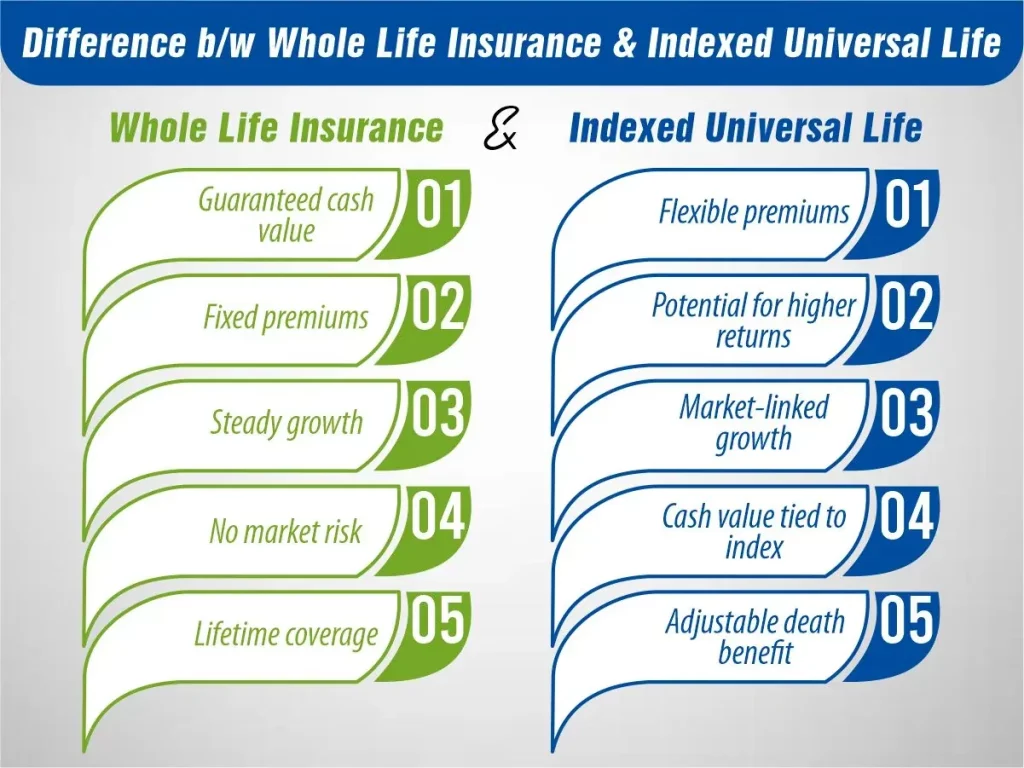
- Indexed Universal Life (IUL): These policies credit interest based on the performance of a market index, such as the S&P 500. While the cash value can grow significantly during bull markets, it is protected from market downturns by a "floor"—usually 0%—meaning your cash value will not decrease due to negative market performance, though it may grow slowly if the index performs poorly.
- Variable Universal Life (VUL): This is the highest-risk iteration. Policyholders choose to invest their cash value in sub-accounts similar to mutual funds. While VULs offer the greatest potential for growth, the cash value—and potentially the death benefit—can decline if the underlying investments perform poorly.
Key Advantages of Universal Life Insurance
The primary appeal of a universal life policy is its adaptability. Life circumstances change, and this product is engineered to reflect that volatility.
- Flexible Premiums: Unlike whole life insurance, where premiums are fixed, universal life allows you to adjust your payments. If your income decreases, you can lower your payments (as long as there is enough cash value to cover expenses). If you have extra capital, you can pay more to increase your cash value.
- Adjustable Death Benefit: You can increase your coverage if your family grows or your financial obligations rise, typically subject to evidence of insurability. Conversely, you can decrease the death benefit if you find you no longer require as much protection, which can lower your cost of insurance deductions.
- Tax Advantages: The cash value in a life insurance policy grows on a tax-deferred basis. Additionally, if the policy is surrendered or loans are taken against the cash value, specific tax treatments apply that may be beneficial depending on your individual tax bracket and the policy's structure.
Critical Risks and Operational Considerations
Despite the flexibility, universal life insurance is not "set it and forget it" coverage. The most common pitfall for policyholders is underestimating the "cost of insurance" (COI).
As you age, the internal cost of insurance increases. If your cash value account has not grown sufficiently—either through high interest crediting or consistent premium payments—the insurer will continue to deduct these rising costs from your balance. If the cash value drops to zero, the policyholder must either pay a significantly higher premium to keep the coverage active or risk the policy lapsing entirely. Many policyholders who purchased these products decades ago found themselves in "underfunded" situations when interest rates remained low, failing to generate the expected growth to offset rising mortality charges.
Comparative Overview of Permanent Life Insurance
The table below highlights the fundamental differences between universal and whole life insurance to help clarify why you might choose one over the other.
| Feature | Whole Life Insurance | Universal Life Insurance |
|---|---|---|
| Premium Structure | Fixed and level for life | Flexible and adjustable |
| Cash Value Growth | Guaranteed, set by insurer | Variable, index-linked, or fixed |
| Management | Hands-off/Contractual | Requires active monitoring |
| Primary Goal | Guaranteed death benefit | Death benefit + cash growth flexibility |
| Complexity | Low | High |
Essential Questions for Policyholders
When considering or managing a universal life insurance policy, these common questions can help you gauge the health of your coverage.
How do I know if my policy is adequately funded? You should request an "in-force illustration" from your insurance carrier. This document projects the future performance of your policy based on current interest rates and fees. It will show exactly how long your policy is expected to last given your current premium payment strategy.
Can I take money out of a universal life policy? Yes, most policies allow for policy loans or partial surrenders of the cash value. However, taking money out reduces the cash value, which could cause the policy to lapse prematurely if not managed correctly. Loans must often be repaid with interest, and unpaid loans are deducted from the death benefit upon your passing.
What happens if I stop paying premiums? Unlike whole life insurance, which may have "paid-up" options, a universal life policy will generally terminate if the cash value falls below the amount needed to cover the monthly cost of insurance. You must continue to monitor the policy status until the cash value is sufficient to sustain the costs indefinitely.
Is universal life insurance an investment? While the cash value component can be viewed as a savings vehicle, it is legally and functionally an insurance product. It should be purchased primarily for the death benefit, with any cash value accumulation treated as a secondary feature rather than a primary retirement account.
How does inflation affect my policy? Over long periods, inflation can erode the purchasing power of your death benefit. Because universal life allows for adjustments, you may be able to increase your coverage, though this will increase your premium and the cost of insurance deductions.
Next Steps for Policyholders
If you own an existing universal life policy, your immediate task is to request an in-force illustration for 2026 and beyond. Review this document with a qualified financial professional to determine if your current premium payments are sufficient to carry the policy through your expected life expectancy. If you are considering purchasing a new policy, prioritize carriers with strong financial ratings, as the solvency of the insurer is critical for a product designed to span decades. Ensure you fully understand the "worst-case scenario" projection included in your policy illustration before committing to the contract.
Image Gallery