How to Find Inexpensive Lawn Care Near You: A Practical Budget Guide
Finding inexpensive lawn care near you involves leveraging localized hiring strategies, adjusting service frequency, and removing non-essential add-ons. By bundling services with neighbors, comparing quotes from licensed independent co...
Finding inexpensive lawn care near you involves leveraging localized hiring strategies, adjusting service frequency, and removing non-essential add-ons. By bundling services with neighbors, comparing quotes from licensed independent contractors, and opting for bi-weekly maintenance schedules, homeowners can secure reliable yard care at competitive, below-average regional rates.
Contents
Understanding the True Cost of Local Lawn Maintenance
The cost of routine lawn maintenance varies considerably depending on geographic location, turf size, lot topography, and the specific level of service required. Standard lawn care typically encompasses basic mowing, string trimming around obstacles, hard-surface edging, and clearing debris with a leaf blower. Across the United States, standard residential mowing for an average quarter-acre lot generally ranges from $35 to $75 per visit, though localized factors can drive these rates up or down.
Understanding how service providers structure their pricing is essential when searching for affordable options. Lawn care companies primarily calculate their rates using three pricing models:
- Square Footage / Acreage Base Rate: The physical area of manageable turf is the primary pricing factor. Larger properties require more fuel, heavier equipment, and extended labor time.
- Hourly Rates vs. Fixed Flat Rates: Independent solo operators often charge flat per-visit fees for standard lots, whereas larger commercial crews may charge hourly rates ranging from $45 to $90 per crew member.
- Property Complexity and Accessibility: Yards featuring steep slopes, fenced backyards with narrow gates (under 36 inches), excessive lawn ornaments, or poor drainage require specialized equipment or manual push-mowing, which increases the labor cost.
By identifying which factors apply to your property, you can tailor your service requests to eliminate unnecessary billable labor hours.
5 Proven Strategies to Lower Your Lawn Care Expenses
Securing cheap lawn care does not require accepting substandard work or hiring uninsured operators. Implementing smart purchasing strategies allows you to reduce service fees while retaining professional quality.
Cost-Reduction Action Plan:
- Neighbor Grouping: Save 10% - 20% on route density
- Bi-Weekly Scheduling: Cut monthly visits by 50%
- Core Service Only: Eliminate non-essential add-ons
- Hybrid Maintenance: DIY easy tasks, outsource mowing
- Seasonal Pre-payment: Secure early-pay discount upfront
1. Negotiate Neighbor Grouping Discounts
Route density is one of the most significant cost drivers for small lawn care businesses. Transit time between jobs, fuel consumption, and loading or unloading equipment represent unpaid overhead for contractors. When multiple homeowners on the same street or within the same subdivision hire the same service provider, the contractor saves substantial time and fuel costs.
Reach out to adjacent neighbors to coordinate lawn care services under a single provider. Most contractors readily offer a 10% to 20% group discount for back-to-back or adjacent properties because it maximizes their crew's daily efficiency.
2. Adjust Mowing Frequency Seasonally
While weekly mowing is ideal during peak spring growth, maintaining a strict weekly schedule throughout the entire season is often unnecessary. Transitioning to a bi-weekly (every two weeks) schedule during mid-summer heat spells or early autumn slow-growth periods can cut your monthly lawn care expenditure nearly in half.
Keep in mind that some turf species (such as Bermudagrass or St. Augustine in warm regions) may require strict height management to prevent scalp marks. Discuss height thresholds with your contractor to ensure bi-weekly cutting does not damage the lawn or trigger excess-growth surcharges.
3. Strip Down to Core Services (A La Carte Hiring)
Full-service landscaping packages frequently bundle mowing with fertilization, weed control, flowerbed weed pulling, core aeration, and shrub trimming. While convenient, these comprehensive packages significantly raise monthly costs.
To keep costs low, restrict your contract strictly to "cut, trim, and blow." You can perform low-effort tasks yourself—such as spreading granular fertilizer twice a year or spot-treating driveway weeds—while outsourcing the heavy, recurring labor of weekly mowing.
4. Adopt a Hybrid Lawn Care Approach
If professional lawn care fits uncomfortably in your monthly budget, consider a hybrid maintenance model. Outsource labor-intensive services—such as spring cleanups, core aeration, or over-seeding—to local professionals equipped with commercial machinery, but handle standard weekly mowing yourself with basic residential equipment.
Conversely, if you lack the time for weekly mowing but don't mind basic yard chores, pay a neighborhood teenager or local independent contractor solely for mowing while handling edging and cleanup independently.
5. Pay Upfront or Commit to Seasonal Contracts
Many established lawn care businesses offer early-bird discounts (typically 5% to 10%) to customers who pay for the full season upfront in early spring. Cash flow certainty is valuable for service companies preparing for equipment maintenance and seasonal staffing. If paying a full season in advance fits your personal finances, ask prospective contractors about lump-sum pre-payment incentives.
Where to Find Affordable Local Lawn Care Providers
Finding budget-friendly lawn services requires looking beyond top-ranked commercial franchises that carry high operational overhead and corporate marketing expenses.
Local Independent Operators vs. National Franchises
National lawn care brands often maintain standardized pricing structures and high minimum fees to cover franchise royalties, regional marketing, and corporate infrastructure. Independent sole proprietors or small family crews operating within a tight radius usually offer lower base rates. They have lower overhead expenses and greater flexibility to customize pricing for small or simple yards.
Utilizing Hyper-Local Community Platforms
To locate affordable local operators who may not maintain expensive websites or rank high on national search engines, check hyper-local communication channels:
- Neighborhood Message Boards: Nextdoor and local Facebook community groups are primary hubs for solo operators, local firefighters off-duty, or college students offering seasonal yard services.
- Community Bulletin Boards: Local hardware stores, farm supply outlets, and community centers often host business cards for independent groundskeepers.
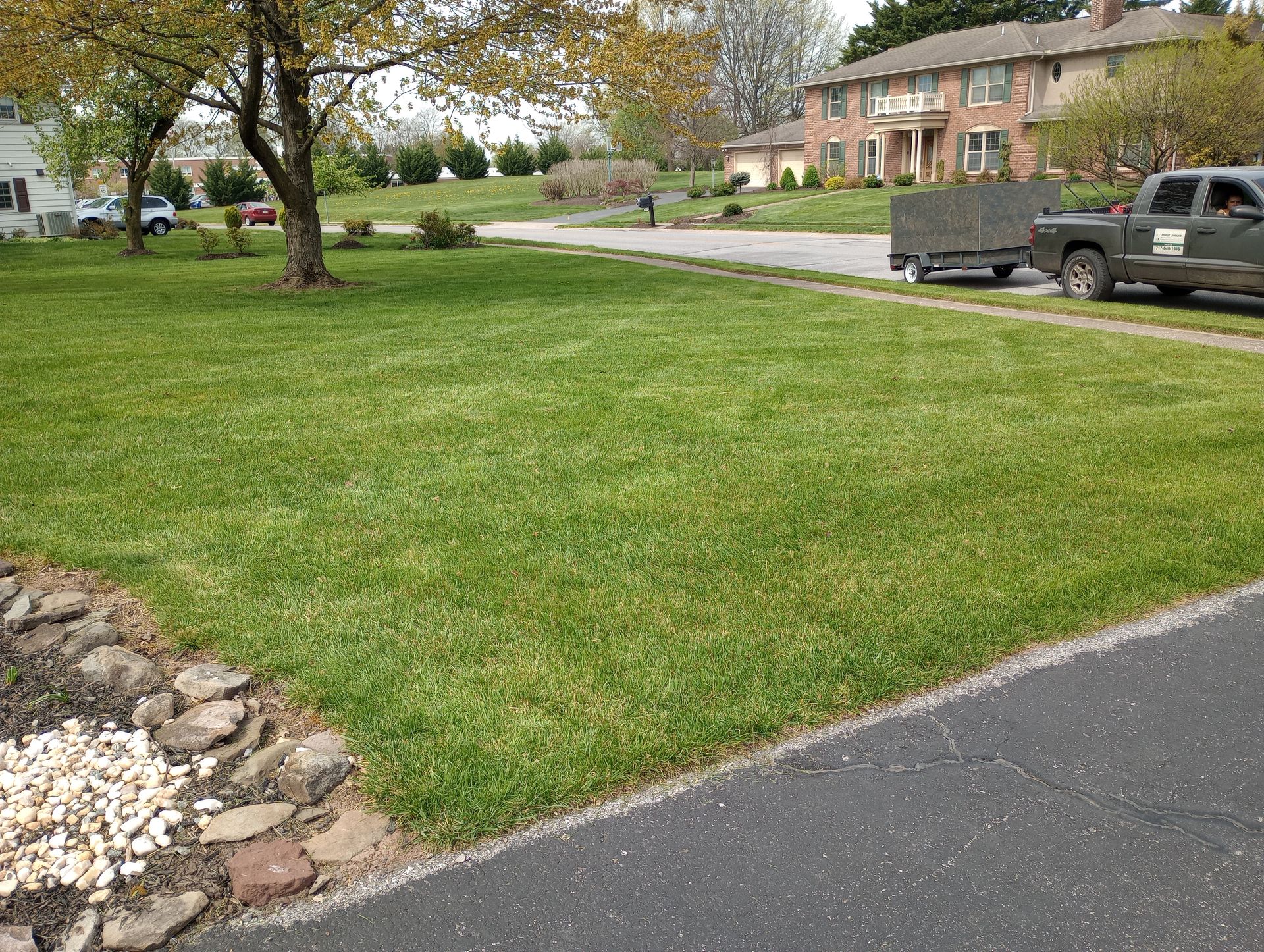
- Direct Service Signage: Keep an eye out for lawn service trucks parked in your immediate neighborhood. Contact the number on the vehicle directly to inquire about adding your address to their current neighborhood route.
Comparing Lawn Care Provider Types
Evaluating the trade-offs between different categories of providers helps balance cost savings with service quality and liability protection.
| Provider Category | Average Cost per Cut (1/4 Acre) | Pros | Cons | Ideal For |
|---|---|---|---|---|
| Independent Solo Operators | $30 – $50 | Low rates, direct communication, flexible scope | Variable reliability, limited machinery | Budget-conscious homeowners with standard yards |
| Regional Mid-Sized Crews | $40 – $65 | Professional equipment, backup crews, insured | Higher base prices, rigid scheduling | Homeowners needing consistent, reliable scheduling |
| National Lawn Franchises | $55 – $90+ | Standardized service, online portals, packaged add-ons | High minimum fees, upselling pressure, less customization | Large properties requiring full-scale chemical programs |
| Neighborhood Students / Gig Labor | $25 – $40 | Lowest overall cost, high availability | Uninsured, non-commercial equipment, seasonal turnover | Simple, small lawns with low complexity |
Vetting Low-Cost Lawn Services to Avoid Hidden Fees and Risks
Choosing an inexpensive lawn service should not mean exposing yourself to property damage liabilities or sudden price increases. Vetting low-cost contractors properly protects your property and wallet.
1. Verify General Liability Insurance
Even for simple mowing, accidents happen. A flying stone thrown by a commercial mower blade can shatter a sliding glass door or damage a parked vehicle. Always ask a prospective service provider if they carry General Liability Insurance. If an uninsured gig worker injures themselves or damages your property, financial liability could revert to your personal homeowner's insurance policy.
2. Clarify Overgrown Lawn Surcharges
If your lawn has gone uncut for several weeks, standard basic rates will not apply. Long grass requires double-mowing, discharge chute adjustments, or manual bagging. Ask contractors upfront about their overgrown grass policy to avoid surprising extra fees on your initial invoice.
3. Review Contract Terms and Cancellation Policies
Avoid long-term seasonal contracts that impose steep cancellation penalties. Reliable low-cost providers generally offer pay-as-you-go billing or simple month-to-month service agreements. Ensure the contract clearly outlines:
- Inclement weather reschedule protocols.
- Included services per visit (mowing, trimming, blowing).
- Payment terms (due upon completion, net-15, or automated card processing).
Frequently Asked Questions
What is the cheapest day of the week to get lawn care?
Lawn care providers generally maintain flat pricing regardless of the day of the week. However, requesting service on Tuesdays, Wednesdays, or Thursdays can sometimes yield better flexibility or minor rate adjustments. Mondays and Fridays are peak scheduling days for lawn companies preparing properties for the weekend or catching up from weekend weather delays.
How much should I pay for a 1/4 acre lawn cut?
As of 2026, standard basic lawn maintenance (mow, edge, trim, blow) for an easily accessible, flat quarter-acre yard typically costs between $35 and $55 per visit. Rates may increase if the property features steep slopes, complex flowerbed boundaries, or restricted gate access.
Is bi-weekly lawn mowing cheaper than weekly mowing?
Per visit, bi-weekly mowing usually costs slightly more (around 10% to 20% higher per cut) than weekly mowing because the taller grass takes longer to cut and generates more debris. However, on a total monthly basis, bi-weekly mowing is significantly cheaper because you are paying for two service visits per month instead of four.
Do small lawn care providers require a contract?
Many small, independent lawn care operators operate without formal annual contracts, offering simple pay-as-you-go or monthly service arrangements. Larger regional companies and national franchises are more likely to require seasonal service agreements.
What is included in basic lawn care?
Basic professional lawn care almost always consists of three core tasks: mowing the primary turf area, string-trimming (weed-eating) along fence lines, walls, and landscape borders, and blowing stray grass clippings off hard surfaces like driveways, sidewalks, and patios. Hard-edge trimming along concrete curbs with a steel blade is sometimes included or offered for a nominal add-on fee.
Next Steps to Secure Cheap Lawn Care
To secure the most affordable rates for your property without sacrificing reliability, take these practical steps today:
- Measure Your Turf Area: Use free online map measurement tools to calculate your actual lawn square footage (excluding your home footprint and driveway). Knowing your exact acreage prevents contractors from overestimating your lot size.
- Talk to Your Neighbors: Identify which lawn crews already operate on your block and ask neighboring homeowners if they would be open to a group pricing request.
- Gather Three Quotes: Request written estimates from at least two local independent solo operators and one mid-sized regional provider. Ensure each quote specifies the exact service scope (mow, trim, blow) and payment terms.
- Confirm Coverage: Request proof of general liability insurance before allowing any contractor or crew to operate power equipment on your property.
Image Gallery