Why Getting Life Insurance at Age 23 Is Not Stupid: A Financial Guide
Buying life insurance at age 23 is far from stupid—it is often one of the most strategic financial moves a young adult can make. At 23, exceptionally low statistical mortality risk grants access to the cheapest premium rates of your ad...
Buying life insurance at age 23 is far from stupid—it is often one of the most strategic financial moves a young adult can make. At 23, exceptionally low statistical mortality risk grants access to the cheapest premium rates of your adult life while locking in permanent insurability before potential health issues arise.
Contents
The Actuarial Rationale: Why Age 23 Is a Financial Sweet Spot
The primary mechanism governing life insurance pricing is risk assessment, known in the industry as actuarial underwriting. Insurance carriers set premiums based on life expectancy tables. At age 23, the statistical probability of dying within a 10-, 20-, or 30-year window is exceptionally low for non-smokers without major pre-existing conditions. As a result, insurance companies assign young applicants to their highest risk tiers—often labeled "Preferred Plus" or "Super Preferred"—which command the lowest monthly costs available in the commercial market.
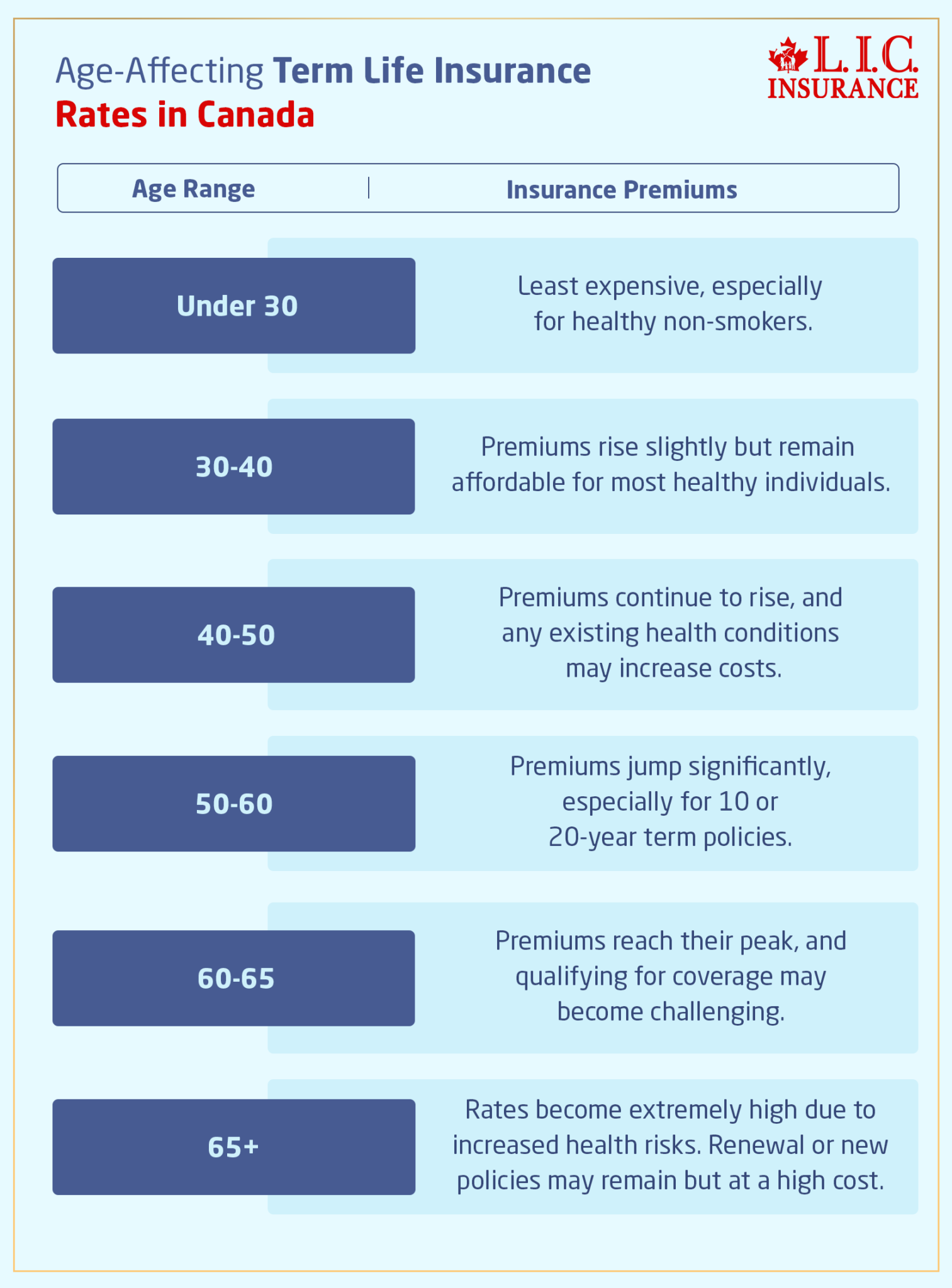
Many 23-year-olds assume that buying coverage early yields a poor return on investment because death feels decades away. However, life insurance policies do not adjust upwards in price as you age if you select a fixed-rate policy. A 30-year term policy established at age 23 locks in that low rate through age 53. Waiting until your 30s or 40s to buy the exact same coverage can result in premiums that are two to four times higher per month, costing thousands of dollars more over the life of the policy.
Furthermore, medical history accumulates over time. Conditions such as high blood pressure, elevated cholesterol, high body mass index (BMI), auto-immune disorders, or mental health diagnoses often manifest late in one's twenties or early thirties. Applying for life insurance at 23 allows you to undergo medical underwriting when your health profile is most likely clear, neutralizing the risk of future rates spiking due to unexpected medical diagnoses.
4 Scenario-Based Reasons to Buy Life Insurance at 23
While single, healthy 23-year-olds without children might question the necessity of an active policy, several real-world financial obligations make early coverage indispensable.
- Why Buy Life Insurance at 23?
- Protect Debt Cosigners
- Lock In Low Rates Early
- Guarantee Insurability
- Early Family Planning
1. Protecting Cosigners on Private Student Loans and Debts
Federal student loans generally feature death discharge provisions, meaning the debt is canceled if the primary borrower passes away. However, private student loans, private personal loans, auto loans, and mortgages operate under different contractual terms. Private lenders often require a parent, relative, or guardian to cosign the loan agreement.
If a borrower dies, private lenders have the legal right to seek immediate repayment from the surviving cosigner. For parents nearing retirement, absorbing $50,000 to $100,000 in private debt can be financially devastating. A modest life insurance policy naming the cosigner as the beneficiary eliminates this legal liability overnight.
2. Locking In Long-Term Rate Guarantees
Insurance costs increase predictably with every birthday. Actuarial data shows that insurance costs rise by approximately 8% to 12% for every year you delay purchasing coverage during your twenties and thirties, with rate increases accelerating past age 40. By purchasing a 20- or 30-year level term policy at age 23, you convert a potential future expense into a fixed, predictable line item in your monthly budget.
3. Hedging Against Future Uninsurability
Uninsurability occurs when a person develops a medical condition that causes insurance companies to deny coverage outright or charge prohibitively expensive premiums. Cancer, type 1 or type 2 diabetes, cardiovascular issues, or chronic neurological disorders can develop rapidly and without warning. Acquiring a policy at age 23 establishes a legal contract that the carrier cannot cancel as long as premiums are paid, regardless of how your health changes in the future.
4. Supporting Aging Parents or Dependents
Family structures vary widely. Many 23-year-olds already provide financial support to aging parents, younger siblings, or partners. If your household relies on your income to pay rent, utilities, or medical bills, your unexpected absence would create immediate financial distress. Life insurance replaces your economic value, offering a financial safety net to those who depend on your earning capacity.
Evaluating Coverage Options for Young Adults
Choosing the right structure is critical when shopping for coverage at 23. The market primarily offers term life insurance, permanent life insurance, and employer-sponsored group life coverage.
| Policy Type | Typical Monthly Cost (Age 23) | Coverage Duration | Cash Value Component | Portability | Best Suited For |
|---|---|---|---|---|---|
| Level Term Life | $15 – $30 per month | Fixed (10, 20, or 30 years) | None | Fully Portable | Income replacement, debt protection, high coverage needs |
| Employer Group Term | Free – $10 per month | Duration of employment | None | Lost upon job change | Supplemental baseline coverage |
| Whole Life (Permanent) | $150 – $300+ per month | Lifetime | Yes (Grows at fixed rate) | Fully Portable | Estate planning, high-net-worth liquidity, specialized tax planning |
| Universal Life | $100 – $250+ per month | Flexible / Lifetime | Yes (Variable growth options) | Fully Portable | Specialized wealth transfer, flexible premium needs |
Level Term Life Insurance
For the vast majority of 23-year-olds, level term life insurance is the most practical choice. Term insurance provides a specified death benefit for a predetermined number of years—typically 10, 20, or 30 years. The monthly premium remains completely static for the duration of the term.
Because term insurance lacks complex investment mechanisms, it provides the maximum amount of financial protection for the lowest possible cash outlay. A healthy 23-year-old non-smoker can frequently secure a 30-year, $500,000 term policy for under $30 per month. This straightforward protection covers the critical career-building decades when personal debt, mortgage obligations, and family costs are at their peak.
Permanent Life Insurance (Whole Life & Universal Life)
Permanent life insurance policies cover the insured for their entire lifespan and include a cash value accumulation component funded by a portion of the premium. While insurance agents frequently market permanent policies to young adults as "forced savings accounts" or investment vehicles, they are usually inefficient for average 23-year-olds.
Permanent policies carry premiums that are often 5 to 10 times higher than term policies for the same face value amount. At age 23, discretionary funds are generally far better utilized by maximizing contributions to tax-advantaged retirement accounts—such as a Roth IRA or an employer-matched 401(k)—where investment options typically yield higher historic returns with lower administrative fee drag.
Employer-Provided Group Life Insurance
Many companies offer free or low-cost group term life coverage as part of an employee benefits package, usually equal to one times the employee's annual salary. While accepting this benefit is a logical choice, relying on it as your sole source of coverage is a major strategic mistake.
Group life coverage is rarely portable. If you change employers, get laid off, or leave the workforce to pursue further education, your coverage terminates. If you develop a health condition while employed and subsequently leave the company, you may find yourself uninsurable in the individual market. Furthermore, a death benefit equal to a single year's salary is usually insufficient to cover long-term private debts or family support needs.
Strategic Riders to Consider at Age 23
When customizing an individual life insurance contract, policyholders can attach optional contractual provisions known as riders. For a 23-year-old applicant, three specific riders provide significant long-term value:
- Guaranteed Insurability Rider (GIR): This rider gives you the legal right to purchase additional life insurance coverage at specified future ages (e.g., ages 25, 28, 31, 34, 37, and 40) or after major life events (such as marriage or the birth of a child) without undergoing a new medical exam or proving insurability. If you develop a chronic illness at age 26, the GIR guarantees you can still expand your coverage later.
- Waiver of Premium Rider: If you become totally disabled due to injury or illness and cannot work, this rider waives your monthly policy premiums while keeping your insurance policy fully active. For a young adult whose primary asset is their future earning potential, this prevents policy lapse during catastrophic health events.
- Terminal / Accelerated Death Benefit Rider: Often included at little to no extra cost, this provision allows you to access a portion of your policy's death benefit while still living if a physician diagnoses you with a terminal illness with a limited life expectancy.
Common Misconceptions About Buying Coverage Young
Navigating life insurance requires filtering out several widespread financial myths that lead young adults to make suboptimal choices.
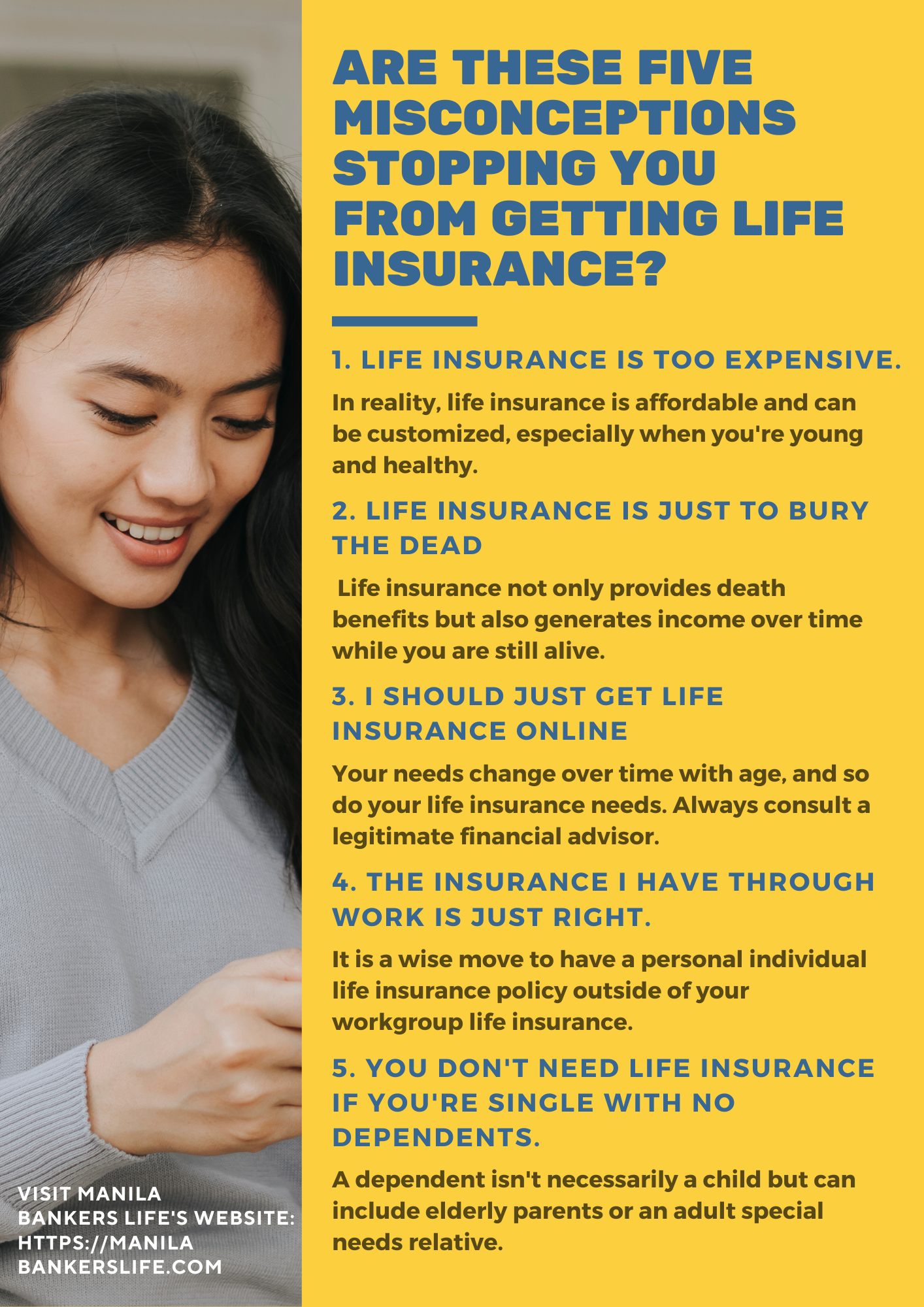
Myth 1: "I'm Too Young to Need Life Insurance"
This myth stems from confusing the need for coverage with the opportunity to secure coverage. While the risk of mortality at 23 is low, the cost efficiency of buying at 23 will never be repeated. Waiting until age 35 to buy coverage means paying elevated rates for every remaining year of your policy, while risking unexpected medical diagnoses that could make coverage expensive or impossible to obtain.
Myth 2: "Life Insurance Is Only for Married Couples and Parents"
While dependents increase the immediate need for income replacement, single individuals face real financial exposures. Cosigned private loans, burial and final expense burdens placed on parents, and the desire to lock in low rates ahead of future family plans make single coverage a rational risk management tool.
Myth 3: "Whole Life Insurance Is a Great Early Investment Strategy"
Financial commission structures incentivize sales agents to push whole life products to young professionals. For high-net-worth individuals who have exhausted all tax-advantaged accounts (Roth IRAs, 401(k)s, HSAs), permanent insurance can play a role in complex tax minimization. However, for the average 23-year-old, buying affordable term insurance and investing the difference directly into low-cost index funds generates significantly higher long-term wealth.
Step-by-Step Purchasing Strategy for Age 23
If you decide to secure life insurance at 23, follow this structured process to maximize your coverage value:
- Step-by-Step Application Process
- Calculate Needs (DIME Method)
- Select Term Length (20-Year or 30-Year Level Term)
- Compare Independent Quotes
- Complete Underwriting (Digital or Medical Exam)
- Finalize Beneficiaries & Policy Delivery
1. Calculate Your Actual Coverage Need
Avoid arbitrary numbers. Financial planners frequently use the DIME formula to calculate appropriate coverage:
- Debt: Total outstanding private student loans, credit lines, or shared debt.
- Income: Your current annual income multiplied by the number of years you want to replace it (typically 5 to 10 years).
- Mortgage: Remaining balance on any owned real estate.
- Education: Projected cost of future education expenses for current or planned children.
For a typical 23-year-old with $35,000 in cosigned private loans and a $50,000 annual salary, a policy between $250,000 and $500,000 provides robust protection without overextending monthly finances.
2. Choose the Proper Term Length
Select a term length that extends past your anticipated major financial liabilities. A 30-year term policy established at age 23 protects you until age 53—covering your prime working years, child-rearing period, and the duration of a standard home mortgage.
3. Shop Through an Independent Broker
Captive insurance agents sell products exclusively from a single company. Independent brokers, conversely, compare products across dozens of top-rated carriers. Look for carriers rated "A" or higher by independent rating agency A.M. Best to ensure the financial solvency of the company backing your policy.
4. Undergo the Underwriting Process
Complete the application honestly. You will answer detailed questions regarding your personal health history, family medical history, lifestyle habits (such as tobacco or dangerous sport usage), and driving record. Many carriers now offer expedited, accelerated underwriting for healthy 23-year-olds, eliminating the traditional blood draw and medical exam requirement.
Frequently Asked Questions
Is buying life insurance at age 23 really worth the money if I have no children?
Yes. Purchasing life insurance at age 23 protects cosigners on private debt, guarantees your future insurability before unexpected illnesses occur, and locks in the lowest possible monthly rates for the next 20 to 30 years.
How much does a $500,000 life insurance policy cost for a 23-year-old?
For a healthy, non-smoking 23-year-old, a 20-year or 30-year level term policy with a $500,000 death benefit generally costs between $18 and $30 per month, depending on exact underwriting classification and gender.
Should I choose term life or whole life insurance at age 23?
For almost all 23-year-olds, term life insurance is the superior choice. It offers maximum death benefit protection at a fraction of the cost of whole life. The money saved by buying term insurance can be invested in higher-yielding vehicles like IRAs or 401(k) accounts.
What happens to my policy if I change jobs?
An individual life insurance policy that you purchase independently stays with you regardless of your employment status. Unlike employer-provided group coverage, your personal term policy remains fully active as long as you continue paying your premiums.
Will past medical issues make insurance expensive at 23?
While past medical issues can impact your underwriting class, applying at age 23 is still advantageous. Younger applicants generally present fewer cumulative health complications than older applicants, making it easier to secure favorable terms even with minor health histories.
Summary and Next Steps
Securing life insurance at age 23 is a forward-thinking financial strategy, not a waste of capital. By purchasing coverage early, you take advantage of your optimal health status, protect family members from cosigned liabilities, and lock in low monthly expenses for up to three decades.
To take action, calculate your coverage needs using the DIME method, request quotes from multiple independent carriers rated A or better by A.M. Best, and opt for a 20- or 30-year level term policy with a guaranteed insurability rider.
Disclaimer: This guide is provided for educational and informational purposes only and does not constitute formal legal, tax, or financial advice. Consult a licensed financial professional or insurance producer to evaluate options specific to your individual financial situation and jurisdiction.
Image Gallery