The Nice Things People Do in Daily Life: Exploring Everyday Altruism and Prosocial Behavior
The nice things people do in daily life—often termed prosocial behaviors, everyday altruism, or micro-acts of kindness—comprise the spectrum of voluntary actions intended to benefit others without the expectation of material reward. Fr...
The nice things people do in daily life—often termed prosocial behaviors, everyday altruism, or micro-acts of kindness—comprise the spectrum of voluntary actions intended to benefit others without the expectation of material reward. From holding a door open for a stranger to checking in on an elderly neighbor, these seemingly minor gestures form the social fabric that sustains community cohesion, emotional well-being, and interpersonal trust across modern society.
Contents
The Psychology of Everyday Altruism
Understanding why individuals perform nice actions requires examining the interplay of evolutionary biology, social psychology, and neuroscience. Human beings are fundamentally a cooperative species. Throughout evolutionary history, survival depended heavily on group cohesion, shared resources, and mutual aid.
Modern psychological research indicates that everyday altruism is driven by both empathetic concern and cognitive processing. When a person observes someone in need or distress, mirror neurons in the brain fire, simulating the observed experience and generating empathy. This emotional resonance triggers a motivational state aimed at reducing the other person's discomfort.
Furthermore, engaging in regular prosocial behavior stimulates the brain's reward circuitry. The release of neurotransmitters such as dopamine, oxytocin, and endorphins creates what psychologists call the "helper's high." This biological response not only reinforces the behavior, making it more likely to recur, but also reduces stress levels and fosters a sense of personal purpose.
Categories of Daily Nice Actions
Everyday kindness manifests in numerous ways, ranging from spontaneous micro-interactions to structured community involvement. Categorizing these actions helps illustrate their diversity and impact on daily routines.
1. Spontaneous Micro-Gestures
These are brief, low-cost interactions with strangers or acquaintances that require minimal time but yield immediate emotional benefits. Examples include:
- Offering a sincere compliment to a retail worker or passerby.
- Allowing another driver to merge into heavy traffic with a wave and a smile.
- Returning a shopping cart to the corral for an overburdened shopper.
- Holding elevator doors or building entrances for someone approaching.
2. Relational and Domestic Support
Kindness within families, partnerships, and close friendships often takes the form of unheralded labor and emotional attentiveness. This includes:
- Preparing coffee or breakfast for a partner before they wake up.
- Sending an unexpected text message checking in on a friend going through a busy week.
- Handling household chores that typically fall to someone else without being asked.
- Actively listening without offering unsolicited advice when a loved one needs to vent.
3. Community-Minded Citizenship
These actions reflect civic responsibility and consideration for shared public spaces and collective well-being:
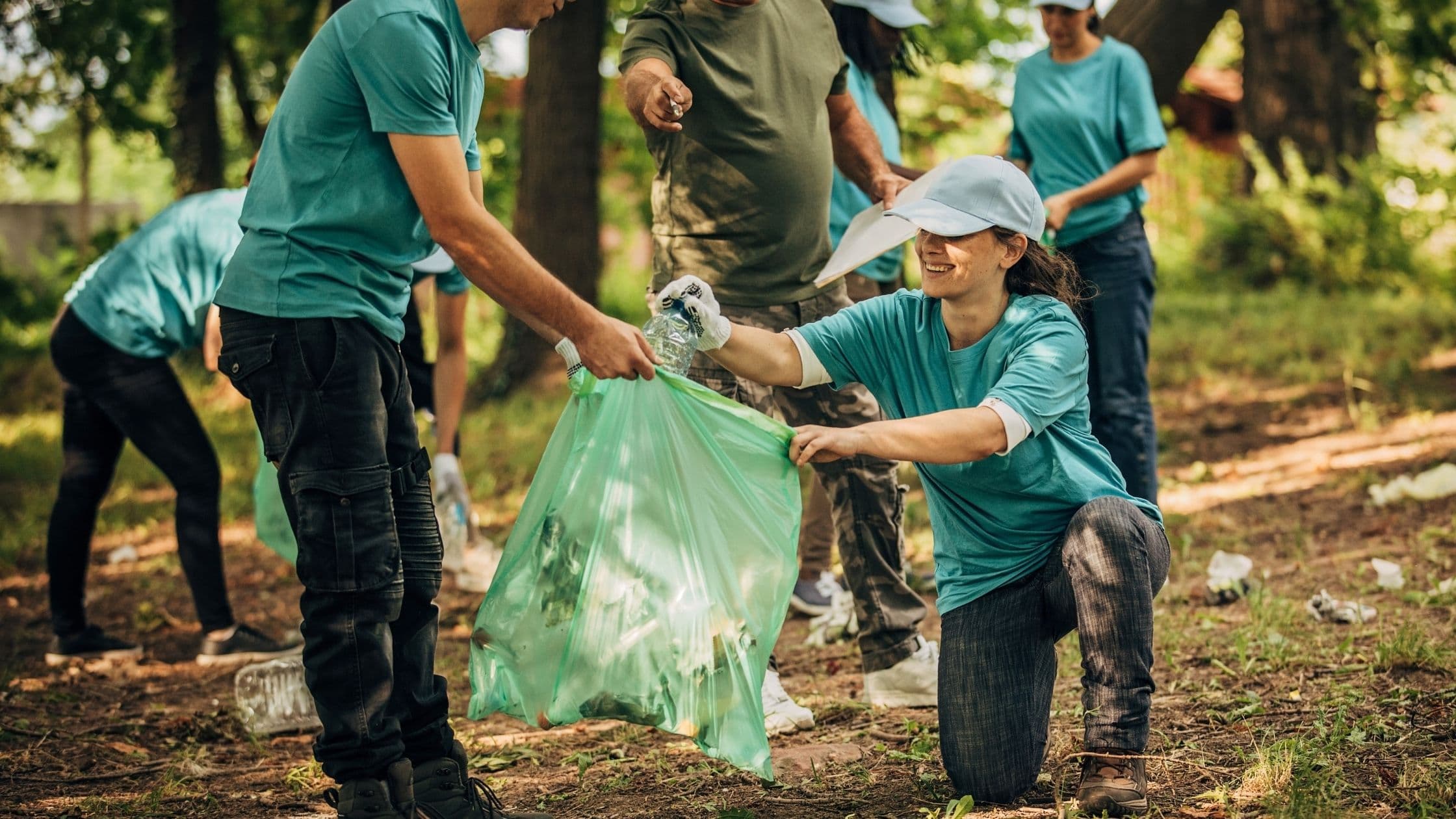
- Picking up litter in a neighborhood park or outside an office building.
- Donating non-perishable food items to local pantries during routine grocery trips.
- Volunteering time at a local shelter, animal rescue, or school program.
- Offering professional advice or mentorship to junior colleagues or community members.
The Ripple Effect: Social and Health Impacts
The consequences of daily nice actions extend far beyond the immediate moment of interaction. Research in sociology and public health demonstrates that prosocial behavior generates significant positive externalities for both the giver and the receiver, as well as the broader community.
| Dimension | Impact on Receiver | Impact on Giver | Community Impact |
|---|---|---|---|
| Emotional | Reduces feelings of isolation; validates personal dignity and worth. | Increases subjective well-being and life satisfaction; lowers depressive symptoms. | Fosters a welcoming, lower-stress public atmosphere. |
| Physical | Lowers acute stress responses; encourages feelings of safety. | Lowers blood pressure and reduces chronic inflammation over time. | Strengthens social capital and public health resilience. |
| Behavioral | Inspires the receiver to perform acts of kindness for others (pay-it-forward effect). | Builds durable social networks and cooperative problem-solving skills. | Reduces rates of antisocial behavior and community conflict. |
The "pay-it-forward" effect is particularly well-documented. When an individual experiences an act of kindness, they are statistically more likely to perform a subsequent prosocial act toward a third party. This creates a cascading behavioral chain that can transform the culture of an entire workplace, neighborhood, or organization.
Overcoming Barriers to Daily Kindness
Despite the proven benefits of nice actions, individuals frequently encounter psychological and environmental barriers that inhibit prosocial behavior in daily life. Recognizing these obstacles is the first step toward overcoming them.
The Bystander Effect and Diffusion of Responsibility
In crowded public settings, individuals often assume that someone else will intervene or assist a person in need. Overcoming this requires conscious mindfulness—deliberately choosing to act as a primary responder rather than waiting for social cues from the crowd.
Time Scarcity and Cognitive Load
Modern fast-paced environments, characterized by demanding work schedules and constant digital connectivity, narrow human attentional focus. When individuals feel rushed, their cognitive bandwidth focuses inward on personal goals, reducing situational awareness of others' needs. Countering this requires intentional pacing and carving out mental space for situational awareness.
Social Anxiety and Fear of Rejection
Some individuals hesitate to offer help or compliments due to fear of misinterpretation, awkwardness, or rejection. Starting with low-stakes interactions—such as smiling at a neighbor or thanking a service worker—gradually builds social confidence and normalizes prosocial risk-taking.
Practical Strategies for Cultivating Everyday Kindness
Integrating consistent kindness into a daily routine does not require grand gestures or vast financial resources. Small, intentional adjustments can make prosocial behavior a natural habit.
- Morning Intention Setting: Spend two minutes each morning identifying one small way to brighten someone else's day, whether through a supportive text, patience in traffic, or a warm greeting.
- Mindful Observation: During commutes or grocery shopping, actively look past personal screens and devices to observe the people nearby. Notice who might need a seat, assistance, or simply a patient interaction.
- Gratitude Expression: Make it a practice to explicitly thank people whose labor often goes unnoticed, such as janitorial staff, delivery drivers, and administrative personnel.
- Digital Kindness: Use social media and messaging platforms to uplift others, share helpful resources, or publicly acknowledge colleagues' hard work.
Frequently Asked Questions
What differentiates everyday nice actions from formal volunteering?
Everyday nice actions are spontaneous, informal, and embedded within routine daily activities, requiring little to no institutional organization. Formal volunteering involves scheduled commitments, designated organizations, and structured roles. Both forms of prosocial behavior contribute to community health, but daily micro-acts provide continuous emotional touchpoints.
Can forced or habitual kindness still feel genuine?
Yes. Behavioral psychology shows that acting kindly, even when initially prompted by routine or conscious effort, generates authentic positive emotional feedback loops. Over time, consistent practice transforms intentional actions into ingrained behavioral habits and genuine empathetic responses.
How do nice actions affect workplace productivity?
Workplaces characterized by frequent peer support, mutual recognition, and small acts of helpfulness typically exhibit higher employee retention, lower burnout rates, and improved collaborative problem-solving. Prosocial environments build psychological safety, encouraging innovation and open communication.
Are there cultural differences in how daily nice actions are expressed?
While the fundamental human impulse toward prosociality is universal, cultural norms dictate the specific forms it takes. In some cultures, kindness is expressed through elaborate hospitality and communal food sharing, while in others, it emphasizes respect for personal space, punctuality, and efficient public cooperation.
What should I do if my offer of help is rejected?
Politely acknowledge the rejection without taking it personally. Individuals may decline help due to privacy concerns, pride, or stress. Respecting their boundary is itself an act of consideration and kindness.
Conclusion and Next Actions
The nice things people do in daily life are not merely pleasant social ornaments; they are vital components of human health, psychological resilience, and social stability. By understanding the underlying psychology of altruism and actively dismantling personal barriers like time scarcity and social anxiety, individuals can transform routine interactions into opportunities for meaningful connection. Start tomorrow morning by selecting one micro-gesture—such as a genuine expression of gratitude to a colleague or neighbor—and observe the immediate ripple effects on your environment and your own well-being.
Image Gallery