The Azzurri Meaning in Italian Football: History, Symbolism, and Legacy
In Italian football, The Azzurri (the plural form of azzurro, meaning light blue) is the official nickname of the Italian national football team. This moniker stems from the Savoy Blue jerseys worn by the players, a color historically...
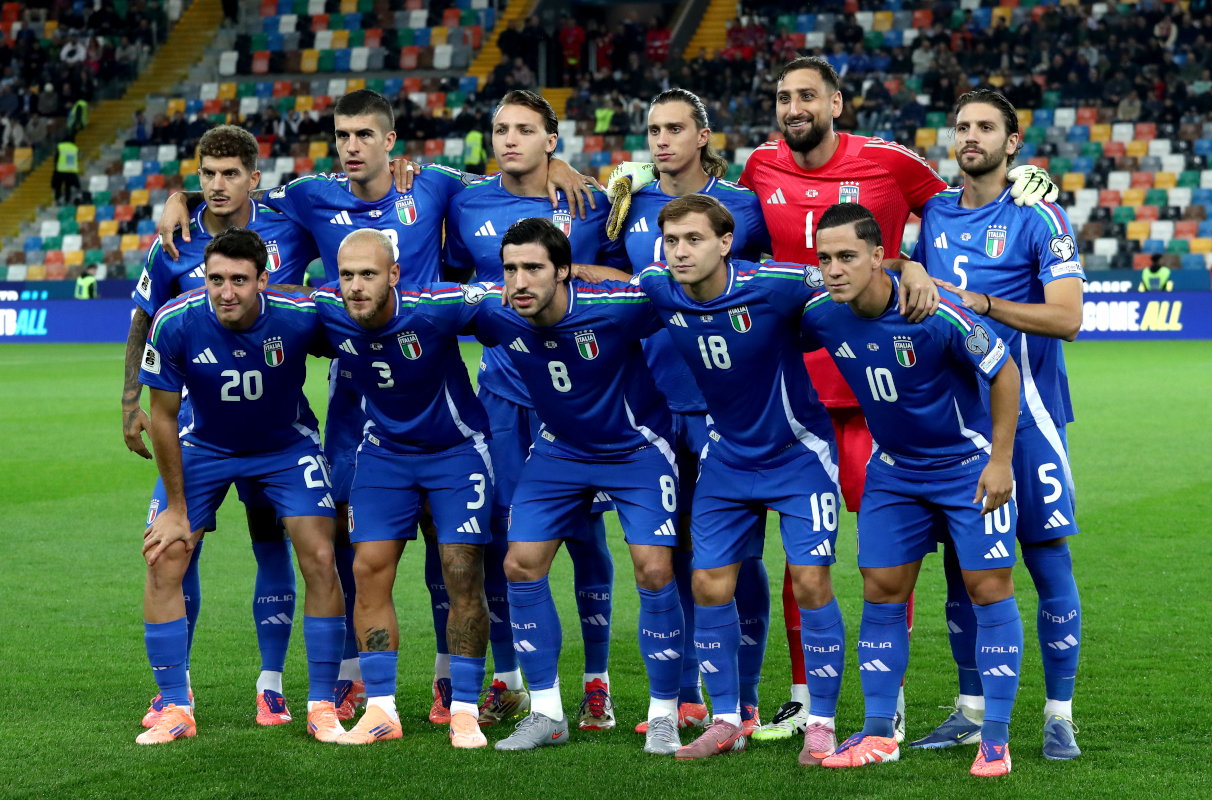
In Italian football, The Azzurri (the plural form of azzurro, meaning light blue) is the official nickname of the Italian national football team. This moniker stems from the Savoy Blue jerseys worn by the players, a color historically associated with the House of Savoy, the royal dynasty that unified Italy in 1861.
Contents
The Etymology and Cultural Significance of Azzurro
To understand the weight of the name, one must first look at the Italian language. While the English language often groups various shades under the umbrella of "blue," Italian makes a sharp distinction between blu (dark blue) and azzurro (a lighter, more vibrant azure). In the context of Italian sports, azzurro is not merely a color; it is a symbol of national identity that transcends the specific pigments used on a jersey.
The term Azzurri is used collectively to describe the men’s national football team, while the women’s team is known as Le Azzurre. Youth teams are frequently referred to as the Azzurrini (the little blues). This naming convention is so deeply ingrained in the national psyche that it has been adopted by almost every Italian national sports representative, from basketball and rugby to volleyball and athletics. When an athlete "indossa la maglia azzurra" (wears the blue jersey), they are considered to be reaching the pinnacle of their professional career, representing the entire Mediterranean nation.
The Historical Origin: Why Blue?
A common question among casual observers is why the Italian national team wears blue when the Italian flag consists of green, white, and red. The answer lies in the heraldic history of the Italian monarchy.
The Debut in White
The Italian national team did not start its journey in blue. In their first official international match, played on May 15, 1910, against France at the Arena Civica in Milan, the Italians wore white shirts. Contrary to some myths suggesting this was due to a lack of funds, historical records from the Federazione Italiana Giuoco Calcio (FIGC) indicate that white was chosen because it was considered neutral. At the time, the federation had not yet settled on a definitive national color, and white provided a clean, professional appearance.
The Transition to Savoy Blue
The shift to blue occurred on January 6, 1911, during a match against Hungary in Milan. The choice of blue was a tribute to the House of Savoy (Casa Savoia). Specifically, the shade used was blu Savoia, a color that had been used on the borders of the royal flag and the sashes of royal officers since the 14th century.
The House of Savoy reigned over the Kingdom of Italy from the unification until 1946. Even after Italy transitioned to a Republic following World War II and the royal family was exiled, the color blue remained. It had become so synonymous with Italian sporting excellence and national unity that there was no serious political appetite to change it to the colors of the tricolor flag.
The Evolution of the Azzurri Kit and Crest
Over the decades, the "Azzurri" identity has been visually represented through various iterations of the kit. While the primary color remains constant, the technical specifications and accompanying symbols have evolved to reflect the political and cultural climate of the era.
The Crest and the Scudetto
The most significant symbol on the Azzurri jersey is the Scudetto (shield). Originally, the jersey featured the cross of the House of Savoy—a white cross on a red shield. During the Fascist era in the 1920s and 30s, the fascio littorio (fasces) was added alongside the traditional symbols.
Following the birth of the Republic in 1946, the royal symbols were replaced by the Tricolore (the green, white, and red flag). In modern times, the crest has evolved into a sophisticated logo managed by the FIGC, often incorporating four stars to represent Italy’s four FIFA World Cup titles (1934, 1938, 1982, and 2006).
Technical Specifications and Manufacturers
As of 2026, the technical partnership for the Azzurri is held by Adidas, which took over from Puma in 2023. The 2026 kits utilize advanced Primeblue materials and Heat.Rdy technology to optimize performance in the varied climates of international tournaments.
| Era | Primary Manufacturer | Notable Achievement | Jersey Characteristics |
|---|---|---|---|
| 1930s | Local Manufacturers | 1934, 1938 World Cup Winners | Heavy cotton, lace-up collars, Savoy Cross |
| 1970s | Ennerre / Adidas | 1970 World Cup Runners-up | Slim fit, minimalist design, no manufacturer logo |
| 1982 | Le Coq Sportif | 1982 World Cup Winners | Classic polo collar, tricolor trim on sleeves |
| 1990s | Diadora / Nike | 1994 World Cup Runners-up | Oversized fits, sublimated patterns, "Italia" text |
| 2000s | Kappa / Puma | 2006 World Cup Winners | "Kombat" skin-tight tech, minimalist aesthetic |
| 2020s | Puma / Adidas | Euro 2020 Winners | Renaissance-inspired patterns, sustainable fabrics |
Tactical Identity: The Philosophy of the Azzurri
The name "Azzurri" carries a specific tactical connotation in the football world. For much of the 20th century, the Italian national team was defined by Catenaccio (The Door Bolt). This defensive philosophy emphasized a strong "libero" (sweeper), disciplined man-marking, and lethal counter-attacks.
However, the modern Azzurri identity has shifted. Since the late 2010s and through the 2026 cycle, Italy has moved toward a more proactive, possession-based style of play. This evolution has proved that the "Azzurri" can be as aesthetically pleasing in attack as they are resilient in defense. The term now represents a balance of traditional tactical intelligence (furbizia) and contemporary technical fluidity.
Defining Moments: When the Blue Defined the Nation
Several historical milestones have cemented the "Azzurri" as a global footballing powerhouse.
- The Pozzo Era (1934-1938): Under coach Vittorio Pozzo, the Azzurri became the first team to win consecutive World Cups. This era established the team as a symbol of national pride and resilience.
- The 1982 Resurrection: After a slow start in Spain, the Azzurri, led by Paolo Rossi, defeated giants like Brazil, Argentina, and West Germany. This tournament is often cited as the moment that reunited a politically fractured Italy.
- The 2006 Berlin Triumph: Amidst the "Calciopoli" domestic scandal, the team showed incredible mental fortitude to win their fourth star. The image of Fabio Cannavaro lifting the trophy in a blue jersey remains an iconic sporting image.
- The Wembley Final (Euro 2020): Played in 2021, this victory marked Italy's return to the top of European football, defeating England on penalties. It showcased a "New Azzurri" that played with joy and offensive intent.
The Global Influence of the Azzurri Brand
The "Azzurri" name is one of the most marketable brands in global sports. According to FIFA marketing reports, the Italian national jersey is consistently among the top five best-selling international kits globally. The blue color is associated with elegance, style, and "Made in Italy" quality.
This brand power extends beyond the pitch. High-fashion houses like Giorgio Armani have frequently designed the formal off-pitch uniforms for the team, reinforcing the connection between the Azzurri and Italian excellence in design and culture.
Frequently Asked Questions
Why is the Italian team called Azzurri if their flag is not blue?
The color blue (Savoy Blue) was the official color of the House of Savoy, the royal family that ruled Italy when the national football team was formed. Although Italy became a republic in 1946, the tradition of wearing blue was maintained due to its established identity in international sports.
Does the shade of blue change?
Yes. Over the years, the shade of azzurro has fluctuated. In the 1930s, it was often a darker, more saturated blue. In the 1990s, some kits featured a lighter, almost metallic azure. Recent designs by Adidas in 2026 have returned to a classic "Savoy Blue" that balances traditional depth with modern vibrancy.
Who are the "Azzurrini"?
"Azzurrini" is the nickname for the Italian Under-21 and other youth national teams. It is a diminutive of "Azzurri," signifying that these players are the future stars of the senior national team.
Is the term Azzurri used for other sports?
Yes. Every Italian national representative team, regardless of the sport, is referred to as "Gli Azzurri." This includes the national teams for rugby, basketball, volleyball, and even individual athletes in the Olympics.
Why did Italy wear black jerseys in 1938?
During the 1938 World Cup in France, under the orders of Benito Mussolini, the Italian team wore an all-black kit (maglia nera) in a match against the host nation. This was a political statement representing the Fascist paramilitary "Blackshirts." This remains a controversial chapter in the team's history, and the team returned to blue immediately after the tournament.
Summary of the Azzurri Legacy
The "Azzurri" meaning in Italian football is a complex tapestry of royal heritage, linguistic nuance, and sporting dominance. It represents a nation that views football not just as a game, but as an art form and a pillar of social cohesion. Whether the team is playing in a World Cup final or a friendly match, the blue jersey serves as a reminder of Italy's storied past and its ongoing commitment to excellence on the world stage.
For fans and analysts in 2026, the Azzurri remain a benchmark of tactical sophistication. To support the Azzurri is to embrace a legacy that spans over a century of triumphs, heartbreaks, and the unwavering pursuit of the "quarto d'ora azzurro"—that magical fifteen minutes where Italian football reaches its unstoppable peak.
Image Gallery