The History of Wade in the Water Through Time
"Wade in the Water" is a foundational spiritual of the African American tradition that has evolved across centuries from a functional plantation song into a civil rights anthem and a globally recognized standard of American gospel and...
"Wade in the Water" is a foundational spiritual of the African American tradition that has evolved across centuries from a functional plantation song into a civil rights anthem and a globally recognized standard of American gospel and folk music.
Contents
Origins and Antebellum Roots
To understand the history of "Wade in the Water" through time, one must examine its genesis in the antebellum American South. Enslaved African Americans composed spirituals as expressions of religious faith, endurance, and communal resilience under the brutal conditions of chattel slavery. While many spirituals adapted biblical narratives to articulate hope for spiritual salvation, musicologists and historians have long documented how these songs frequently served practical functions within the enslaved community.
The text and melody of "Wade in the Water" incorporate biblical imagery, most notably drawing from the Old Testament story of the Israelites crossing the Red Sea, as well as New Testament accounts of baptism and healing waters. However, oral histories and historical analyses suggest that songs like "Wade in the Water" functioned within a sophisticated network of coded communication. Enslaved people used spirituals to pass messages regarding clandestine meetings, religious gatherings, and strategies for escape along paths that would later become known collectively as the Underground Railroad.
A prominent historical theory, supported by abolitionist accounts and folklore collected in the 19th and early 20th centuries, indicates that the instruction to "wade in the water" served as a tactical directive for freedom seekers. Slave catchers and their tracking hounds relied heavily on scent to pursue runaways. By walking directly through rivers, streams, or marshlands, escapees could effectively throw hounds off their scent trail. In this context, singing or humming the spiritual served as an auditory warning or an instructional mnemonic for individuals planning or executing an escape. While contemporary scholarship continues to debate the exact prevalence of these coded topographical directions versus purely spiritual expressions, the dual nature of the song as both a hymn of spiritual deliverance and a song of earthly liberation remains a defining characteristic of its antebellum era.
Collection, Transcription, and Early Publication
As the American Civil War drew to a close and the Reconstruction era began, folklorists and abolitionists recognized the urgent need to preserve the oral traditions of formerly enslaved people before they faded away. This cultural preservation effort marked the transition of "Wade in the Water" from an exclusively localized oral tradition into the written and published historical record.
The earliest documented print appearances of spirituals emerged during and immediately after the Civil War. Collections such as Slave Songs of the United States, published in 1867 by William Francis Allen, Charles Pickard Ware, and Lucy McKim Garrison, played a pivotal role in transcribing these melodies for a broader national and international audience. Although "Wade in the Water" did not appear in every early compilation, variant stanzas and related water-themed spirituals were recorded across coastal and inland plantation regions in states like South Carolina, Georgia, and Maryland.
During the late 19th and early 20th centuries, the Fisk Jubilee Singers—a troupe of students and faculty members from Fisk University in Nashville, Tennessee—popularized African American spirituals globally. Through concert tours across the United States and Europe, the Jubilee Singers introduced formal arrangements of spirituals to white and international audiences. By presenting these songs in polished, four-part choral harmony, they elevated the status of the spiritual as a sophisticated and vital art form, ensuring that pieces like "Wade in the Water" entered the repertoires of academic choirs, church ensembles, and cultural institutions.
Evolution in the 20th Century: Recording Era and the Civil Rights Movement
The 20th century witnessed the transformation of "Wade in the Water" from choral arrangements into commercial recordings, folk revivals, and socio-political mobilization. This period diversified the song's stylistic interpretations and cemented its place in American cultural history.
Early Commercial Recordings and Gospel Traditions
With the advent of the commercial recording industry in the 1920s and the subsequent rise of race records, gospel quartets and traditional church choirs began recording spirituals for commercial distribution. Artists working within the traditional a cappella and jubilee quartet styles recorded variants of the song throughout the 1920s and 1930s. Later, during the golden age of gospel music in the 1940s and 1950s, prominent artists incorporated instrumental accompaniment, driving rhythms, and dynamic vocal arrangements that transformed the solemn spiritual into an energetic testimony of faith.
The Folk Music Revival of the Mid-20th Century
As the American folk music revival gathered momentum in the 1950s and 1960s, urban folk revivalists, blues musicians, and jazz artists adopted "Wade in the Water" into their repertoires. The song's modal melody and adaptable structure made it an ideal vehicle for acoustic interpretation, protest singing, and improvisational jazz. Notable recordings from this era demonstrated the song's genre-crossing appeal, bridging traditional gospel with secular folk and jazz idioms.
The Civil Rights Movement
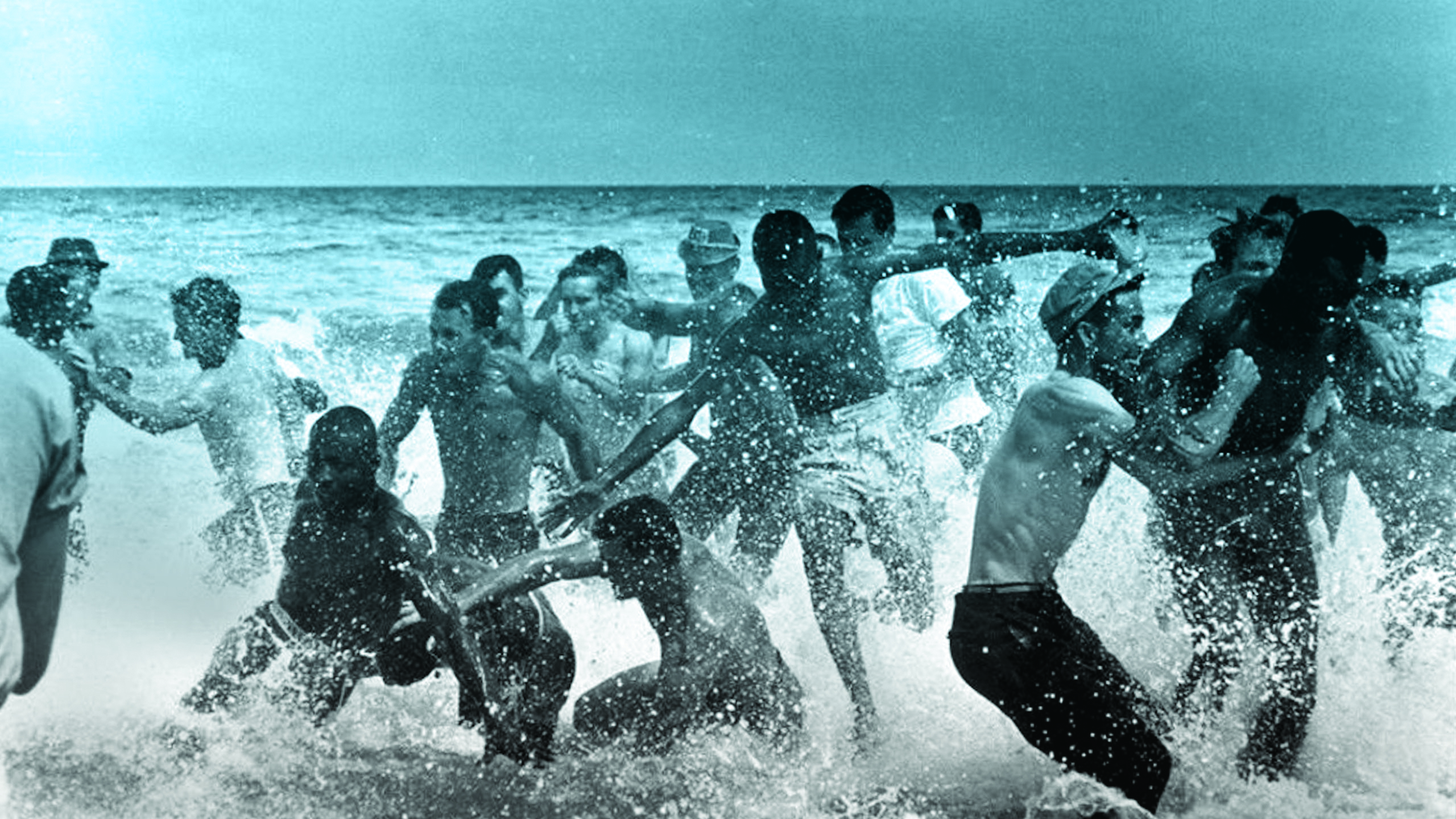
During the height of the Civil Rights Movement in the 1960s, "Wade in the Water" experienced a profound resurgence. Activists, freedom riders, and movement singers adapted traditional spirituals to fortify morale during marches, sit-ins, and periods of incarceration. The phrase "God's gonna trouble the water" resonated deeply with individuals confronting systemic violence, police brutality, and institutionalized segregation. Singing these anthems provided psychological fortitude and fostered solidarity among activists facing high-stakes confrontations across the American South.
Musical Evolution and Comparative Analysis of Versions
Over time, "Wade in the Water" has been interpreted by a diverse array of artists across multiple genres. Examining these stylistic shifts reveals how a single traditional melody can be reimagined while retaining its emotional core.
| Era / Movement | Primary Style | Notable Approach / Instrumentation | Cultural Function |
|---|---|---|---|
| Antebellum Era | Oral Traditional / Field Spiritual | A cappella, call-and-response, modal singing | Spiritual comfort; potential tactical navigation for escape |
| Post-Civil War | Choral / Concert Spiritual | Four-part European classical harmony | Cultural preservation; elevation of African American art forms |
| Mid-20th Century | Gospel & Folk Revival | Acoustic guitar, piano, or full band arrangements | Commercial entertainment; community identity; artistic expression |
| Civil Rights Era | Protest & Freedom Song | Group unison singing, adapted lyrics | Solidarity; morale boosting; public demonstration |
| Modern Era | Contemporary Jazz & Fusion | Horn sections, electric bass, complex improvisation | Artistic reinvention; historical homage |
The table above illustrates the trajectory of the song from communal survival mechanism to polished concert piece, protest anthem, and modern musical standard. Each era imprinted distinct stylistic markers onto the composition without erasing its historical foundation.
Legacy and Contemporary Cultural Resonance
In the 21st century, "Wade in the Water" remains a cornerstone of American musical heritage. It is frequently taught in school music curricula, performed by professional symphony orchestras and gospel choirs, and studied by historians examining the intersection of art, resistance, and spirituality.
The song's enduring presence in modern media, theatrical productions, and academic research ensures that successive generations encounter its history. Whether analyzed as a masterpiece of spiritual expression, a historical artifact of the Underground Railroad, or a battle hymn of the Civil Rights Movement, "Wade in the Water" continues to resonate as a testament to human endurance, creativity, and the pursuit of freedom.
Frequently Asked Questions
What is the primary historical meaning of "Wade in the Water"?
The song carries dual meanings: it is a traditional Christian spiritual expressing faith, baptism, and divine deliverance, and it holds deep historical association with the Underground Railroad, where it symbolized instructions for escaping enslaved people to elude tracking hounds by walking through water.
When was "Wade in the Water" first published?
While variant stanzas and related water spirituals appeared in early post-Civil War collections such as Slave Songs of the United States (1867), the specific modern form of the song was disseminated widely through choral arrangements published in the late 19th and early 20th centuries by groups like the Fisk Jubilee Singers.
Who originally wrote "Wade in the Water"?
Like the vast majority of traditional African American spirituals, "Wade in the Water" has no single documented author. It was created collectively and transmitted orally by enslaved African Americans over generations, evolving through communal performance before being transcribed and recorded by later artists.
How was the song used during the Civil Rights Movement?
During the 1960s civil rights campaigns, activists and freedom singers adapted traditional spirituals like "Wade in the Water" to sustain morale, foster unity, and express nonviolent resolve during marches, protests, and encounters with law enforcement.
Where can I find authentic early recordings of the song?
Archival recordings of traditional gospel quartets and folk artists performing "Wade in the Water" are preserved in collections such as the Archive of Folk Culture at the Library of Congress and through academic musicology databases dedicated to early American recorded sound.
Conclusion and Next Actions
To deepen your understanding of "Wade in the Water," explore primary source documents housed in the Library of Congress's American Folklife Center or listen to field recordings from mid-20th-century folk music collections. Examining these historical archives provides direct insight into the voices and traditions that shaped this American masterpiece.
Image Gallery