Understanding the Xcel Solutions Group Life Insurance Study Materials and Quizlet Resources
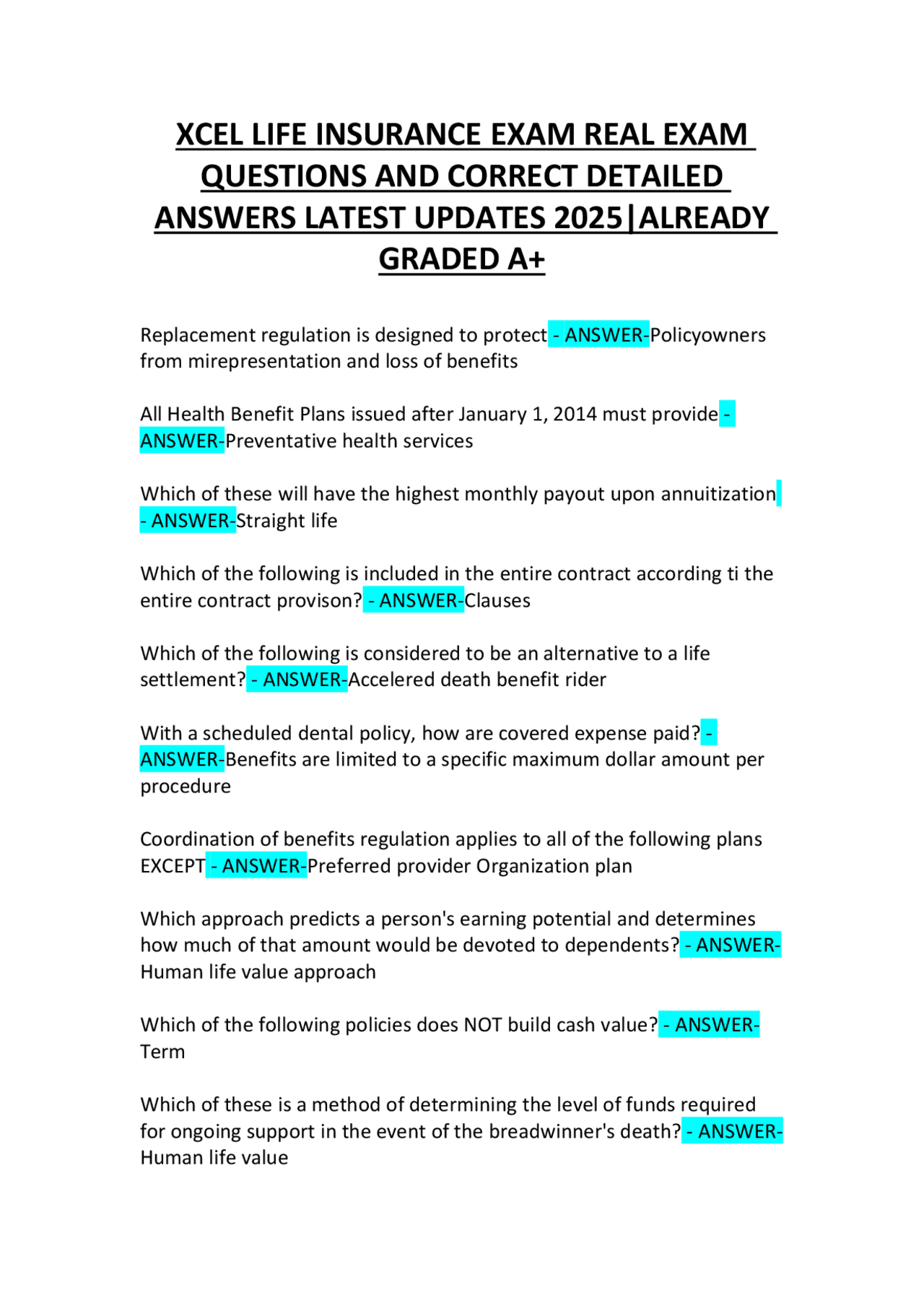
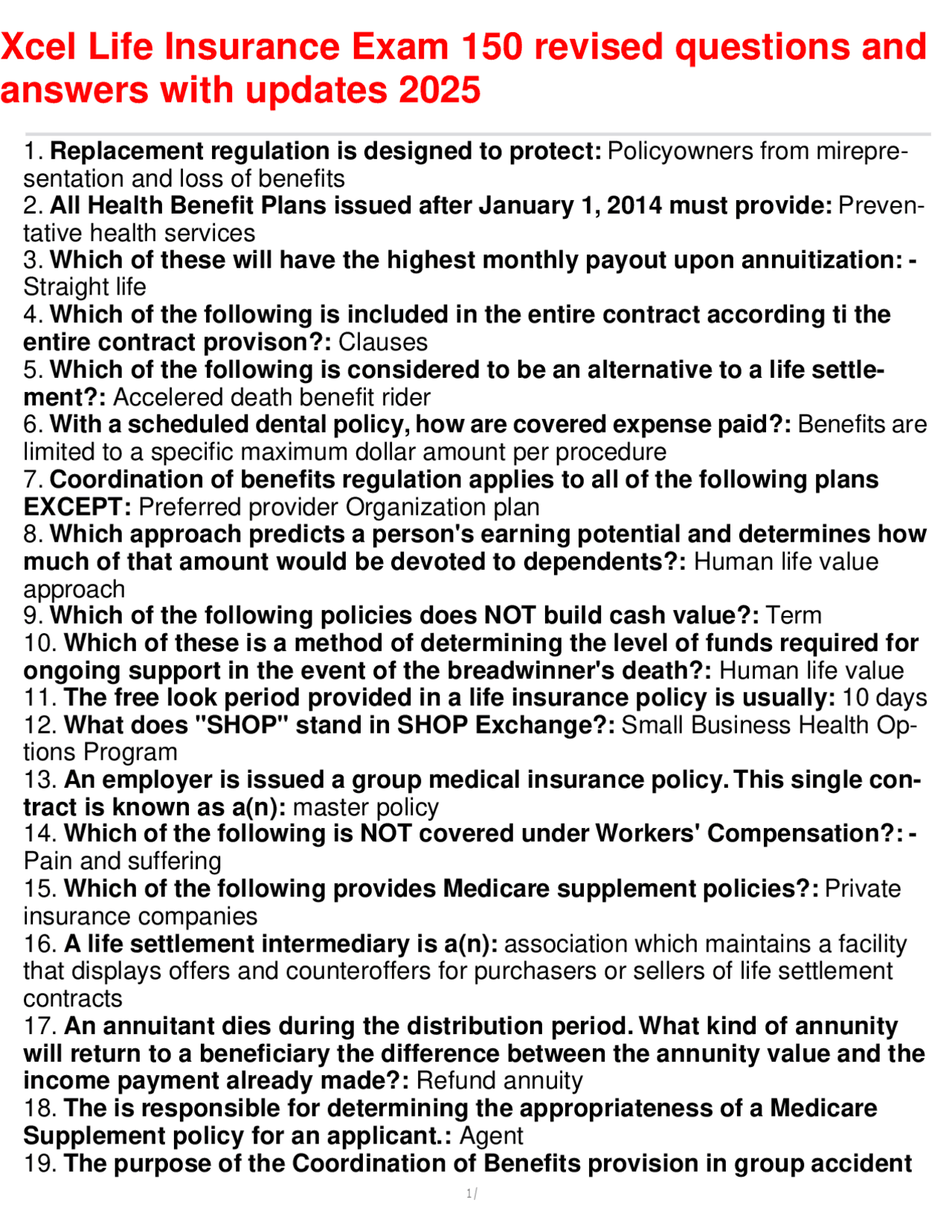
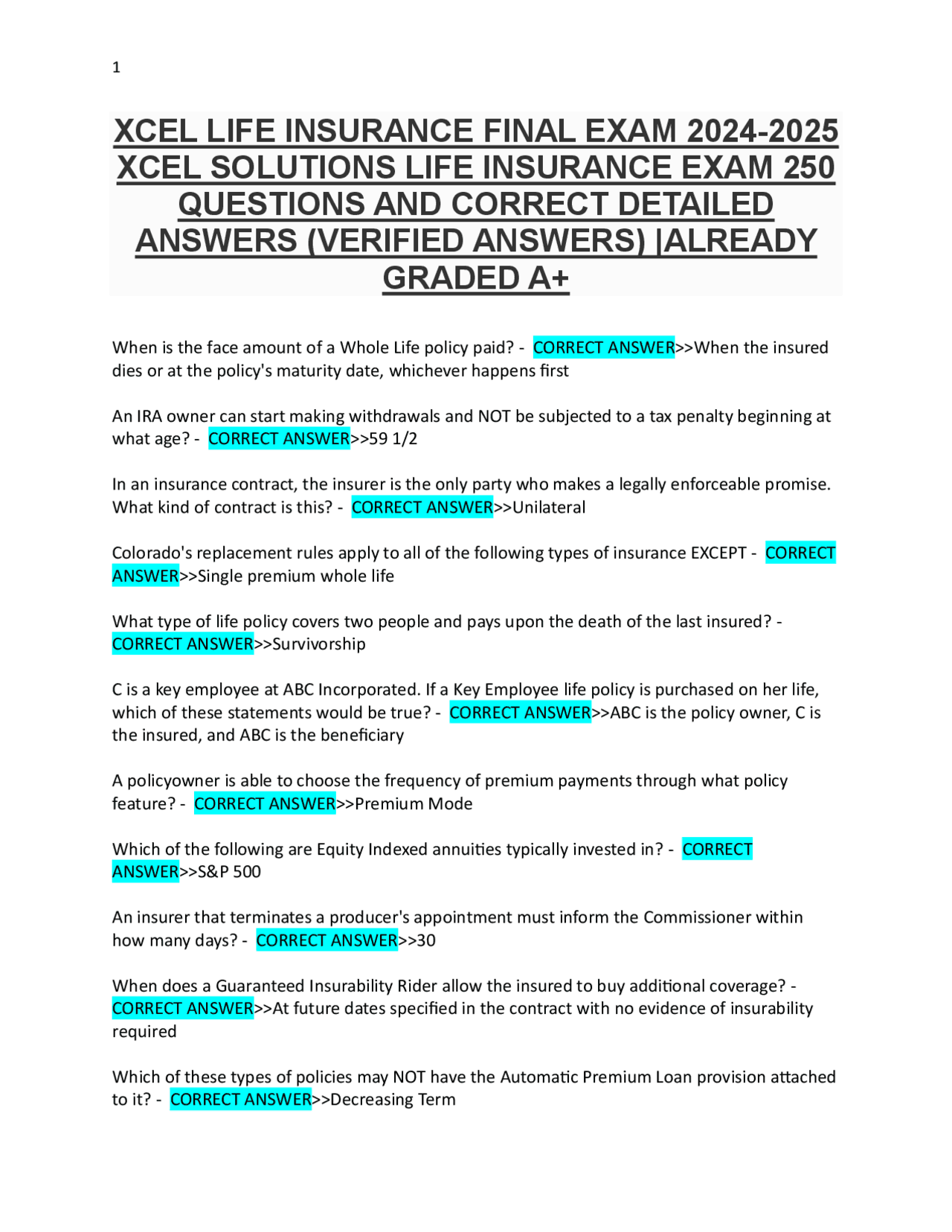
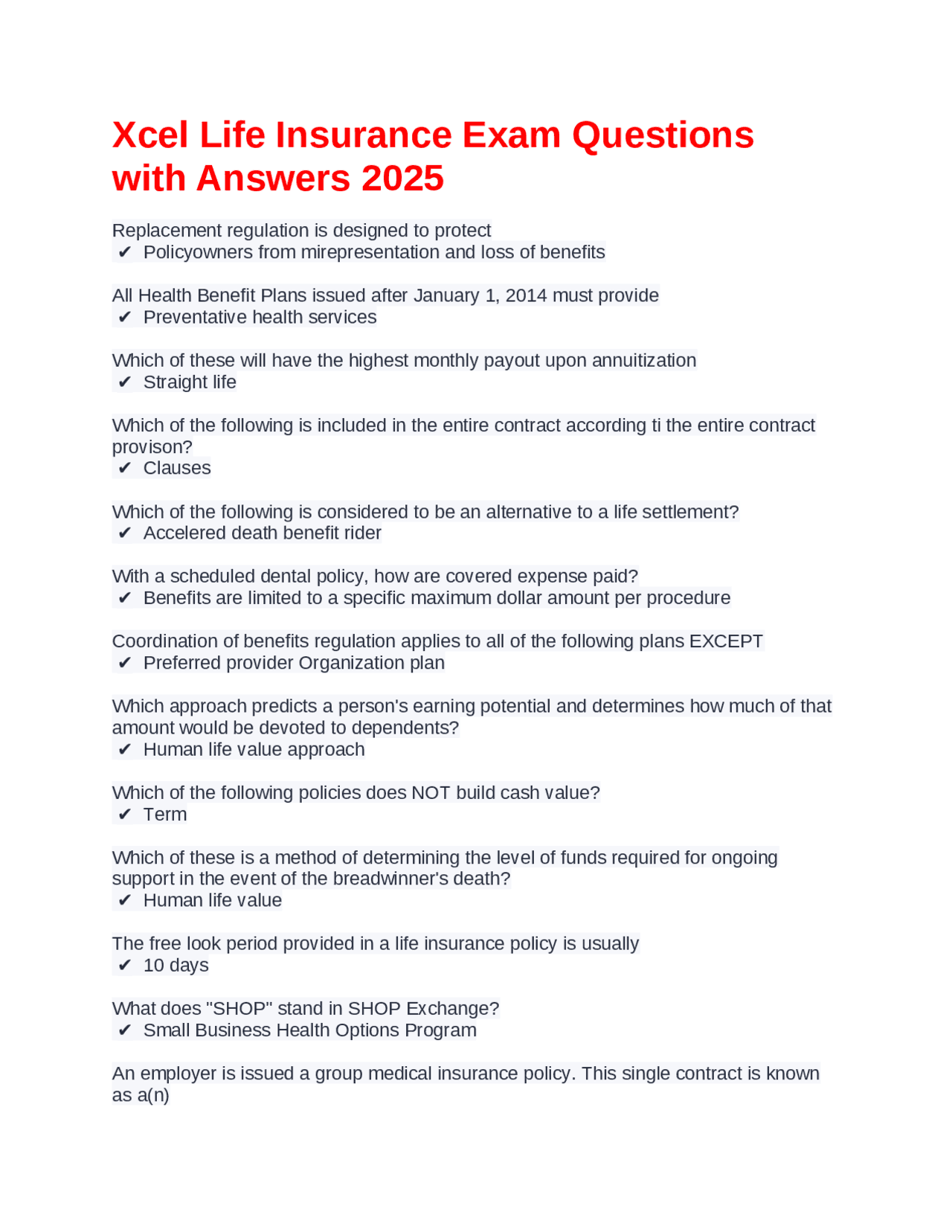
The Xcel Group Life Insurance Quizlet refers to a collection of digital flashcards and study sets created by students and professionals to master the Group Life Insurance module of the Xcel Solutions pre-licensing curriculum. These res...
The Xcel Group Life Insurance Quizlet refers to a collection of digital flashcards and study sets created by students and professionals to master the Group Life Insurance module of the Xcel Solutions pre-licensing curriculum. These resources focus on critical concepts such as master contracts, certificate holders, contributory vs. non-contributory plans, and the legal requirements for policy conversion.
Contents
For individuals pursuing an insurance license in 2026, the Xcel Solutions platform remains a primary gateway for state-required pre-licensing education. One of the most challenging sections for many candidates is Group Life Insurance. Unlike individual life insurance, group policies operate under a distinct set of legal and administrative rules. Because the Xcel end-of-chapter quizzes and the eventual state exams are rigorous, many students turn to Quizlet to reinforce their memory through active recall and spaced repetition.
Understanding Xcel Solutions Pre-Licensing
Xcel Solutions is a standardized educational provider that offers online courses designed to prepare students for Life, Health, Property, and Casualty insurance examinations. Their curriculum is structured to align with the National Association of Insurance Commissioners (NAIC) standards, which most states adopt.
The Group Life Insurance module within the Xcel course is essential because it represents a significant portion of the "Life" section of the state exam. It covers how businesses, labor unions, and professional associations provide insurance coverage to their members as a collective unit. To pass the Xcel internal "Certification Exam" and the subsequent state proctored exam, students must demonstrate a deep understanding of how these groups are formed, managed, and regulated.
Core Principles of Group Life Insurance in the Xcel Curriculum
When looking for an "Xcel Group Life Insurance Quizlet," you are essentially looking for a summary of the module's "Must-Know" facts. The curriculum emphasizes that group insurance is characterized by its underwriting approach, which evaluates the group as a whole rather than assessing the health of each individual member. This "evidence of insurability" is typically not required for members joining during an open enrollment period, which is a major advantage for employees with pre-existing conditions.
The Master Policy vs. Certificate of Insurance
One of the most frequently tested concepts in the Xcel curriculum is the distinction between the entities involved in the contract.
- The Master Policy: This is the actual insurance contract. It is issued to the "Policyowner," which is usually the employer, a labor union, or an association. The employer is responsible for maintaining the policy and interacting with the insurer.
- The Certificate of Insurance: Because the employees (or members) are not parties to the contract itself, they do not receive a policy. Instead, they receive a "Certificate of Insurance," which serves as evidence of their coverage and outlines their benefits, the name of the beneficiary, and the policy's primary provisions.
Eligible Groups for Coverage
Not every gathering of people qualifies for group life insurance. State laws, reflected in the Xcel materials, require that the group be formed for a purpose other than obtaining insurance. This prevents "adverse selection," where only unhealthy individuals form a group specifically to get coverage. Common eligible groups include:
- Single-employer groups (the most common).
- Labor unions (under a Taft-Hartley trust).
- Multiple Employer Trusts (METs).
- Creditor-Debtor groups (where the lender is the beneficiary).
Participation Requirements: Contributory vs. Non-Contributory
A cornerstone of the Xcel Group Life module—and a staple of any Quizlet set—is the mathematical requirement for participation. These rules are designed to protect the insurer from having only the "high-risk" individuals sign up for coverage.
Contributory Plans
In a contributory plan, the premiums are paid jointly by the employer and the employee. Because the employee is putting their own money at risk, some may choose not to participate. To ensure a balanced risk pool, state laws (and Xcel's curriculum) require that at least 75% of eligible employees must participate in the plan.
Non-Contributory Plans
In a non-contributory plan, the employer pays 100% of the premium. Since there is no cost to the employee, the insurer requires that 100% of eligible employees be covered. This eliminates adverse selection entirely, as every person in the group is included regardless of their health status.
The Conversion Privilege: A Critical Exam Topic
The conversion privilege is perhaps the most important consumer protection feature in group life insurance. It allows an individual to convert their group coverage into an individual permanent policy (like Whole Life) without providing evidence of insurability.
According to Xcel study materials and current 2026 regulatory standards:
- Triggering Events: Conversion usually occurs when an employee leaves their job, or if the group master policy is terminated.
- The 31-Day Rule: The individual has exactly 31 days after leaving the group to exercise the conversion option.
- Coverage During Transition: If the individual dies during this 31-day window, the death benefit must be paid by the group policy, even if the individual hadn't yet applied for the conversion.
- Premium Adjustments: The new individual policy's premium will be based on the person's attained age (their current age at the time of conversion), not their age when they first joined the group.
Using Quizlet as a Strategic Study Tool for Xcel Exams
While Xcel provides its own practice questions, Quizlet offers a different psychological advantage. By searching for "Xcel Group Life Insurance" on Quizlet, you can find sets that specifically isolate the vocabulary that appears on the end-of-module quizzes.
How to verify a Quizlet set:
- Check the Date: Ensure the set has been updated or created recently. While insurance fundamentals don't change daily, 2026 sets will likely reflect the most current state-specific wording.
- Compare with Xcel Text: Cross-reference the Quizlet definitions with your Xcel online textbook. If a Quizlet set says a non-contributory plan requires 50% participation, it is incorrect and should be discarded.
- Look for "State-Specific" Tags: Group life laws can vary slightly by state regarding the minimum number of members required for a group (often 10, but sometimes fewer).
Comparative Analysis: Group vs. Individual Life Insurance
The following table summarizes the key differences as taught in the Xcel Solutions curriculum. Understanding these distinctions is vital for passing the Group Life Insurance section.
| Feature | Group Life Insurance | Individual Life Insurance |
|---|---|---|
| Contract Holder | The Employer (Master Policyholder) | The Individual (Policyowner) |
| Evidence of Insurability | Not required (usually) | Required (medical exams/history) |
| Proof of Coverage | Certificate of Insurance | Actual Insurance Policy |
| Cost | Generally lower (bulk rates) | Generally higher |
| Underwriting Focus | The Group as a unit | The Individual's health/lifestyle |
| Conversion Option | Available (usually into Whole Life) | Not applicable |
| Premium Basis | Group's average age and risk | Individual's specific age and health |
Common Pitfalls and Study Tips for the 2026 Licensing Cycle
Students often fail the Group Life section of the Xcel course because they confuse the Policyowner with the Insured. In a group setting, the employee is the "insured," but they are not the policyowner. The employer holds the ownership rights, including the right to choose the insurance company and the right to cancel the policy.
Expert Study Tips:
- Memorize the Percentages: 75% for contributory, 100% for non-contributory. These are "easy" points on the exam that many students flip-flop.
- Focus on the 31-Day Window: This number appears in multiple contexts in life insurance, but in Group Life, it is specifically for the conversion privilege.
- Understand the "Nature of the Group": Remember that groups must be "natural" (meaning they weren't formed just for insurance). This is a favorite trick question on state exams.
- The Beneficiary Rule: While the employer owns the policy, the employee has the right to name the beneficiary. The employer cannot be the beneficiary of an employee's group life insurance policy (with very rare exceptions for "key person" scenarios, which are handled in a different module).
Frequently Asked Questions
What happens if I leave my job and forget to convert my group life insurance within 31 days?
In 2026, as in previous years, if you miss the 31-day window, you lose the right to convert without a medical exam. To get coverage after this period, you would have to apply for an individual policy and undergo standard underwriting, which may result in higher premiums or a denial based on your health status.
Does Xcel Solutions provide an official Quizlet set?
No, Xcel Solutions does not provide an "official" Quizlet. All sets found on the platform are user-generated. It is highly recommended to use these as supplementary tools rather than your primary source of truth, as they are not vetted by Xcel’s editorial board.
Can a group life policy be a "Term" policy or a "Permanent" policy?
The vast majority of group life insurance policies are Annually Renewable Term (ART) insurance. This keeps costs low for employers. While permanent group life exists, it is much less common and is usually discussed in the Xcel curriculum as a specialty product rather than the standard.
What is the minimum number of people needed for a group life policy?
In most jurisdictions covered by Xcel materials, a "true group" typically requires a minimum of 10 people. However, some states have adopted variations that allow for "small groups" or "wholesale" insurance for groups as small as two people. Always check your specific state supplement in the Xcel dashboard.
Why does Xcel place so much emphasis on the 75% participation rule?
This rule exists to prevent "Adverse Selection." If an employer offers a contributory plan and only the five sickest employees sign up, the insurance company will lose money. By requiring 75% of all eligible employees to join, the insurer is guaranteed a mix of healthy and unhealthy individuals, making the risk predictable and the premiums affordable.
Final Recommendation
To successfully master the Xcel Group Life Insurance module in 2026, start by thoroughly reading the Xcel digital textbook and watching the video summaries provided in the course. Once you have a foundational understanding, use a reputable Xcel Group Life Insurance Quizlet to drill the vocabulary and the specific timelines (like the 31-day conversion rule). Always verify your flashcards against the official course content to ensure accuracy. Your final step should be taking the Xcel "Chapter Quiz" multiple times until you consistently score above 90%, as these questions are the closest representation of what you will face on the state licensing exam.
Image Gallery