Illinois Insurance Marketplace: Navigating Auto and Home Insurance Options in 2026
Finding the best auto and home insurance in Illinois involves navigating a competitive private marketplace regulated by the Illinois Department of Insurance. By comparing top-rated carriers, leveraging multi-policy bundling discounts,...
Finding the best auto and home insurance in Illinois involves navigating a competitive private marketplace regulated by the Illinois Department of Insurance. By comparing top-rated carriers, leveraging multi-policy bundling discounts, and understanding state-specific mandates, residents can secure comprehensive coverage that balances cost with essential protections for their property and vehicles.
Contents
The Illinois insurance landscape in 2026 is defined by a robust selection of national providers and regional specialists. Unlike the state’s health insurance marketplace, which utilizes a centralized government exchange, the "marketplace" for auto and home insurance is a decentralized, competitive environment. Consumers interact with this market through independent agents, captive agents (representing one brand), and direct-to-consumer digital platforms. Understanding how to leverage these various channels is the first step toward securing the most favorable rates and coverage terms.
The Role of the Illinois Department of Insurance (IDOI)
The Illinois Department of Insurance serves as the primary regulatory body for all insurance activities within the state. In 2026, the IDOI continues to oversee rate filings, ensure company solvency, and protect consumers from unfair trade practices. When exploring auto and home options, the IDOI provides critical resources such as consumer complaint ratios. These ratios help residents see which companies have the most customer service disputes relative to their market share, offering a transparent look at a company’s reliability beyond their marketing claims.
Furthermore, Illinois law requires insurers to be transparent about how they use "credit-based insurance scores." While some states have moved to ban this practice, Illinois allows insurers to use credit history as a factor in determining premiums for both auto and home policies. The IDOI ensures that these practices do not violate state anti-discrimination laws, but for the consumer, this means that maintaining a healthy credit profile remains a key strategy for lowering insurance costs in the Illinois marketplace.
Illinois Auto Insurance: Mandates and Options
In 2026, Illinois remains a "tort" state regarding automobile accidents. This means the person found at fault for an accident is responsible for the damages. Consequently, the state mandates specific minimum liability limits to ensure drivers can cover the costs of injuries or property damage they cause to others.
Mandatory Minimum Coverage
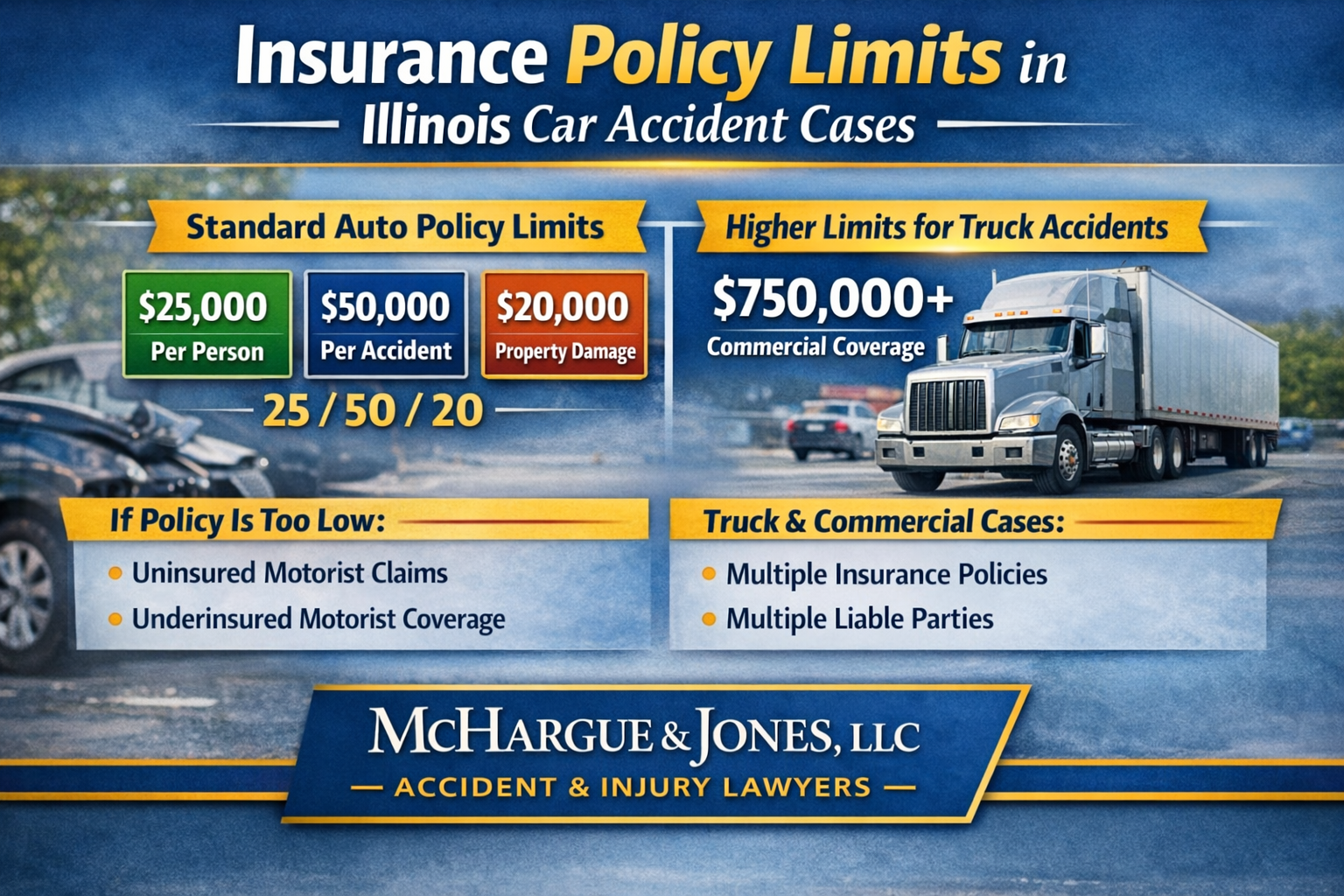
All drivers in Illinois must carry liability insurance. The current state-mandated minimums are:
- $25,000 for bodily injury or death of one person in an accident.
- $50,000 for bodily injury or death of more than one person in an accident.
- $20,000 for damage to the property of another person.
While these are the legal minimums, many financial advisors in the Illinois marketplace recommend significantly higher limits, such as 100/300/100, especially for those with assets to protect. Illinois also requires Uninsured and Underinsured Motorist Coverage (UM/UIM) at the same limits as your bodily injury liability. This protection is vital in metropolitan areas like Chicago, where the density of drivers increases the statistical likelihood of encountering an uninsured operator.
2026 Technological Trends in Auto Insurance
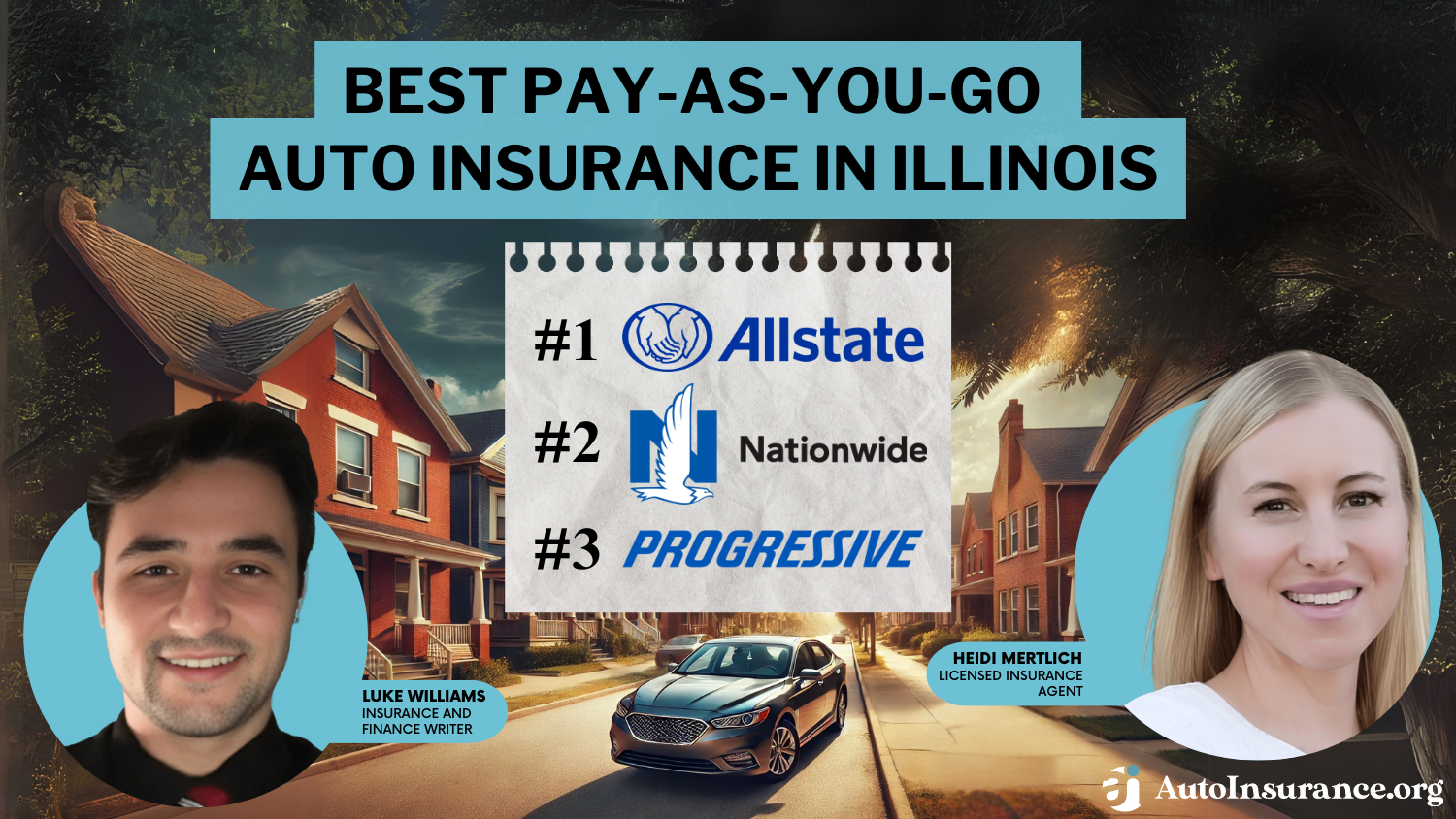
The Illinois marketplace has seen a significant shift toward telematics and usage-based insurance (UBI) programs. Major carriers like State Farm (headquartered in Bloomington, IL) and Allstate (headquartered in Northbrook, IL) have optimized their digital platforms to offer "pay-per-mile" or "safe-driver" discounts. For residents who commute via the Metra or CTA and leave their cars parked for most of the week, these options can reduce premiums by as much as 30% compared to traditional fixed-rate policies.
Illinois Home Insurance: Protecting Your Property
Unlike auto insurance, the State of Illinois does not legally mandate homeowners insurance. However, if you have a mortgage, your lender will almost certainly require it. In the 2026 marketplace, home insurance in Illinois is influenced heavily by regional weather patterns, including the risk of tornadoes in the southern regions and severe winter storms/hail in the northern counties.
Standard Coverage Components
A standard Illinois homeowners policy (HO-3) typically includes:
- Dwelling Coverage: Protects the structure of your home.
- Other Structures: Covers detached garages, fences, or sheds.
- Personal Property: Protection for your belongings, even when they are not on your property.
- Liability Protection: Defends you against lawsuits for bodily injury or property damage caused by you or your family members.
- Loss of Use: Provides living expenses if your home is uninhabitable due to a covered peril.
Illinois-Specific Endorsements
Illinois residents should pay close attention to Sewer Backup and Sump Pump Overflow coverage. Many standard policies exclude water damage resulting from a backed-up sewer or a failed sump pump. Given the aging infrastructure in many Illinois municipalities and the prevalence of finished basements, adding this endorsement is often a top priority for local homeowners.
Additionally, the Illinois FAIR Plan (Fair Access to Insurance Requirements) serves as a "market of last resort." If you are unable to obtain home insurance in the voluntary marketplace due to the age of the property or high-risk location, the FAIR Plan provides basic property insurance to ensure no homeowner is left entirely unprotected.
Comparing Top Carriers in the Illinois Marketplace
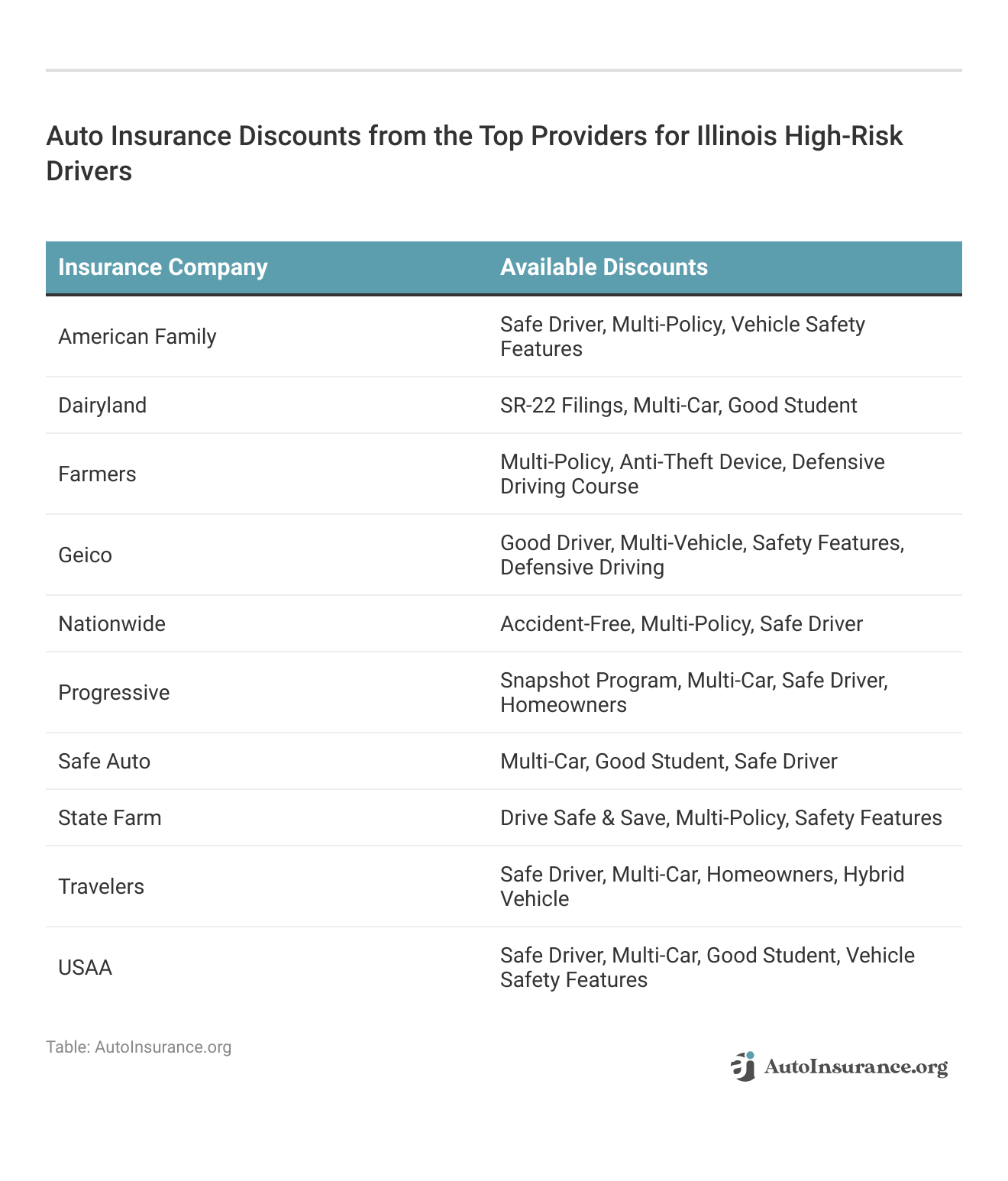
The following table provides a comparison of major players in the Illinois auto and home insurance market as of 2026, focusing on their primary strengths and common discounts.
| Carrier | Marketplace Strength | Key Discounts | Specialty Coverage |
|---|---|---|---|
| State Farm | Largest market share in IL; extensive local agent network. | Multi-policy, Steer Clear (for young drivers), Good Student. | Excellent claim processing for storm damage. |
| Allstate | High-tech digital tools and robust telematics (Drivewise). | Claim-free rewards, New car discount, Early signing. | Comprehensive "HostAdvantage" for short-term rentals. |
| Country Financial | Strong presence in rural and downstate Illinois. | Occupational discounts (Teachers, Firefighters), Bundling. | Specialized farm and agricultural property options. |
| Progressive | Competitive pricing for "Name Your Price" tool. | Snapshot (UBI), Multi-car, Continuous coverage. | Strong gap insurance options for leased vehicles. |
| Liberty Mutual | Customizable coverage levels. | Preferred payment, Online purchase, Paperless. | Better Car Replacement™ and Home Protector Plus. |
The Strategy of Bundling: Multi-Policy Discounts
The most effective way to optimize your presence in the Illinois insurance marketplace is through bundling auto and home policies. In 2026, insurance companies are more aggressive than ever in retaining customers by offering deep discounts for "multi-line" accounts.
When you purchase both auto and home insurance from the same provider, you can often see a reduction of 15% to 25% on your total premium. Beyond the financial savings, bundling simplifies your financial management. Most modern carriers provide a single mobile app interface where you can view policy documents, pay bills, and file claims for both your vehicle and your residence. Furthermore, having multiple policies with one carrier can sometimes protect you from non-renewal if you have a single "at-fault" incident, as the company values the total depth of your relationship.
Navigating Costs and Rates in 2026
Insurance rates in Illinois are not uniform; they are hyper-local. For example, a homeowner in Naperville may pay significantly different rates than someone in Carbondale due to differences in local fire protection ratings, crime rates, and historical weather data.
To get the most accurate quotes in the 2026 marketplace, you should have the following information ready:
- For Auto: Vehicle Identification Number (VIN), annual mileage, driving history for all household members, and current coverage limits.
- For Home: The year the roof was last replaced, the type of heating/cooling system, proximity to a fire hydrant, and an estimated replacement cost of the structure (not the market value of the land).
It is also important to note that Illinois is a state that allows "price optimization" to a degree, though the IDOI monitors this. Price optimization is the practice of raising rates slightly based on how likely a customer is to shop around. To combat this, it is recommended to review your Illinois insurance marketplace options every two to three years to ensure your loyalty discount isn't being offset by incremental rate creep.
Frequently Asked Questions
Is Illinois a no-fault state for auto insurance?
No, Illinois is a "fault" or "tort" state. This means the person responsible for causing a car accident is liable for the resulting damages. Victims have the right to file a claim against the at-fault driver’s insurance company or sue them directly for medical expenses, lost wages, and pain and suffering.
Does my Illinois home insurance cover flood damage?
Standard homeowners policies in Illinois do not cover flood damage. Because of the state's proximity to the Great Lakes and various river systems (like the Illinois and Mississippi rivers), many residents may need to purchase a separate flood insurance policy through the National Flood Insurance Program (NFIP) or a private flood insurer.
Can Illinois insurance companies use my credit score to set rates?
Yes, Illinois law allows insurance companies to use credit-based insurance scores as a factor in determining premiums for both auto and home insurance. However, they cannot use it as the sole basis for denying coverage or canceling a policy. Maintaining a high credit score is one of the most effective ways to lower your insurance costs in the state.
What is the Illinois FAIR Plan?
The Illinois FAIR Plan is a state-mandated program that provides basic property insurance to residents who are unable to find coverage in the traditional private market. It is often used for older homes or properties in areas deemed high-risk by private insurers. It is intended to be a temporary solution until the homeowner can return to the voluntary market.
How do I file a complaint against an insurance company in Illinois?
If you have a dispute regarding a claim or policy that you cannot resolve with your carrier, you can file an official complaint with the Illinois Department of Insurance. They will investigate the matter to ensure the company followed state laws and the terms of your policy.
Final Recommendation for Illinois Residents
To master the Illinois insurance marketplace in 2026, residents should adopt a dual-track strategy: prioritize bundling to capture immediate discounts while utilizing telematics to prove safe driving habits for long-term savings. Always ensure your home policy includes a "Sewer Backup" endorsement, and never settle for the state-minimum auto liability limits if you have personal assets to protect. By re-evaluating your coverage every 24 months through a mix of digital comparison tools and local agent consultations, you can ensure that your protection remains robust and your premiums remain competitive in an ever-changing market.
Image Gallery