Recombinant Technology: Molecular Mechanisms, Industrial Workflows, and 2026 Frontiers
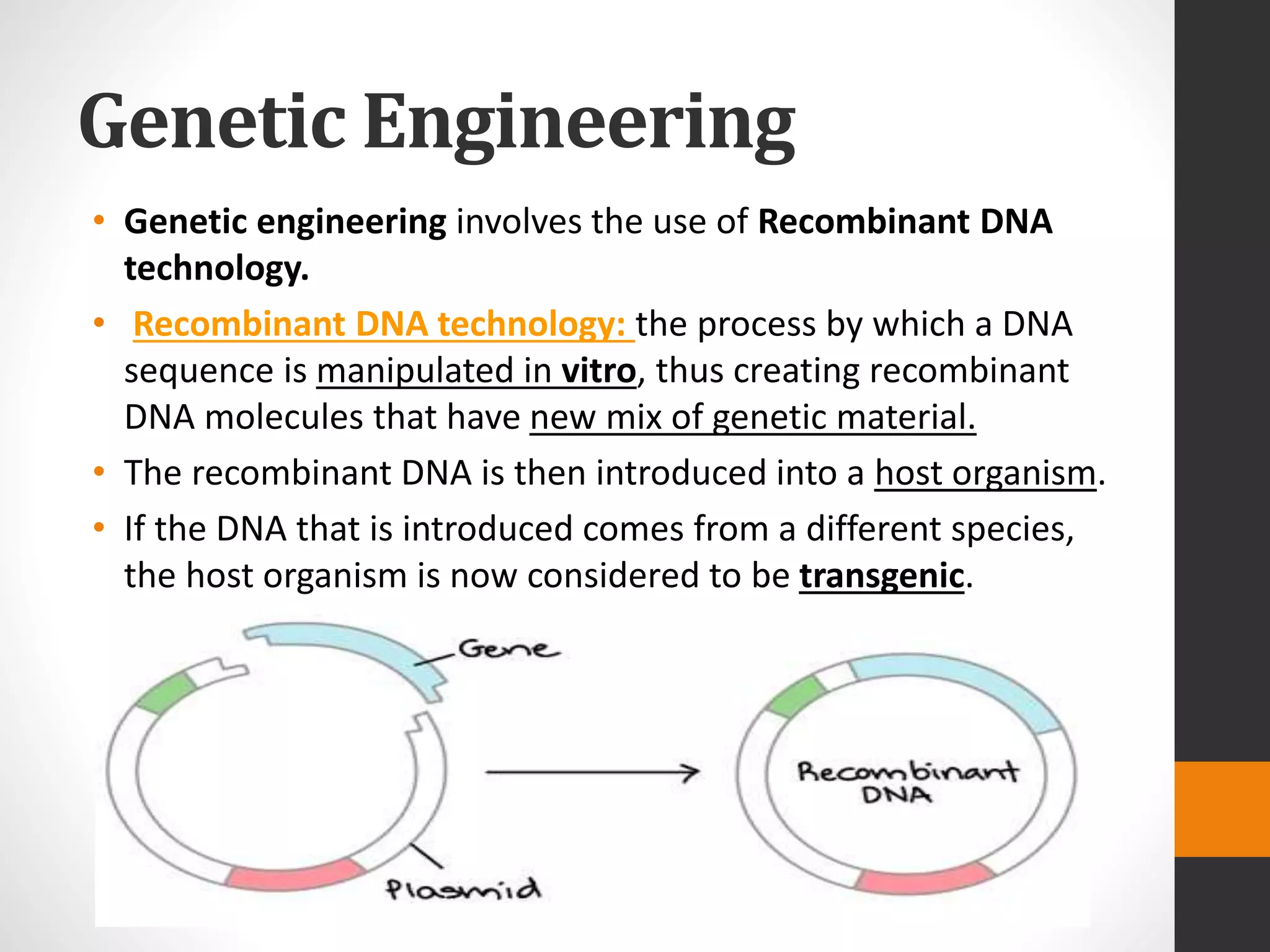
Recombinant technology—often termed recombinant DNA (rDNA) technology or genetic engineering—refers to the precise enzymatic alteration, recombination, and functional expression of heterologous genetic material within living host organ...
Recombinant technology—often termed recombinant DNA (rDNA) technology or genetic engineering—refers to the precise enzymatic alteration, recombination, and functional expression of heterologous genetic material within living host organisms or cell-free expression systems. By joining DNA sequences originating from distinct biological species or de novo synthetic designs, this molecular framework underpins modern therapeutics, synthetic biology, agricultural optimization, and industrial biocatalysis.
Contents
In 2026, the technology has evolved far beyond traditional restriction-ligation paradigms, transitioning into an era governed by high-fidelity multiplex editing, targeted epigenetic modification, automated modular plasmid assembly, and artificial intelligence-directed protein design.
Foundational Molecular Machinery: The Core Enzymology
Recombinant technology relies on an array of site-specific enzymes that isolate, modify, join, and replicate exogenous sequences. Engineering artificial constructs requires absolute precision to maintain reading frames and optimize downstream transcription and translation.
Restriction Endonucleases and Programmable Cleavage
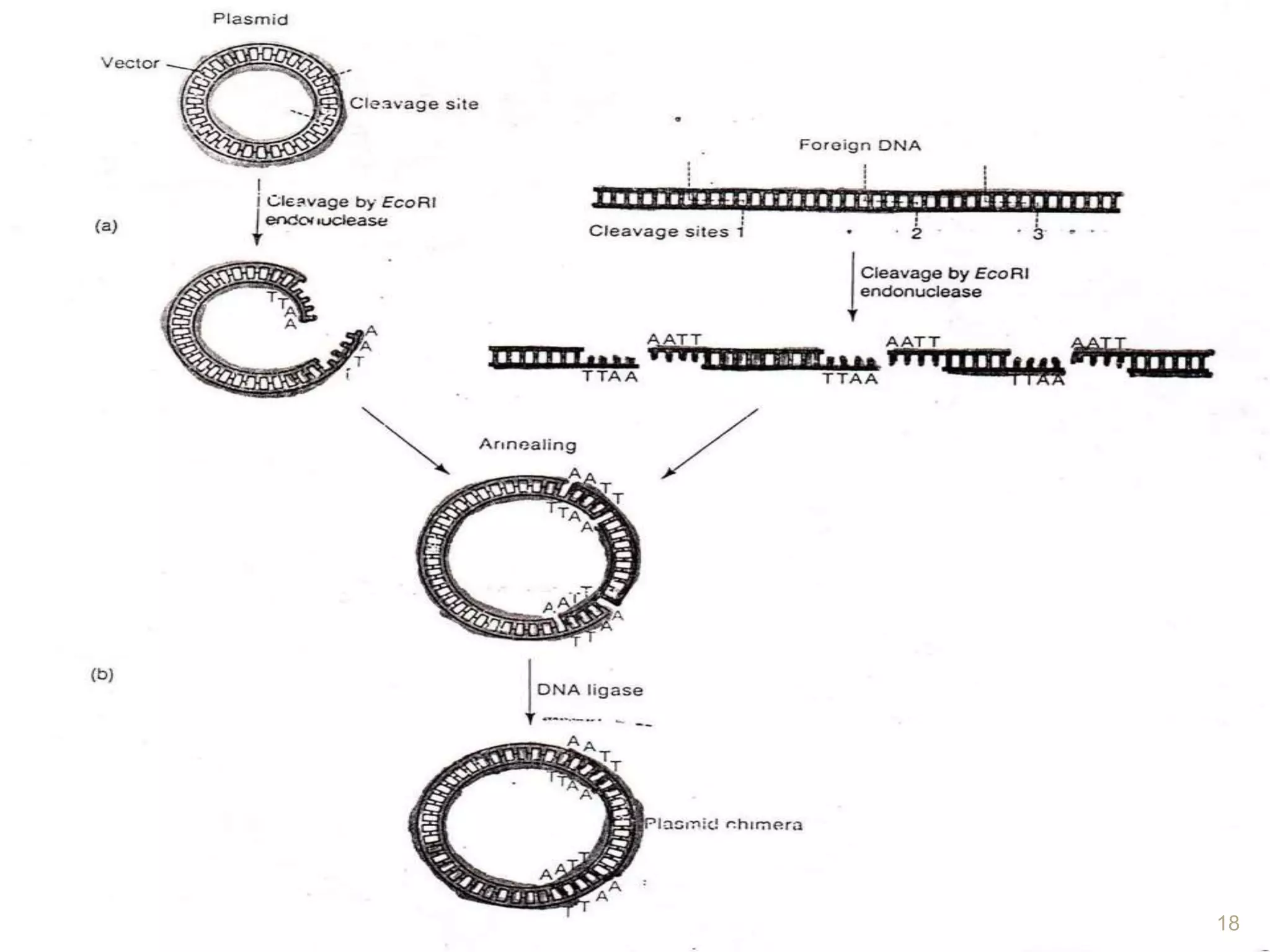
Type II restriction endonucleases recognize palindromic recognition sequences ranging from 4 to 8 base pairs (bp), catalyzing phosphodiester bond hydrolysis to generate sticky (cohesive) or blunt ends:
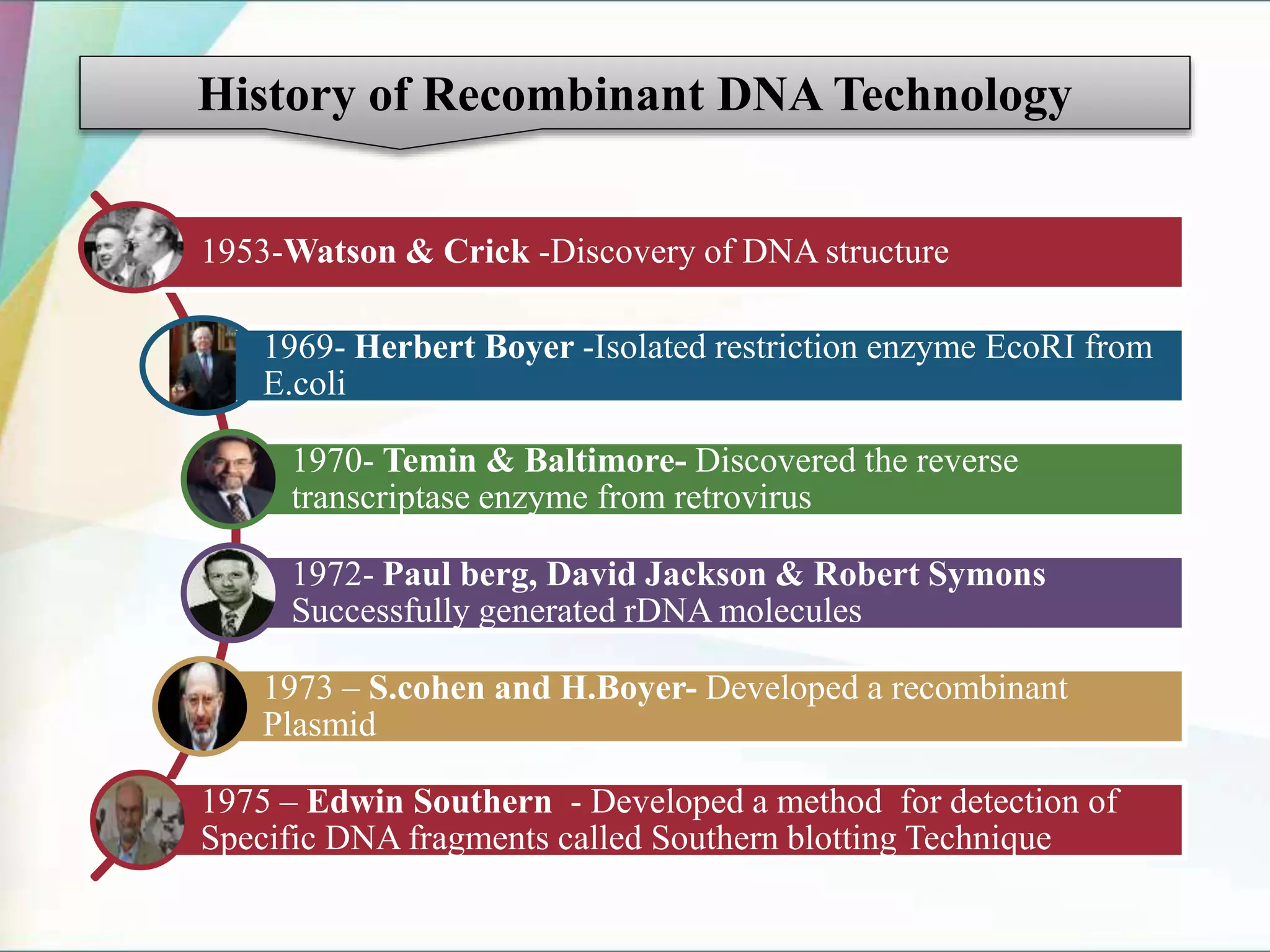
- Cohesive End Generators: Enzymes such as EcoRI (recognizing 5'-GAATTC-3') and HindIII leave 5' or 3' single-stranded overhangs. These transiently anneal via complementary hydrogen bonding, greatly accelerating the kinetics of covalent ligation.
- Blunt End Cutters: Enzymes such as SmaI (recognizing 5'-CCCGGG-3') cleave symmetrically at the center of the palindromic axis, producing non-overhanging termini. While non-directional and exhibiting lower initial ligation efficiency, blunt ends permit the fusion of non-homologous sequences without predefined overhang compatibility.
- Programmable Endonucleases: As of 2026, classic restriction digests are widely complemented by engineered endonucleases, such as Cas12a/Cas9 ribonucleoprotein (RNP) complexes and transcription activator-like effector nucleases (TALENs), allowing scarless, sequence-specific cleavages in genomic regions lacking native restriction sites.
Catalytic Ligation and Vector Architecture
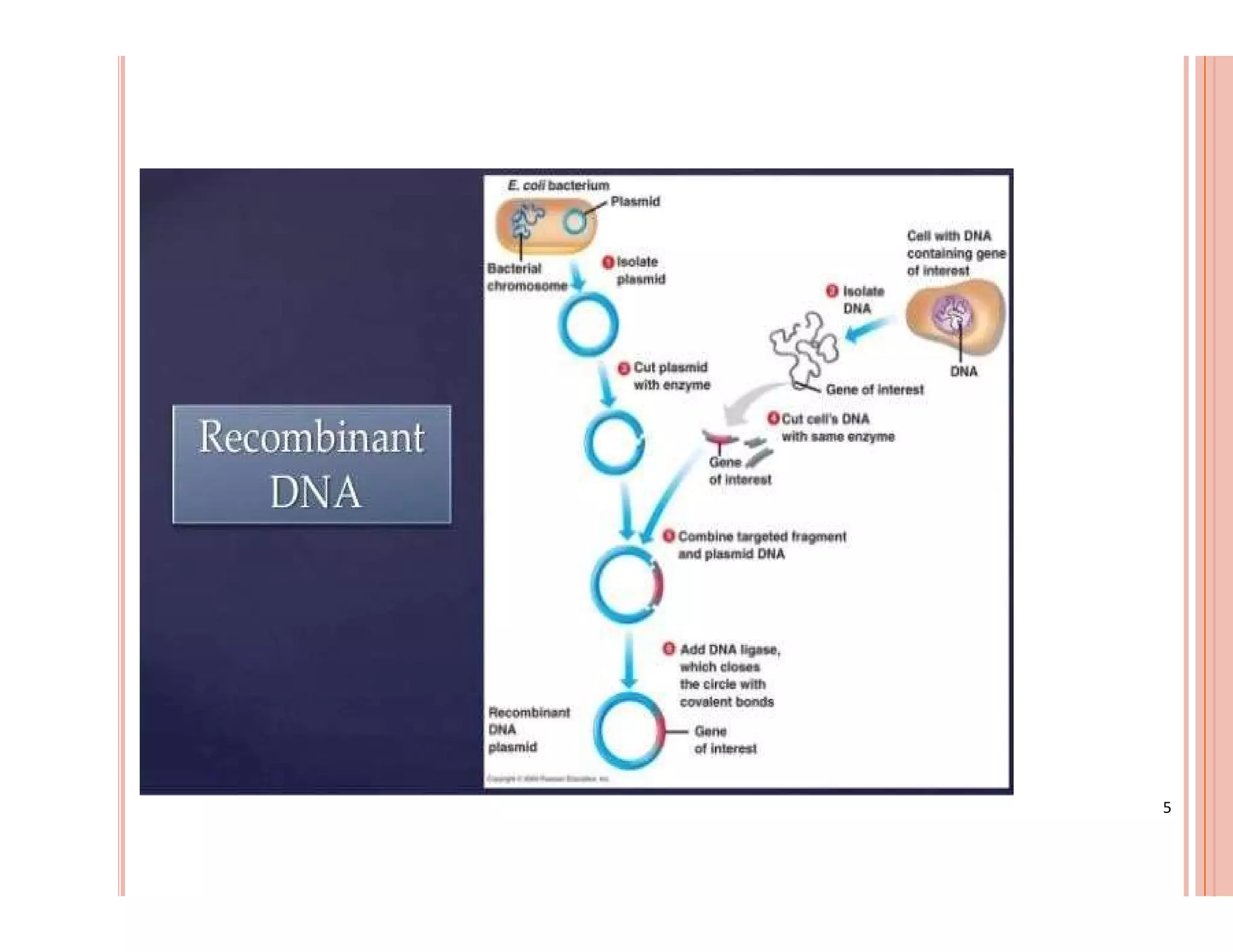
T4 DNA ligase repairs the discontinuous sugar-phosphate backbones by forming covalent 3'-5' phosphodiester bonds, consuming adenosine triphosphate (ATP) as an energy cofactor. Vectors serve as autonomous delivery and replication units for the engineered insert. Optimized expression vectors require four indispensable functional cassettes:
- Autonomous Origin of Replication (ori): Regulates plasmid copy number per cell (e.g., pUC origins yielding high copy numbers versus pBR322 variants providing tightly controlled, low copy numbers to prevent host cell toxicity).
- Selectable Genetic Markers: Confer phenotype-based survival—typically beta-lactamase (
blafor ampicillin resistance) or aminoglycoside phosphotransferase (kanRfor kanamycin resistance)—ensuring only transformed cells persist under selective pressures. - Multiple Cloning Site (MCS) or Polylinker: Synthetically constructed DNA tracts containing dense, non-overlapping recognition sequences for diverse restriction enzymes, oriented to guarantee directional cloning.
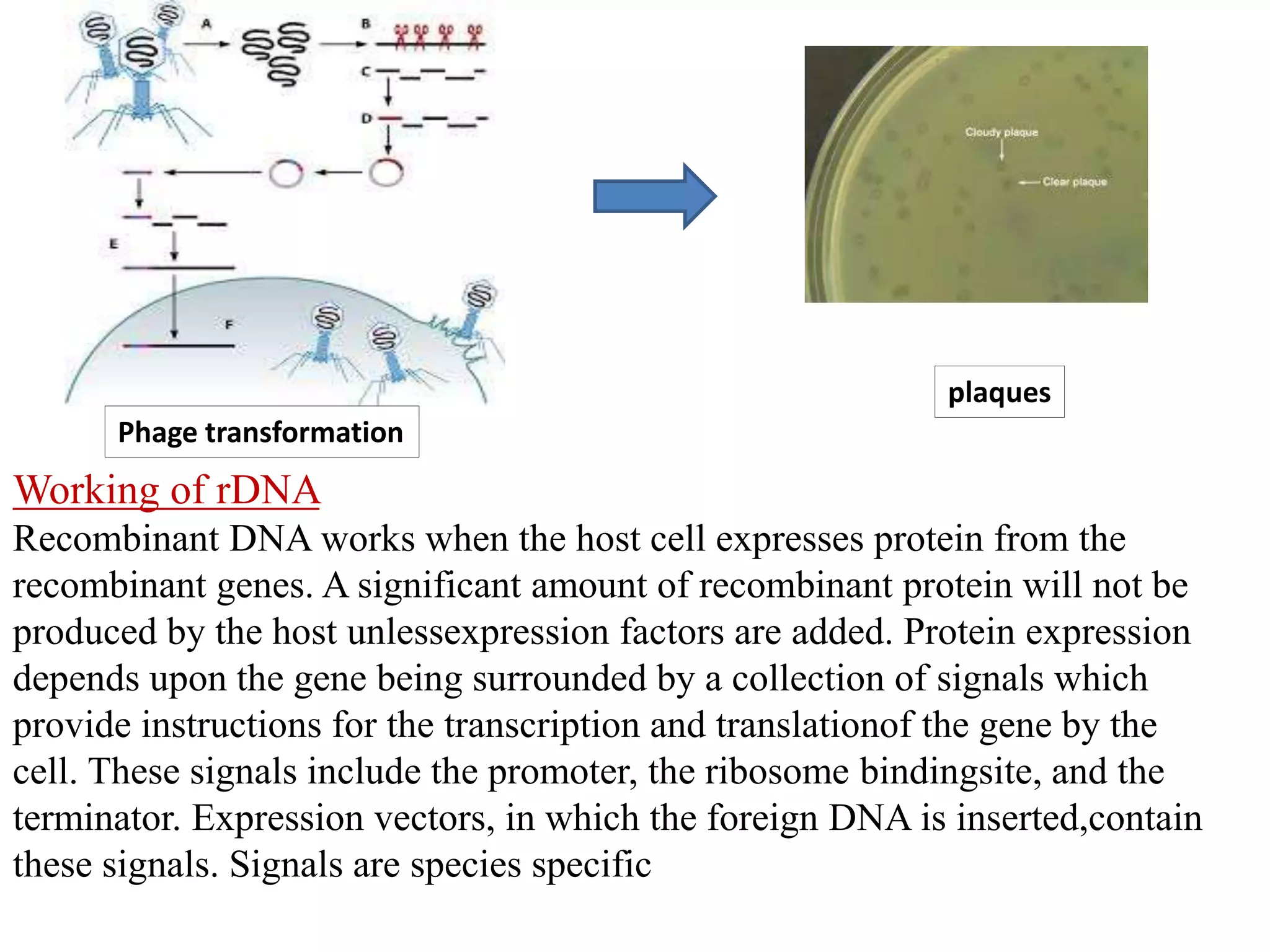
- Transcriptional Regulatory Regions: High-efficiency promoters (such as T7, lacUV5, or CMV in mammalian hosts), ribosome-binding sites (Shine-Dalgarno sequences or Kozak consensus motifs), and transcriptional termination sequences that stabilize the nascent mRNA.
Step-by-Step Production Protocol: From In Silico Design to Pure Biologics
Generating a functional recombinant protein follows an integrated bioprocess sequence spanning upstream design to downstream bioseparation.
(Note: Process stages are rendered exclusively as structural lists and standard typography per layout standards)
Stage 1: Sequence In Silico Design and Optimization
Target sequences are extracted from verified genomic repositories and optimized using computational codon harmonization tools. Because codon bias varies dramatically between species (e.g., Escherichia coli versus Pichia pastoris or Chinese Hamster Ovary [CHO] lines), synonymous mutations are systematically introduced to replace rare tRNAs, eliminate unwanted mRNA secondary structures near the ribosomal initiation complex, and strip cryptic slice sites.
Stage 2: Fragment Amplification and Vector Linearization
High-fidelity polymerases with proofreading exonuclease domains amplify the targeted sequence via polymerase chain reaction (PCR). Primers are synthesized with specialized 5' terminal adaptations containing complementary overhangs for isothermal Golden Gate or Gibson Assembly, bypassing the operational restrictions of sequence-dependent internal cleavage.
Stage 3: Molecular Recombination and Host Transformation
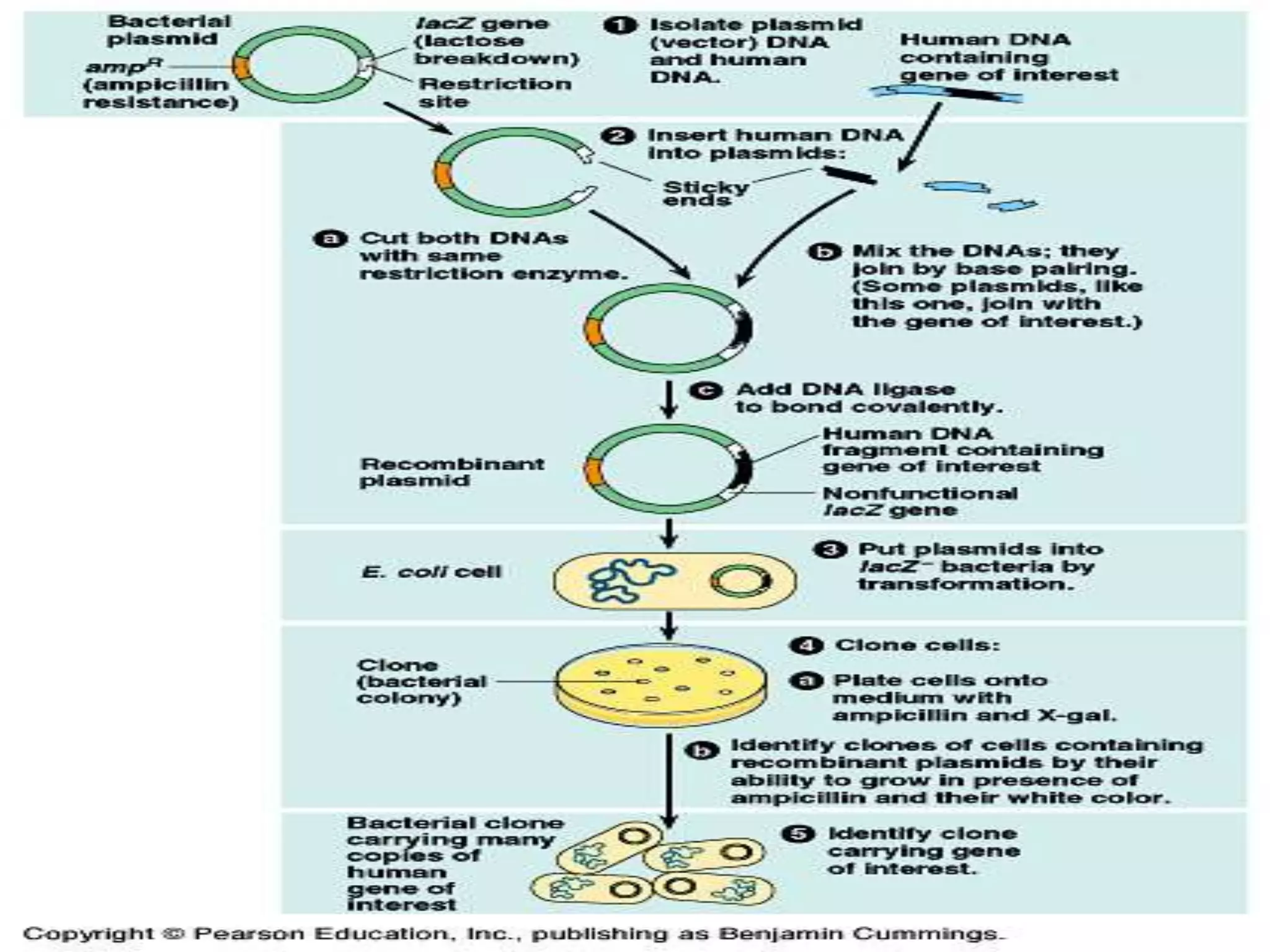
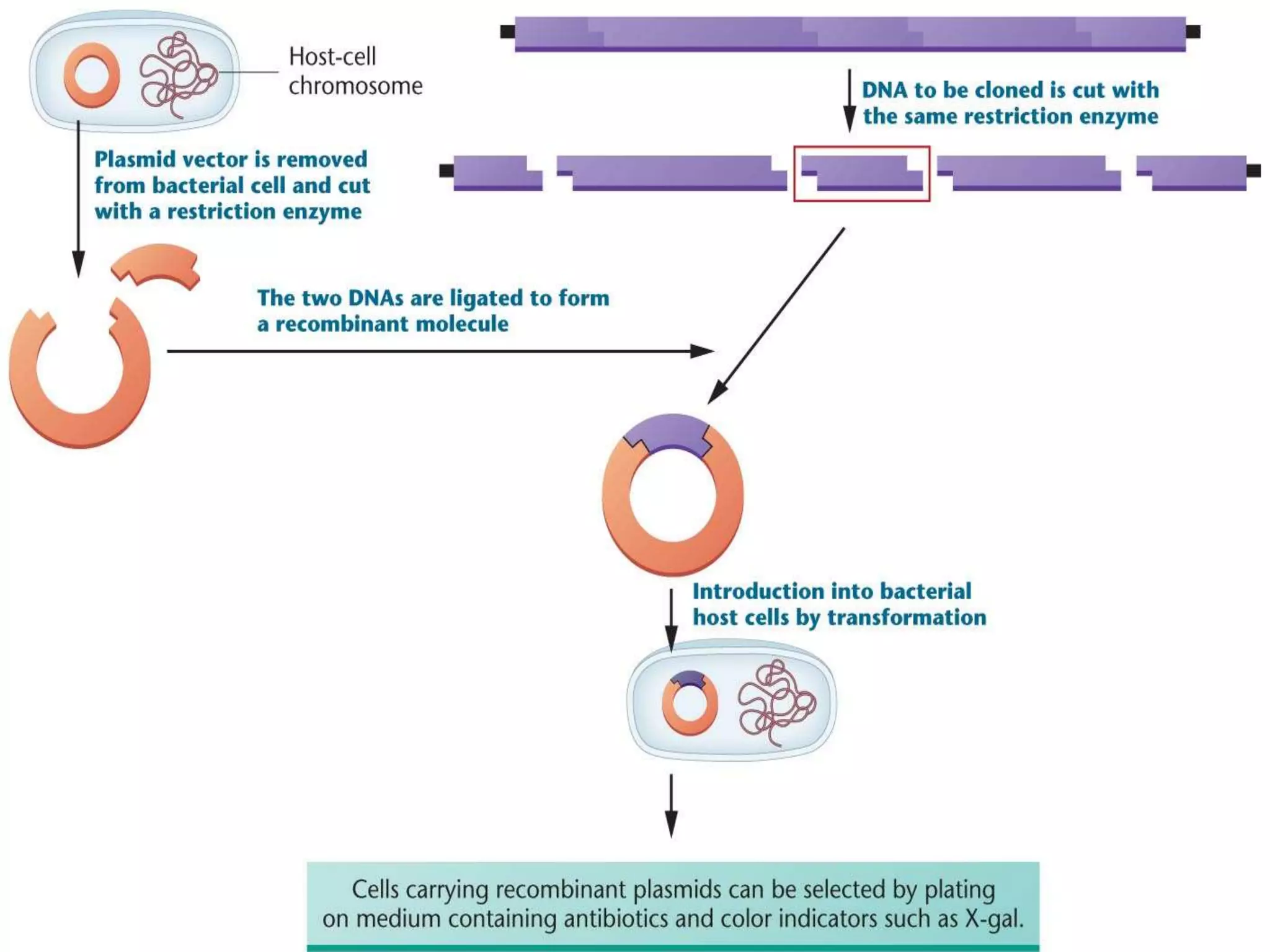
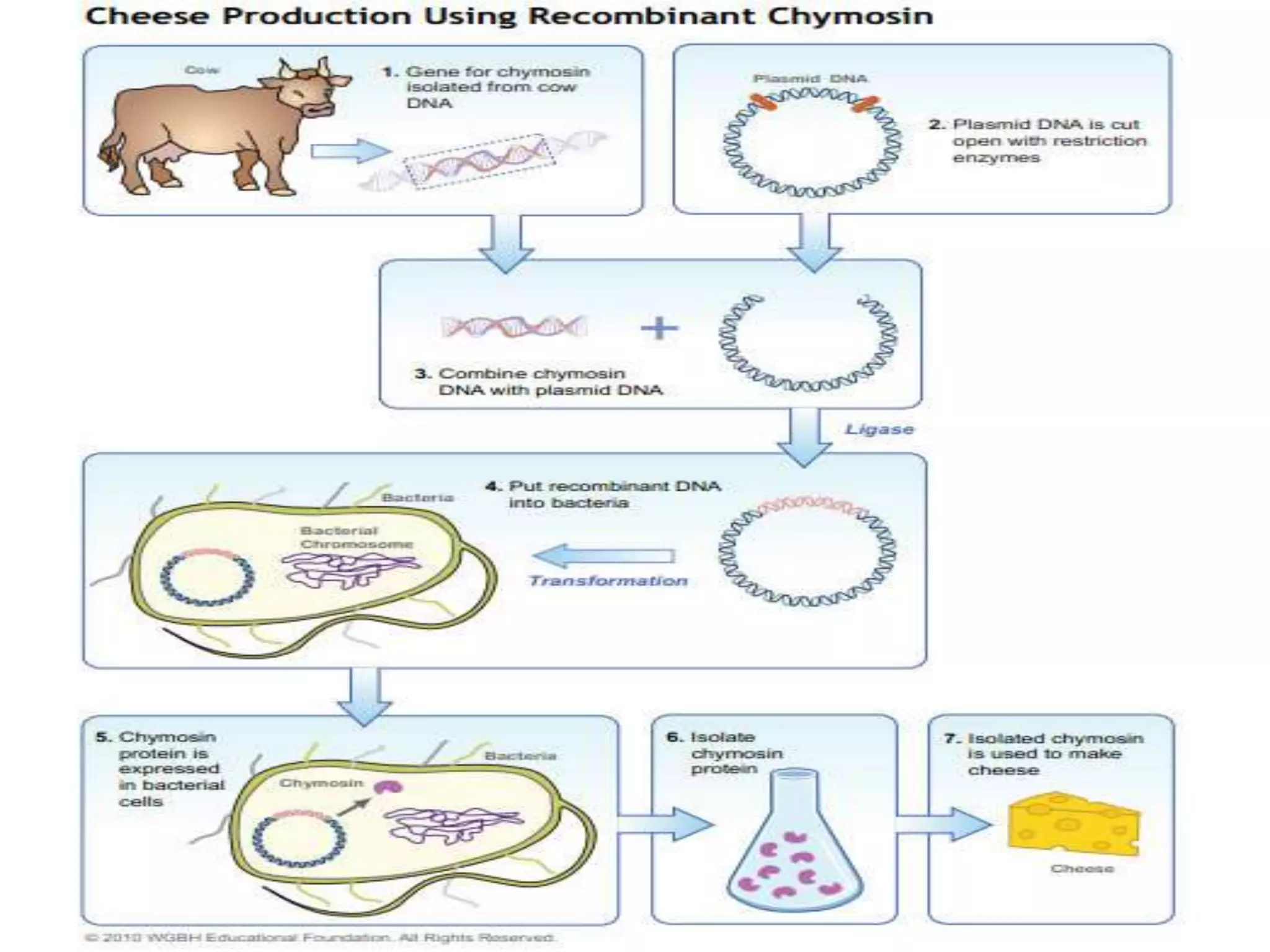
The linearized vector backbone and insert undergo directional enzymatic integration. The resulting construct is introduced into competent host cells via:
- Chemical Competence (Heat Shock): Divalent cations (such as calcium chloride) destabilize bacterial outer membranes at low temperatures, after which a transient pulse at 42 degrees Celsius induces membrane pores, permitting plasmid uptake.
- Electroporation: High-voltage electrical pulses transiently polarize eukaryotic or prokaryotic membranes, creating electropermeabilized nanometer-scale pores that drive DNA translocation.
Stage 4: Clonal Screening and Sequence Verification
Transformed colonies are isolated and screened using antibiotic selection, colony PCR, and modern high-throughput whole-plasmid long-read sequencing (such as Nanopore or PacBio platforms). Sequencing eliminates false positives arising from spontaneous vector recircularization, primer synthesis errors, or frame-shift mutations.
Stage 5: Fermentation, Bioreaction, and Expression Induction
Positive clones are transferred from benchtop shaker flasks to scalable stirred-tank or single-use rocking bioreactors. Depending on the expression circuit, biomass accumulation is achieved prior to chemical or physical induction—such as the addition of Isopropyl beta-D-1-thiogalactopyranoside (IPTG) for lac-driven promoters, methanol titration for AOX1 systems, or thermal shifting. Dissolved oxygen (DO), pH, nutrient feed, and temperature are strictly regulated.
Stage 6: Downstream Harvesting and High-Yield Purification
The final phase isolates the target biologic from cellular debris and media components:
- Lysis (for Intracellular Expression): High-pressure homogenization or mechanical bead-milling disrupts cellular walls, releasing the protein. Inclusion bodies require denaturing solubilization (typically using guanidine hydrochloride or urea) followed by controlled refolding cascades.
- Chromatography Trains: Purification employs a multistep regime comprising Affinity Chromatography (e.g., Protein A for monoclonal antibodies; Immobilized Metal Affinity Chromatography [IMAC] for His-tagged proteins), followed by Ion Exchange Chromatography (IEX) to remove host cell proteins (HCP) and endotoxins, concluding with Size Exclusion Chromatography (SEC) to eliminate high-molecular-weight aggregates.
Host Expression System Selection: A Comparative Framework
Selecting an expression host is a decisive factor in process yield, structural integrity, and regulatory validation. Hosts vary substantially across folding fidelity, growth kinetics, and post-translational modification (PTM) pathways.
| Parameter / Feature | Escherichia coli (Bacterial) | Pichia pastoris (Yeast) | Spodoptera frugiperda / Sf9 (Insect) | Chinese Hamster Ovary / CHO (Mammalian) |
|---|---|---|---|---|
| Expression Speed & Doubling Time | Very Fast (~20-30 minutes) | Fast (~90-120 minutes) | Moderate (~18-24 hours) | Slow (~18-24 hours) |
| Volumetric Yield Tier | High (Up to 10 g/L for simple proteins) | Very High (Exceeds 15 g/L secreted) | Moderate (1-3 g/L) | High-Performance (3-10 g/L) |
| Post-Translational Glycosylation | Incapable (Except engineered strains) | High-mannose N-glycosylation | Simple, non-complex N-glycans (paucimannose) | Complex human-like branching & sialylation |
| Disulfide Bond Isomerization | Poor (Often forms insoluble inclusion bodies) | Robust (Facilitated secretion via ER) | Highly competent | Superior folding, native chaperones |
| Cell Culture Capital Cost | Very Low | Low | Moderate to High | High (Specialized media, strict sterilization) |
| Primary Industrial Use Case | Insulin, Somatotropin, Simple ScFvs | Industrial Enzymes, Subunit Vaccines | Virus-Like Particles (VLPs), Kinases | Full-length IgG Monoclonal Antibodies (mAbs) |
2026 Breakthroughs: Convergence of Computational Biology and Precise Biomanufacturing
Recombinant technology in 2026 operates at the intersection of deep generative biology and high-throughput automation, resolving long-standing bottlenecks in yield and purity.
Generative AI and De Novo Vector Synthesis
Modern structural prediction engines (such as AlphaFold-derived models and deep generative transformers) enable structural biologists to model tertiary configurations directly in silico. De novo proteins with no evolutionary ancestors are computationally designed to bind targets with picomolar affinity. Recombinant cloning scripts now automatically optimize sequences against the transcriptional kinetics of proprietary host cell lines, preventing translational stalling and minimizing misfolding before a single base is synthesized chemically.
Modular, Cell-Free Expression Platforms (CFPS)
To accelerate testing pipelines, cell-free protein synthesis (CFPS) has become a primary screening paradigm. By lysing energetic cells while preserving ribosomal units, polymerases, and metabolic enzymes in an in vitro reaction, researchers synthesize complex recombinant proteins directly from linear PCR templates within hours, bypassing cell transformation, selective plating, and multi-week fermentation.
Next-Generation Engineered Host Platforms
Industrial cell lines have undergone comprehensive genetic restructuring. Novel CHO lineages feature knockouts of non-essential host-cell proteins (HCPs) and endogenous proteases, reducing chromatographic demands. Similarly, mammalian expression cell lines are regularly multiplex-edited using prime editing technologies to introduce homogeneous human alpha-2,6-sialyltransferase enzymes, guaranteeing biopharmaceutical products with optimized circulatory half-lives and absent immunogenicity.
Real-World Applications Transforming Modern Medicine and Industry
The practical impact of recombinant technology spans foundational therapeutics, daily consumer products, and agricultural security.
Biopharmaceuticals and Precision Therapeutics
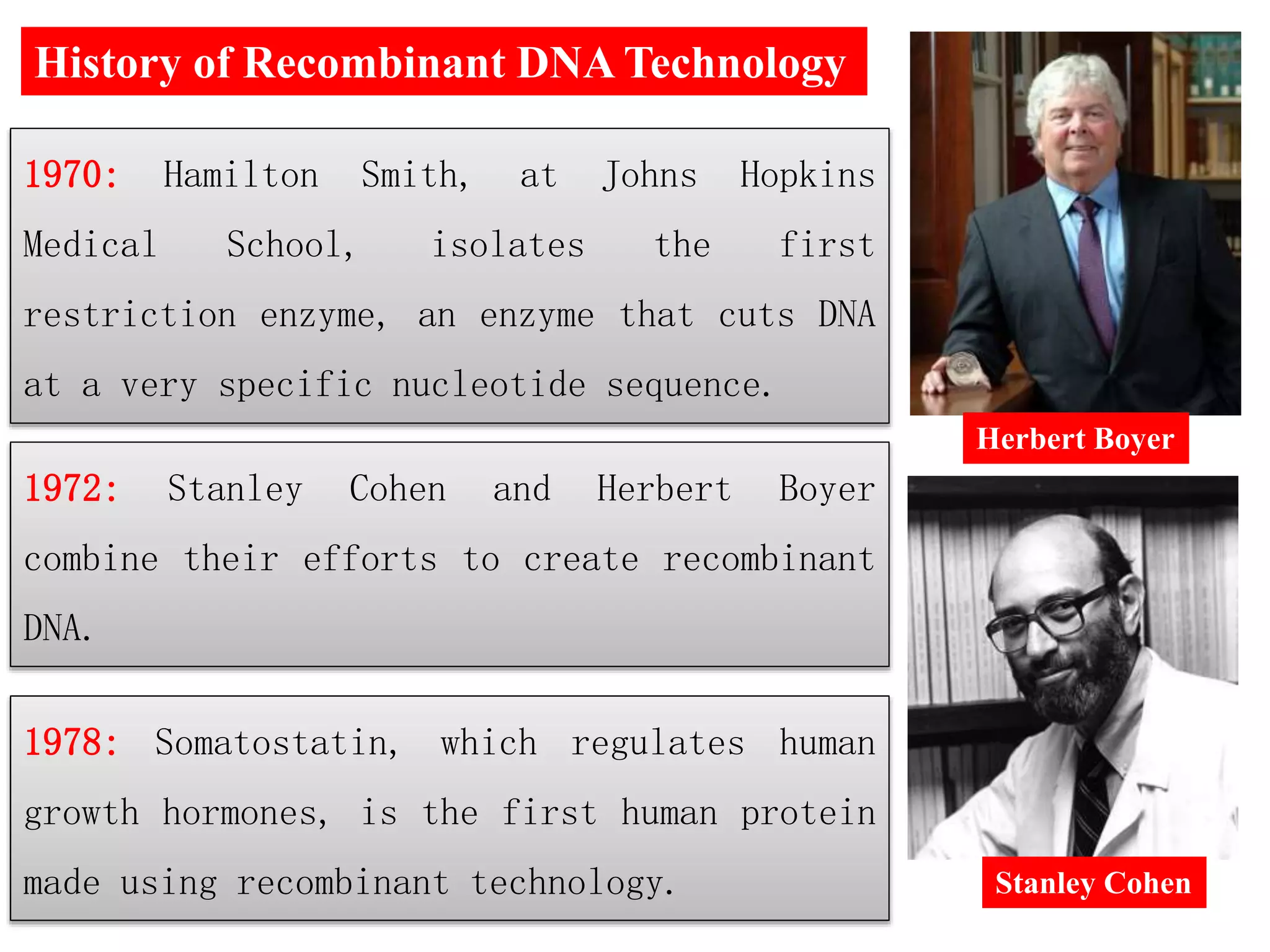
Recombinant platforms provide scalable, contamination-free alternatives to historical biologic extraction methods (e.g., harvesting insulin from porcine pancreases or human growth hormone from human cadaveric pituitaries). In current therapeutics:
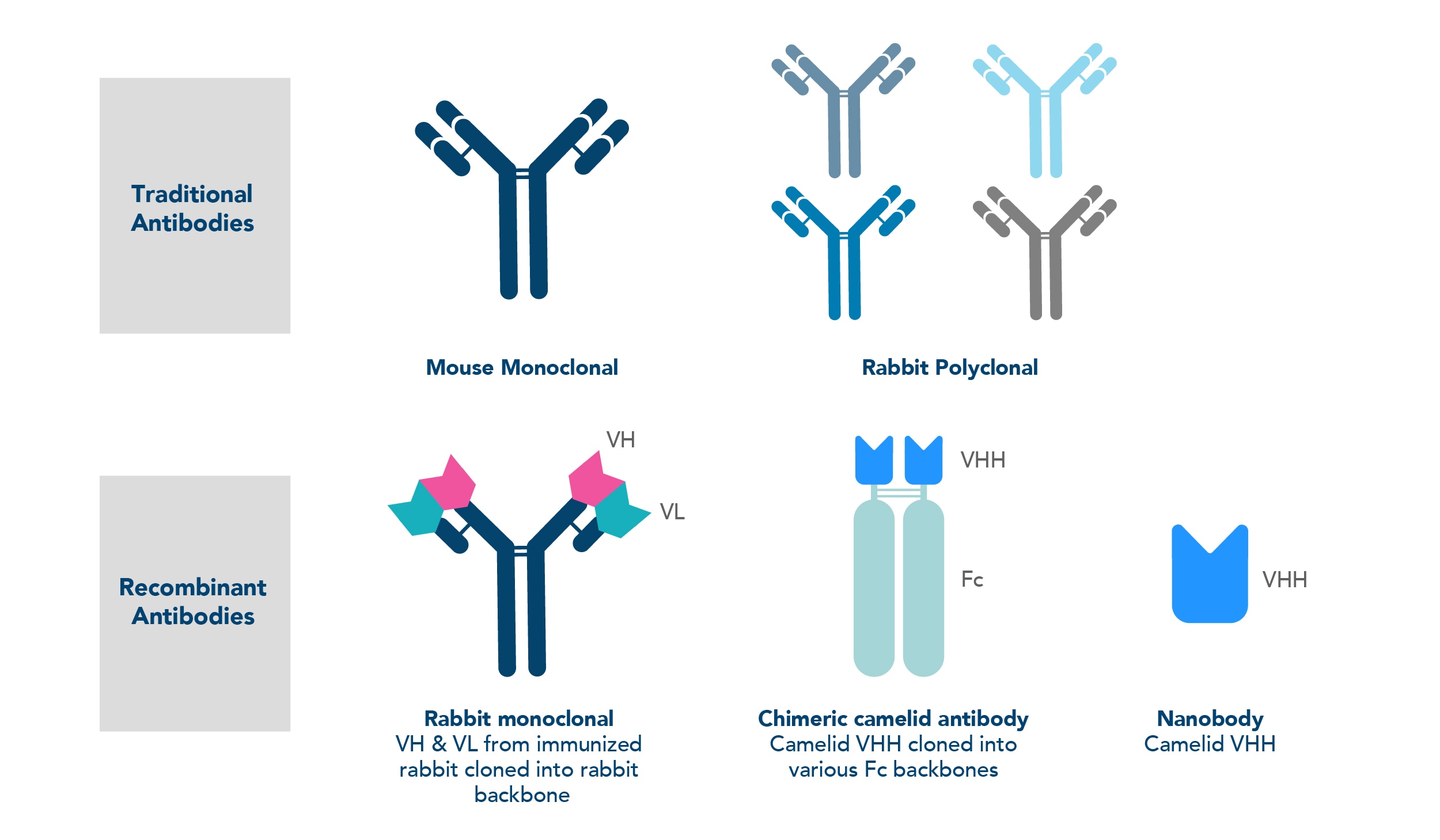
- Engineered Monoclonal Antibodies: Block specific oncogenic signaling cascades or neutralize viral epitopes with high target specificity.
- Bispecific T-Cell Engagers (BiTEs): Simultaneously bind malignant antigens and CD3 receptors on T-cells to trigger localized cytotoxicity.
- Recombinant Clotting Factors: Factor VIII and IX synthesized via mammalian cell cultures prevent pathogen transmission risks historically associated with pooled human plasma.
Precision Agriculture and Sustainable Transgenics
Recombinant DNA technology enhances agronomic performance and climatic resilience:
- Engineered Agronomic Traits: Crops carrying dual-action cry proteins derived from Bacillus thuringiensis express selective insecticidal properties, drastically reducing chemical pesticide dependency.
- Enriched Micronutrient Profiles: Engineered crops biofortify localized diets through enriched metabolic pathways, such as beta-carotene precursors embedded in staple cereal grains.
- Drought Tolerance and Abiotic Resistance: Overexpression of stress-responsive transcription factors, such as dehydrated-responsive element-binding (DREB) proteins, allows crop lines to maintain photosynthetic efficiency under water-stressed conditions.
Industrial Catalysis and Green Chemistry
Industrial biotechnology relies on recombinant systems to drive decarbonization. Engineered alpha-amylases, proteases, and lipases operate in cold-water detergents to reduce thermal domestic energy expenditure. Simultaneously, recombinant cellulases hydrolyze lignocellulosic agricultural residues into simple sugars, accelerating the economical production of second-generation biofuels without competing with human food supplies.
Practical Troubleshooting Guide for Recombinant Expression Workflows
When developing recombinant protocols, researchers frequently encounter biochemical failure modes. The following diagnostic solutions resolve common procedural roadblocks:
Resolving Inclusion Body Formation and Insoluble Protein Expression
When high-level expression driven by strong promoters (like T7) overwhelms host chaperones, recombinant proteins aggregate as misfolded, insoluble inclusion bodies.
Remediation Protocol: Reduce induction temperature from 37 degrees Celsius to a permissive range of 16 to 20 degrees Celsius. Lower temperatures slow transcription and translation kinetics, providing newly synthesized polypeptides sufficient time to fold properly. Additionally, lower the chemical inducer concentration (e.g., reduce IPTG to 0.1 millimolar), utilize lower copy-number plasmids, or engineer solubility enhancement fusion tags such as Maltose-Binding Protein (MBP) or Glutathione S-transferase (GST).
Overcoming High Host Cell Protein (HCP) Contamination in Downstream Processing
Host cell impurities in final bioprocess batches compromise stability, generate immunogenicity, and violate purity standards established by regulatory bodies (e.g., FDA, EMA).
Remediation Protocol: Introduce an intermediate wash step during affinity capture. Using a buffer fortified with low concentrations of urea, high ionic strength (1 M NaCl), or mild non-ionic detergents (e.g., Polysorbate-20) disrupts weak non-specific interactions between host proteins and the stationary phase without eluting the primary target protein.
Mitigating Vector Recircularization in Non-Directional Cloning
When running standard molecular cloning, empty vector backbones often self-ligate at a higher frequency than the integration of target inserts, leading to excessive false-positive transformation colonies.
Remediation Protocol: Apply a Calf Intestinal Alkaline Phosphatase (CIP) or Shrimp Alkaline Phosphatase (rSAP) treatment to the digested vector backbone. Dephosphorylation hydrolyzes the 5' terminal phosphate groups required by T4 DNA ligase, ensuring self-ligation cannot occur without the intact, 5'-phosphorylated insert.
Frequently Asked Questions
What is the core difference between recombinant DNA technology and traditional selective breeding?
Recombinant DNA technology directly and intentionally inserts specific, characterized nucleotide sequences into a host genome, often crossing species barriers to deliver targeted traits. Selective breeding relies solely on the natural crossing of sexually compatible organisms within the same or closely related species, slowly selecting for phenotypes over generations while co-inheriting extensive, uncharacterized genetic material.
Selective breeding is bounded by biological reproductive boundaries and random genetic recombination. Recombinant technology, conversely, offers base-pair precision, eliminating unwanted gene linkage drag and drastically reducing the timeline required to establish pure traits in agriculture or bioproduction.
Why is codon optimization necessary when expressing eukaryotic proteins in prokaryotic systems?
Codon optimization is necessary because different organisms exhibit varying frequencies of specific transfer RNAs (tRNAs) for synonymous amino acid codons. If a human gene relies heavily on codons that are rarely utilized in E. coli, the bacterial ribosome stalls during translation due to tRNA depletion, which triggers premature termination, transcript degradation, or misincorporation errors.
Computational optimization replaces these rare codons with the host organism’s preferred synonymous codons. This step retains the exact intended amino acid sequence while maximizing translation velocity, improving mRNA structural stability, and enhancing total protein yields.
How do researchers verify that a recombinant gene is integrated accurately?
Initial verification relies on colony PCR using target-specific primers to check for insert presence and orientation, followed by restriction fragment analysis to assess structural length. The ultimate validation standard is high-throughput next-generation sequencing (NGS) or long-read Sanger/PacBio sequencing of the entire vector construct.
Sequencing confirms not only that the insert is present in the correct reading frame without frame-shift mutations, but also that no spontaneous single-nucleotide polymorphisms (SNPs) occurred within critical promoter, operator, or affinity-tag sequences during PCR amplification.
What causes bacterial cultures to lose their recombinant plasmid over successive generations?
Plasmid loss (segregational instability) occurs primarily because carrying an exogenous high-copy-number plasmid consumes metabolic energy, giving plasmid-free cells a significant growth advantage. If the selective antibiotic degrades—such as beta-lactamase secreted into the growth medium degrading ampicillin over time—plasmid-free variants rapidly outgrow the productive recombinant population.
This issue is mitigated by employing non-degradable antibiotic selective markers (such as kanamycin), using stable auxotrophic complementation systems where plasmid-free cells cannot synthesize an essential nutrient, or integrating the target recombinant expression cassette directly into the host bacterial chromosome.
Advancing Recombinant System Engineering
Integrating computational architecture, optimized enzyme cascades, and next-generation host platforms has made recombinant technology an essential engineering discipline. To maximize output in this domain:
- Evaluate structural folding mechanics in silico before committing resources to physical DNA synthesis.
- Systematically align target post-translational modification demands with host enzyme capacities—relying on mammalian systems only when glycosylation patterns directly impact therapeutic activity.
- Maintain strict analytical and chromatographic validation pipelines to secure reproducible, contaminant-free bioprocess batches.
Image Gallery