Does Red Yeast Rice Cause Constipation? Understanding the Side Effects and Solutions
Red yeast rice can cause constipation in some individuals because it contains monacolin K, a compound chemically identical to the prescription statin lovastatin. As a HMG-CoA reductase inhibitor, it can alter digestive transit times an...
Red yeast rice can cause constipation in some individuals because it contains monacolin K, a compound chemically identical to the prescription statin lovastatin. As a HMG-CoA reductase inhibitor, it can alter digestive transit times and bile acid production, leading to infrequent bowel movements, hard stools, or general gastrointestinal discomfort.
Contents
What is Red Yeast Rice and How Does It Affect the Body?
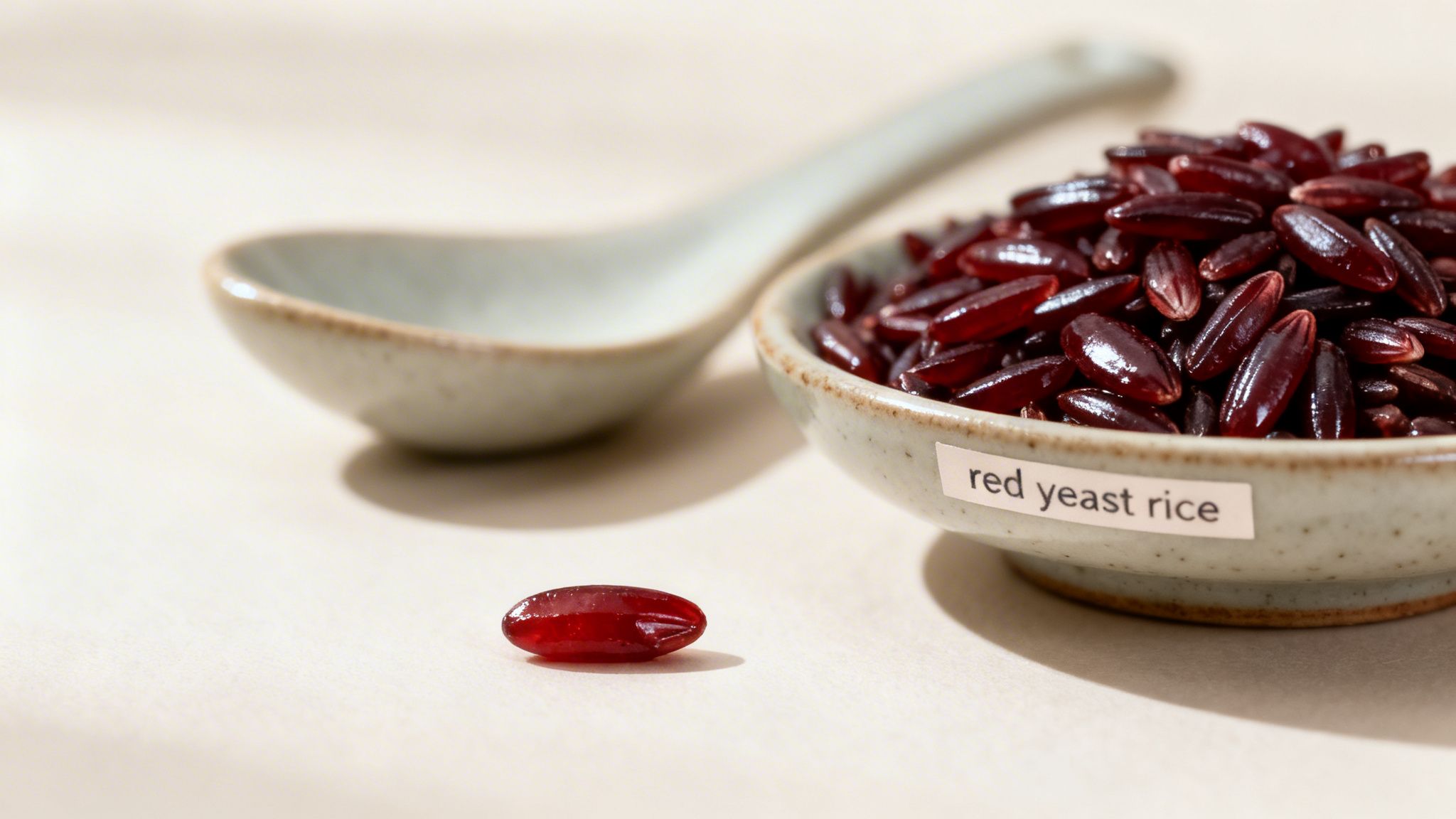
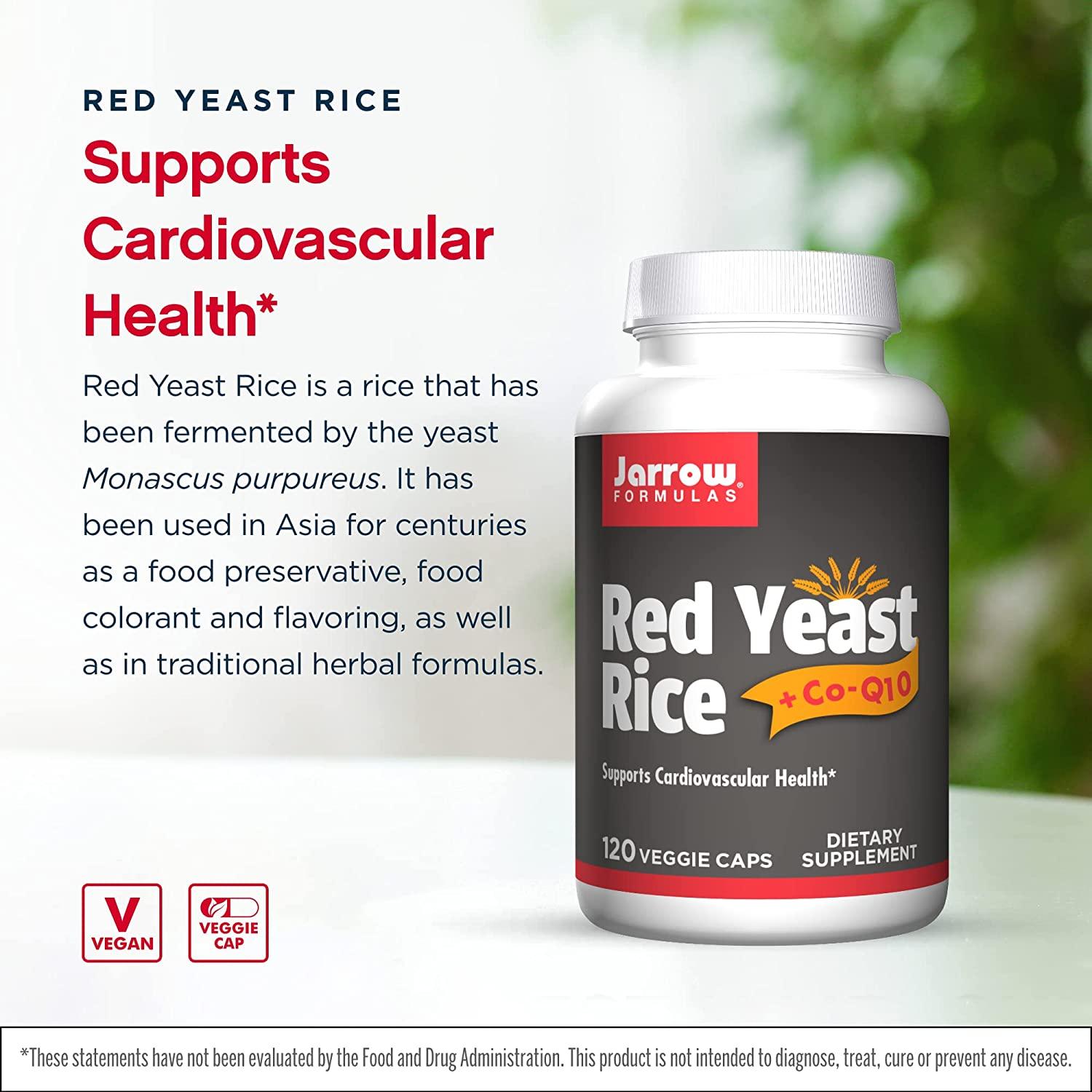
Red yeast rice (RYR) is a traditional Chinese culinary and medicinal product made by fermenting white rice with the yeast Monascus purpureus. In 2026, it remains a primary alternative for individuals seeking natural ways to manage hyperlipidemia (high cholesterol). The primary active constituent responsible for its therapeutic effect is monacolin K.
When ingested, monacolin K inhibits the enzyme HMG-CoA reductase in the liver. This enzyme is a critical catalyst in the metabolic pathway that produces cholesterol. By blocking this enzyme, RYR effectively lowers low-density lipoprotein (LDL) cholesterol and total cholesterol levels. However, because its mechanism of action is identical to that of pharmaceutical statins, it carries a similar side-effect profile.
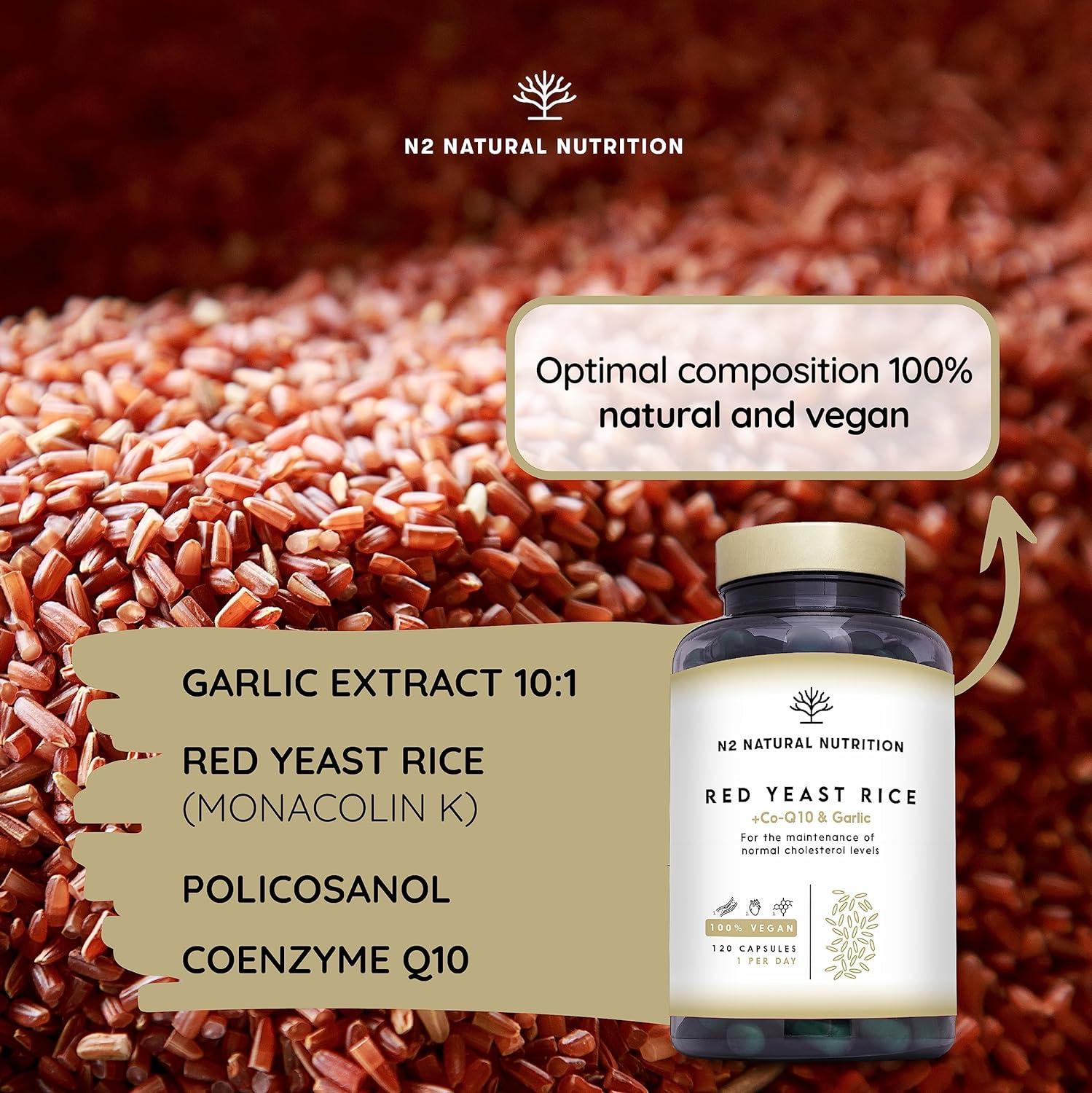
The body’s reaction to RYR is not limited to cholesterol synthesis. The inhibition of HMG-CoA reductase also affects the production of other metabolites, such as ubiquinone (Coenzyme Q10) and certain bile acids. These secondary effects are often the root cause of the various systemic symptoms reported by users, ranging from muscle aches to digestive irregularities.
The Link Between Red Yeast Rice and Constipation
Constipation is a frequently reported gastrointestinal (GI) side effect of red yeast rice. While many users focus on the cardiovascular benefits, the impact on the digestive tract can be significant enough to cause treatment non-compliance.
The Role of Bile Acids and Lipid Metabolism
Bile acids, produced in the liver from cholesterol, are essential for the emulsification and absorption of fats in the small intestine. They also act as natural laxatives within the colon by stimulating water secretion and intestinal motility. When red yeast rice reduces the availability of cholesterol or alters the enzymatic pathways involved in bile production, the volume or composition of bile may change. A reduction in bile flow can lead to slower colonic transit, resulting in the dryer, harder stools characteristic of constipation.
Changes in Intestinal Motility
Some clinical observations suggest that HMG-CoA reductase inhibitors may influence the smooth muscle cells of the gastrointestinal tract. If the contractions that move food through the digestive system (peristalsis) slow down, the colon has more time to absorb water from the waste material. This increased water reabsorption is a direct precursor to constipation. In 2026, research continues to investigate whether these effects are dose-dependent or if certain individuals have a genetic predisposition to RYR-induced GI distress.
The Microbiome Connection
The introduction of fermented products and potent bioactive compounds like monacolin K can cause a shift in the gut microbiota. A healthy balance of gut bacteria is crucial for maintaining regular bowel movements. Disrupting this balance can lead to dysbiosis, which often manifests as bloating, gas, and either diarrhea or constipation.
Other Common Side Effects of Red Yeast Rice
While constipation is a primary concern for many, it rarely occurs in isolation. Understanding the broader spectrum of side effects helps users differentiate between minor adjustments and serious adverse reactions.
- Muscle Pain and Weakness (Myopathy): Just like prescription statins, RYR can cause muscle soreness or weakness. In rare, severe cases, this can lead to rhabdomyolysis, a condition where muscle tissue breaks down and enters the bloodstream, potentially damaging the kidneys.
- Liver Enzyme Elevation: Red yeast rice is processed by the liver. Some users may experience an increase in liver enzymes (ALT and AST), indicating hepatic stress. Periodic blood testing is often recommended for long-term users.
- Abdominal Pain and Heartburn: Beyond constipation, users frequently report "dyspepsia," which includes general stomach upset, acid reflux, or a feeling of excessive fullness after eating.
- Dizziness and Headaches: Some individuals report neurological symptoms, though these are less common than GI or muscular issues.
Managing and Preventing Constipation While Taking RYR
If you find that red yeast rice is effectively lowering your cholesterol but causing digestive issues, you do not necessarily have to discontinue the supplement immediately. Several strategies can mitigate these effects.
Increase Dietary Fiber
Fiber is the gold standard for managing supplement-induced constipation. There are two main types:
- Soluble Fiber: Found in oats, beans, and apples, it turns into a gel-like substance that helps lower cholesterol further while softening stools.
- Insoluble Fiber: Found in whole grains and vegetables, it adds bulk to the stool and helps it pass more quickly through the gut. Aiming for 25 to 35 grams of fiber daily can counteract the slowing effects of monacolin K.
Prioritize Hydration
Fiber requires water to work effectively. Without adequate hydration, increasing fiber intake can actually worsen constipation. Aim for at least 8 to 10 glasses of water per day, especially if you are physically active or live in a dry climate.
Coenzyme Q10 (CoQ10) Supplementation
Because RYR inhibits the pathway that produces CoQ10, many healthcare providers recommend taking a CoQ10 supplement (usually 100mg to 200mg) alongside red yeast rice. While primarily used to prevent muscle pain, maintaining adequate CoQ10 levels supports overall cellular energy, which may indirectly benefit digestive smooth muscle function.
Magnesium Supplementation
Magnesium citrate or magnesium oxide can act as an osmotic laxative, drawing water into the intestines to soften the stool. This can be a helpful short-term solution for those adjusting to a new RYR regimen.
Comparison: Red Yeast Rice vs. Prescription Statins (2026 Standards)
The following table compares red yeast rice with its pharmaceutical counterpart, lovastatin, to help visualize why their side-effect profiles are so similar.
| Feature | Red Yeast Rice (RYR) | Prescription Lovastatin |
|---|---|---|
| Primary Active Compound | Monacolin K (Natural) | Monacolin K (Synthetic) |
| Regulation | FDA Dietary Supplement Health and Education Act | FDA Approved Drug |
| Dosage Consistency | Variable (depends on brand/batch) | Highly Standardized |
| Common Side Effects | Constipation, Myopathy, Bloating | Constipation, Myopathy, Gas |
| Risk of Contaminants | Potential for Citrinin (Kidney Toxin) | None (Pharmaceutical Grade) |
| Availability | Over-the-counter | Prescription Only |
| Typical Daily Dose | 600mg – 2,400mg (extract) | 10mg – 80mg |
Safety, Regulation, and the Risk of Citrinin
One of the most critical aspects of using red yeast rice in 2026 is ensuring the purity of the product. During the fermentation process of Monascus purpureus, a toxic byproduct called citrinin can be produced if the conditions are not strictly controlled. Citrinin is known to cause kidney damage (nephrotoxicity).
Because the FDA regulates RYR as a supplement rather than a drug, the monacolin K content can vary wildly between brands. Some products may contain very little active ingredient, while others contain enough to be classified as an unapproved drug. When choosing a supplement:
- Look for "Citrinin-free" labels on the packaging.
- Choose brands that have undergone third-party testing (e.g., USP, NSF, or ConsumerLab).
- Avoid buying from unverified international vendors where manufacturing standards may be lower.
When to Consult a Healthcare Provider
Constipation is often a manageable nuisance, but it can sometimes signal a more serious issue. You should stop taking red yeast rice and contact a doctor if:
- You experience severe abdominal pain or cramping.
- You have not had a bowel movement for more than four or five days.
- You notice blood in your stool or "tarry" black stools.
- You develop dark-colored urine or yellowing of the skin/eyes (jaundice), which could indicate liver distress.
- You experience unexplained, severe muscle pain or tea-colored urine.
It is also vital to discuss RYR with your doctor if you are already taking other medications, such as antifungal drugs, certain antibiotics, or other cholesterol-lowering medications, as these can increase the concentration of monacolin K in your blood and heighten the risk of side effects.
Frequently Asked Questions
Does the timing of the dose affect constipation?
While there is no definitive evidence that taking RYR at a specific time reduces constipation, many users find that taking it with a large meal helps buffer the stomach and improves overall digestion. Traditionally, statins are taken in the evening because cholesterol synthesis peaks at night, but if GI distress is high, splitting the dose between morning and evening may help.
Is red yeast rice-induced constipation permanent?
No, it is generally transient. Most people find that their digestive system adjusts to the supplement within two to four weeks. If the constipation persists despite lifestyle changes (fiber and water), it may indicate that the specific dosage is too high for your system or that RYR is not the right choice for your biology.
Can I take stool softeners with red yeast rice?
Yes, occasional use of over-the-counter stool softeners (like docusate sodium) is generally considered safe. However, relying on them long-term is not recommended. It is better to address the root cause through diet, hydration, or adjusting the RYR dosage under medical supervision.
Why does red yeast rice cause gas and bloating along with constipation?
The fermentation of the rice and the presence of monacolins can alter the rate at which food moves through the small intestine. If food sits longer in the gut, bacteria have more time to ferment it, producing excess gas. This trapped gas, combined with slowed transit, results in the dual discomfort of bloating and constipation.
Are there "non-constipating" brands of red yeast rice?
There is no specific "non-constipating" formulation because the monacolin K itself is the likely culprit. However, some brands include digestive enzymes or ginger in their capsules to help soothe the GI tract. Choosing a highly purified, standardized extract is the best way to ensure you aren't reacting to impurities or fillers.
Practical Recommendation
If you are experiencing constipation from red yeast rice, the first step is to verify your dosage. Many people take more than is necessary to achieve results. Start with a lower dose and titrate up slowly over several weeks to allow your digestive system to adapt. Simultaneously, increase your daily intake of soluble fiber (like psyllium husk) and ensure you are drinking at least 2 liters of water daily. If symptoms do not improve within a month, consult your physician to explore alternative lipid-lowering therapies that may be gentler on your digestive tract.
Image Gallery