How Wind Energy Works in Modern Homes
Wind energy systems for modern homes capture kinetic energy from moving air and convert it into usable electricity through a combination of aerodynamic blades, rotors, generators, and power electronics. While utility-scale wind farms d...
Wind energy systems for modern homes capture kinetic energy from moving air and convert it into usable electricity through a combination of aerodynamic blades, rotors, generators, and power electronics. While utility-scale wind farms dominate open landscapes, residential wind turbines bring this renewable technology directly to individual properties to offset grid electricity consumption, lower monthly utility bills, and enhance personal energy independence.
Contents
Introduction to Residential Wind Power Systems
Residential wind turbines differ significantly from the massive industrial structures seen on commercial wind farms. Designed for smaller footprints, residential or small-wind systems typically range in capacity from 1 kilowatt (kW) to 100 kW, depending on the electricity needs of the home and the available land area. These systems generally fall into two structural categories: horizontal-axis wind turbines (HAWTs), which feature propeller-like blades facing into the wind, and vertical-axis wind turbines (VAWTs), which can capture wind from any direction regardless of shifting air currents.
Operating a wind energy system at home involves more than simply mounting a small turbine on a roof or pole. Homeowners must understand local zoning laws, wind resource maps, grid-interconnection requirements, and the balance-of-system components—such as inverters, charge controllers, and battery banks—that transform raw, fluctuating wind power into stable household electricity. While solar panels remain more common in residential settings, wind energy offers a complementary generation profile, frequently producing power during stormy, overcast, or nighttime conditions when solar generation drops.
The Core Mechanics: How Wind Generates Electricity
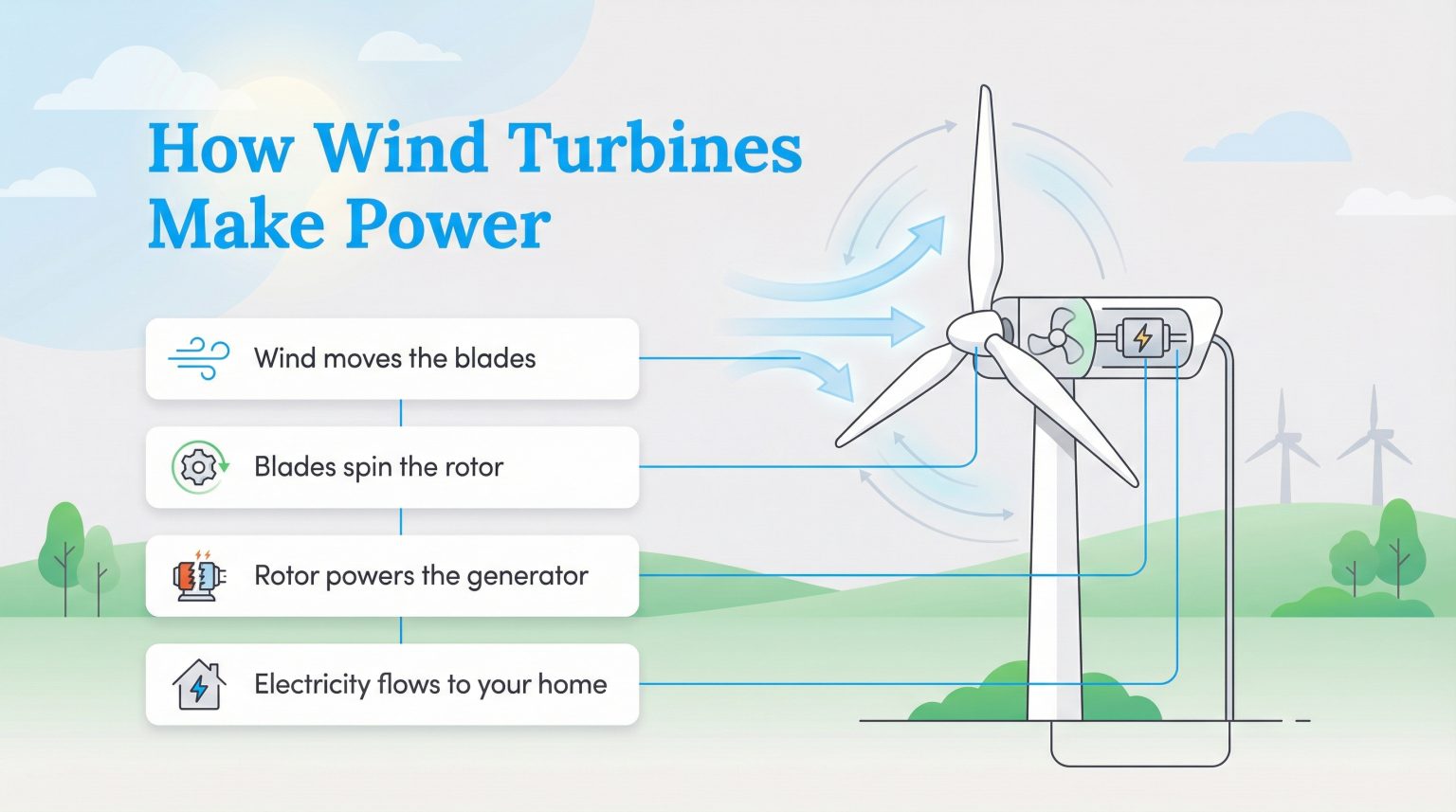
The fundamental physics governing residential wind turbines rely on aerodynamic lift and drag. As wind blows across the turbine's blades, it creates a pressure differential. The shape of the blade acts like an airplane wing, causing the wind to move faster over the upper surface than the lower surface. This creates low pressure that pulls the blade forward, forcing the rotor to spin.
- [Wind Flow]
- [Blades / Rotor] (Converts kinetic energy to mechanical rotation)
- [Gearbox / Direct Drive] (Increases rotational speed)
- [Generator] (Converts mechanical energy to electrical AC/DC power)
- [Inverter / Controller] (Regulates voltage & synchronizes with home/grid)
- [Electrical Panel / Battery Bank] (Powers appliances or stores energy)
Once the rotor begins to turn, the kinetic energy of the wind has been successfully converted into mechanical rotation. From here, the mechanics depend on the turbine's internal design:
- Rotor Hub: The central core where the blades attach, transferring the rotational force to the main shaft.
- Main Shaft: Connects the rotor hub to the generator, either directly or through a gearbox.
- Gearbox (Optional in Small Turbines): Steps up the rotational speed. Many modern small-wind turbines use permanent-magnet generators combined with power electronics instead of mechanical gearboxes to reduce maintenance and noise.
- Generator: Uses electromagnetic induction to convert the mechanical rotation into electrical energy. Magnets spinning inside copper coils (or vice versa) induce an electrical current.
- Braking Systems: Essential safety mechanisms. Aerodynamic stall, tip brakes, or mechanical disc brakes prevent the turbine from spinning dangerously fast during extreme wind storms.
Types of Modern Residential Wind Turbines
Choosing the correct turbine architecture is critical for successful residential deployment. Homeowners must evaluate their geographic location, typical wind turbulence, and aesthetic or structural constraints before selecting a design.
Horizontal-Axis Wind Turbines (HAWTs)
HAWTs are the traditional design with blades that rotate parallel to the ground, requiring a tail vane or motorized yaw mechanism to point the rotor directly into the wind.
- Advantages: Generally offer higher energy-conversion efficiency and can be mounted on tall towers to reach stronger, steadier winds higher off the ground.
- Disadvantages: Sensitive to shifting wind directions and turbulence caused by nearby trees or buildings; require adequate clearance space.
Vertical-Axis Wind Turbines (VAWTs)
VAWTs feature blades that rotate around a vertical axis, resembling an eggbeater or a spiral pillar.
- Advantages: Omnidirectional, meaning they capture wind from any direction simultaneously without needing a yaw mechanism. They can also operate effectively in turbulent, ground-level urban or suburban wind flows and often feature quieter operation.
- Disadvantages: Typically less efficient than HAWTs and experience lower wind speeds because they must be installed closer to the ground.
Balance-of-System Components
A wind turbine alone cannot power household appliances. The raw electricity generated must pass through several specialized electrical components to become safe and usable for standard home systems.
| Component | Primary Function |
|---|---|
| Wind Turbine | Converts wind kinetic energy into raw electrical current (AC or DC). |
| Charge Controller | Regulates voltage from DC turbines to protect battery banks from damage. |
| Battery Bank (Optional) | Stores excess electricity for use during low-wind or grid-outage periods. |
| Inverter | Converts DC electricity into standard 120V/240V AC household electricity. |
| Net Meter / Interconnect | Manages surplus power sent back to the utility grid via net metering policies. |
Power Conditioning and Inverters
Wind turbines generate variable-frequency alternating current (AC) or direct current (DC) electricity because wind speeds constantly fluctuate. An inverter takes this erratic output and conditions it into stable, synchronized 120-volt or 240-volt AC power matching the frequency of the local utility grid.
Grid-Tied vs. Off-Grid Configurations
- Grid-Tied Systems: Connected directly to the local electric utility. When the turbine produces more electricity than the home consumes, the excess flows back into the grid, often earning credits through net metering programs. When the wind is calm, the home draws power seamlessly from the utility.
- Off-Grid Systems: Completely independent of the utility company. These require substantial battery banks (such as lithium iron phosphate or advanced lead-acid batteries) to store energy for calm days, along with a backup generator for extended periods of low wind.
Site Assessment, Feasibility, and Zoning Requirements
Before investing in a residential wind system, homeowners must conduct a thorough feasibility study. Unlike solar panels, which can be installed on almost any sun-facing roof, wind turbines have strict physical and regulatory prerequisites.
Wind Resource Evaluation
Sufficient wind speed is the single most important factor determining system viability. Most residential turbines require an annual average wind speed of at least 9 to 10 miles per hour (4 to 4.5 meters per second) to operate economically. Homeowners should consult regional wind maps published by energy authorities (such as the U.S. Department of Energy's WINDExchange) or install a temporary anemometer on-site to measure local wind resources for several months.
Height and Obstruction Clearance
Wind speed increases significantly with height due to surface friction from the ground, trees, and buildings. Small turbines must usually be mounted on towers at least 30 to 50 feet above any obstacle within a 300-foot radius. Rooftop installations are rarely recommended unless the building sits in an unobstructed coastal or open rural environment, as turbulent air currents generated by roof edges can damage the turbine and drastically reduce energy output.
Zoning Laws, Building Codes, and Permits
Local municipal ordinances dictate whether a wind turbine is permitted on residential property. Homeowners must navigate:
- Height Restrictions: Many municipalities cap residential structures at 35 feet, requiring special zoning variances for tall wind towers.
- Setback Requirements: Regulations often mandate that the tower be set back from property lines and power lines by a distance equal to the total height of the tower plus the rotor radius.
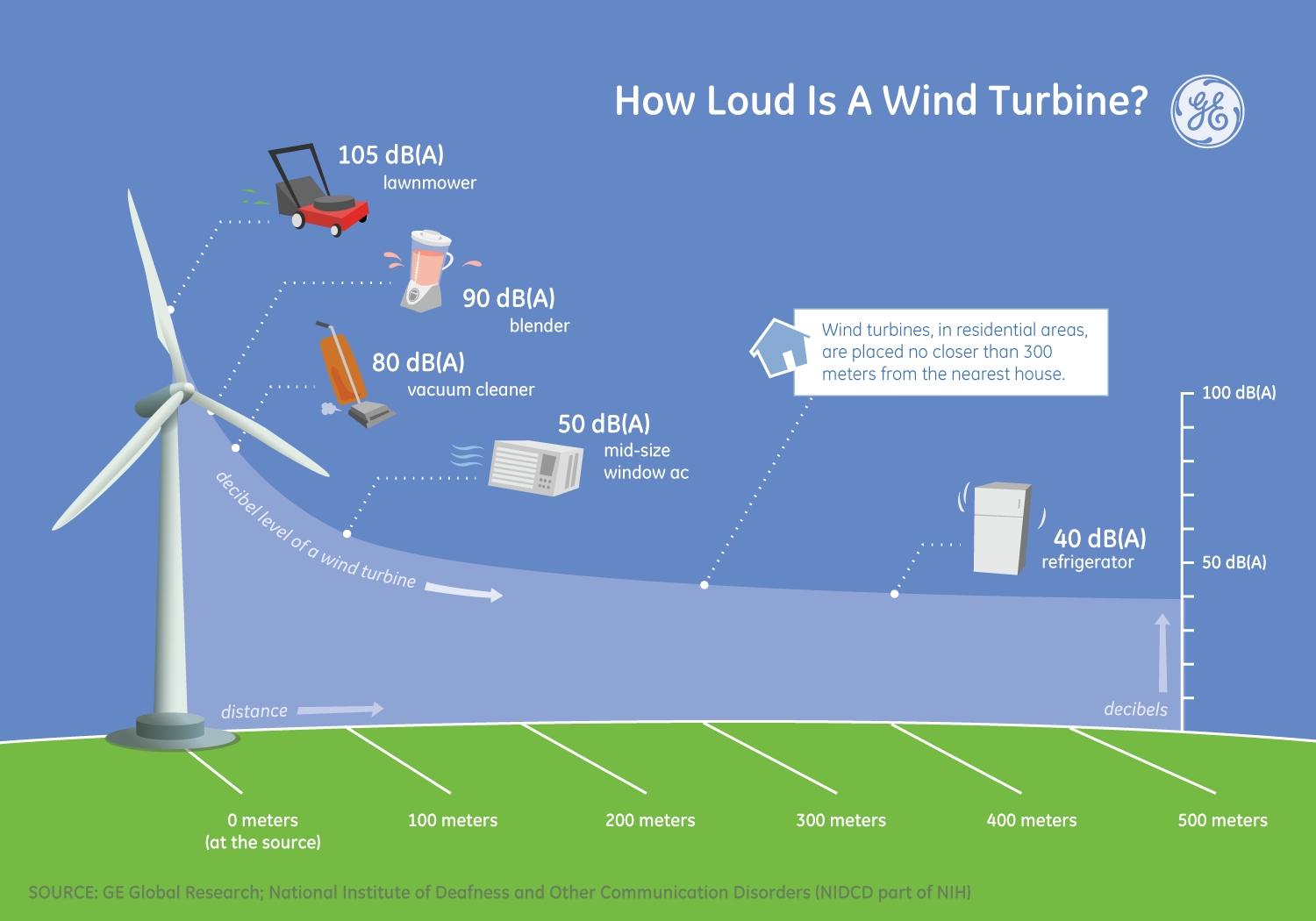
- Noise Ordinances: Rotating blades generate aerodynamic sound and mechanical hums; local noise decibel limits can restrict operation during nighttime hours.
- Homeowners Association (HOA) Covenants: Private community rules frequently prohibit exterior wind towers altogether.
Economics, Costs, and Return on Investment
Installing a residential wind energy system requires significant upfront capital expenditure. Equipment, tower installation, electrical integration, and permitting fees typically range from $3,000 to $8,000 per kilowatt of capacity for small-scale systems. A standard 10 kW turbine capable of meeting a significant portion of an average home's electricity usage can easily cost between $40,000 and $80,000 before incentives.
Financial viability depends heavily on local electricity rates, available government grants, and tax incentives. Federal programs, such as the Residential Clean Energy Credit, often provide tax relief for qualifying renewable energy installations. Homeowners should calculate their payback period by dividing the net system cost by the annual monetary value of the electricity offset. In regions with high electricity utility rates and strong, consistent wind resources, payback periods may range from 10 to 20 years, matching or exceeding the expected 20-year operational lifespan of the turbine.
Operation, Maintenance, and Common Troubleshooting
Modern small-wind turbines are engineered for durability, but mechanical parts operating under continuous environmental stress require scheduled maintenance to prevent premature failure.
Routine Maintenance Checklist
- Annual Inspections: Check all bolt torques, tower guy wires (if applicable), and structural welds for signs of fatigue or corrosion.
- Electrical Testing: Inspect wiring insulation, inverter error logs, and battery health (in off-grid setups) twice a year.
- Lubrication: Grease moving mechanical parts, bearings, and yaw shafts according to the manufacturer's maintenance manual.
- Blade Cleaning: Remove accumulated dirt, insect debris, or ice buildup that can disrupt aerodynamic performance and cause rotor imbalance.
Common Troubleshooting Scenarios
- Low Energy Output: Usually caused by surrounding tree growth obstructing wind flow, blade surface damage, or an incorrect inverter configuration.
- Excessive Vibration or Noise: Indicates unbalanced rotor blades, loose mounting bolts, or failing bearings that require immediate shutdown and professional repair.
- Inverter Fault Codes: Power surges or grid fluctuations can cause inverters to trip offline; check system error logs and reset according to manufacturer guidelines.
Frequently Asked Questions
Can I install a wind turbine on my standard residential roof?
Rooftop installations are generally discouraged for most homes. Roofs create turbulence that lowers turbine efficiency and transfers mechanical vibrations and noise directly into the house structure. Dedicated freestanding towers or ground mounts placed away from obstacles are far more effective and structurally safe.
How much electricity does a home wind turbine generate?
Generation depends directly on turbine capacity and local wind speeds because wind power scales with the cube of wind speed (doubling wind speed multiplies power output by eight). A typical 5 kW turbine in a good wind regime might generate between 5,000 and 8,000 kilowatt-hours (kWh) annually, covering a substantial portion of a standard household's electricity demand.
Will a residential wind turbine work during a grid blackout?
Grid-tied turbines automatically shut down during a power outage for safety reasons (known as anti-islanding protection) to prevent backfeeding electricity into lines where utility technicians may be working. To maintain power during blackouts, the system must include battery storage and a specialized islanding-capable inverter.
What happens to a wind turbine during severe storms or hurricanes?
Quality wind turbines feature automatic or manual braking systems designed to handle high winds. Furling mechanisms (which turn the rotor out of the wind) or mechanical feathering systems adjust the blade angles to reduce aerodynamic lift and prevent structural damage during severe gales.
Are small wind turbines noisy?
Modern residential turbines are engineered to minimize noise through optimized blade aerodynamics and quiet gearless generators. However, depending on wind speed, tower height, and proximity to neighboring properties, a faint whirring or swishing sound may be audible close to the base.
Practical Next Action
Begin your wind energy project by reviewing local municipal zoning codes and obtaining a multi-month wind resource assessment for your property. If your average wind speed exceeds 9 mph and local regulations permit tower structures exceeding standard height caps, consult a certified small-wind installer to perform a formal site evaluation and detailed cost-benefit analysis.
Image Gallery